
Used 2024 Conventional Sleeper Trucks For Sale in Missouri
Used 2024 conventional sleeper trucks for sale in Missouri: compare gearing, sleeper layouts, emissions history, and salt exposure before choosing a tractor.
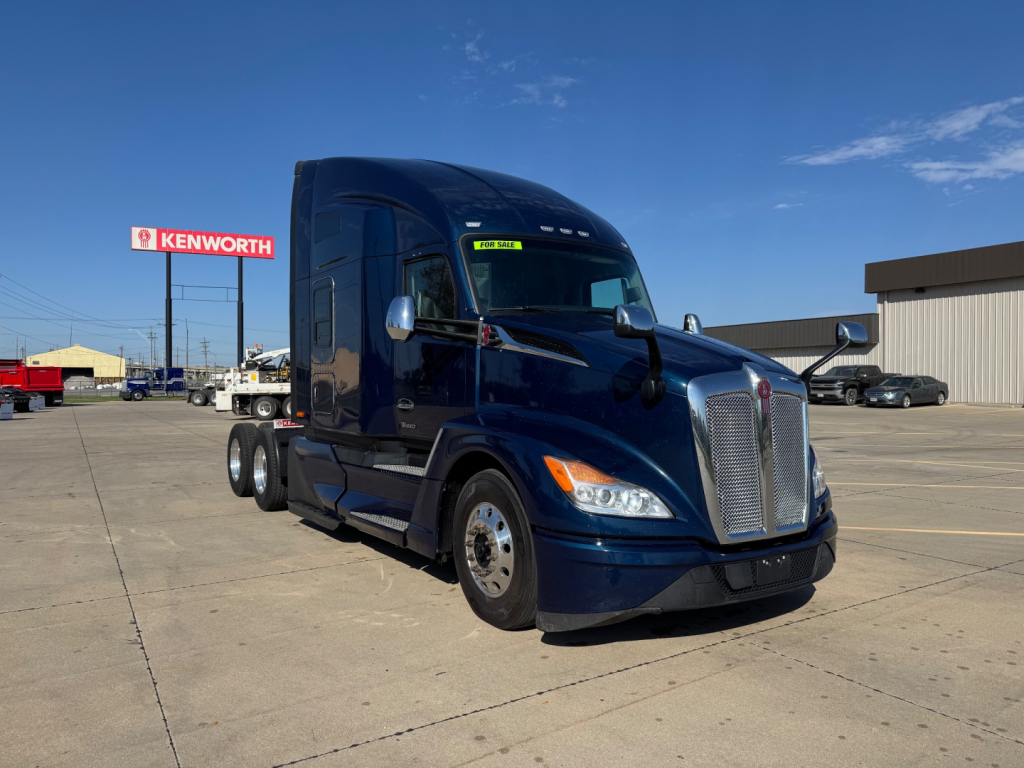
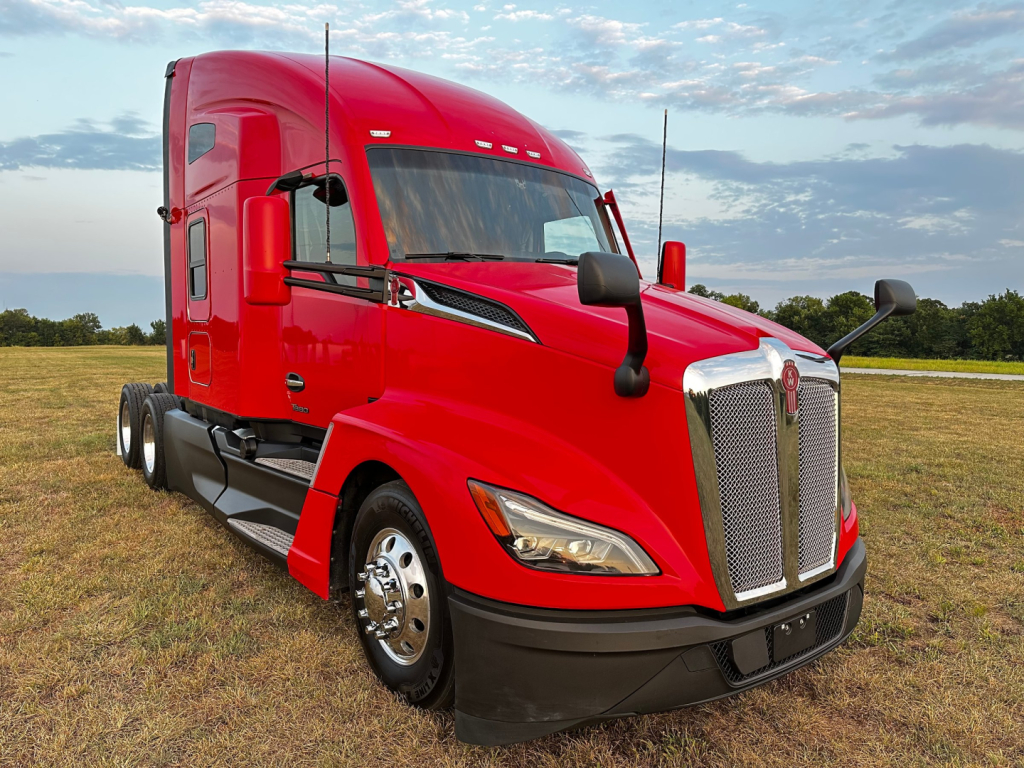
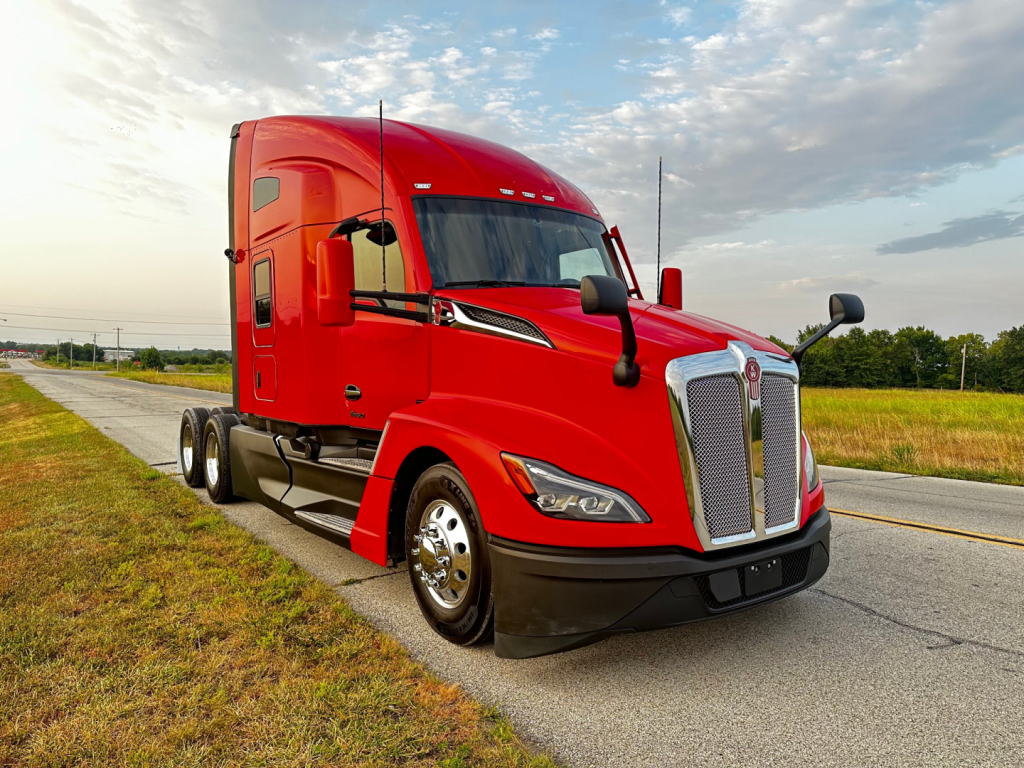
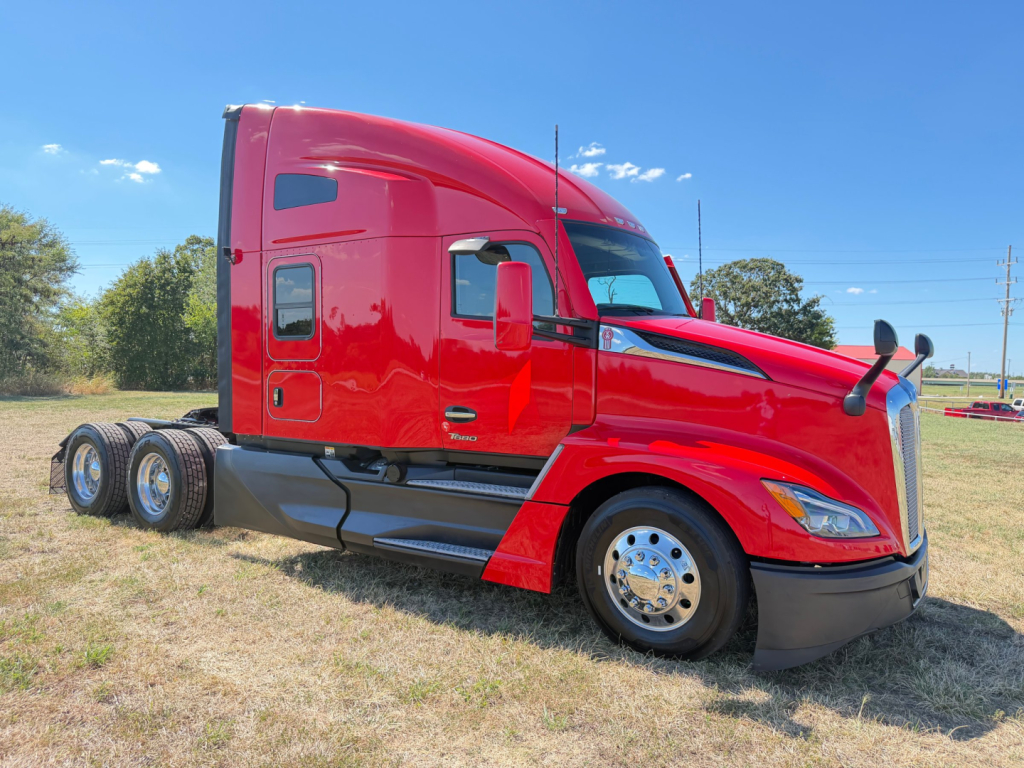
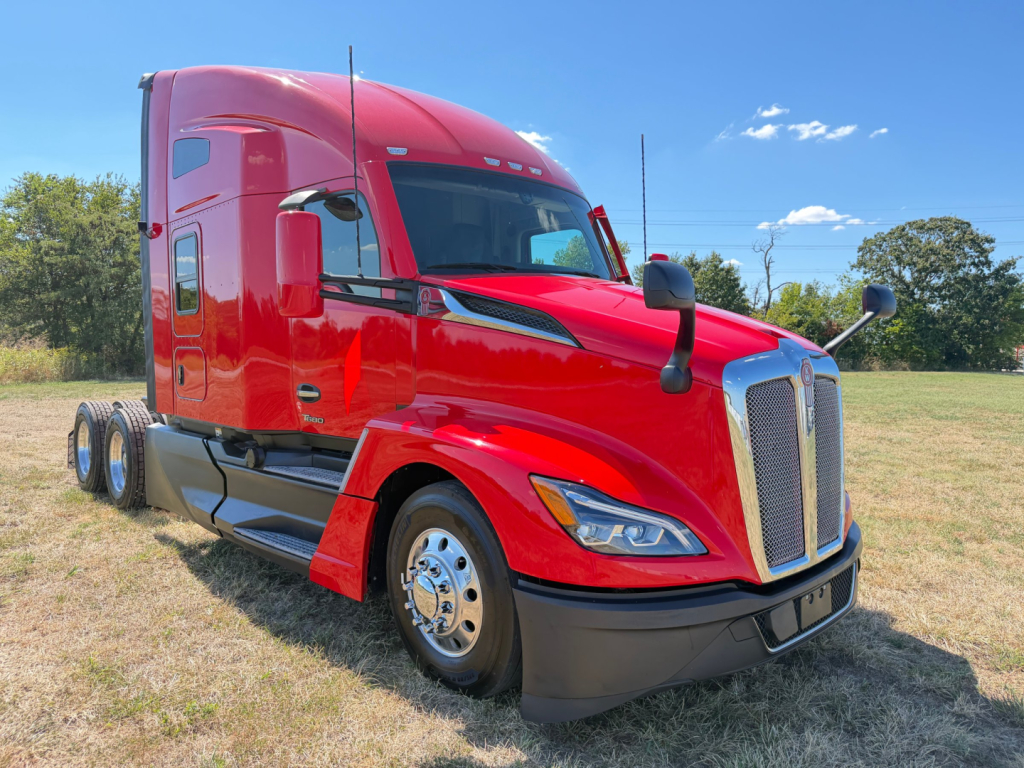
Selling a used 2024 conventional sleeper truck? List your used 2024 conventional sleeper truck for sale and reach thousands of commercial buyers.
Used 2024 Conventional Sleeper Trucks in Missouri
Powertrain selection should start with cruise speed and gross combination weight. International LT and Kenworth T680 tractors can pair a Cummins X15 with a 12-speed automated transmission, while Freightliner Cascadia and Volvo VNL models also offer proprietary engine and transmission combinations. Check the engine data plate and transmission identification rather than relying on a model badge. Rear axle ratio, transmission top gear, and tire revolutions per mile determine cruise rpm together; a fuel-oriented highway specification may be a poor match for repeated steep starts or heavy off-highway work.
The 2024 model year falls within the EPA GHG Phase 2 era; factory diesel powertrains use a diesel particulate filter and SCR with DEF. Pull a complete ECM and aftertreatment report covering engine hours, fault history, regeneration activity, and recorded derates. Compare those records with maintenance invoices and check for emissions tampering. A recent model year does not rule out high accumulated wear, so inspect cooling-system condition, oil leaks, crankcase pressure, and evidence of repeated overheating before accepting a clean dashboard as proof of health.
Sleeper layout affects both driver comfort and trailer compatibility. A high-roof cab better matches tall van and reefer trailers, while a midroof can suit lower-profile flatbed or bulk work. Check bunk dimensions, storage, interior standing room, and whether a second bunk is actually needed. Run sleeper air conditioning, bunk heat, and any auxiliary power unit under load. Measure wheelbase and fifth-wheel slide travel to confirm trailer clearance, useful weight transfer, and maneuverability at Missouri distribution yards and rural elevators.
Missouri winter road treatments make undercarriage inspection worthwhile even on a 2024 tractor, and a Missouri sale location does not establish where the truck previously operated. Inspect frame rails, crossmembers, air tanks, wiring connectors, brake hardware, and fifth-wheel mounting for corrosion or damage. Check steering play, tire wear patterns, suspension bushings, air leaks, and brake condition during a loaded road test. Verify axle ratings against intended loads and obtain a VIN-specific warranty statement showing original in-service date, remaining limits, covered components, and any transfer requirements.
Frequently Asked Questions about Used 2024 Conventional Sleeper Trucks in Missouri
Is a 2.79 rear axle ratio too tall for hauling in Missouri?
A 2.79 rear axle ratio can suit Missouri interstate van or reefer work when matched to the correct transmission and tire size. Buyers of used 2024 sleeper tractors should calculate cruise rpm and verify starting capability at their actual combination weight. Frequent loaded starts on Ozark grades or unpaved farm approaches can favor different overall gearing, even when highway fuel economy looks attractive.
What is the legal weight limit for a sleeper tractor-trailer on Missouri interstates?
The normal Interstate limit in Missouri is 80,000 pounds gross combination weight, subject to axle limits and the federal bridge formula. A conventional sleeper tractor-trailer must also comply with the usual 20,000-pound single-axle and 34,000-pound tandem limits. Axle spacing, posted restrictions, tire capacity, and equipment ratings can reduce usable capacity. Manufacturer axle ratings alone do not establish legal road weight.
Does factory warranty transfer when I buy a used 2024 sleeper truck?
Remaining factory coverage transfers only as allowed by the manufacturer's warranty terms; a 2024 model year does not guarantee protection. For a used conventional sleeper tractor, separate base vehicle, engine, aftertreatment, and purchased extended coverage because their limits and exclusions can differ. Request written confirmation of transfer eligibility, deductibles, required maintenance records, and whether a service contract requires separate approval or a transfer fee.
How should I inspect a 12-speed automated transmission in a used sleeper tractor?
A loaded road test backed by transmission diagnostics is the strongest practical check of a used sleeper tractor's automated transmission. Evaluate forward and reverse engagement, low-speed backing, hill starts, shift quality, and behavior after the drivetrain reaches operating temperature. Have a qualified technician review fault history, clutch wear data where supported, calibration status, and air supply condition rather than judging the transmission from an empty parking-lot drive.
Is a diesel APU or battery HVAC better for overnight stops in Missouri?
A diesel APU is usually the stronger fit for repeated full-night cooling when shore power is unavailable. Missouri summer heat and humidity can shorten battery HVAC runtime, especially with aged batteries. A battery system avoids maintaining another diesel engine but needs a capacity test and adequate recharge time. On a used 2024 sleeper tractor, compare auxiliary-system hours and service records separately from main-engine mileage.