
Used 2022 Conventional Sleeper Trucks For Sale in Mississippi
Browse used 2022 conventional sleeper trucks in Mississippi. Compare specs, sleeper sizes, drivetrain options, and long-haul configurations.
Learn more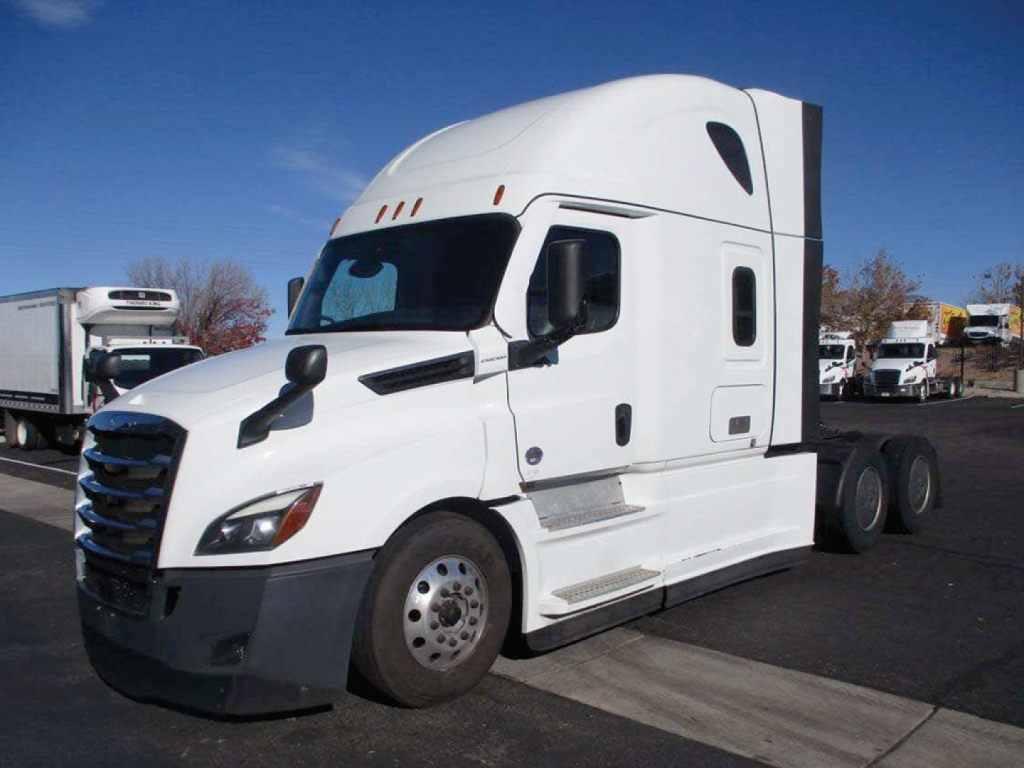
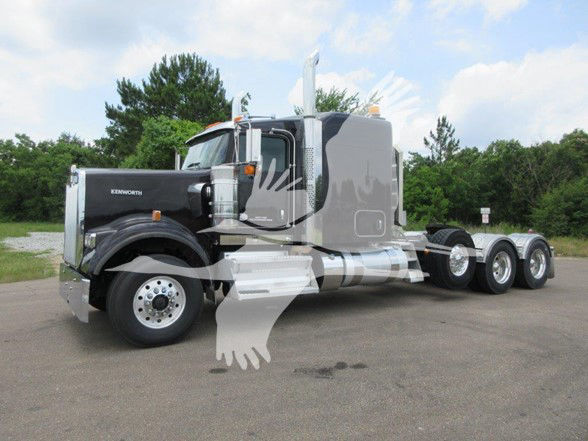
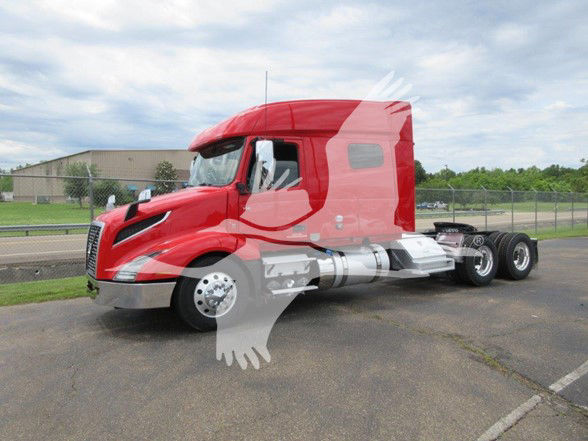
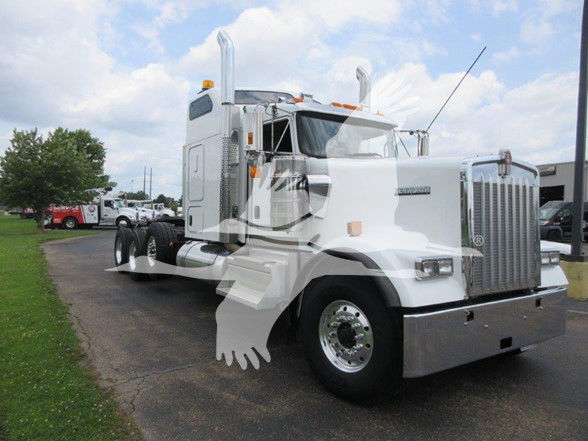
Showing 13 to 23 of 23 results
Have used 2022 conventional sleeper truck to sell? List it here to reach thousands of buyers.
About Used 2022 Conventional Sleeper Trucks in Mississippi
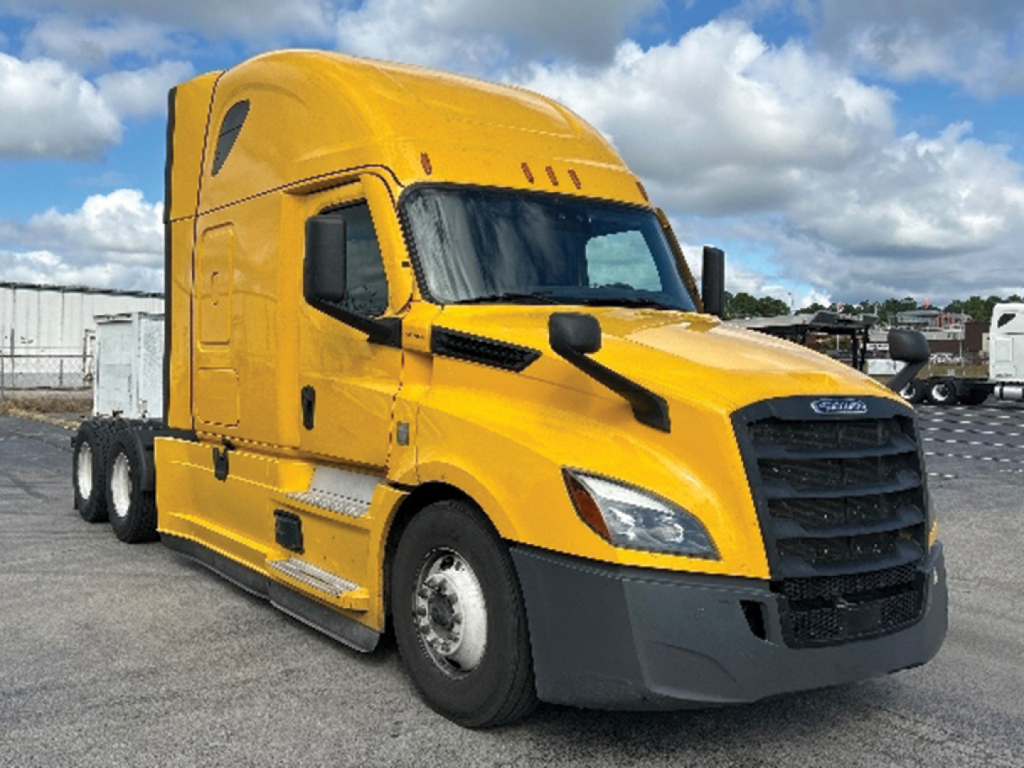
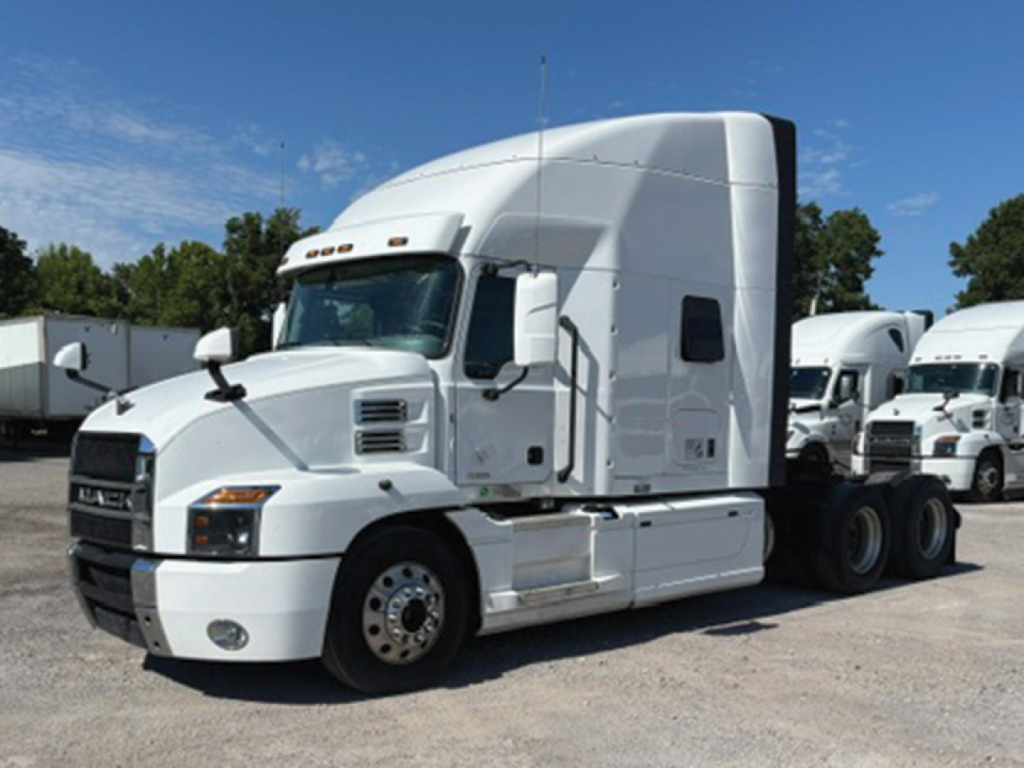
For a 2022 model year, buyers should pay close attention to sleeper length, wheelbase, rear axle ratio, and engine-transmission pairing before focusing on cosmetics. Common sleeper sizes range from about 60 inches to 80 inches, with flattop and mid-roof layouts often favored for vocational crossover, flatbed, and heavy-haul applications, while taller roof sleepers typically support long-distance dry van and reefer lanes. You will also see a wide spread in powertrain spec. Many conventional sleepers from this year were ordered with 13-speed or 18-speed manual transmissions for specialized hauling, while automated manual transmissions were common in fleet-focused highway specs. Engine ratings can vary from fuel-minded linehaul calibrations up to high-horsepower setups suited for lowboy, oversize, or mountain work. On trucks like a Kenworth W900 or Volvo VNL, that difference in spec matters more than the badge alone.
A Mississippi buyer should also think about climate, terrain, and operating radius. Cooling system condition, APU or battery HVAC setup, bunk heater functionality, and idle-management strategy matter in hot, humid conditions. If the truck will spend time on jobsite entrances, chip-and-seal roads, or mixed regional routes, look at frame condition, suspension type, tire size, and whether the tractor has enough front axle capacity for the intended trailer and load. For heavy-spec conventional sleepers, details such as double-frame construction, locking differentials, pusher axles, wet kits, and higher GCWR can separate a true specialty tractor from a standard highway unit with a big sleeper.
The best used 2022 conventional sleeper truck is the one whose spec matches the freight. Buyers should review emissions service history, engine hours versus road miles, aftertreatment maintenance, and any available records for clutch, transmission, turbocharger, and DPF or SCR work. Interior wear in the bunk, seat base condition, and driver-assist features such as collision mitigation, lane departure warning, and adaptive cruise can also affect long-term value. A well-matched 2022 sleeper tractor can still offer strong uptime, driver comfort, and resale strength, especially when the truck's axle, suspension, and horsepower ratings are aligned with the lanes and trailers it is expected to pull.
Frequently Asked Questions
What should I look for first on a used 2022 conventional sleeper truck?
Start with the truck's actual operating spec, not just the make, model, or sleeper size. Engine rating, transmission type, rear axle ratio, wheelbase, and axle capacity determine whether the tractor fits general freight, flatbed, reefer, tanker, or heavy-haul work. After that, review emissions maintenance history, engine hours, tire condition, brake wear, suspension setup, and any signs of frame repairs or driveline stress.
Are 2022 conventional sleeper trucks good for long-haul use in Mississippi?
Yes, a 2022 conventional sleeper is generally well suited for long-haul and regional operation in Mississippi. These trucks typically offer modern aerodynamics or proven long-hood serviceability, improved driver-assist systems, and sleeper amenities that support multi-day routes. For Mississippi service, buyers should pay extra attention to cooling performance, air conditioning, bunk HVAC, and corrosion or wear related to humidity and year-round use.
What is the difference between a standard highway sleeper and a heavy-haul conventional sleeper?
A standard highway sleeper is usually spec'd for fuel economy, lower tare weight, and general freight operation with moderate horsepower and highway gearing. A heavy-haul conventional sleeper often has higher horsepower, an 18-speed transmission, deeper rear axle ratios, heavier suspension, stronger frame rails, and sometimes added equipment such as lift axles, wet kits, or double-frame construction. The difference shows up in GCWR capability, trailer compatibility, and how the truck performs under sustained high load.
How important is sleeper size on a 2022 conventional truck?
Sleeper size matters because it affects wheelbase, weight distribution, driver comfort, and the type of work the truck can do efficiently. A 60-inch to 72-inch sleeper is common for many over-the-road applications and can balance comfort with maneuverability. Larger sleepers can improve livability for teams or extended runs, but they may add weight and reduce flexibility in specialized operations where bridge law, trailer length, or turning radius are concerns.
Should I choose a manual or automated transmission in a used 2022 sleeper tractor?
That depends on the freight, terrain, and driver pool. Automated manual transmissions are common in 2022 highway tractors because they improve consistency, reduce driver fatigue, and often support fuel-efficiency goals. Manual 13-speed and 18-speed setups remain popular in specialized hauling, heavy haul, and some owner-operator applications where gear control and grade management are more important than standardization.