
Used 2021 Conventional Sleeper Trucks For Sale in Tennessee
Compare used 2021 conventional sleeper trucks for sale in Tennessee by gearing, emissions service history, sleeper equipment, and mountain-route braking.
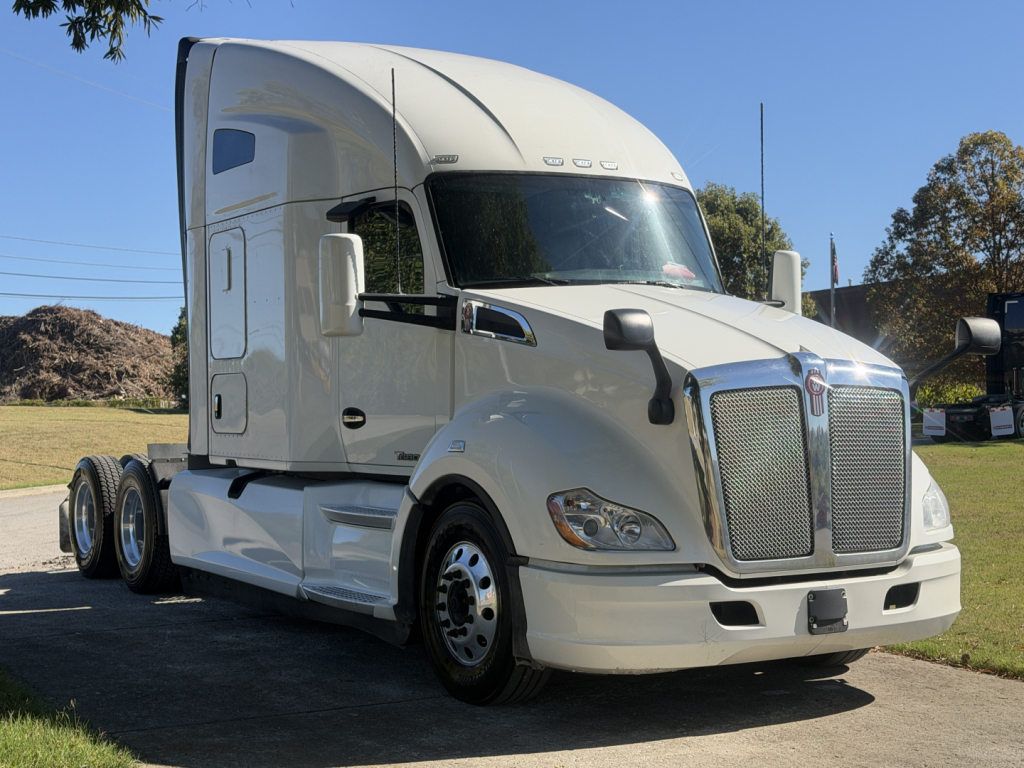
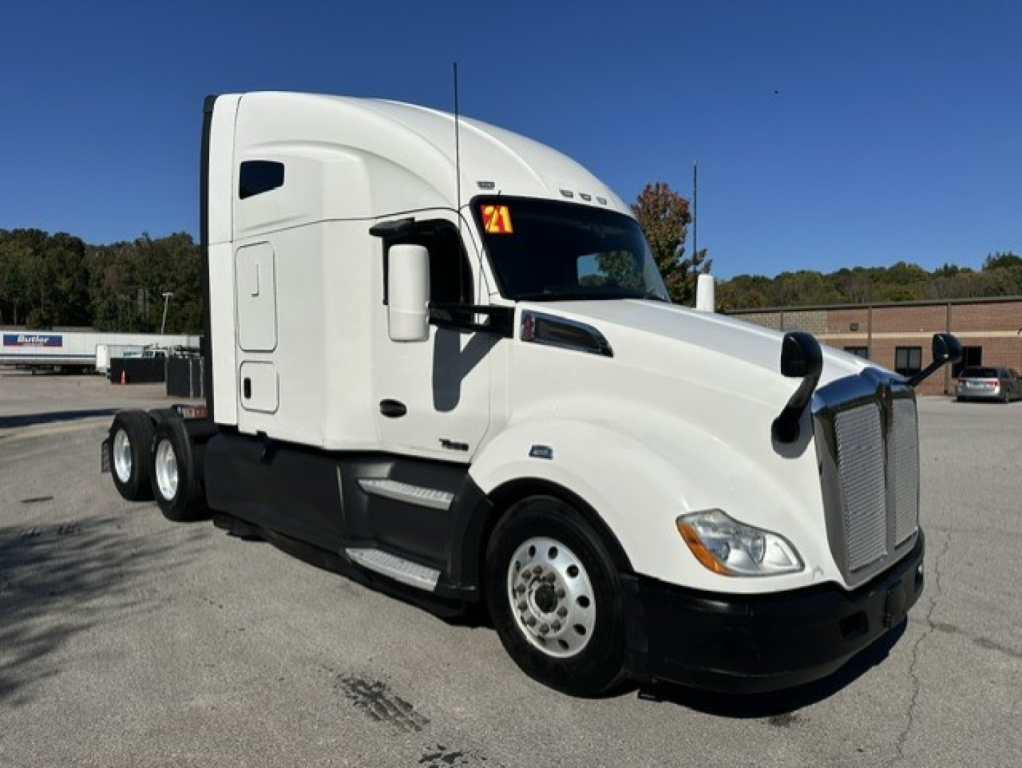
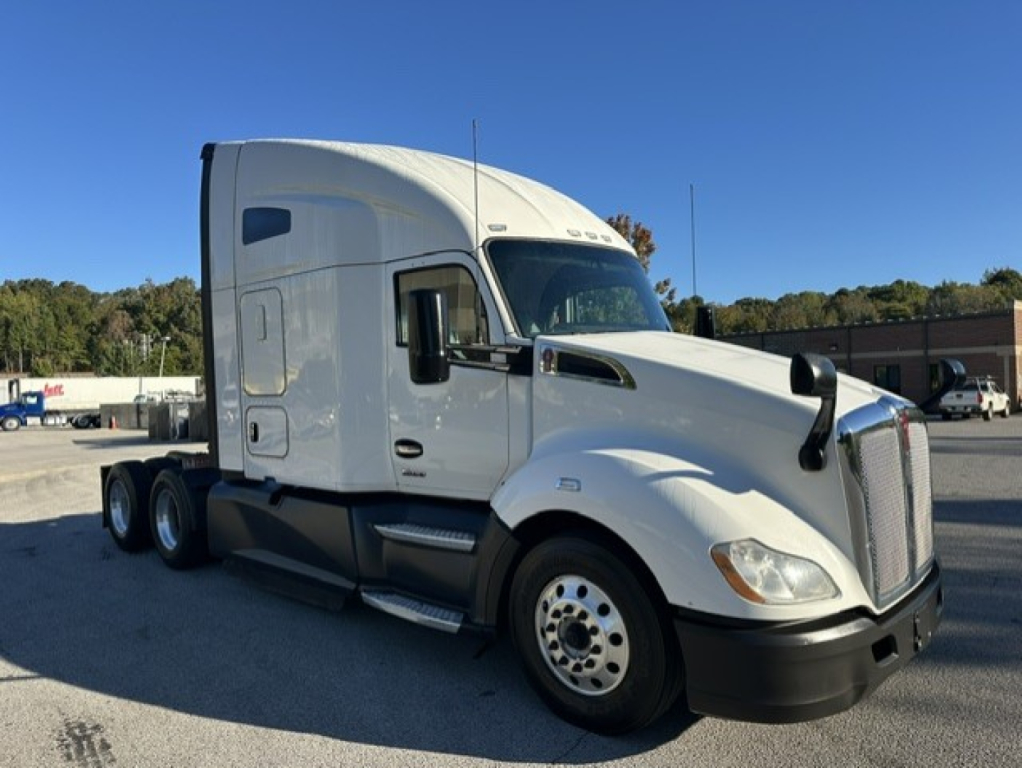
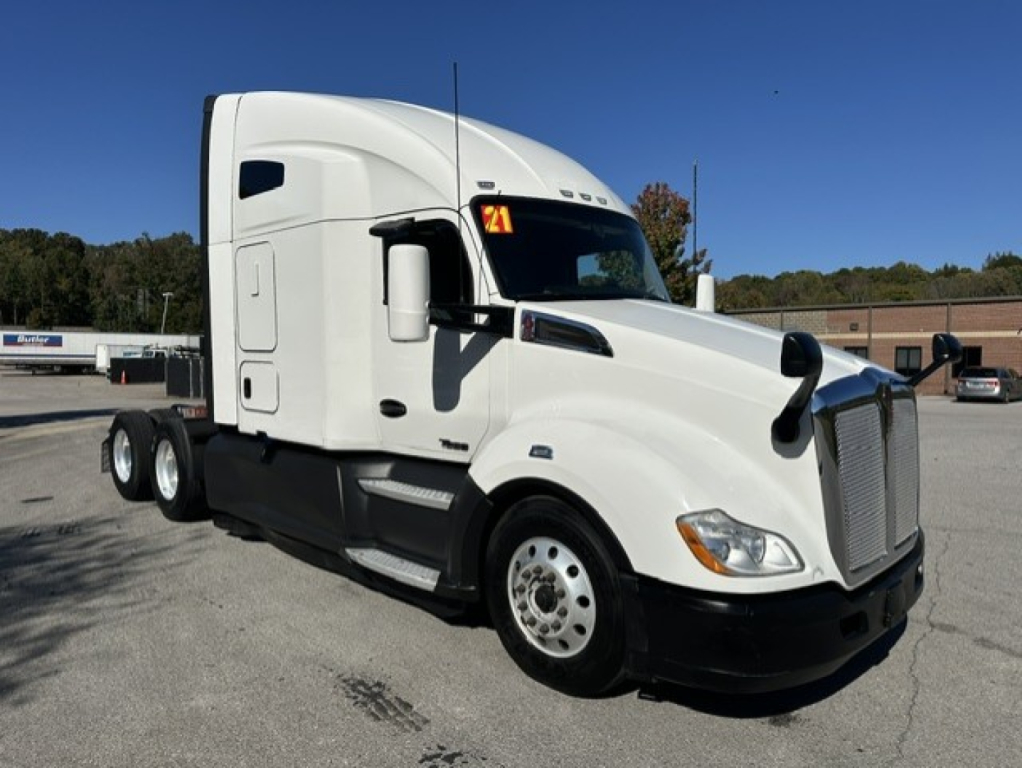
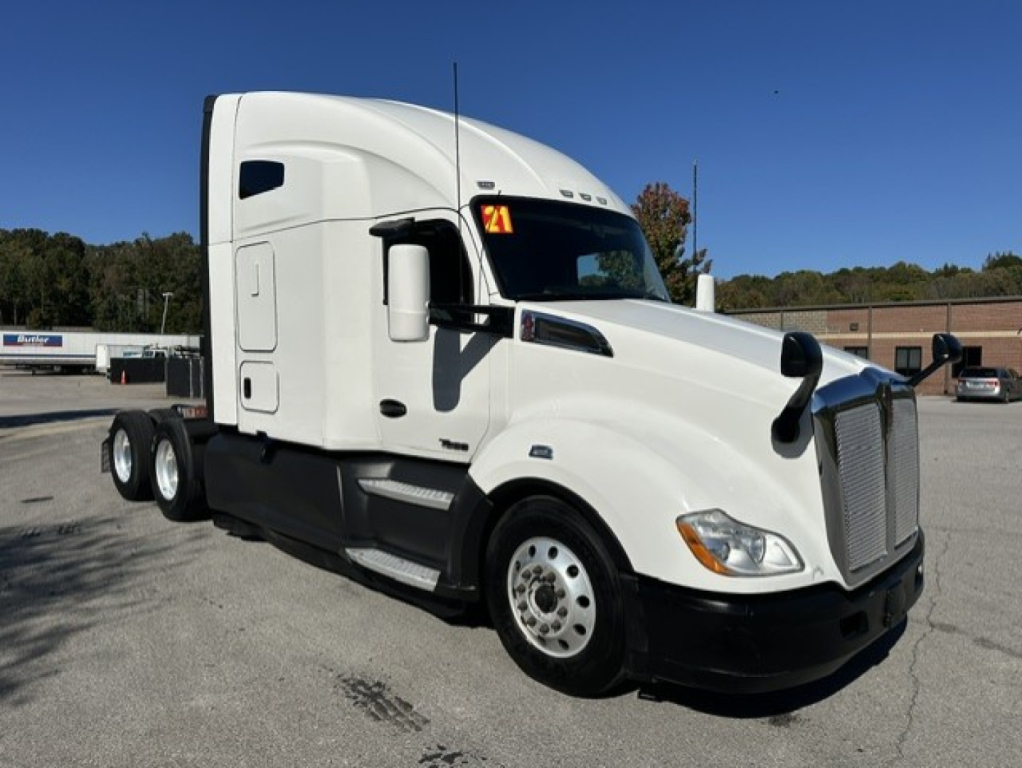
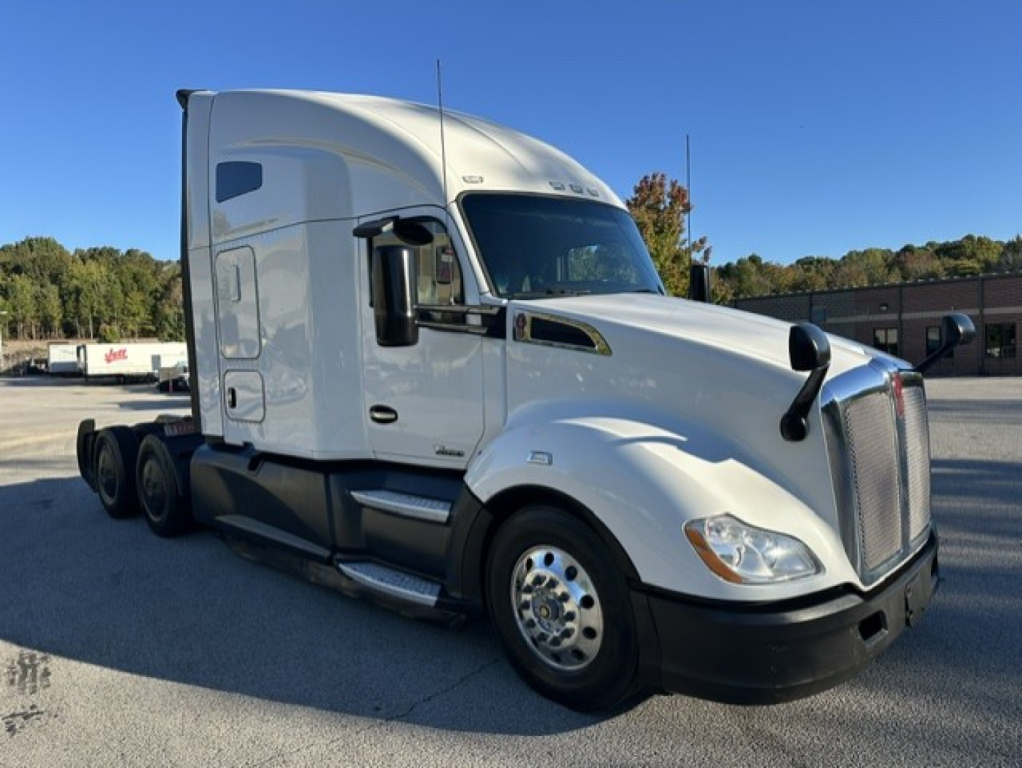
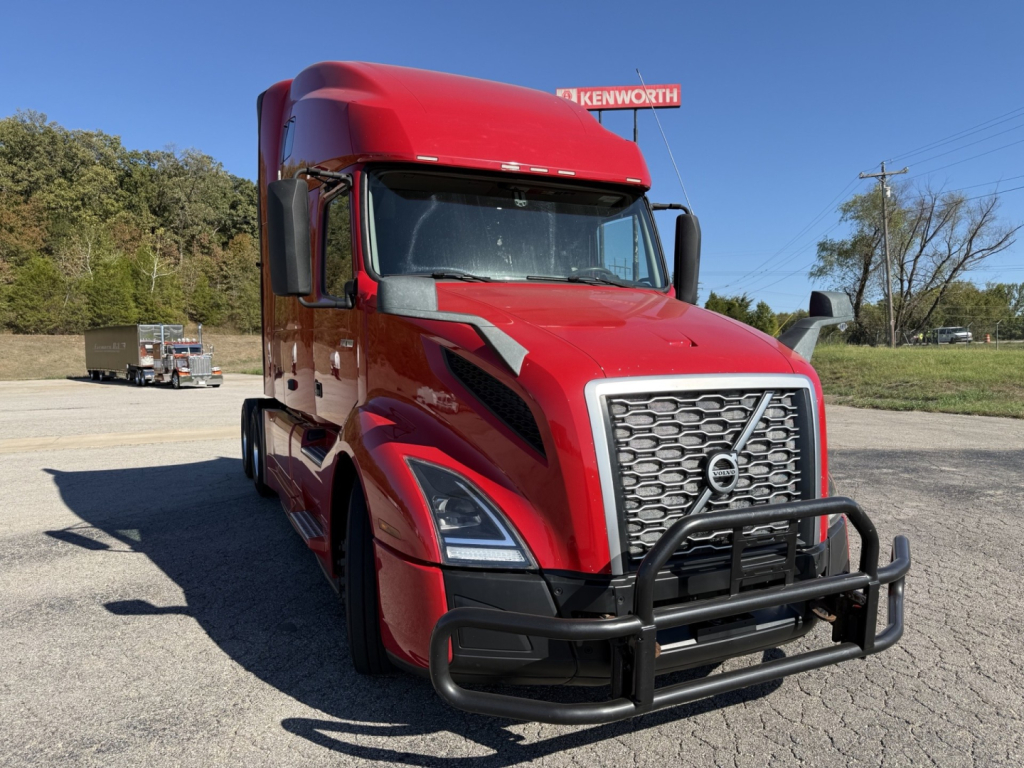
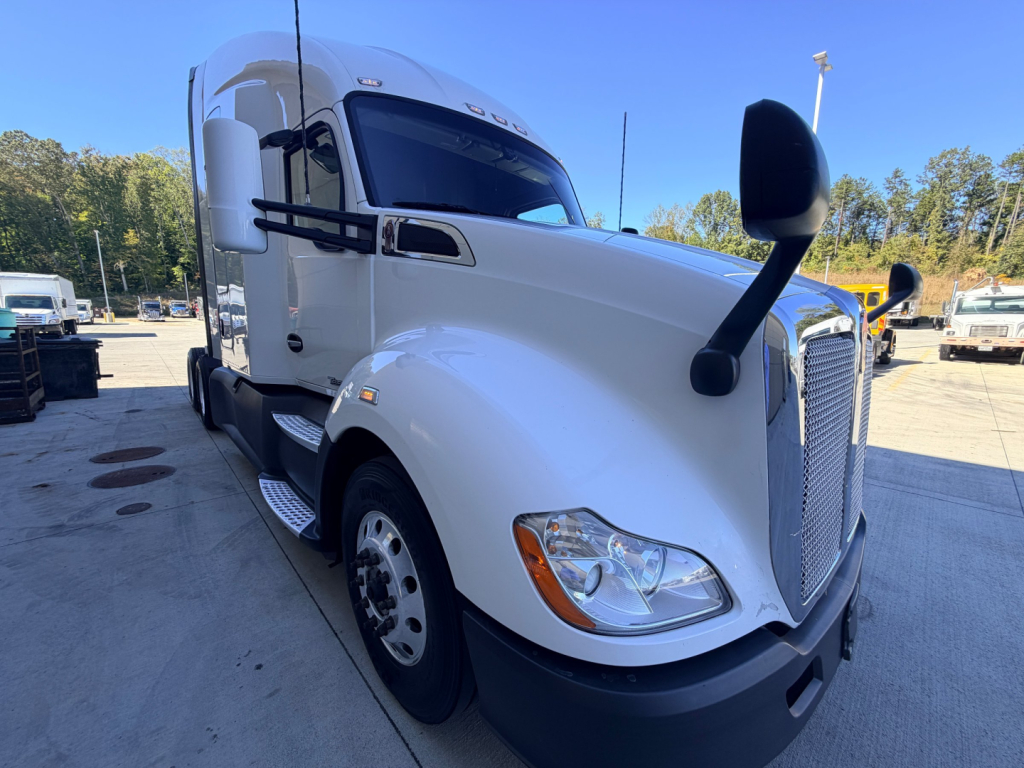
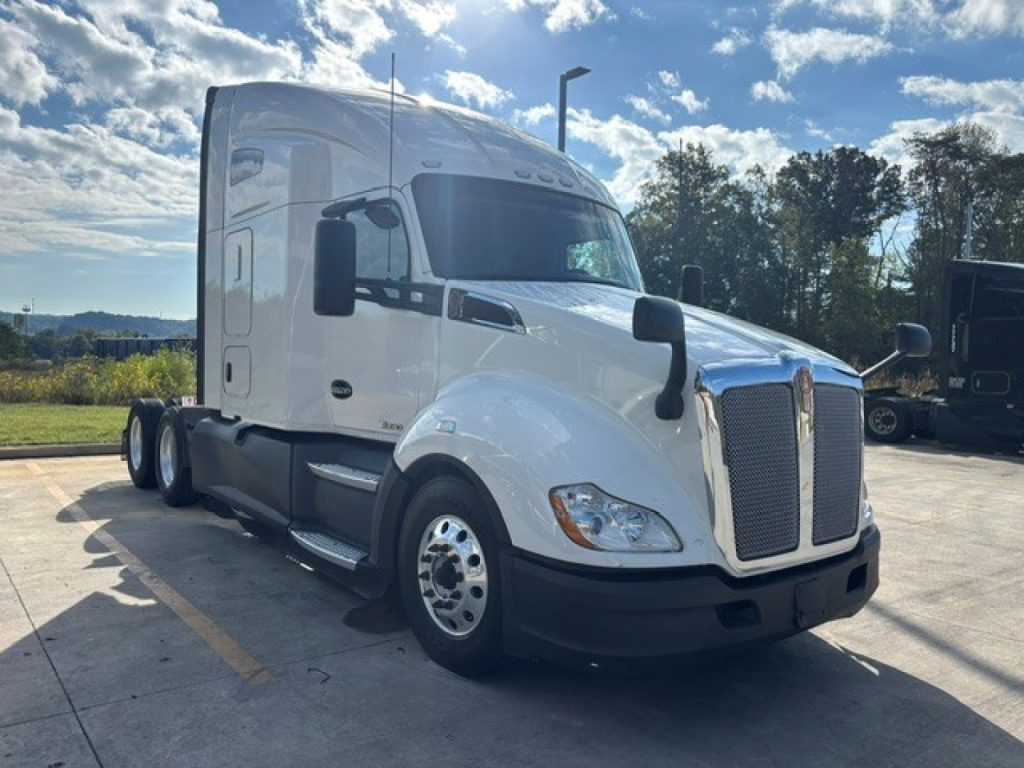
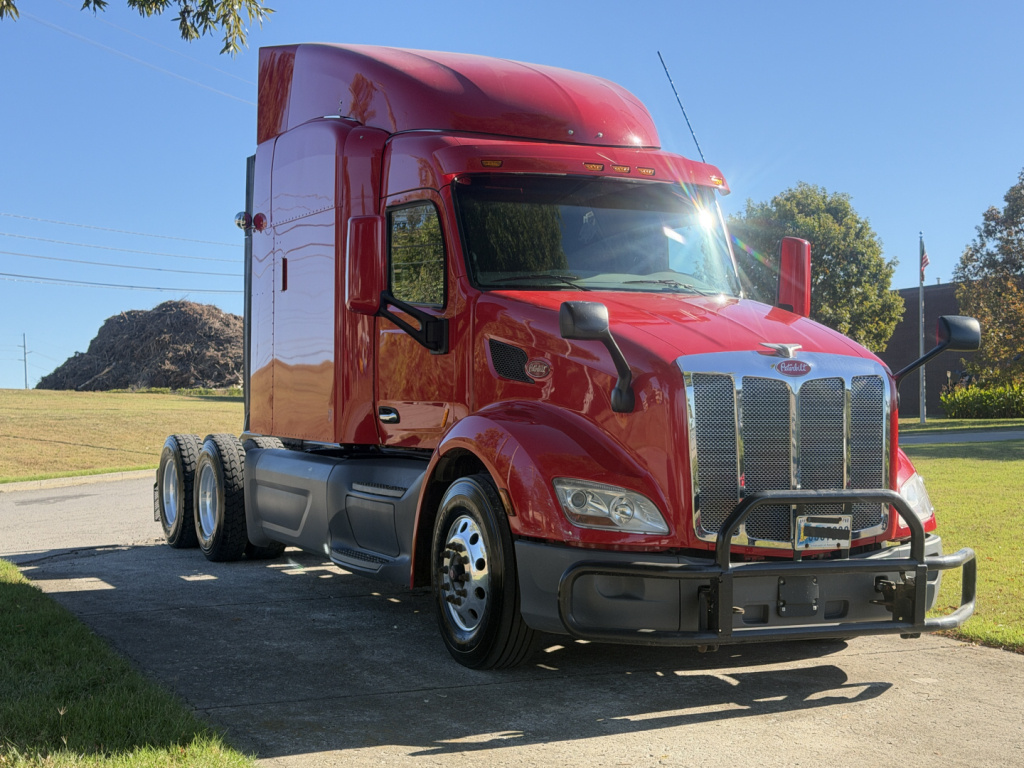
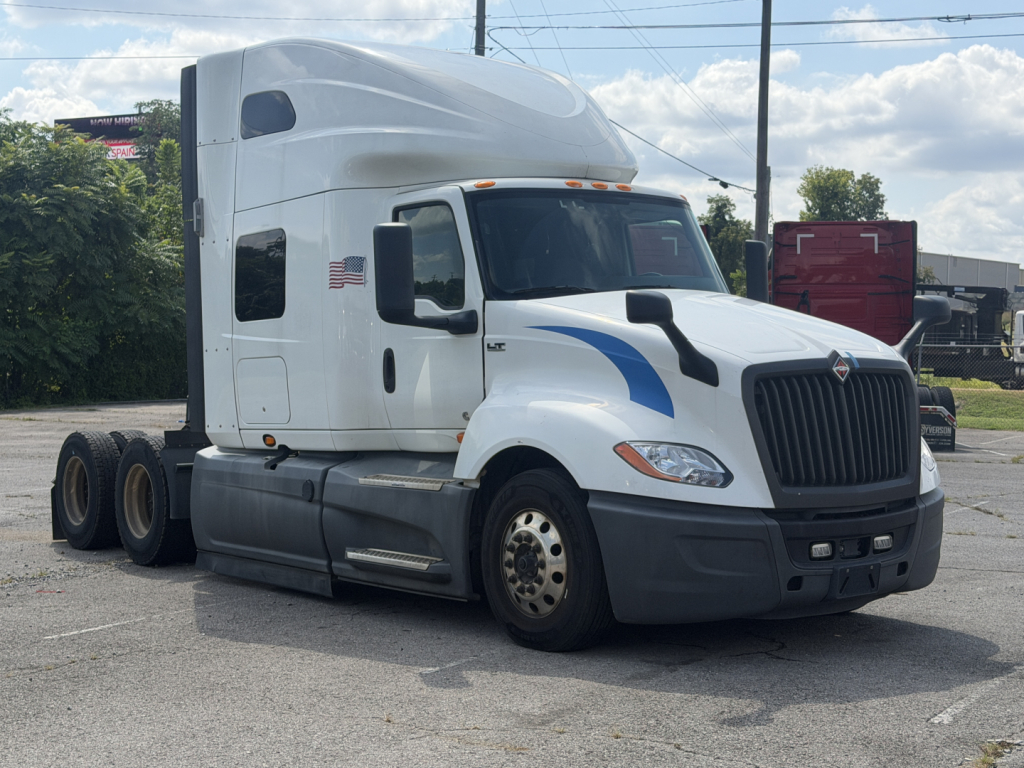
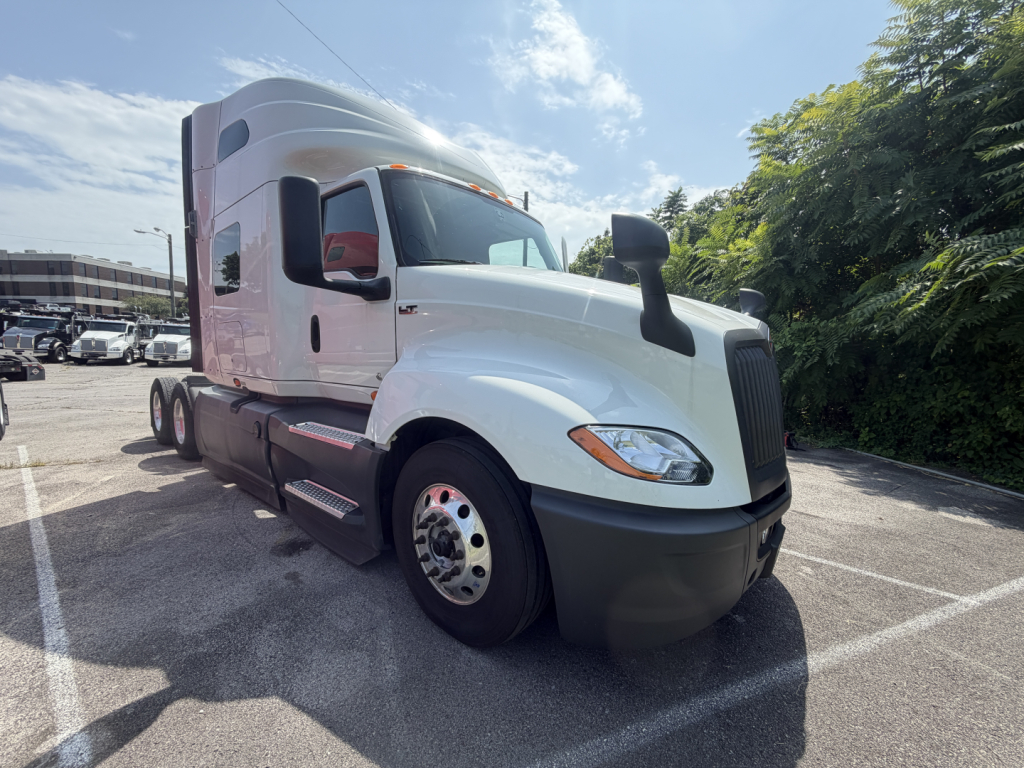

Selling a used 2021 conventional sleeper truck? List your used 2021 conventional sleeper truck for sale and reach thousands of commercial buyers.
Used 2021 Conventional Sleeper Trucks in Tennessee
Across makes, 2021 highway sleepers include Freightliner Cascadia, Volvo VNL, Kenworth T680, Peterbilt 579, International LT, and Mack Anthem model families. Common pairings include the Cascadia with Detroit DD15, VNL with Volvo D13, and Anthem with Mack MP8; Cummins X15 engines are used in T680, 579, and LT configurations. PACCAR MX-13 and International A26 engines also belong in the comparison. Automated manual transmissions are common, but verify the actual gearbox and programming. Engine torque rating, rear gearing, tire size, and top gear matter more together than horsepower alone.
Model year 2021 falls at the start of EPA Phase 2 greenhouse-gas standards for heavy-duty tractors, with diesel particulate filters, SCR, and DEF systems already established. Obtain the engine serial number, ECM mileage and hours, idle percentage, fault history, and maintenance invoices before accepting the odometer reading as the full story. Document DPF cleaning or replacement, DEF system repairs, and repeated derates. A cold start, cooling-system pressure test, oil analysis, and loaded road test help distinguish routine wear from developing engine or aftertreatment trouble.
Tennessee registration does not prove a tractor avoided road salt; interstate fleets may have spent winters across the Snow Belt. Inspect frame rails, crossmembers, battery boxes, air tanks, brake plumbing, and electrical connectors for corrosion. Check fifth-wheel jaw wear, slider operation, suspension bushings, air bags, wheel seals, and steer-tire wear patterns. Common highway ratings of 12,000 pounds on the steer axle and 40,000 pounds on the drive tandem do not establish legal payload. Confirm tractor weight, trailer configuration, axle spacing, and route limits before committing to a freight application.
Sleeper layout and auxiliary equipment affect operating costs as much as bunk length. A single bunk can suit solo regional work, while team operations need usable upper-bunk access and storage; Tennessee summer heat also makes parked cab cooling and APU performance major operating considerations. Test batteries and charging output under load, and inspect mattress supports, door seals, roof seams, HVAC drains, and sleeper mounts for water intrusion, mildew, or movement.
Frequently Asked Questions about Used 2021 Conventional Sleeper Trucks in Tennessee
Should I choose a 2.79 or 3.36 axle ratio for a 2021 sleeper running in Tennessee?
Choose the axle ratio that puts the engine in its recommended cruise RPM range at your normal highway speed. A used 2021 conventional sleeper with 2.79 gearing and direct drive can have similar cruise RPM to a tractor with 3.36 gearing and overdrive. Compare transmission ratios and tire revolutions per mile, then evaluate loaded startability and grade performance rather than judging the axle ratio alone.
Can a sleeper tractor with 40,000-pound drive axles legally carry that much on Tennessee interstates?
A standard tandem axle group is generally limited to 34,000 pounds on Tennessee interstates, even when the drive axles are rated for 40,000 pounds. A conventional sleeper tractor and semitrailer must also comply with the standard 80,000-pound gross limit, applicable single-axle limits, and federal bridge-formula requirements. Equipment ratings establish mechanical capacity, not road legality; permitted movements and specific route restrictions require separate verification.
Is a diesel APU worth having on a used 2021 sleeper in Tennessee?
A working diesel APU can reduce main-engine idling during overnight stops, especially when Tennessee summer temperatures require sustained cooling. On a used 2021 conventional sleeper, compare APU hours and service records separately from tractor mileage. Test compressor operation, electrical output, and coolant connections where fitted. Battery-powered sleeper cooling avoids a separate diesel engine but needs adequate battery capacity and a reliable recharge strategy.
What should I inspect on a 2021 sleeper with collision mitigation?
Radar alignment, camera calibration, and fault-free operation are the primary checks for collision mitigation on a used 2021 conventional sleeper. Bumper replacement, windshield work, suspension changes, or collision repairs can require recalibration under the system manufacturer's procedures. Confirm calibration records and inspect sensor brackets and wiring. A clean dashboard alone does not establish that adaptive cruise control, warnings, and automatic braking operate correctly.