
Used 2020 Conventional Sleeper Trucks For Sale in Pennsylvania
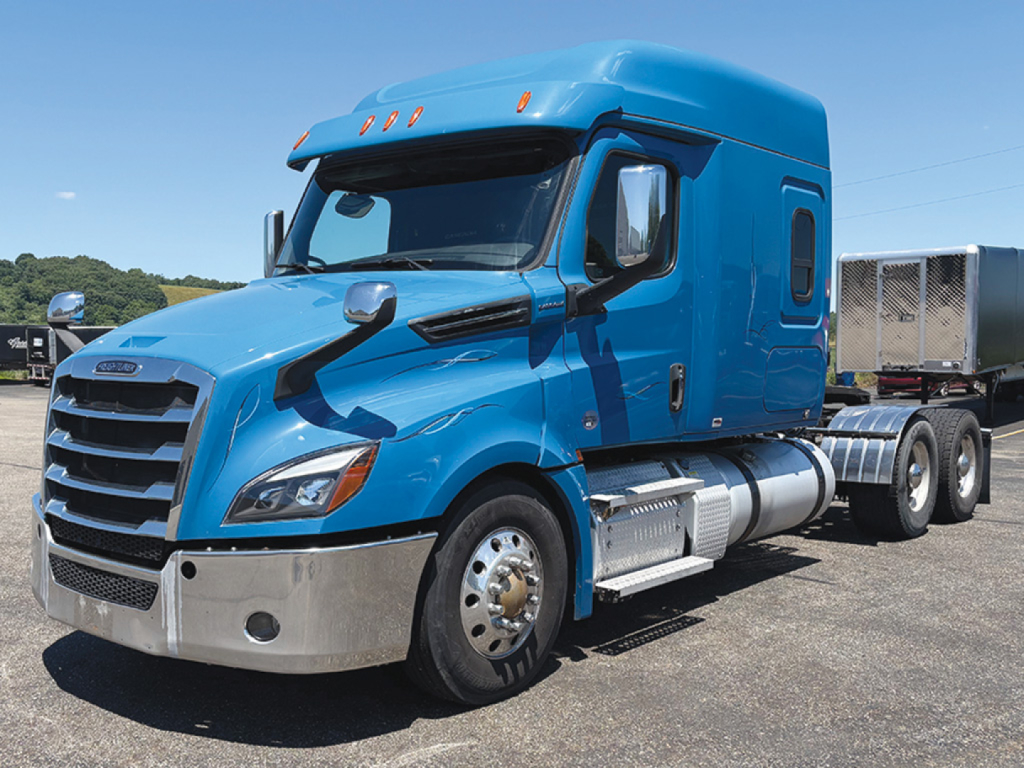
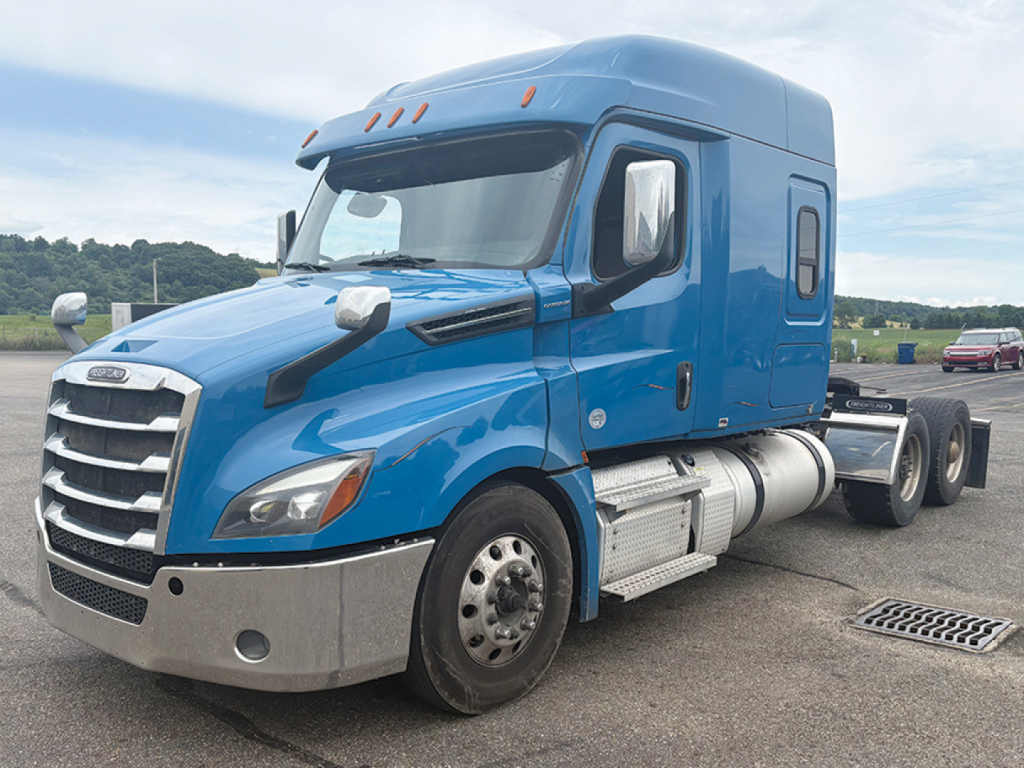
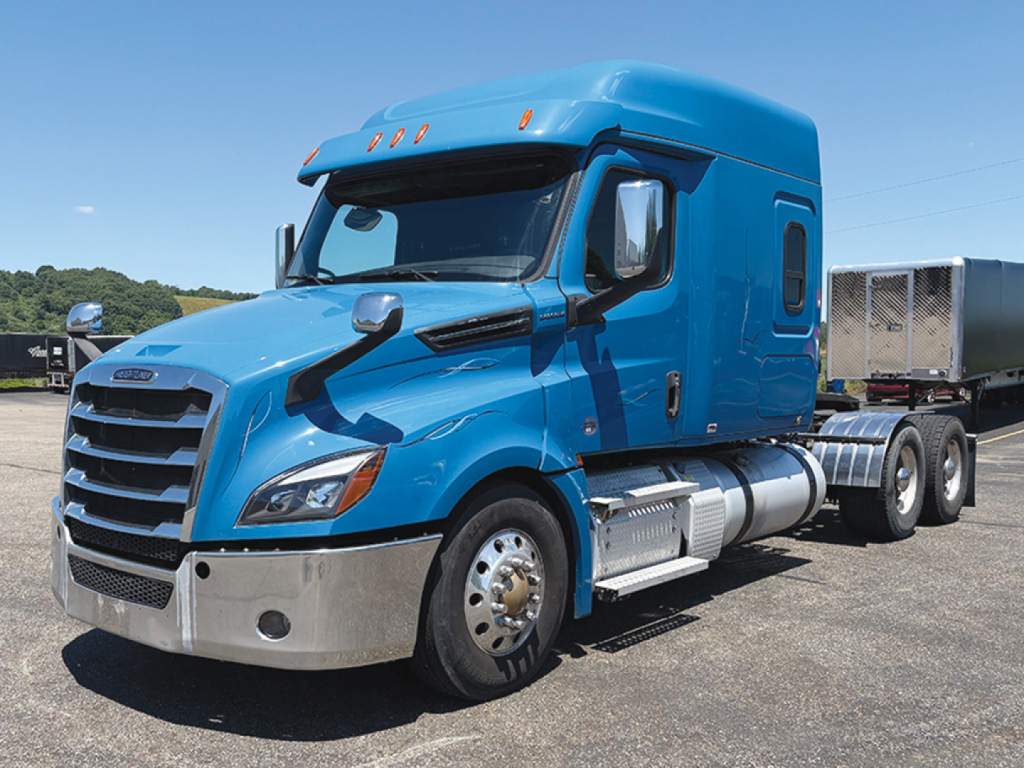

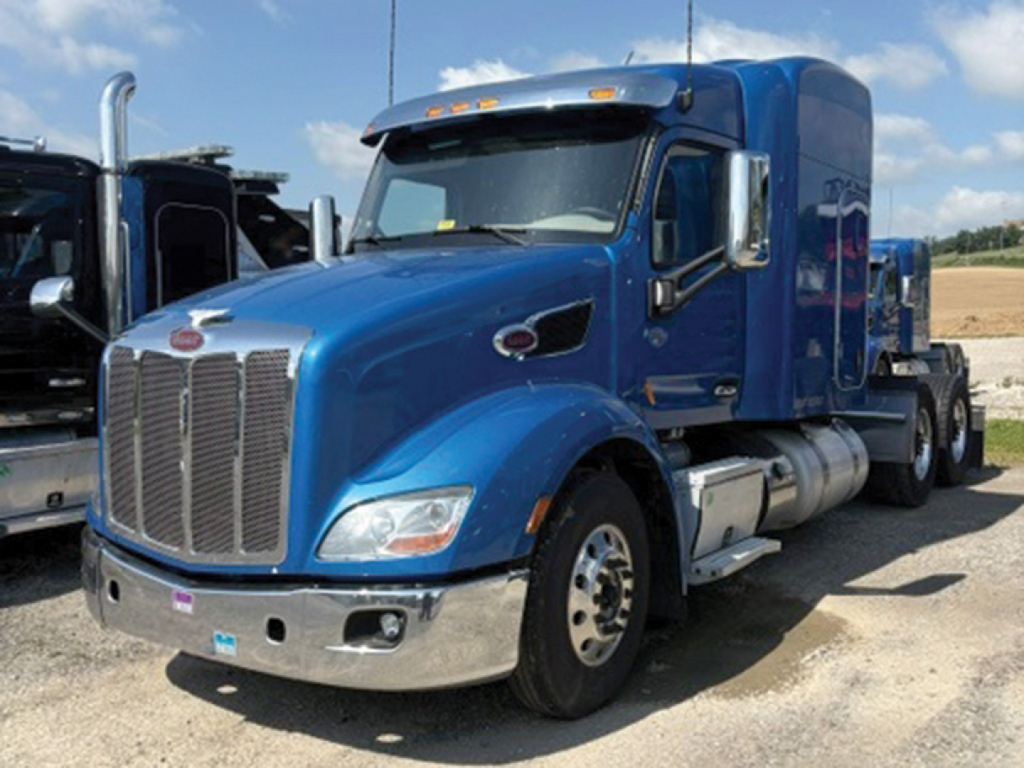
Have used 2020 conventional sleeper truck to sell? List it here to reach thousands of buyers.
Used 2020 Conventional Sleeper Trucks in Pennsylvania
The key buying decisions usually come down to sleeper configuration, drivetrain spec, and how the truck was maintained. Sleeper sizes commonly run from about 60 to 80 inches, with high-roof double-bunk layouts favored for team operations and extended weeks on the road. Rear axle ratings around 40,000 pounds are standard, and buyers should pay attention to axle ratio, tire setup, and wheelbase because those three specs strongly affect fuel economy, maneuverability, and the type of lanes the truck will handle best. A 2.47 or 3.08 ratio typically leans toward fuel-efficient highway use, while deeper ratios can make more sense for heavier freight or hillier routes. In Pennsylvania, that matters because a truck running the Turnpike, Appalachian grades, and mixed Northeast freight can feel very different from the same model spec'd for flatter interstate lanes.
A 2020 sleeper tractor also deserves a close look at emissions and idle-management components. By this model year, most trucks had mature aftertreatment systems, but condition still matters more than model year alone. Service records for the DPF, DEF system, EGR components, turbo, and sensors are worth reviewing alongside fault history and idle hours. Many trucks in this category were ordered with features that directly affect operating cost and driver retention, including bunk heaters, APUs, refrigerators, inverters, air-slide fifth wheels, disc or aluminum wheels, collision mitigation systems, and tire pressure monitoring or inflation systems. Interior wear, seat condition, bunk trim, and HVAC performance can tell you a lot about how the truck was used.
For a buyer sorting through used 2020 conventional sleeper trucks for sale in Pennsylvania, the best value usually comes from matching the spec to the freight instead of chasing badge alone. A truck built for dry van and reefer work may prioritize aerodynamics, lighter weight, and a shorter payoff at the pump, while a tractor intended for heavier contracted freight may need a different ratio, tire package, or suspension setup. Look closely at mileage versus engine hours, confirm transmission calibration and clutch history on automated units, inspect the fifth wheel and frame for prior vocational use, and check for corrosion exposure from winter road treatment common in the region. A well-spec'd 2020 conventional sleeper can still offer strong uptime, driver comfort, and predictable operating costs for fleets and owner-operators alike.
Frequently Asked Questions about Used 2020 Conventional Sleeper Trucks in Pennsylvania
What is a conventional sleeper truck?
A conventional sleeper truck is a highway tractor with the engine mounted in front of the cab and a built-in sleeping compartment behind the driver area. It is the standard over-the-road tractor design used for long-haul and regional freight because it combines aerodynamic performance, service access, and enough living space for overnight or multi-day runs.
What engines and transmissions are common in used 2020 conventional sleeper trucks?
Most used 2020 conventional sleeper trucks are equipped with 12- to 15-liter diesel engines such as the Cummins X15, Detroit DD15, PACCAR MX-13, Volvo D13, or International A26. Horsepower commonly falls between 400 and 500, and many trucks from this year use automated manual transmissions such as the Eaton AutoShift, Detroit DT12, Volvo I-Shift, or PACCAR automated options. Manual transmissions still exist in the market, but they are less common in 2020 highway specs.
What sleeper size should a buyer look for in a 2020 sleeper tractor?
The right sleeper size depends on route length, driver count, and onboard equipment needs. A 60- to 72-inch sleeper is common for solo over-the-road use and gives enough room for a bunk, storage, and basic amenities. Larger 72- to 80-inch high-roof sleepers are often preferred for team drivers or operators who need space for a refrigerator, inverter, microwave, or extra cabinet storage. A bigger sleeper adds comfort but can also affect weight and wheelbase.
What should buyers inspect on a used 2020 conventional sleeper truck in Pennsylvania?
Buyers should inspect service history, fault codes, emissions components, and signs of corrosion from winter road salt exposure. Pay close attention to the DPF and DEF system, engine hours, transmission operation, suspension wear, frame condition, and fifth wheel wear pattern. In Pennsylvania and the broader Northeast, it is also smart to inspect brake components, wheel ends, battery box mounts, and cab steps for rust or corrosion that may not show up in listing photos.
Is a used 2020 conventional sleeper truck a good choice for owner-operators?
A used 2020 conventional sleeper truck can be a very practical owner-operator choice because it often balances newer technology with lower acquisition cost than a current-model tractor. Many 2020 trucks offer aerodynamic cabs, automated transmissions, better safety systems, and more driver-comfort features than older units. The best choice depends on maintenance history, engine and axle spec, and whether the truck's sleeper size and operating costs match the freight lanes you plan to run.