
Used 2018 Conventional Sleeper Trucks For Sale in Georgia
Compare used 2018 conventional sleeper trucks for sale in Georgia by cab generation, emissions history, gearing, and sleeper fit for port or highway work.
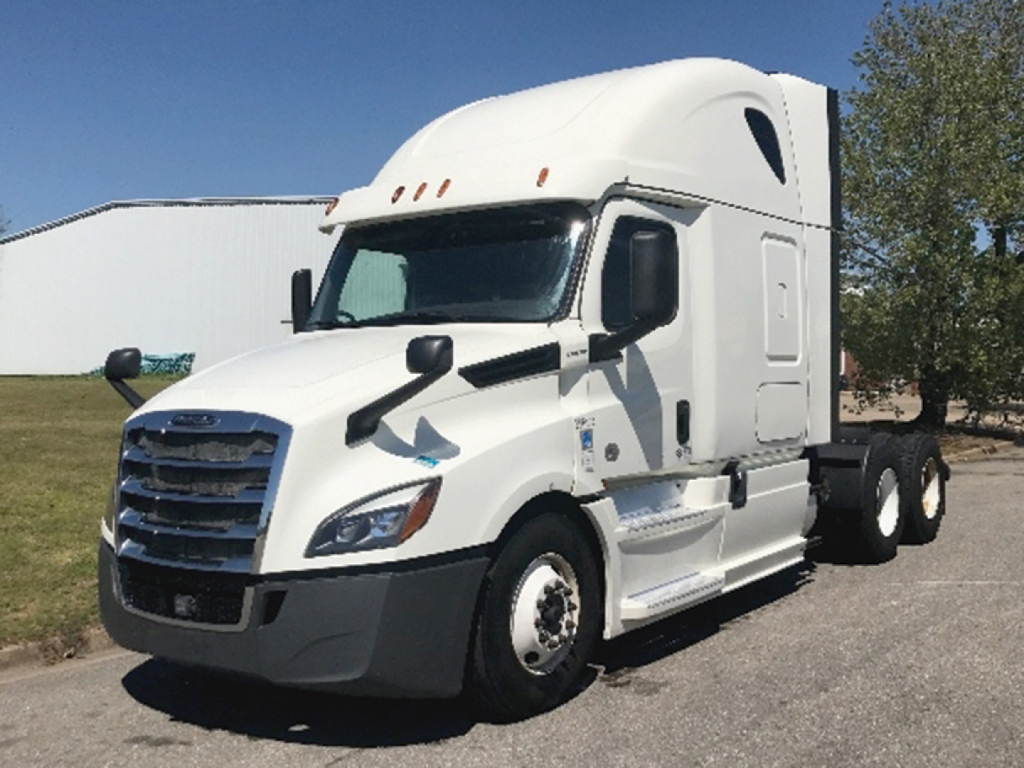
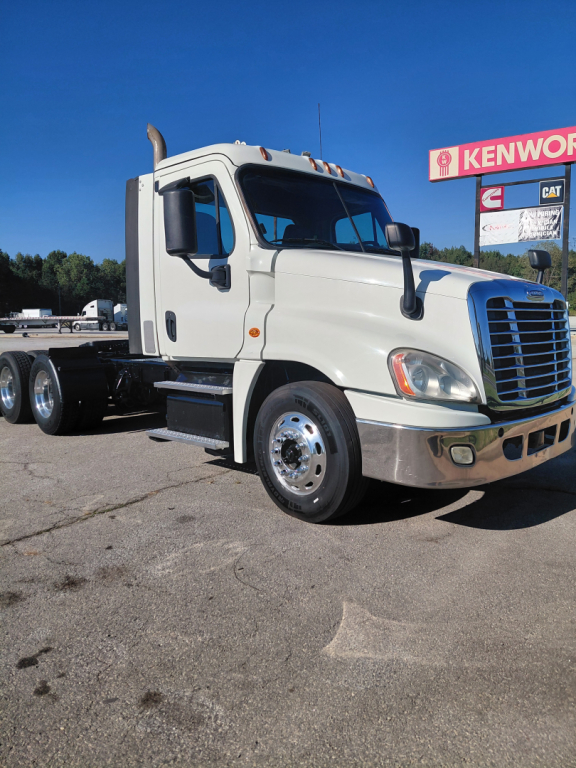

Selling a used 2018 conventional sleeper truck? List your used 2018 conventional sleeper truck for sale and reach thousands of commercial buyers.
Used 2018 Conventional Sleeper Trucks in Georgia
Detroit DD15 engines paired with DT12 automated transmissions are familiar Cascadia combinations, while Kenworth T680 and Peterbilt 579 tractors commonly use PACCAR MX-13 power. Volvo VNL tractors with D13 engines and I-Shift transmissions provide another integrated drivetrain choice. Compare engine rating, transmission gearing, rear axle ratio, and tire size as a package. A highway-oriented drivetrain can suit steady interstate cruising but still need closer evaluation for loaded starts, frequent terminal moves, or north Georgia grades.
The 2018 model year falls in the GHG17 emissions era, making aftertreatment condition a major used-truck inspection priority. Verify the engine's emissions label because chassis and engine model years can differ. Obtain ECM mileage, engine hours, idle hours, fault history, and available regeneration data, then compare those records with maintenance invoices. Ask for documentation of DPF cleaning, DEF-system repairs, cooling-system work, and any engine overhaul. A cleared dashboard does not establish a healthy emissions system, and missing service records justify a more thorough diagnostic inspection.
Georgia heat and humidity make cooling performance, cab air conditioning, sleeper ventilation, and roof sealing practical ownership concerns. Load-test the cooling system and check radiator and charge-air-cooler surfaces for blockage or damage. Coastal service around Savannah and Brunswick warrants inspection of electrical connectors, frame hardware, and exposed brackets for corrosion. A Georgia location does not establish the tractor's operating history, so inspect for northern road-salt damage as well. Evaluate sleeper HVAC and auxiliary equipment under operating conditions, not just with the engine briefly idling.
Sleeper size and fuel capacity affect usable payload as well as driver comfort. A raised-roof sleeper suits tall van trailers and extended stays, while a shorter sleeper and wheelbase may better fit regional assignments with tighter yards. Compare actual tractor weight, axle ratings, fifth-wheel travel, and trailer swing clearance before committing to a configuration. Finish the inspection with brake measurements, tire-wear patterns, suspension bushings, air leaks, and fifth-wheel jaw condition; documented engine work does not eliminate chassis wear.
Frequently Asked Questions about Used 2018 Conventional Sleeper Trucks in Georgia
Is a 2.47 or 3.08 rear axle ratio better on a 2018 sleeper tractor?
A 2.47 ratio needs a compatible transmission and duty cycle; a 3.08 ratio provides more axle torque multiplication with otherwise identical gearing. On a 2018 sleeper tractor, direct-drive versus overdrive top gear can change the comparison substantially. Calculate cruise rpm using transmission ratio and tire revolutions per mile, then check loaded startability for the intended gross weight and grades.
How do I check an automated transmission on a used 2018 sleeper truck?
A loaded road test and transmission diagnostic report are the most useful checks for an automated transmission in a used 2018 sleeper truck. Test forward and reverse engagement, low-speed backing, hill starts, and shifts through the operating range. Request clutch wear measurements where supported, calibration records, and actuator fault history. Automated manual transmissions still have clutches and can require substantial clutch or control-system repairs.
Can a sleeper tractor with 40,000-pound rears legally carry that much on Georgia interstates?
A 40,000-pound tandem rating does not authorize 40,000 pounds on that tandem on Georgia interstates. Standard federal Interstate limits are 34,000 pounds on a tandem, 20,000 pounds on a single axle, and 80,000 pounds gross, subject to bridge-formula limits and applicable exceptions. A sleeper tractor's axle ratings describe equipment capacity; legal loading also requires checking axle spacing, registration, route restrictions, and permit conditions.
Can I use a conventional sleeper tractor for Savannah port container work?
A conventional sleeper tractor can handle Savannah container work if fifth-wheel height, chassis clearance, axle loading, and terminal requirements match the operation. Check trailer swing clearance and maneuverability with the intended container chassis, especially with a longer sleeper wheelbase. Drivers needing unescorted access to secure maritime areas generally need a TWIC, while terminal-specific registration and motor-carrier requirements must also be satisfied.
Is an APU worth having on a used 2018 sleeper truck in Georgia?
A working APU can reduce main-engine idling during sleeper stops, but the auxiliary system needs its own service budget. For a used 2018 sleeper truck operating in Georgia, test bunk cooling during hot conditions rather than assuming the APU's presence guarantees adequate comfort. Diesel APUs need engine maintenance, while battery HVAC systems require battery-capacity testing and verification that charging performance supports the planned rest period.