
Used 2002 Conventional Sleeper Trucks For Sale in North Carolina
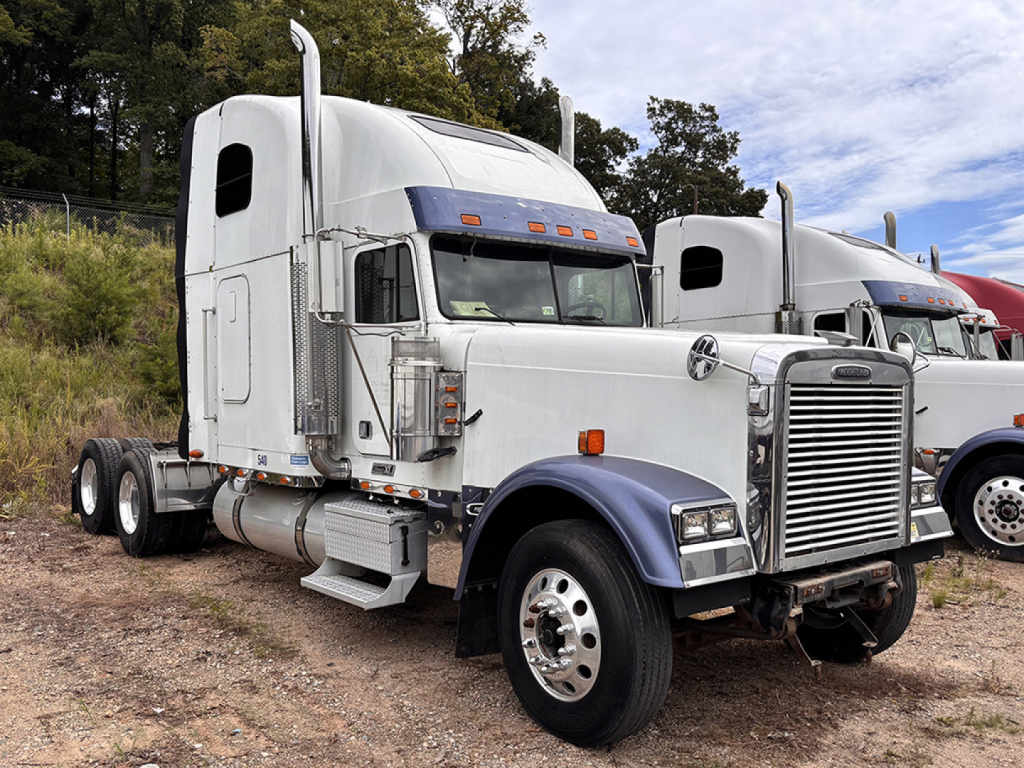

Have used 2002 conventional sleeper truck to sell? List it here to reach thousands of buyers.
Used 2002 Conventional Sleeper Trucks in North Carolina
The most important decision on a 2002 conventional sleeper is the drivetrain. Common engines from this era include Detroit Series 60, Caterpillar C12 or C15, Cummins N14 or ISX, and Mercedes-Benz offerings in some makes. Horsepower often falls in the 370 to 500 HP range, with torque and rear axle ratio doing just as much to define how the truck performs under load. Many 2002 sleepers were spec'd with 10-speed, 13-speed, or 18-speed manual transmissions, though some automated and automatic options exist. A buyer should also compare wheelbase, suspension type, and fifth wheel setup, especially if the truck will be switching between van, reefer, hopper, or flatbed service.
Sleeper size and cab layout matter more than many first-time buyers expect. A 2002 conventional sleeper may have a flat-top, mid-roof, or raised-roof configuration, usually with a 48-inch to 72-inch sleeper. Larger sleepers improve driver comfort and storage but add weight and can affect maneuverability. Interior condition is important on an older truck because seat wear, HVAC performance, bunk hardware, gauges, window regulators, and dash components can become recurring repair items. On the chassis side, pay close attention to frame condition, crossmembers, air ride components, steering play, brake type, tire wear pattern, and signs of corrosion if the truck has spent time in harsher climates.
For many buyers, the appeal of a 2002 conventional sleeper truck is mechanical simplicity. These trucks are often easier to diagnose without the complexity of later emissions systems, but age and maintenance history matter more than the badge on the hood. Service records, engine rebuild history, clutch work, rear end ratio, kingpin setting, and evidence of proper greasing and suspension upkeep can tell you more than paint or chrome. A well-spec'd 2002 sleeper can still be a practical Class 8 tractor for hauling freight if the truck has been maintained correctly and matched to the intended route, trailer type, and gross weight.
Frequently Asked Questions about Used 2002 Conventional Sleeper Trucks in North Carolina
What engines are commonly found in a used 2002 conventional sleeper truck?
Used 2002 conventional sleeper trucks commonly carry pre-emissions engines such as the Detroit Series 60, Caterpillar C12 or C15, Cummins N14 or early ISX, and some Mercedes-Benz diesel platforms depending on the make. These engines are popular because parts availability is still strong in many markets and many technicians are familiar with them. The right choice depends on your hauling weight, preferred service network, and whether you want a fuel-focused fleet spec or a heavier vocational and long-haul setup.
Is a 2002 conventional sleeper truck a good fit for over-the-road work?
A 2002 conventional sleeper truck can still be a good over-the-road truck if it has the right sleeper size, gearing, and maintenance history. Many were built with tandem axles, manual transmissions, and engine ratings suitable for van, reefer, and flatbed freight. The key is to verify that the cab and bunk are still comfortable and functional, the drivetrain matches your operating speed and terrain, and the truck has enough remaining life in major components such as the engine, transmission, suspension, and rear ends.
What should I inspect first on a used 2002 sleeper tractor?
Start with the engine, transmission, and rear axle condition, then move to the frame, suspension, brakes, and cab systems. On a truck of this age, oil leaks, blow-by, cooling system condition, clutch wear, driveline vibration, steering looseness, air leaks, and uneven tire wear are high-priority items. You should also inspect the sleeper equipment, HVAC, electrical accessories, and signs of prior accident repair. A thorough pre-purchase inspection and fluid analysis can help identify expensive issues before you commit.
Are 2002 conventional sleeper trucks easier to maintain than newer models?
In many cases, yes. A 2002 conventional sleeper truck is often simpler than later trucks because it predates the more complex emissions systems found on newer Class 8 tractors. That can mean easier troubleshooting and fewer emissions-related components to service. However, simplicity does not erase age-related wear. Rubber components, wiring, seals, suspension parts, and interior systems may all need attention, so maintenance costs depend heavily on prior care and current condition.
What sleeper size is typical on a 2002 conventional sleeper?
Typical sleeper sizes on a 2002 conventional sleeper range from about 48 inches to 72 inches, with flat-top, mid-roof, and raised-roof configurations all seen in the market. Smaller sleepers can work well for regional runs and keep wheelbase shorter, while larger raised-roof sleepers give better storage and living space for longer trips. The best choice depends on how many nights the driver will spend in the truck, payload sensitivity, and how important maneuverability is in your operation.