
Used 2002 Conventional Sleeper Trucks For Sale
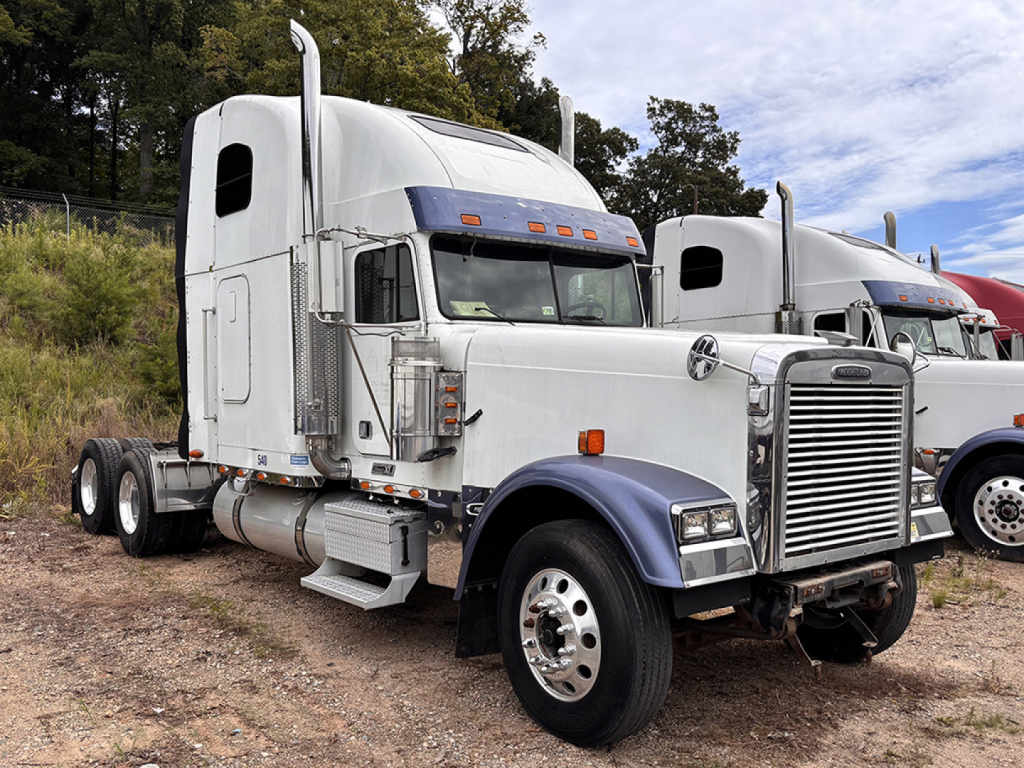

Have used 2002 conventional sleeper truck to sell? List it here to reach thousands of buyers.
Used 2002 Conventional Sleeper Trucks
For a 2002 conventional sleeper, the big buying decisions are engine family, transmission type, wheelbase, and sleeper size. Many trucks from this era were spec'd with Caterpillar C12 or C15, Cummins N14 or early ISX, Detroit Series 60, and some Mack or Volvo proprietary engines depending on make. Manual 10-speed, 13-speed, and 18-speed transmissions are common, and rear axle ratios vary widely based on whether the truck was built for fuel economy, heavy haul, or mixed terrain. Sleeper configurations often range from mid-roof and condo-style layouts to more basic flat-top sleepers, so bunk space, cabinet arrangement, and overall cab condition matter if the truck will still see over-the-road service. Wheelbase and fifth wheel setup also deserve attention because kingpin settings, bridge law needs, and trailer type all affect how usable the truck will be in your operation.
Condition matters more than age alone on a 2002 sleeper tractor. Buyers should look closely at overhaul history, blow-by, oil and coolant condition, transmission performance, clutch wear, suspension bushing condition, frame corrosion, air system leaks, and signs of electrical patchwork in the dash or sleeper. Interior wear can tell you a lot about how the truck was used, especially on long-haul units with high engine hours. It is also worth checking the condition of the bunk HVAC, APU wiring if equipped, fuel tanks, fairings, and sleeper seals. On older conventional sleepers, maintenance records and evidence of consistent care often separate a dependable work truck from a project.
A 2002 conventional sleeper truck can still be a practical choice for the right application, especially where buyers want a lower acquisition cost, straightforward serviceability, and a traditional highway tractor layout. The best fit is usually determined by lane length, loaded weight, cab comfort expectations, and parts support in your region. A truck spec'd for 70 mph dry van freight is very different from one built for livestock, end-dump, or mountain pulling, even if both are conventional sleepers. Looking at horsepower, torque, suspension rating, tire size, and sleeper amenity level together will give you a clearer picture than focusing on mileage alone.
Frequently Asked Questions about Used 2002 Conventional Sleeper Trucks
What should I look for first on a used 2002 conventional sleeper truck?
Start with the powertrain and maintenance history. Engine family, rebuild records, transmission condition, clutch life, differential noise, and evidence of regular service are more important than cosmetic appearance. On a 2002 model, you should also inspect the air system, frame, suspension, wiring, and sleeper components because age-related wear often shows up in hoses, bushings, seals, and electrical repairs before it shows up anywhere else.
Are 2002 conventional sleeper trucks good for over-the-road hauling?
They can be, but the answer depends on the truck's exact spec and current condition. Many 2002 sleeper tractors were originally built for long-haul freight and still offer good bunk space, durable drivetrains, and straightforward mechanical serviceability. Buyers should match sleeper size, fuel capacity, gearing, and ride quality to the length of haul and the type of trailer being pulled, since an older regional spec truck will not perform the same as a dedicated OTR setup.
What engines are common in a 2002 conventional sleeper tractor?
Common engines in this model year include the Detroit Series 60, Caterpillar C12 and C15, Cummins N14, and early Cummins ISX platforms, along with some make-specific Mack and Volvo engines. Each has a different reputation for fuel economy, service access, parts availability, and rebuild cost. The best choice usually comes down to your mechanic support, your operating weight, and how easy it is to source parts in the areas where the truck will run.
Is mileage the most important factor on a used 2002 sleeper truck?
No. Mileage matters, but on an older highway tractor, total condition and documented repairs usually matter more. A higher-mile truck with an inframe overhaul, strong maintenance records, solid driveline components, and a clean chassis can be a better buy than a lower-mile truck with neglected service, corrosion, air leaks, or major interior and sleeper deterioration.
Why do buyers still consider older conventional sleeper trucks?
Many buyers still like them because they can offer a lower entry cost, proven mechanical layouts, and less complexity than newer emissions-era tractors. They also remain popular with owner-operators who prefer manual transmissions, long-hood styling, and easier field serviceability. The key is buying the right spec for the job and confirming that the truck's remaining life matches the investment needed to put it to work.