
Used 2002 Freightliner Conventional Sleeper Trucks For Sale in North Carolina
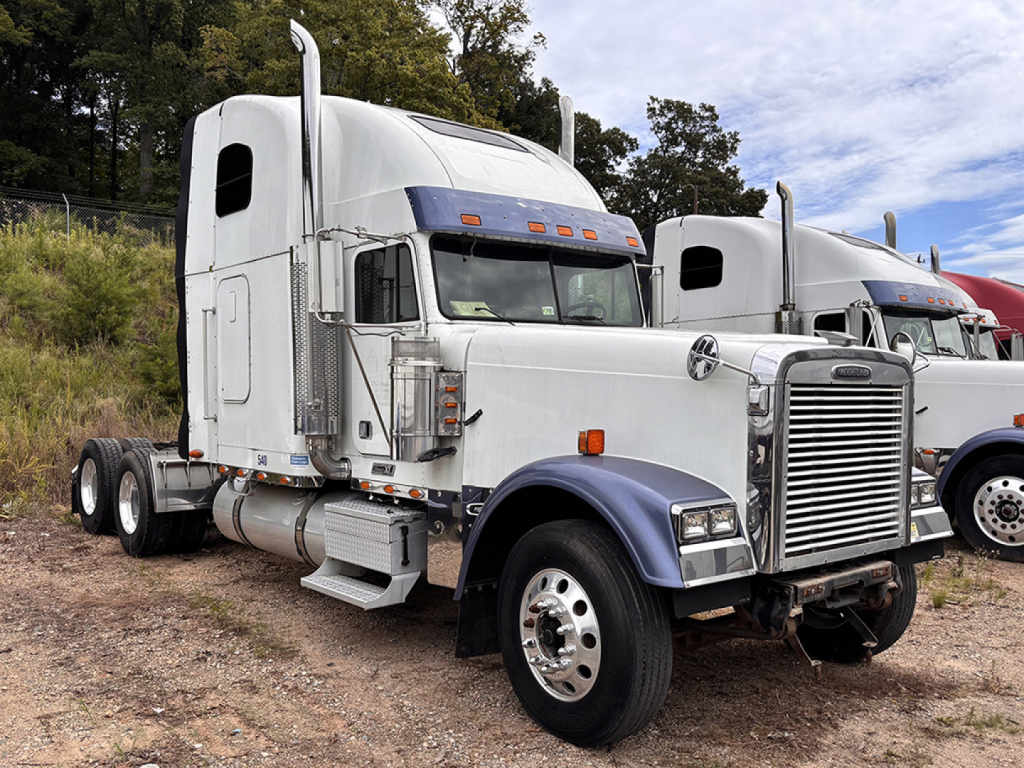

Have used 2002 freightliner conventional sleeper truck to sell? List it here to reach thousands of buyers.
Used 2002 Freightliner Conventional Sleeper Trucks in North Carolina
The most important buying decisions on a 2002 Freightliner sleeper usually come down to powertrain, wheelbase, and rear axle ratio. Trucks from this era commonly carry Detroit Diesel, Caterpillar, or Cummins engines, often paired with 10-speed or 13-speed manual transmissions, though some were spec'd with automated or automatic options. Horsepower ratings frequently land in the 400 to 500 HP range depending on application. For fuel mileage and cruise speed, rear ratios matter as much as engine make. A taller ratio can favor highway efficiency, while a deeper ratio can help with heavier gross weights or hill work. Wheelbase also affects trailer gap, ride quality, and turning radius, so it should match the type of freight and trailer length you plan to run.
Cab and sleeper spec matters more than many buyers expect on an older truck. Raised-roof sleepers in the 60-inch to 70-inch class are common and usually offer a better fit for teams, extended trips, or drivers who spend multiple nights out. Look closely at HVAC performance, bunk condition, storage layout, and seal condition around the sleeper and fairings. On a used 2002 Freightliner, interior wear can tell you a lot about how the truck was treated. It is also smart to inspect the fifth wheel operation, frame condition, suspension bushings, airbags, steering components, and signs of corrosion, especially for trucks that have spent time in mixed climates or heavy seasonal service.
For North Carolina buyers, application should guide the spec. A truck running mostly I-40, I-85, and port-related freight may want different gearing and wheelbase than one pulling general dry van or reefer over longer Southeast lanes. Freightliner remains a practical choice in this class because service knowledge is widespread and replacement parts are generally easier to source than with some lower-volume brands. The best used 2002 Freightliner conventional sleeper truck is not just the one with the right price. It is the one with a documented engine and driveline history, a sleeper size that fits the route, and a spec that matches your freight, maintenance plan, and operating speed.
Frequently Asked Questions about Used 2002 Freightliner Conventional Sleeper Trucks in North Carolina
What should I check first on a used 2002 Freightliner conventional sleeper truck?
Start with the engine, transmission, rear axles, and maintenance records. On a 2002 model, condition matters more than age alone. Look for blow-by, cooling system issues, oil or coolant contamination, clutch wear, driveline vibration, suspension wear, and frame corrosion. A full inspection should also include brakes, tires, fifth wheel condition, HVAC operation, and sleeper integrity because these items can quickly affect total cost of ownership.
Which engines are common in a 2002 Freightliner sleeper tractor?
Many 2002 Freightliner conventional sleepers were spec'd with Detroit Diesel, Caterpillar, or Cummins engines. The exact engine depends on the original fleet or owner-operator order. Each has different service considerations, but all three are well-known in the heavy-duty market. Buyers should verify engine model, horsepower rating, emissions configuration for that year, and rebuild or overhaul history before comparing trucks.
Is a 2002 Freightliner conventional sleeper good for long-haul work?
It can be, provided the truck has been maintained properly and the sleeper size matches the route. Conventional sleepers from this era were built for over-the-road service, and many still work in regional and long-haul applications. Ride quality, gearing, bunk space, fuel capacity, and parts support make a bigger difference than the model year by itself. A sound pre-purchase inspection is essential before putting an older sleeper back into daily highway use.
What sleeper size is best on an older Freightliner conventional?
The best sleeper size depends on how many nights the truck stays out and whether it is a solo or team operation. Mid-roof and raised-roof sleepers around 60 to 70 inches are common choices for over-the-road work because they provide more room for bunk use and storage. A smaller sleeper can reduce weight and sometimes improve maneuverability, but it may be less practical for drivers on extended runs.
Why do rear axle ratio and wheelbase matter on a conventional sleeper truck?
Rear axle ratio affects launch, gradeability, cruise RPM, and fuel economy, while wheelbase influences ride, turning radius, and trailer spacing. A highway truck with a tall rear ratio may run more efficiently at road speed, but a heavier application may need lower gearing for pulling power. Wheelbase must also fit the trailer and route. A poor match in either area can hurt operating cost, drivability, and resale appeal.