
Used Peterbilt Conventional Sleeper Trucks For Sale in Tennessee
Shop used Peterbilt conventional sleeper trucks in Tennessee. Compare 579-style specs, sleeper sizes, powertrains, wheelbases, and road-ready options.
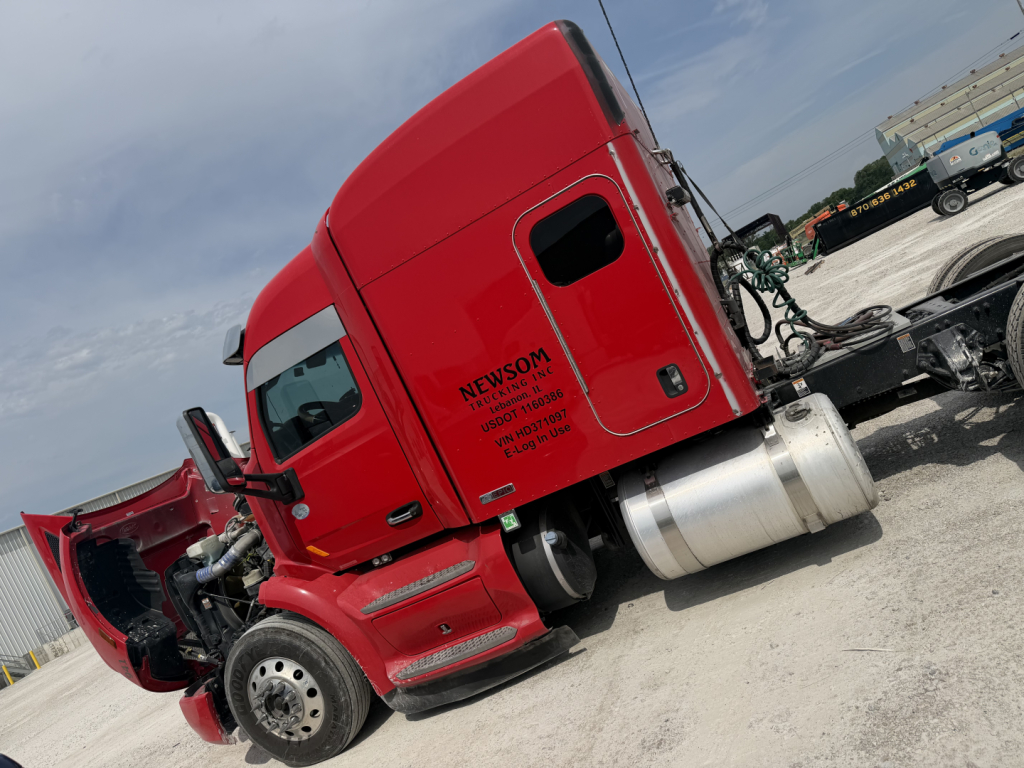
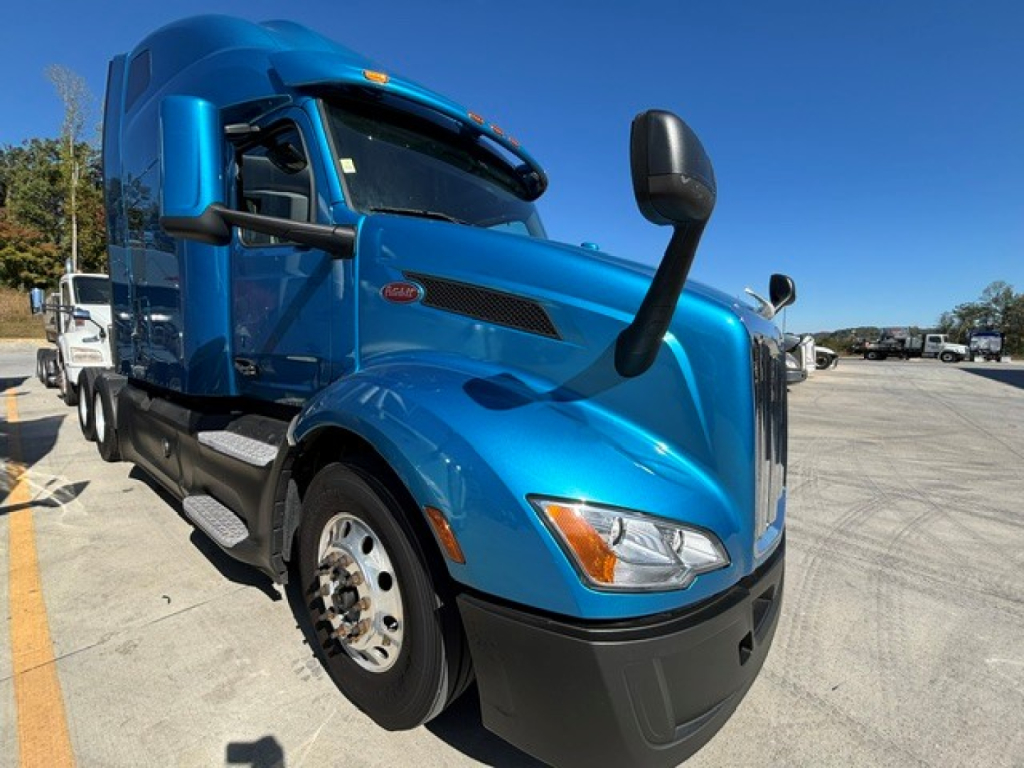
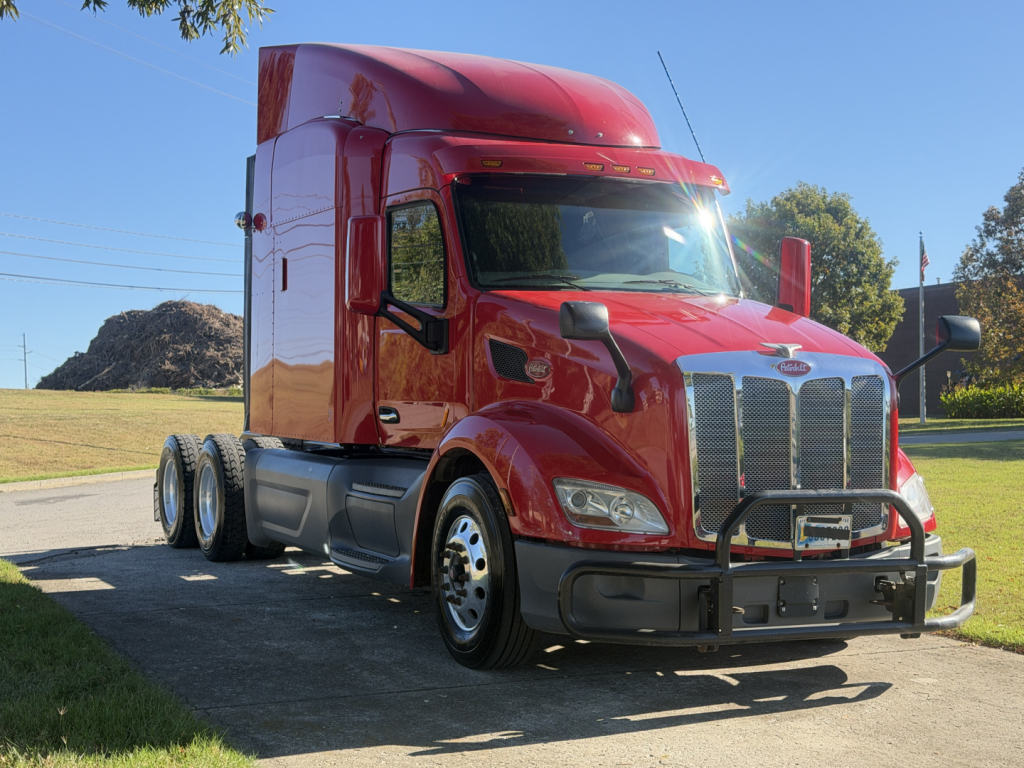
Selling a used peterbilt conventional sleeper truck? List your used peterbilt conventional sleeper truck for sale and reach thousands of commercial buyers.
Used Peterbilt Conventional Sleeper Trucks in Tennessee
The biggest buying decisions usually start with engine, transmission, and axle setup. Many used Peterbilt sleepers in this class are spec'd with PACCAR MX engines, though Cummins power can also appear depending on year and original application. Buyers should confirm horsepower and torque ratings, emissions system history, and whether the truck has been deleted, since that can affect compliance, resale, and financing. Automated manual and full automatic transmissions are common in newer highway tractors, while some older units may still carry manual gearboxes. Pay attention to rear axle ratios, wheelbase, and whether the truck is a standard tandem or a specialty setup, since these details change payload flexibility, ride quality, and maneuverability.
Sleeper configuration is just as important as the drivetrain. Conventional sleeper trucks are built for linehaul work, but there is a wide range in bunk size, storage, cabinet layout, and upper bunk design. Buyers comparing used Peterbilt sleepers should look closely at HVAC performance, APU or idle-reduction equipment, inverter setup, and signs of wear in the bunk area. On the chassis side, check suspension type, frame condition, fifth wheel wear, tire matching, brake life, and alignment history. If the truck has recent replacements for tires, batteries, or brakes, that can help near-term operating cost, but a full inspection still matters, especially on higher-mileage units.
Peterbilt conventional sleepers tend to hold appeal because they balance fleet practicality with strong driver acceptance. They are also known as sleeper cab semi trucks or sleeper tractors, and they are designed to pull van, reefer, flatbed, and other common trailer types in highway service. For a used truck, service records, engine hours, fault codes, aftertreatment condition, and evidence of consistent maintenance are often more important than model year alone. A well-spec'd Peterbilt sleeper with the right cab, powertrain, and axle combination can fit regional freight, dedicated contract work, or full over-the-road applications across Tennessee and beyond.
Frequently Asked Questions about Used Peterbilt Conventional Sleeper Trucks in Tennessee
What should I look for first on a used Peterbilt conventional sleeper truck?
Start with the powertrain and maintenance history. Confirm the engine make, horsepower, torque rating, transmission type, axle ratio, and emissions system status. Service records, fault-code scans, engine hours, and aftertreatment repairs often tell more about long-term value than the model year by itself. After that, inspect the sleeper condition, suspension, frame rails, tires, brakes, and fifth wheel for signs of hard use or deferred maintenance.
Are Peterbilt 579 sleeper trucks good for long-haul work?
Yes. The Peterbilt 579 is one of the best-known conventional sleeper truck models for highway service because it combines aerodynamic design, a comfortable cab, and common fleet spec options. It is widely used in over-the-road and regional applications, and buyers can usually find a range of sleeper sizes, engine ratings, and transmission configurations. The key is matching the specific truck's spec to the lanes, trailer type, and gross weights it will actually run.
How important is emissions system history on a used sleeper truck?
It is critical. EGR, DPF, and SCR components can be expensive, and repeated emissions faults can create downtime that hurts operating cost. Buyers should ask for repair history, check for active or stored fault codes, and verify whether the truck remains emissions compliant. A truck that has been deleted may seem attractive on price, but it can create registration, financing, warranty, and resale issues depending on where and how it will be operated.
What sleeper size is best for a used conventional sleeper truck?
That depends on the job. A smaller sleeper can work well for regional runs with occasional overnights, while a larger bunk is better for over-the-road work, team driving, or drivers spending multiple nights out. Storage layout, mattress space, cabinet design, and idle-management equipment matter as much as the published sleeper length. Buyers should evaluate how the bunk setup supports actual driver needs, not just compare dimensions on paper.
Do axle and wheelbase specs matter on a highway sleeper tractor?
Yes. Wheelbase, tandem position, and axle ratio directly affect turning radius, ride quality, weight distribution, and how the truck handles different trailers. A highway tractor spec'd for van freight may differ from one intended for heavier reefer or flatbed work. Buyers should also confirm kingpin setting compatibility, fifth wheel placement, and suspension type so the truck matches bridge laws, lane requirements, and loading patterns in its intended operation.