
Used 2022 Peterbilt Conventional Sleeper Trucks For Sale in Oklahoma
Shop used 2022 Peterbilt conventional sleeper trucks in Oklahoma. Compare 579 and 389 specs, sleeper sizes, drivetrains, and fleet-ready options.
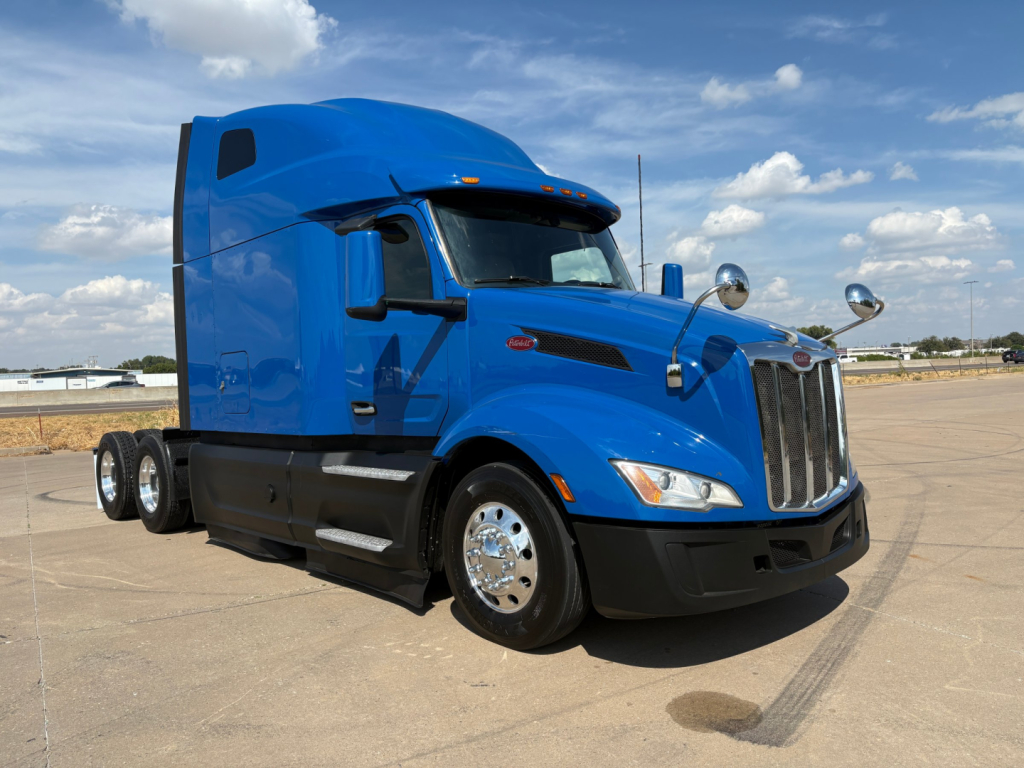
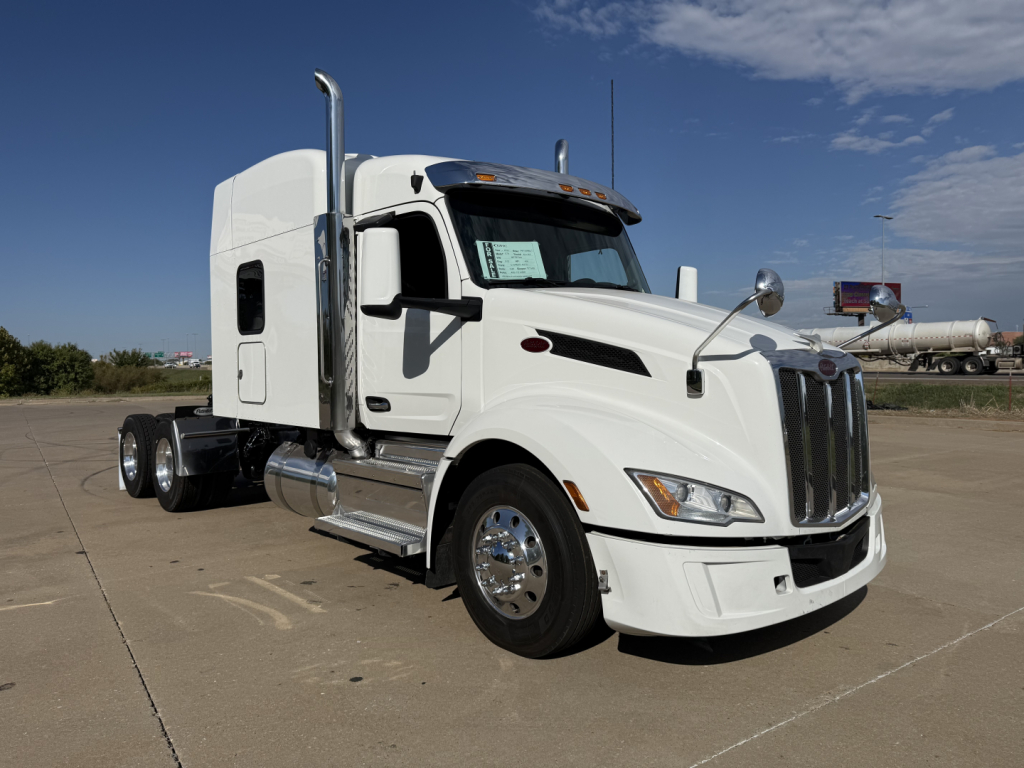
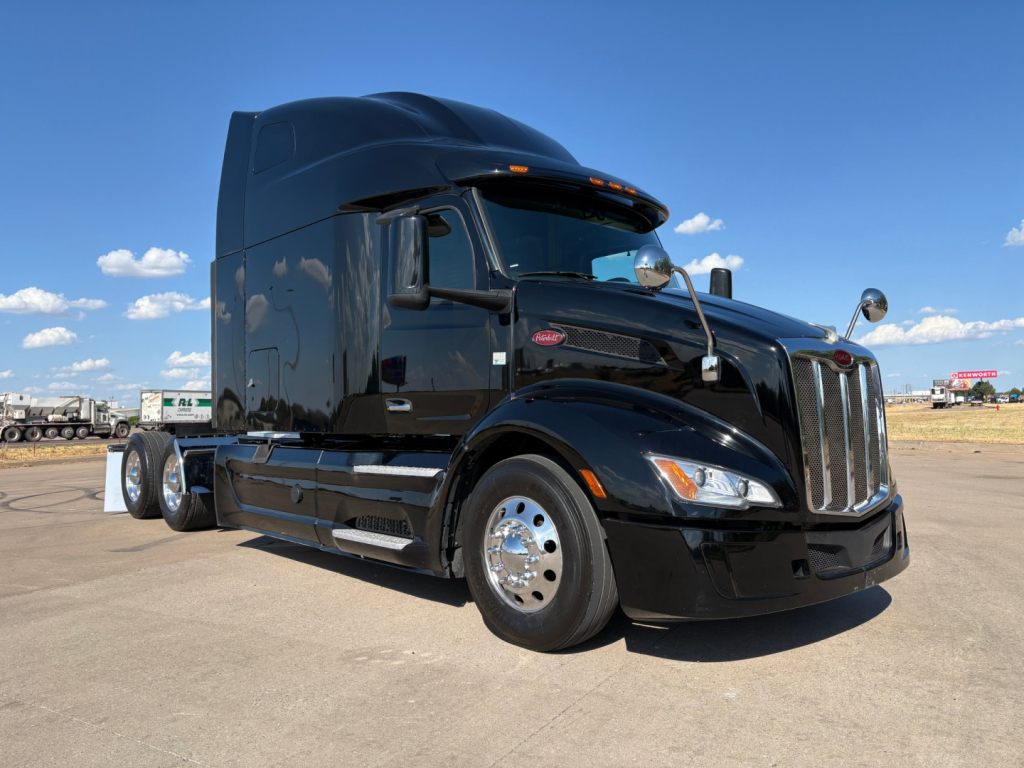
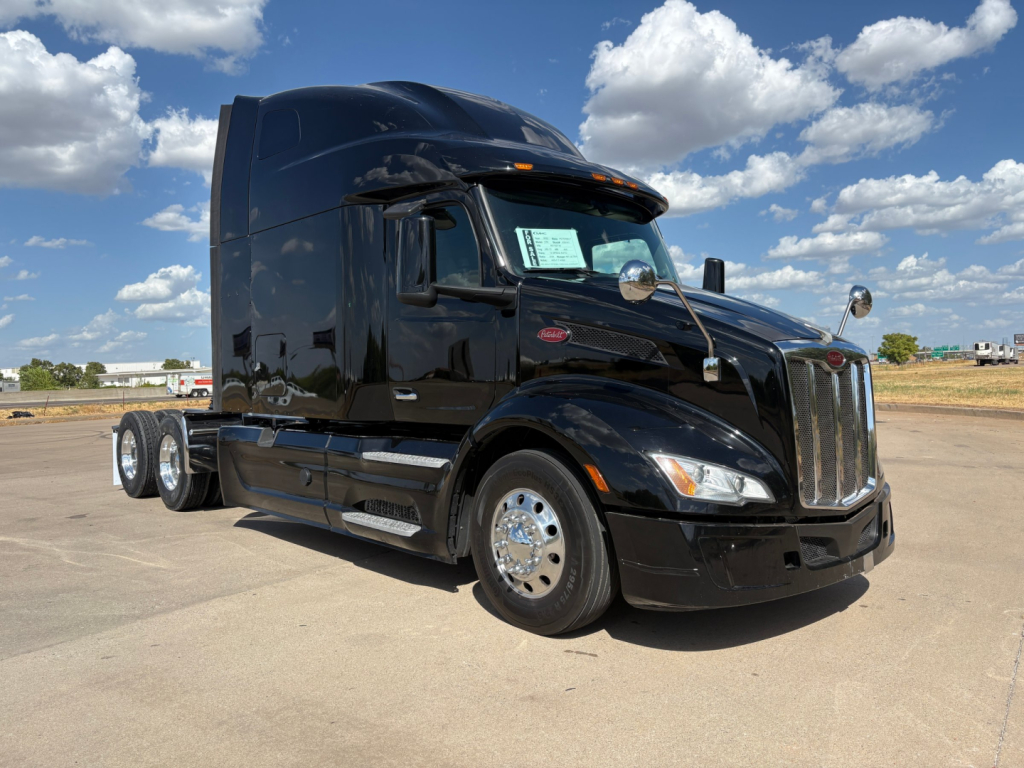

Selling a used 2022 peterbilt conventional sleeper truck? List your used 2022 peterbilt conventional sleeper truck for sale and reach thousands of commercial buyers.
Used 2022 Peterbilt Conventional Sleeper Trucks in Oklahoma
A 2022 Peterbilt 579 sleeper is commonly spec'd with a Cummins X15 and an automated manual transmission such as the Eaton Endurant. Typical highway setups include a 12,000 lb front axle, 40,000 lb tandem rears, air ride suspension, tall overdrive gearing in the 2.64 range, and larger sleepers like the 80-inch UltraLoft. That combination is aimed at regional and over-the-road freight where fuel mileage, low driver fatigue, and easy onboarding are priorities. Buyers should pay close attention to horsepower and torque ratings, emissions history, aftertreatment service records, transmission calibration updates, and wheelbase versus trailer application. A 232-inch wheelbase with dual 100-gallon tanks is common in linehaul service, but axle placement and kingpin setting still need to match the trailer mix.
A 2022 Peterbilt 389 sleeper is a different tool. These trucks are often ordered with higher horsepower X15 ratings, manual transmissions such as an 18-speed, heavier front axle specs, and appearance or comfort upgrades that matter to owner-operators. Sleeper sizes can vary from mid-roof to flat top, and many are built for livestock, car haul, heavy flatbed, or other specialized work where gearing, frame layout, and accessory package are tailored to the job. When reviewing a used 389, inspect not just the drivetrain but also any vocational clues in the spec sheet, including front axle rating, rear ratio, wheelbase, PTO provisions, headache rack history, APU installation, and tire size. A truck set up for show-quality highway use will evaluate differently than one built to pull heavier or more irregular loads.
For a used 2022 Peterbilt sleeper in Oklahoma, the smart buying process starts with service documentation and spec alignment. Mileage in the mid-400,000 range is not unusual for a 2022 over-the-road unit, so engine overhead history, DPF and SCR maintenance, coolant type, clutch or AMT service, and tire and brake life all deserve a close look. Peterbilt sleepers from this model year are generally attractive to buyers because the cabs are comfortable, parts support is strong, and both the 579 and 389 have established followings in the secondary market. The best choice comes down to lane and business model: a 579 for efficient long-haul freight and easier fleet standardization, or a 389 for premium owner-operator use, image-driven operations, and specialized hauling where spec detail matters as much as mileage.
Frequently Asked Questions about Used 2022 Peterbilt Conventional Sleeper Trucks in Oklahoma
What is the main difference between a 2022 Peterbilt 579 sleeper and a 2022 Peterbilt 389 sleeper?
The 2022 Peterbilt 579 is typically an aerodynamic highway tractor designed for fuel-efficient over-the-road service, while the 2022 Peterbilt 389 is a long-hood conventional often spec'd for owner-operators, premium appearance, or specialized hauling. The 579 usually appears with efficiency-focused drivetrains, automated transmissions, and larger integrated sleepers. The 389 more often carries higher horsepower ratings, manual transmissions, custom trim, and vocational or niche-haul specs that can change how the truck performs and what it costs to run.
What engine and transmission specs are common in used 2022 Peterbilt conventional sleeper trucks?
A common engine in this model year is the Cummins X15, with horsepower ratings often ranging from efficiency-oriented 450 hp setups up to stronger 500-plus hp specs in performance or specialty applications. Many 579 sleepers use the Eaton Endurant automated manual transmission for highway work, while 389 sleepers are more likely to show up with manual gearboxes such as 13-speed or 18-speed transmissions. The exact combination should be matched to freight type, terrain, and driver preference, not just purchase price.
Is 400,000 to 500,000 miles a concern on a used 2022 Peterbilt sleeper?
That mileage range is normal for a late-model over-the-road sleeper truck, but condition matters more than the odometer by itself. A buyer should review preventive maintenance records, aftertreatment repairs, oil sample history if available, transmission service, tire age, brake wear, and any engine or emissions updates. A documented 2022 truck with highway miles and consistent maintenance can be a stronger buy than a lower-mile unit with poor service history or mismatched specs.
What sleeper and axle specs should a buyer check first?
Start with sleeper size, wheelbase, front axle rating, rear axle rating, rear suspension type, and gear ratio because those items determine how the truck fits the work. An 80-inch sleeper, 12,000 lb front axle, 40,000 lb rears, air ride suspension, and fast rear gearing are common for long-haul van and reefer service. Heavier front axles, different ratios, or a nonstandard wheelbase may indicate a truck built for car haul, flatbed, or another specialized application where trailer compatibility and axle loading need extra attention.
Why do used 2022 Peterbilt sleeper trucks hold buyer interest in the resale market?
Peterbilt sleeper trucks tend to remain desirable because of strong brand recognition, driver appeal, broad dealer support, and proven demand for both aerodynamic fleet tractors and premium long-hood conventionals. The 579 attracts buyers looking for efficient, modern highway equipment, while the 389 appeals to operators who value classic styling and premium specs. That broad market interest can help support resale value, but final value still depends on mileage, maintenance history, emissions condition, and how well the original spec fits current freight demand.