
Used 2022 Peterbilt Conventional Sleeper Trucks For Sale
Shop used 2022 Peterbilt conventional sleeper trucks, including 579 specs, sleeper options, powertrain details, and long-haul buying insights.
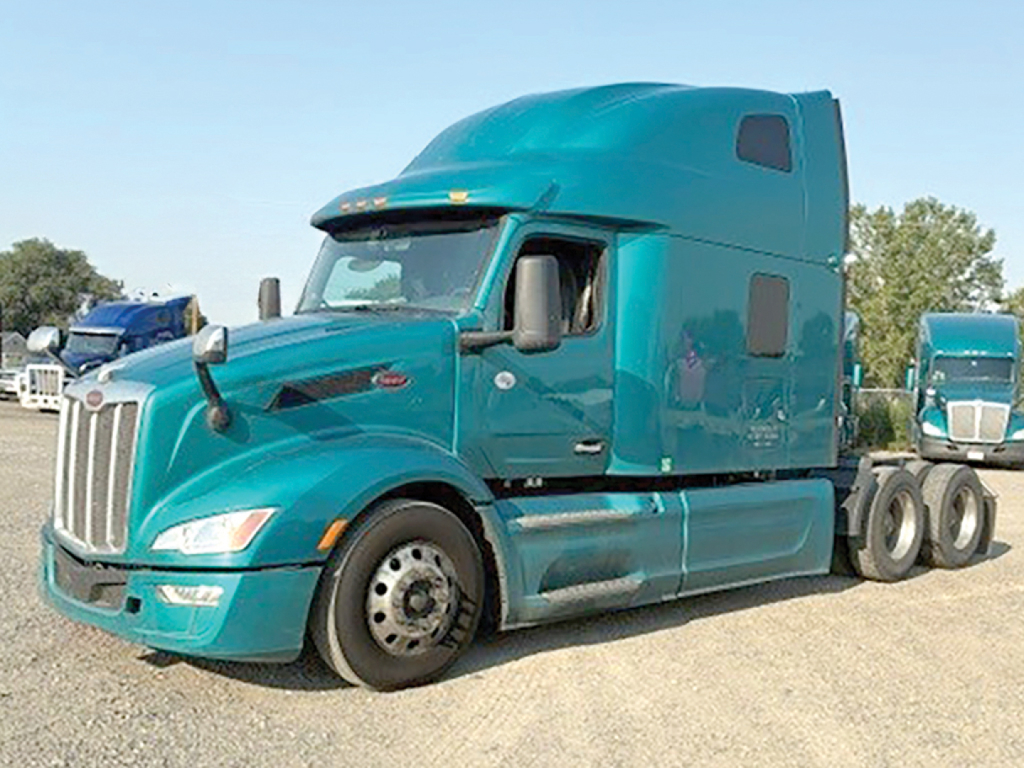
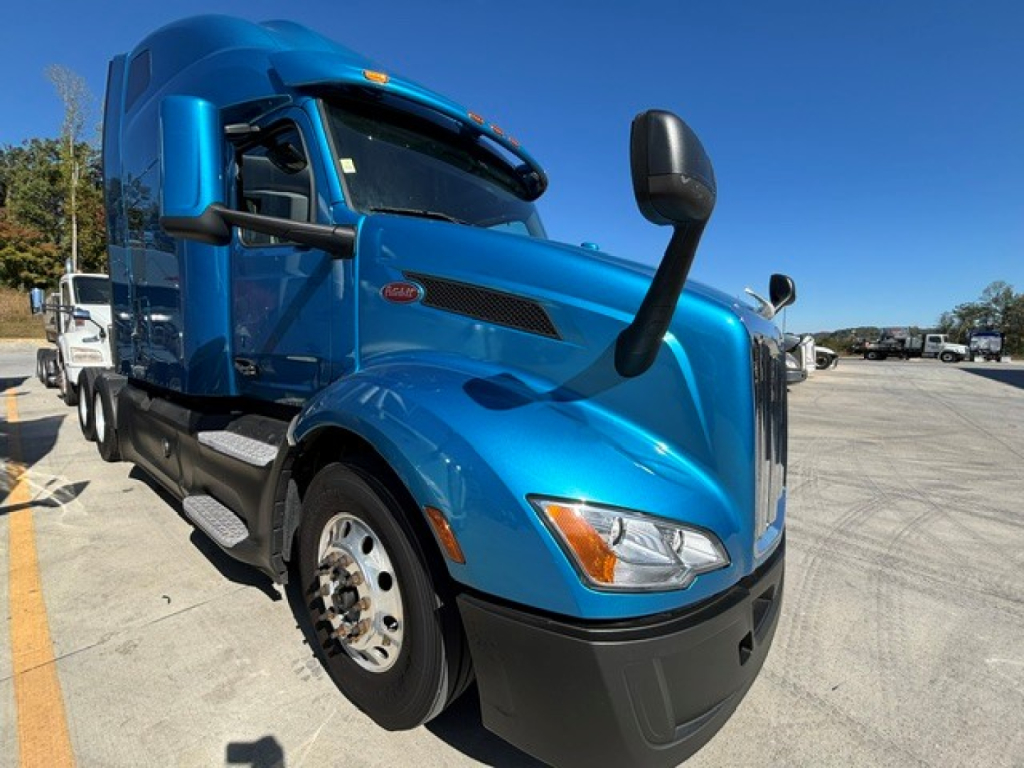
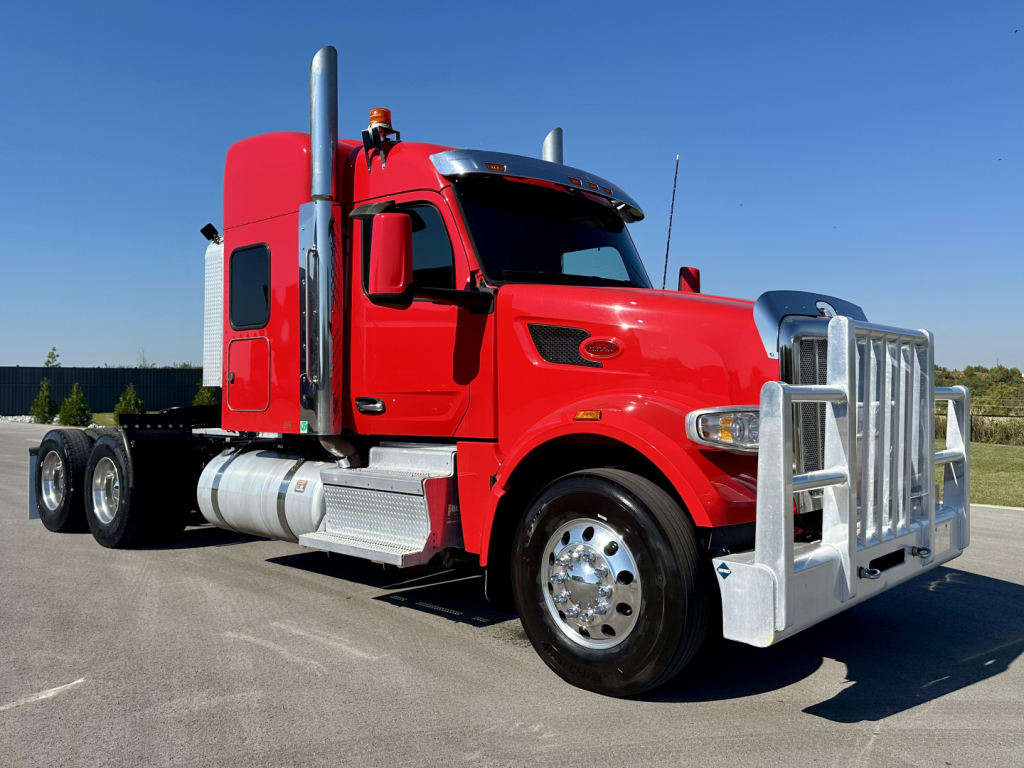
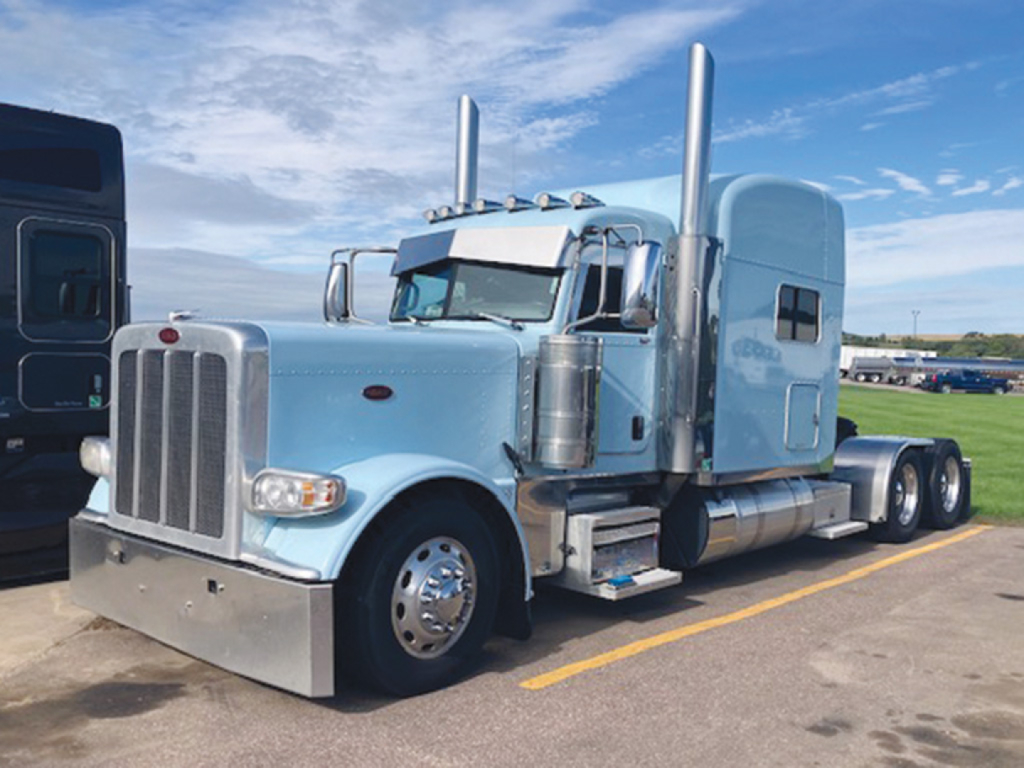
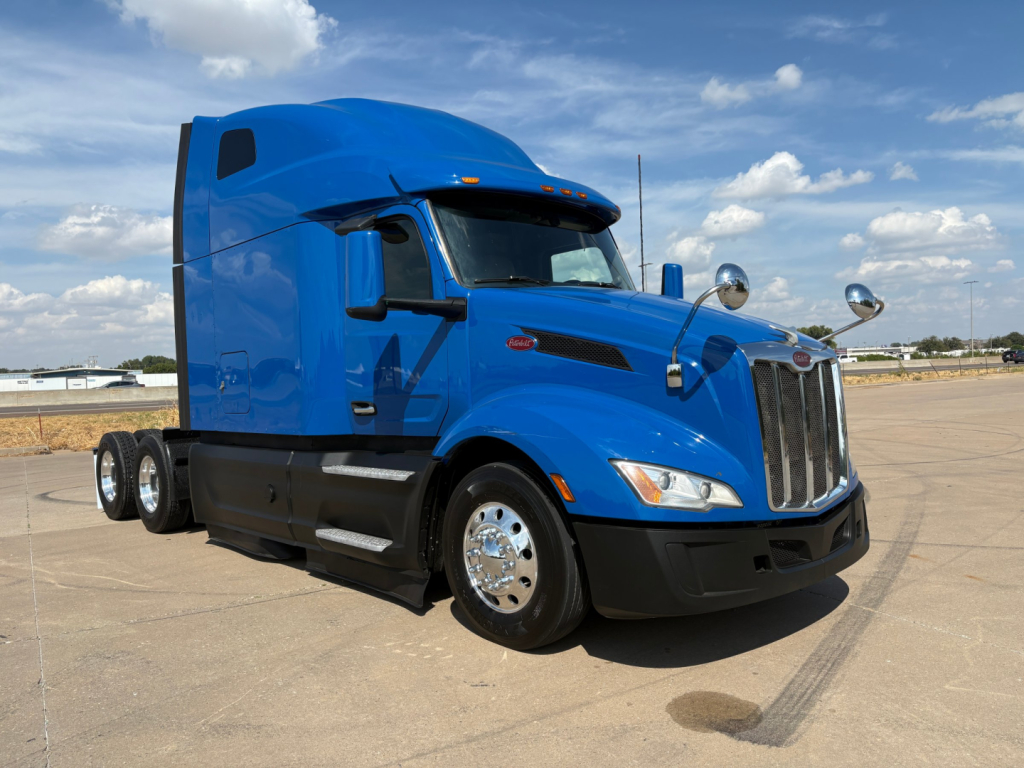
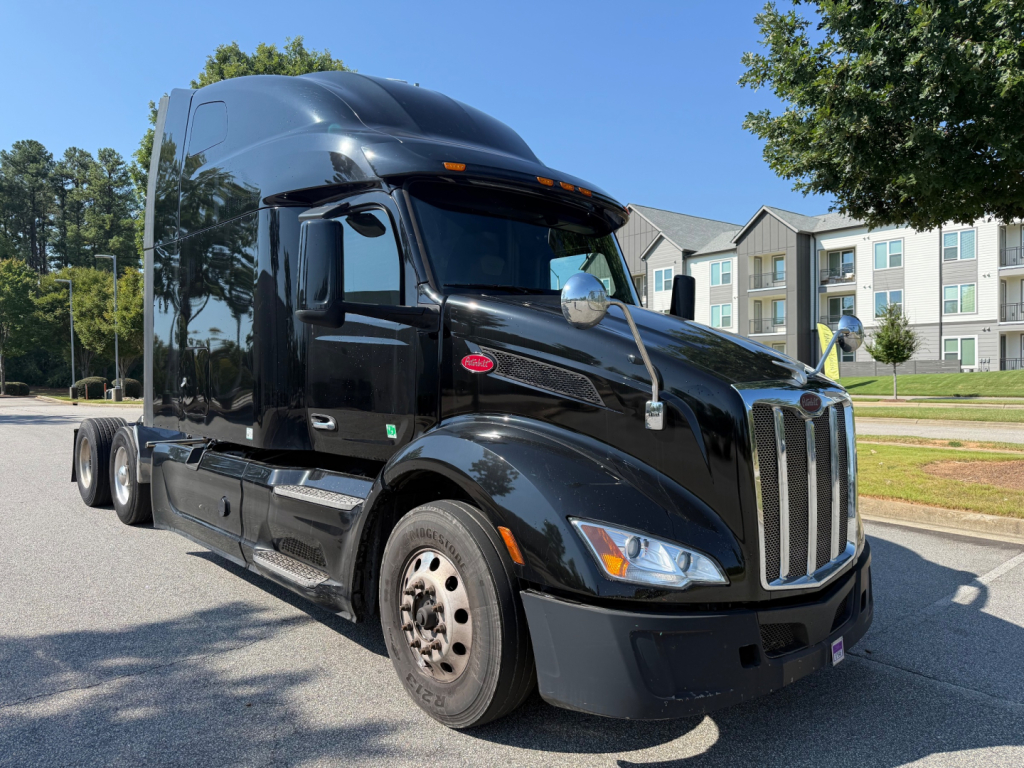

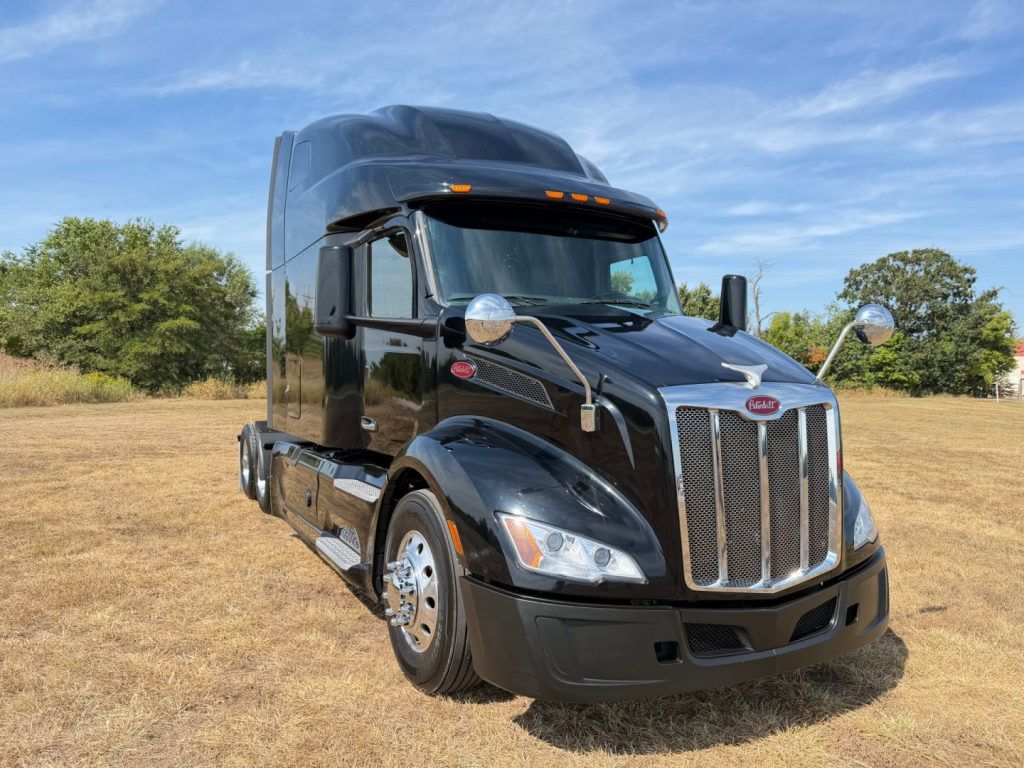
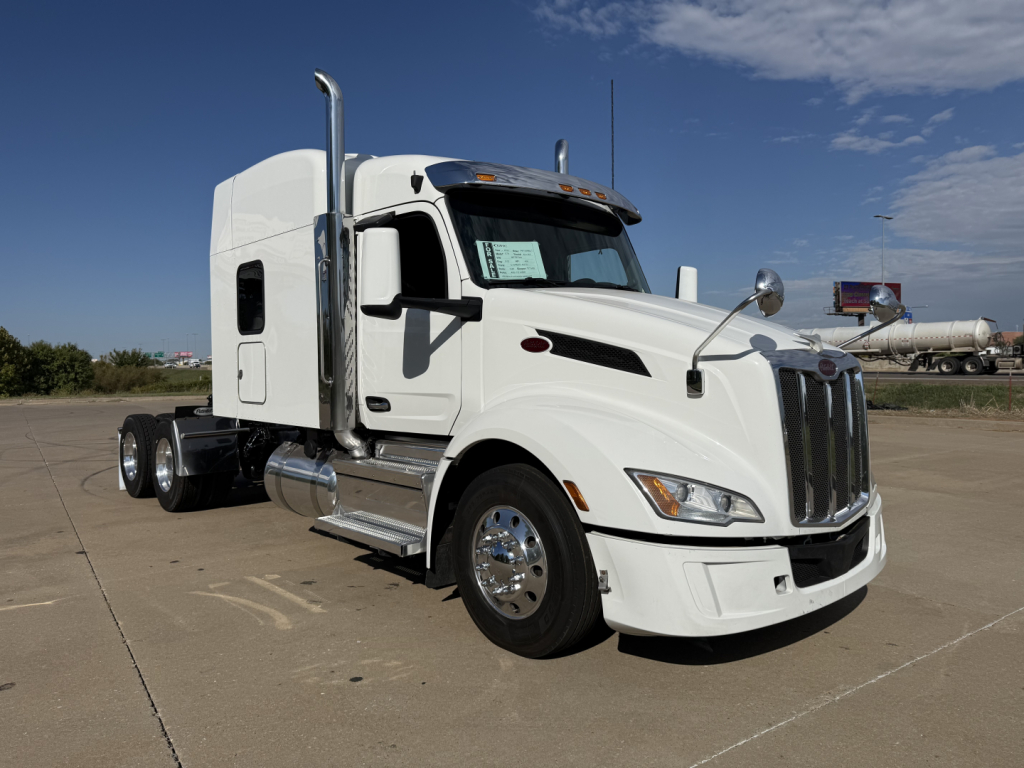
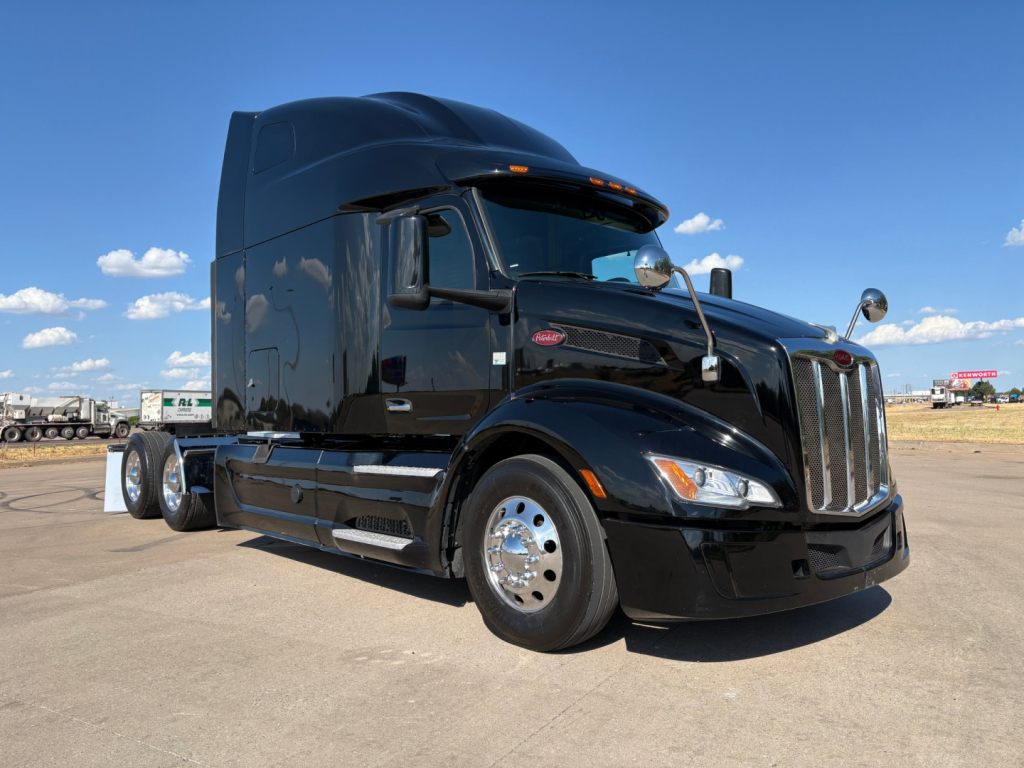

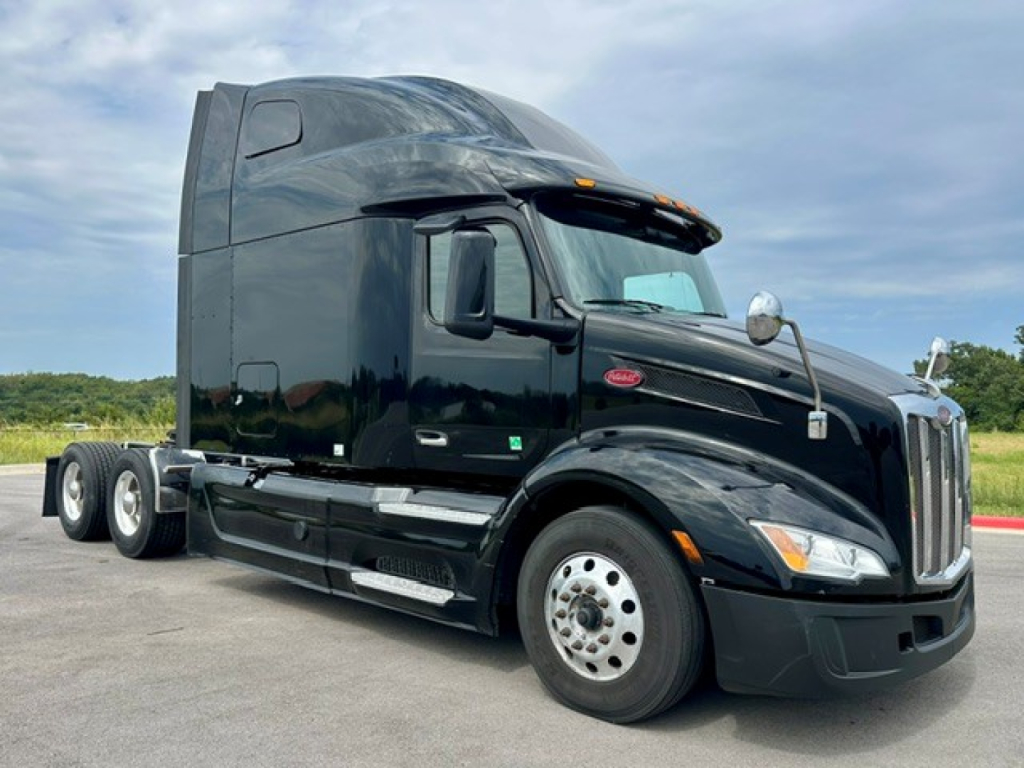
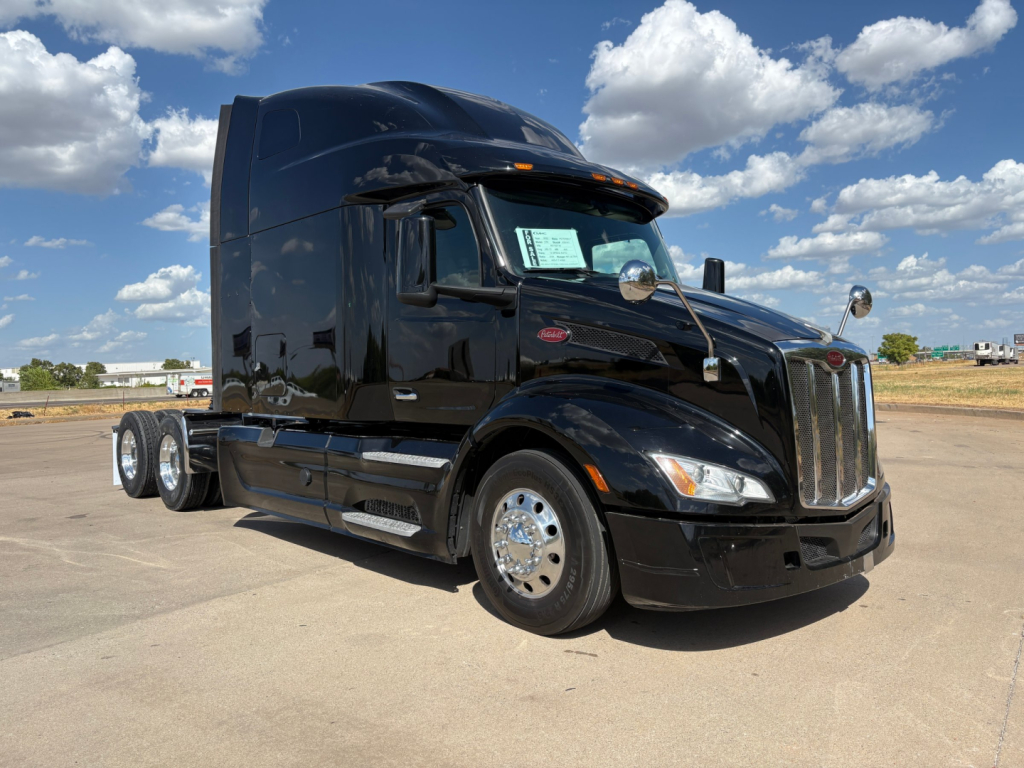
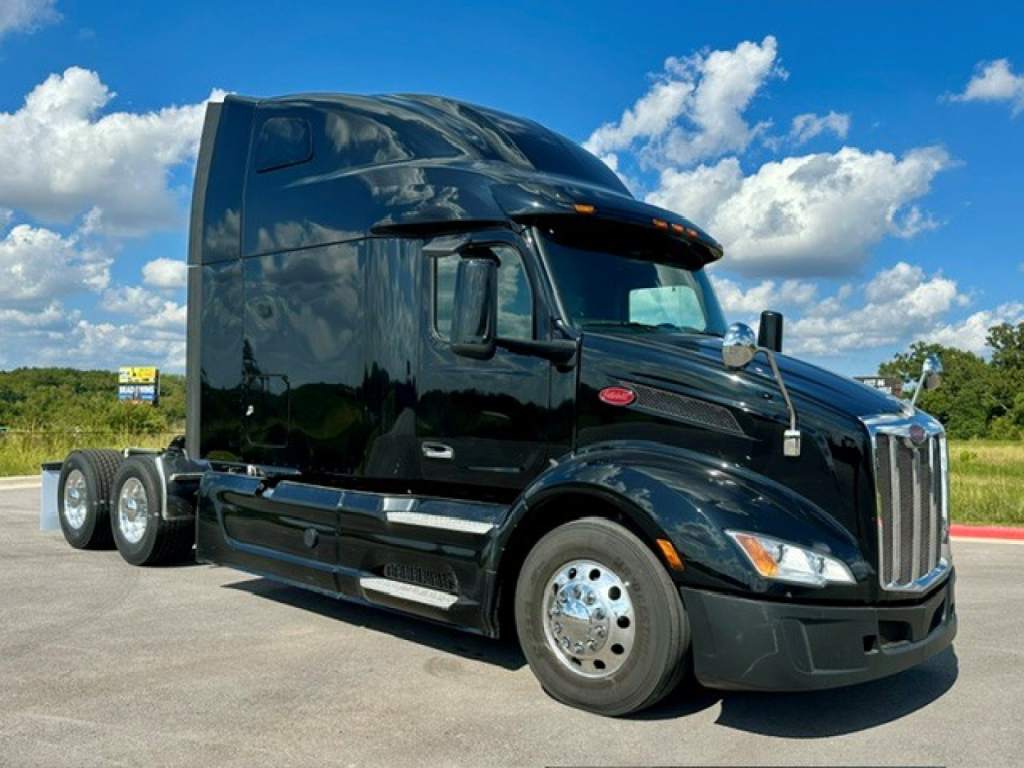
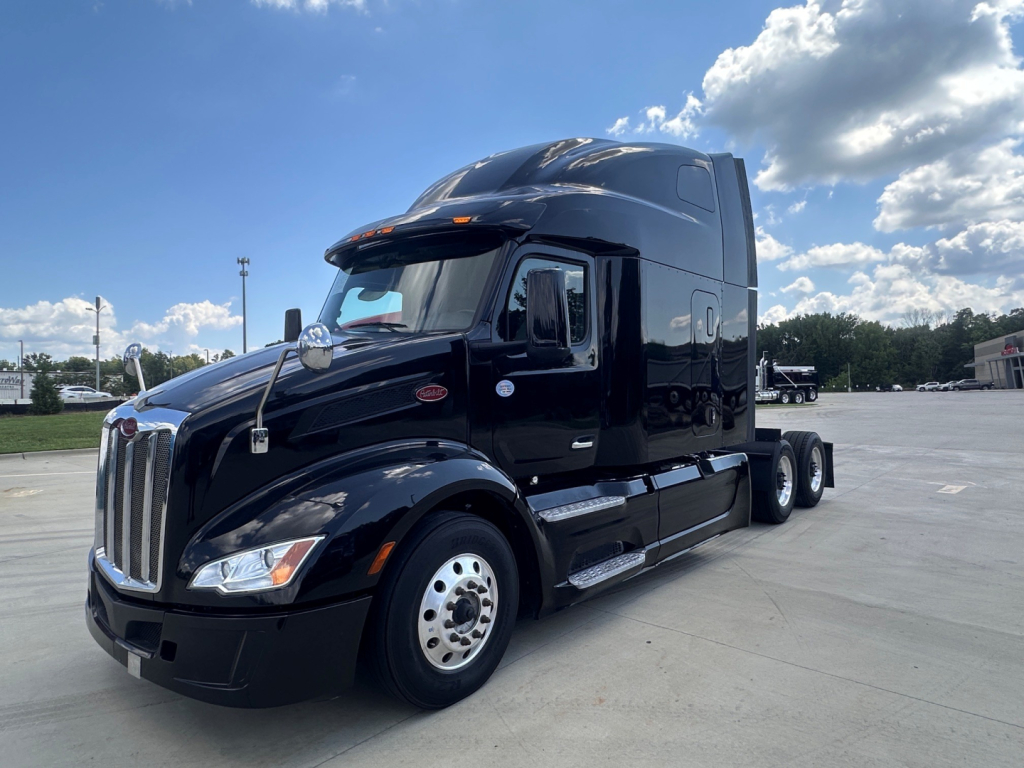
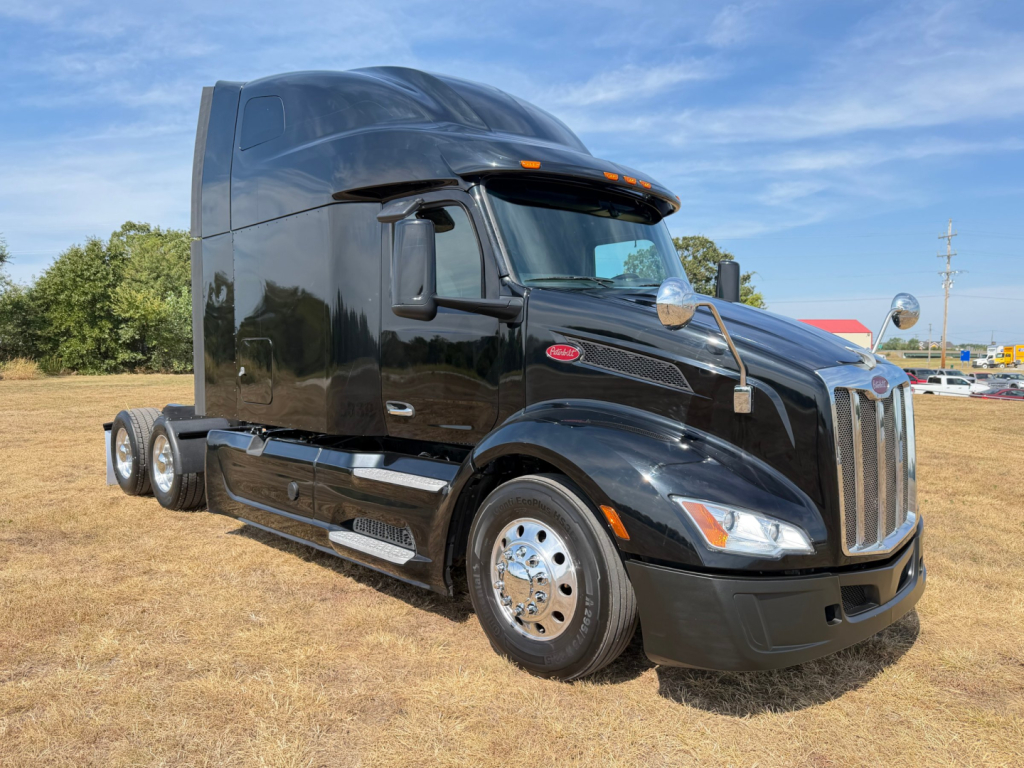
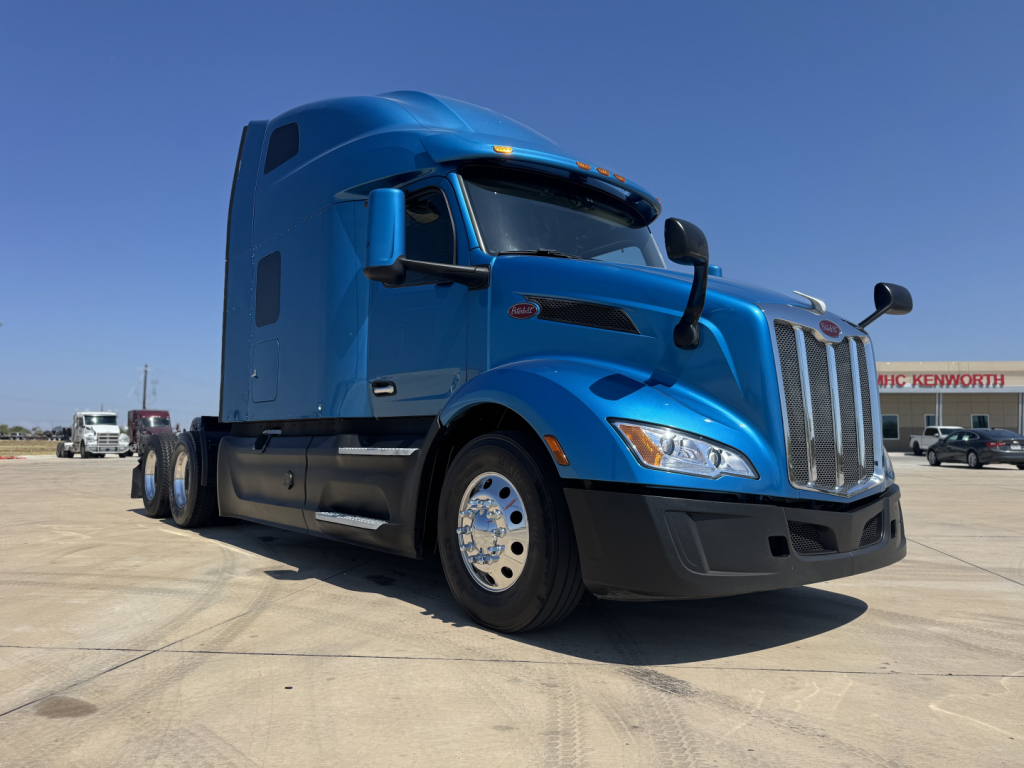
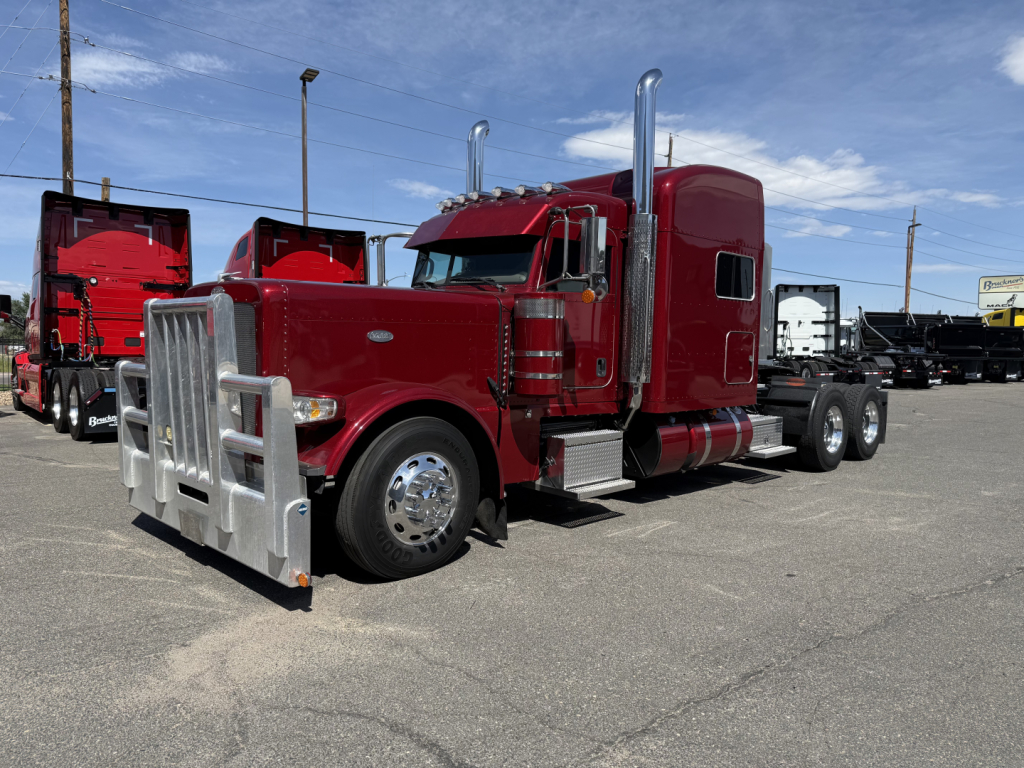

Selling a used 2022 peterbilt conventional sleeper truck? List your used 2022 peterbilt conventional sleeper truck for sale and reach thousands of commercial buyers.
Used 2022 Peterbilt Conventional Sleeper Trucks
Powertrain choice is one of the biggest value drivers on a 2022 Peterbilt sleeper. Many are equipped with either a PACCAR MX-13 or a Cummins X15, paired to an automated manual transmission such as the PACCAR 12-speed. Horsepower commonly falls in the 455 hp to 510 hp range, with rear axle ratios often set up for fuel economy on highway lanes rather than heavy start-and-stop work. A buyer running van, reefer, or dedicated dry freight will usually favor that lower-rpm cruise setup, while heavier operations may want to look closer at axle ratio, GCWR, and whether the truck has full locking differentials. Engine brake performance, maintenance history, emissions service records, and any remaining aftertreatment updates are all worth reviewing closely on a used 2022 model.
Chassis and cab spec can make two similar-looking Peterbilt conventional sleepers perform very differently. Wheelbase, fuel capacity, fairings, air slide fifth wheel, front and rear suspension ratings, and brake configuration all affect payload flexibility and trailer compatibility. Many 2022 highway sleepers are built with tandem 40,000 lb rears, air ride suspension, low-profile 22.5 tires, and dual aluminum tanks. Aerodynamic trim such as cab extenders, side fairings, and roof fairings helps on fuel economy, while driver-focused options like navigation, premium interiors, power windows, and adjustable steering columns add everyday usability. If the truck will stay in a long-haul lane, it is smart to inspect sleeper HVAC performance, bunk seals, inverter wiring, and wear on seats, steering wheel, and dash controls because those items reveal how the truck was actually used.
The strongest used 2022 Peterbilt sleeper trucks are usually the ones with a clear maintenance file, a lane-appropriate drivetrain, and a cab spec that fits the intended freight. A fleet buyer may prioritize standardized automated transmissions and fuel-efficient ratios, while an owner-operator may put more weight on engine brand, interior trim, wheel choice, and appearance. Peterbilt conventionals also hold attention in the resale market because of their driver appeal, dealer network, and broad parts support. When comparing listings, focus less on badges and more on sleeper configuration, engine and transmission pairing, axle ratio, wheelbase, emissions history, and evidence of consistent preventive maintenance.
Frequently Asked Questions about Used 2022 Peterbilt Conventional Sleeper Trucks
What engine options are common in a used 2022 Peterbilt conventional sleeper truck?
The most common engines in this category are the PACCAR MX-13 and the Cummins X15. In 2022 Peterbilt 579 sleeper specs, buyers will often see ratings from about 455 horsepower up to 510 horsepower, usually paired with an automated manual transmission. The right choice depends on duty cycle, preferred service network, fuel economy goals, and how much weight the truck is expected to pull on a regular basis.
Is the Peterbilt 579 a good choice for long-haul sleeper work?
Yes, the Peterbilt 579 is one of the main long-haul conventional sleeper platforms in the market. It is designed for highway efficiency, driver comfort, and fleet-friendly maintenance. High-roof sleeper options, aerodynamic body design, and common availability of APUs, bunk heaters, and larger fuel capacity make it well suited for over-the-road and regional overnight applications.
What should I check first on a used 2022 Peterbilt sleeper?
Start with maintenance records, engine hours, mileage, fault codes, and emissions system history. After that, verify the engine and transmission combination, rear axle ratio, suspension rating, and sleeper equipment. On a highway tractor, it also pays to inspect tire wear, fifth wheel travel, fairing condition, bunk HVAC operation, and signs of idle-heavy use, because these items can affect operating cost soon after purchase.
What sleeper size is typical on a 2022 Peterbilt conventional?
Many 2022 Peterbilt conventional sleepers in the highway market are equipped with mid-roof or high-roof sleepers in the 72-inch to 80-inch range. The exact layout can vary between standard sleeper, Unibilt, UltraCab, and other interior configurations. Buyers should match sleeper size to trip length, solo versus team operation, and desired storage and stand-up room rather than choosing strictly by overall cab appearance.
Are automated transmissions standard in 2022 Peterbilt sleeper trucks?
Automated manual transmissions are very common in 2022 Peterbilt sleeper trucks, especially in fleet and fuel-economy-focused specs. They help with driver onboarding, shifting consistency, and highway efficiency. Some buyers still prefer manual transmissions for certain heavy-haul or owner-operator applications, but in this model year and category, automated setups are the norm rather than the exception.