
Peterbilt Conventional Sleeper Trucks For Sale in Oregon
Shop Peterbilt conventional sleeper trucks in Oregon. Compare aero and long-hood models, sleeper sizes, powertrain specs, and road-ready features.
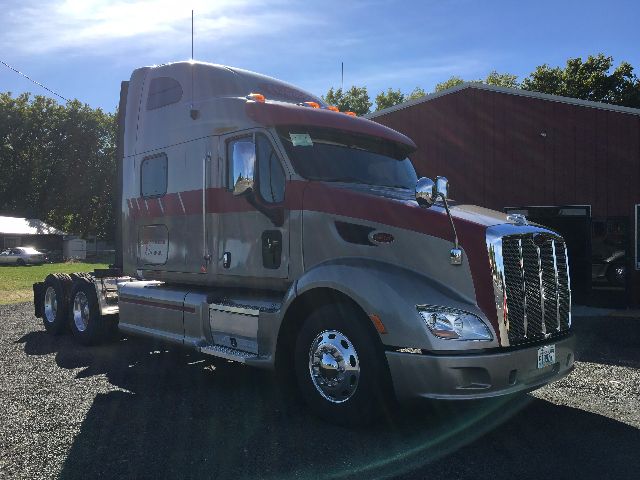
Selling a peterbilt conventional sleeper truck? List your peterbilt conventional sleeper truck for sale and reach thousands of commercial buyers.
Peterbilt Conventional Sleeper Trucks in Oregon
Frequently Asked Questions about Peterbilt Conventional Sleeper Trucks in Oregon
What should I look for first on a used Peterbilt conventional sleeper truck?
Start with the engine, transmission, and rear axle spec, then match those components to the freight lane you plan to run. A sleeper truck set up for lightweight highway freight can feel underbuilt for mountain grades or heavier loads, while a high-horsepower spec with deeper gears may burn more fuel than necessary in flatter regional service. After that, review mileage, maintenance records, emissions system history, suspension type, and tire condition. Sleeper size, bunk layout, and cab condition matter too, but the drivetrain spec should come first because it drives operating cost and job fit.
Which Peterbilt sleeper models are most common in the conventional category?
The most common Peterbilt conventional sleeper models on the used market include aerodynamic highway tractors such as the 579 and earlier 587, along with long-hood models like the 389 for buyers who prioritize classic styling, service access, and vocational flexibility. Aero models are usually chosen for fuel economy and fleet-style linehaul work. Long-hood trucks are often favored by owner-operators and specialized carriers who want a heavier visual presence, more customization options, and room for larger power ratings.
Are Peterbilt conventional sleeper trucks good for Oregon hauling conditions?
Yes, if the spec matches the route. Oregon operations can combine interstate cruising, urban stops, wet weather, and steep grades, so buyers should pay attention to cooling capacity, engine brake performance, traction-related axle and tire setup, and gearing. A truck that performs well on flat long-haul lanes may not be ideal for repeated mountain pulls or winter driving. For that reason, many buyers in Oregon place extra value on a well-matched horsepower and torque rating, strong service brake condition, and a sleeper truck with a documented maintenance history.
What sleeper and cab features matter most in a Peterbilt conventional truck?
Driver comfort features affect productivity more than many buyers expect. Common priorities include bunk size, storage layout, insulation, HVAC performance, seat condition, inverter setup, and ease of movement between the seats and sleeper. Power windows, power locks, air ride seats, and a clean interior are useful, but the bigger issue is how the cab supports long days and overnight use. Noise control, ride quality, and sleeper practicality become especially important on multi-day runs.
How do aerodynamic Peterbilt sleepers compare with long-hood Peterbilt sleepers?
Aerodynamic Peterbilt sleepers are generally designed to reduce drag and improve fuel economy in highway service. They are common in fleet and over-the-road applications where operating cost per mile is watched closely. Long-hood Peterbilt sleepers usually trade some aerodynamic efficiency for appearance, serviceability, and traditional owner-operator appeal. They can also be configured for demanding applications, but the right choice depends on your freight type, annual miles, terrain, and how heavily fuel economy weighs against other priorities.