
2023 Peterbilt Conventional Sleeper Trucks For Sale in Texas
2023 Peterbilt conventional sleeper trucks for sale in Texas: compare 579 and 389 specs, emissions history, cooling systems, and sleeper configurations.
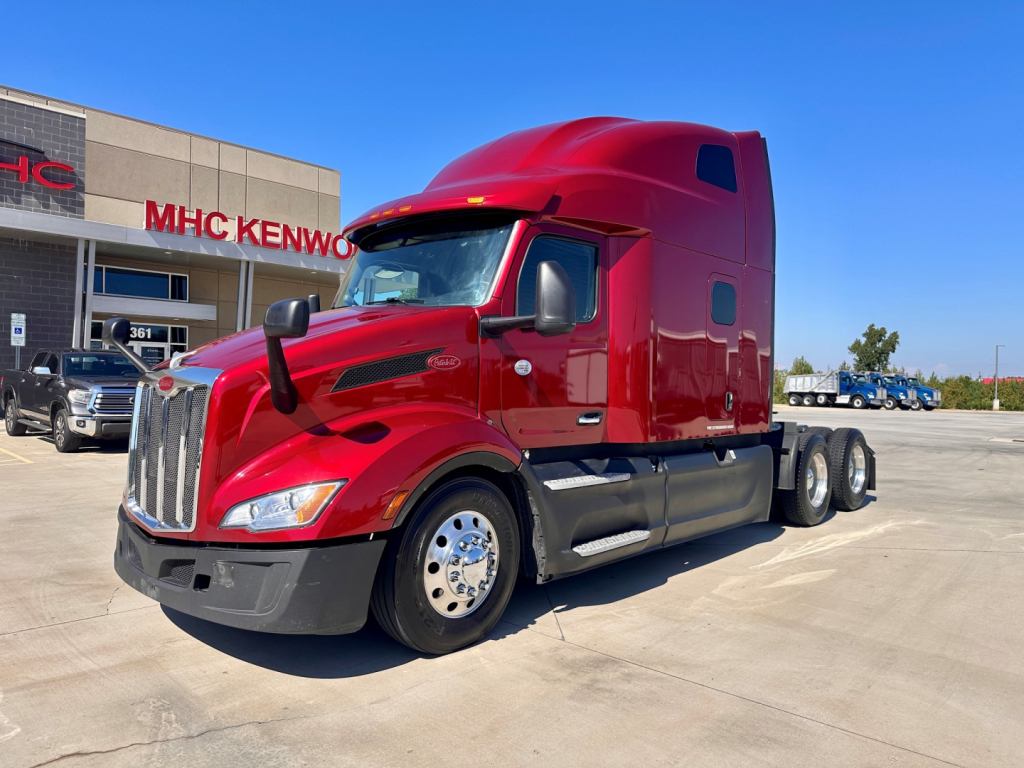
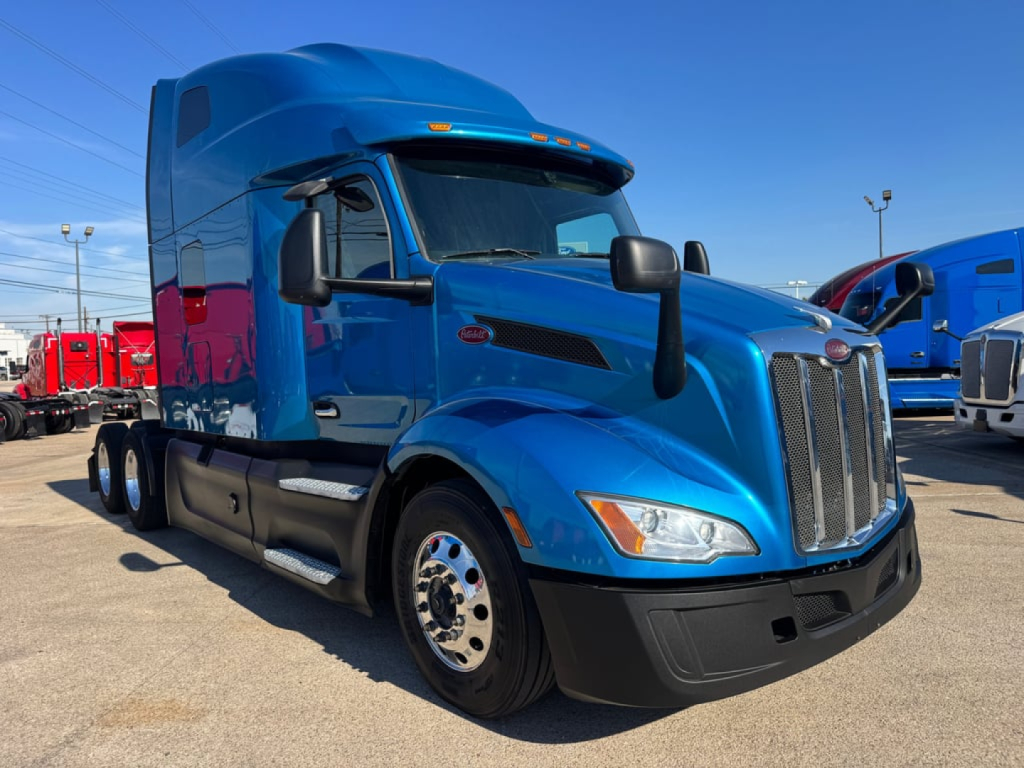
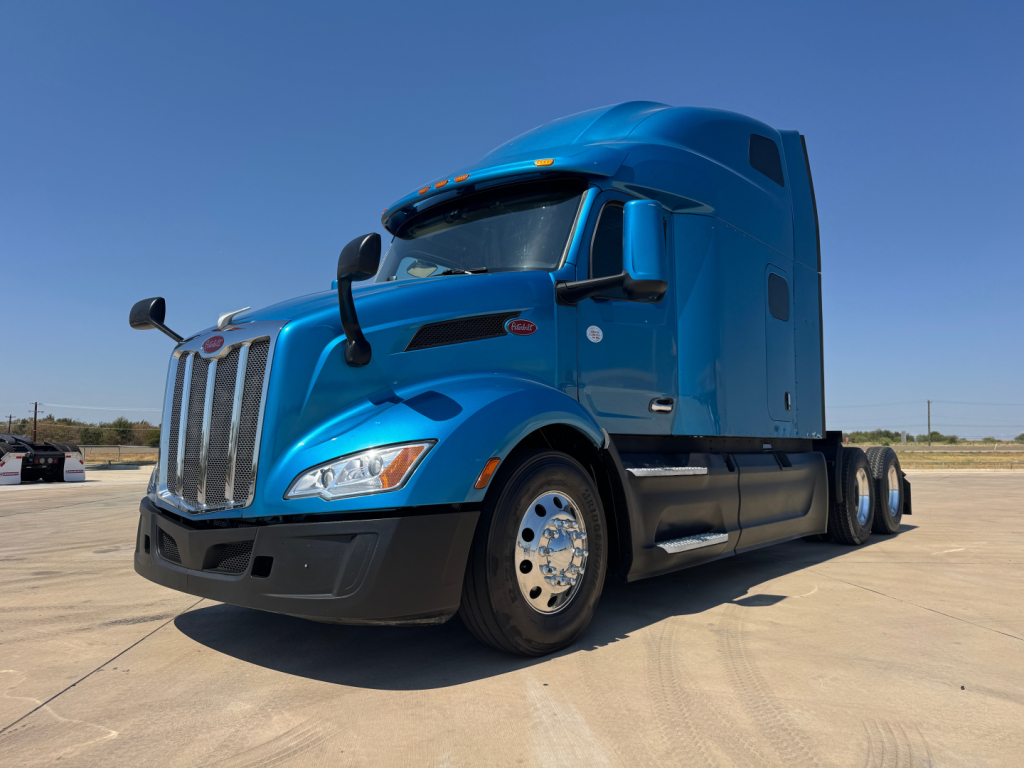
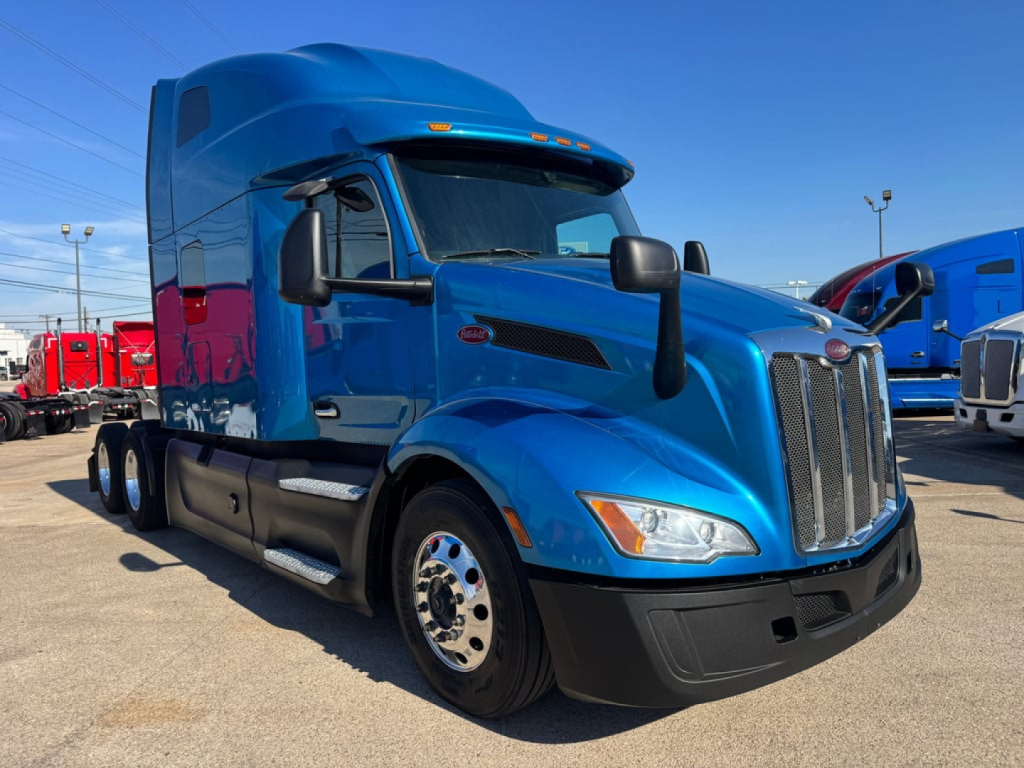
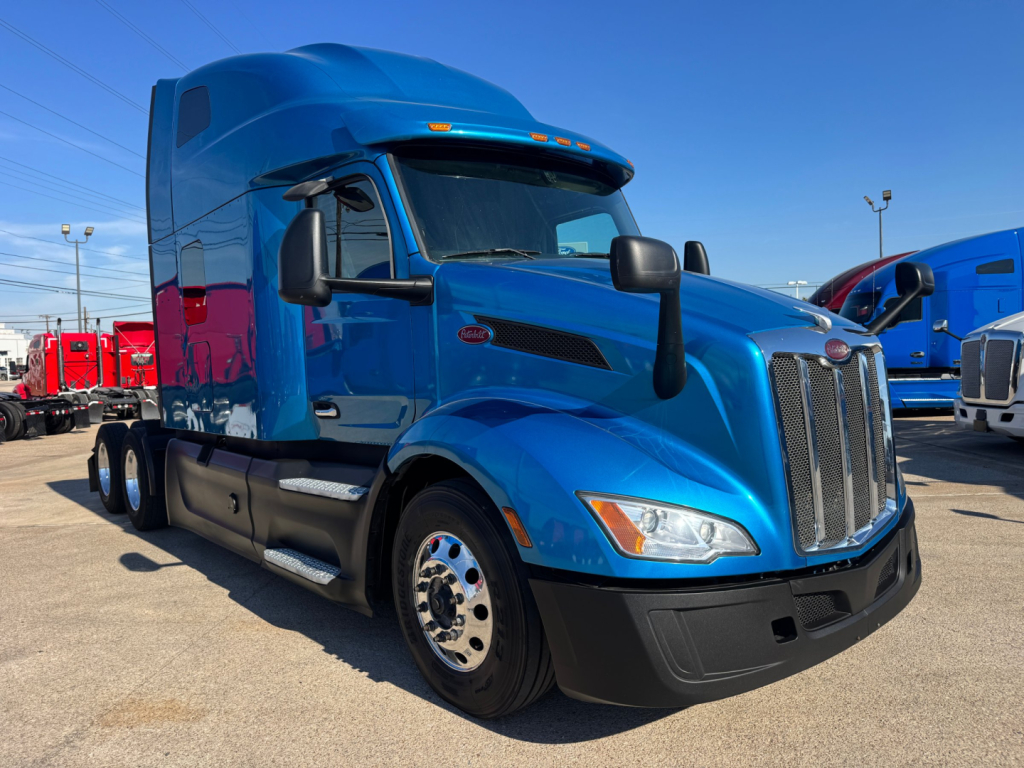
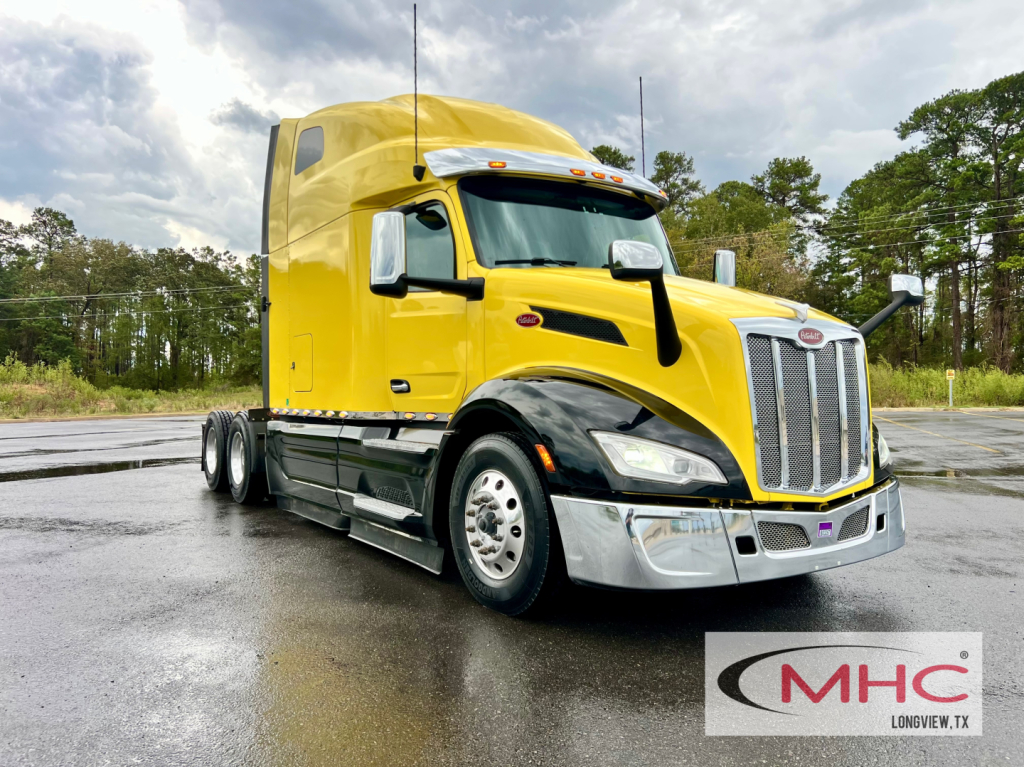
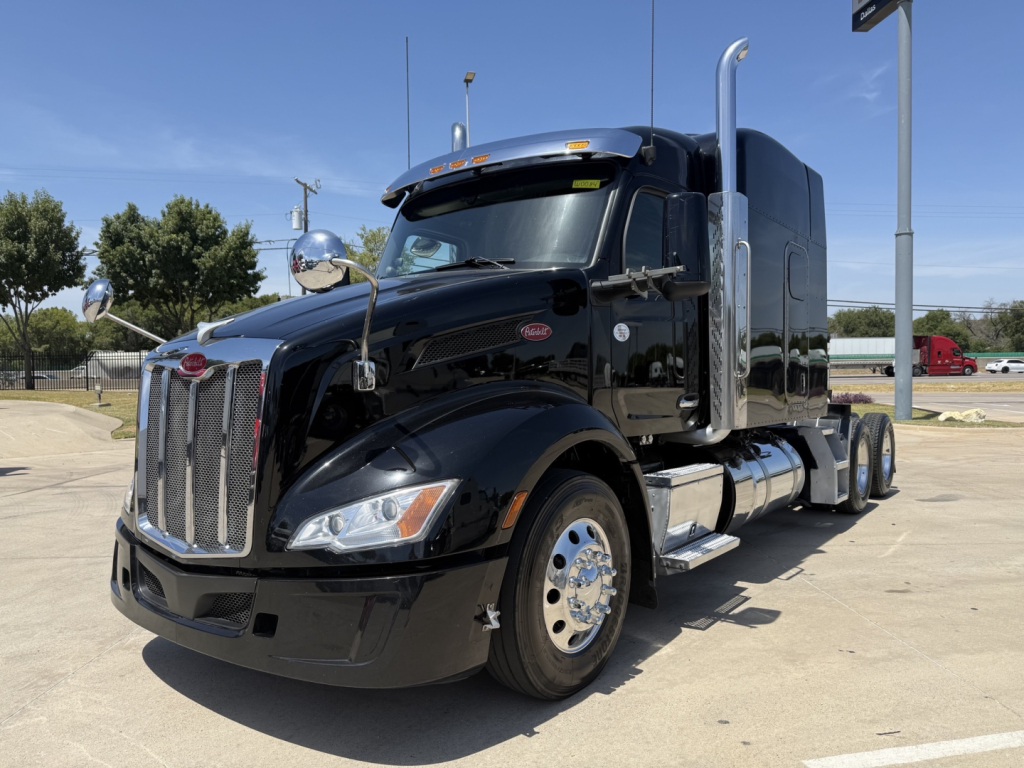
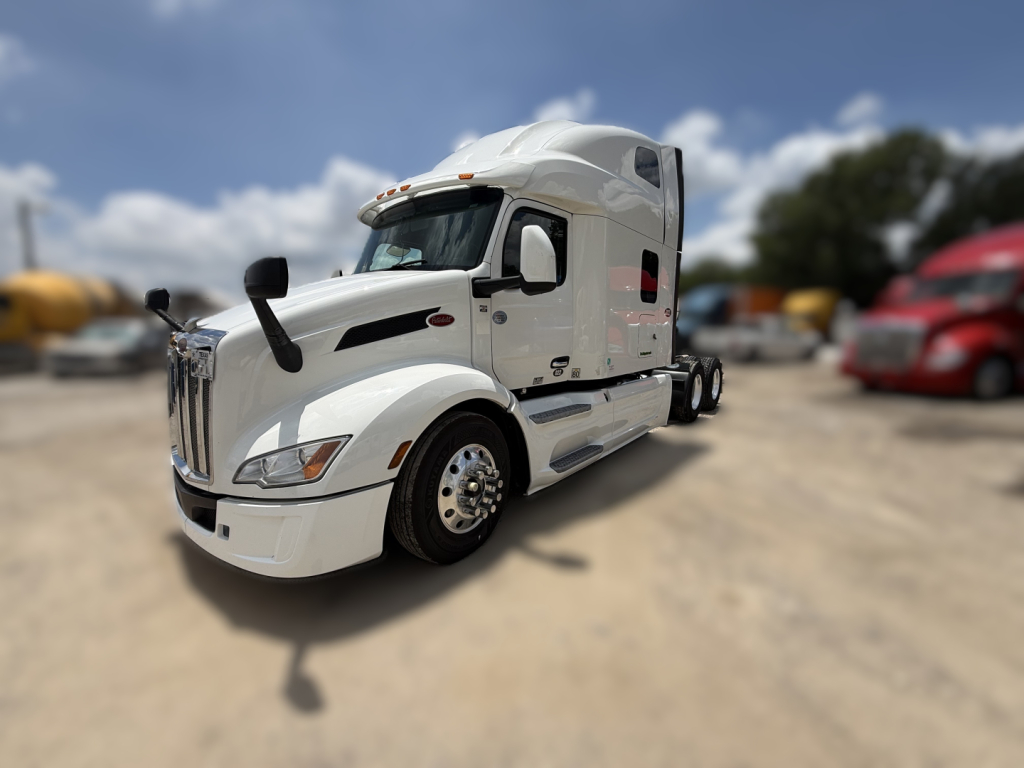
Selling a 2023 peterbilt conventional sleeper truck? List your 2023 peterbilt conventional sleeper truck for sale and reach thousands of commercial buyers.
2023 Peterbilt Conventional Sleeper Trucks in Texas
Model-year 2023 examples of the 579 belong to the redesigned generation introduced in 2021, with revised aerodynamics and a digital instrument display. These diesel tractors use DPF and SCR aftertreatment with DEF, so used-truck inspection should include ECM mileage and idle hours, regeneration history, fault records, and documented maintenance. Check clutch operation, driveline vibration, fifth-wheel wear, and suspension bushings. Texas heat makes radiator and charge-air-cooler cleanliness, fan operation, and sleeper air-conditioning performance essential checks; Gulf Coast service also warrants close inspection for frame corrosion and deteriorated electrical connectors.
For a new 2023 tractor, confirm storage history, tire dates, battery condition, and the manufacturer's warranty start date rather than assuming full coverage remains. Establish whether the 12% federal excise tax applies to the first retail sale. For used equipment, verify transferable engine and aftertreatment coverage in writing and compare engine hours with the claimed duty cycle.
Frequently Asked Questions about 2023 Peterbilt Conventional Sleeper Trucks in Texas
Is a 2.79 rear axle ratio too tall for a 2023 Peterbilt sleeper in Texas?
A 2.79 rear axle ratio can suit Texas highway freight, but axle ratio alone does not establish startability or cruise RPM. On a 2023 Peterbilt sleeper tractor, confirm whether the transmission's top gear is direct or overdrive and calculate RPM using the installed tire size. Frequent lease-road starts, soft ground, or heavy permitted loads warrant checking the complete drivetrain against the engine manufacturer's application limits.
What CDL do I need to drive a 2023 Peterbilt sleeper tractor in Texas?
A Texas Class A CDL is generally required for a tractor-trailer combination rated or weighing at least 26,001 pounds when the trailer is rated or weighs over 10,000 pounds. A driver operating a 2023 Peterbilt sleeper with air brakes must complete the applicable air-brake testing to avoid an air-brake restriction. Taking the skills test in an automatic-transmission truck can also result in a restriction against operating manual-transmission commercial vehicles.
Can a Peterbilt sleeper with 40,000-pound rear axles legally carry that weight in Texas?
A 40,000-pound rear-axle rating does not authorize a 40,000-pound tandem load on Texas Interstate highways. Standard Interstate limits are generally 80,000 pounds gross, 20,000 pounds on a single axle, and 34,000 pounds on a tandem, subject to axle spacing and the federal bridge formula. For a 2023 Peterbilt sleeper combination, check steer-tire capacity, registered weight, route restrictions, and any required overweight permits separately.
What should I check on a sleeper APU before buying a 2023 Peterbilt in Texas?
Sustained bunk cooling under hot conditions is the key test for a sleeper APU on a Texas-operated 2023 Peterbilt. Verify cooling output, charging-system operation, inverter capacity, and shore-power connections where equipped. Ask for APU service records and battery replacement dates. Battery-powered HVAC runtime varies with battery condition and heat load, so a brief shop demonstration does not establish overnight cooling performance.