
2023 Peterbilt Conventional Sleeper Trucks For Sale in North Carolina
Compare 2023 Peterbilt conventional sleeper trucks for sale in North Carolina by gearing, sleeper layout, emissions records, and mountain-route capability.
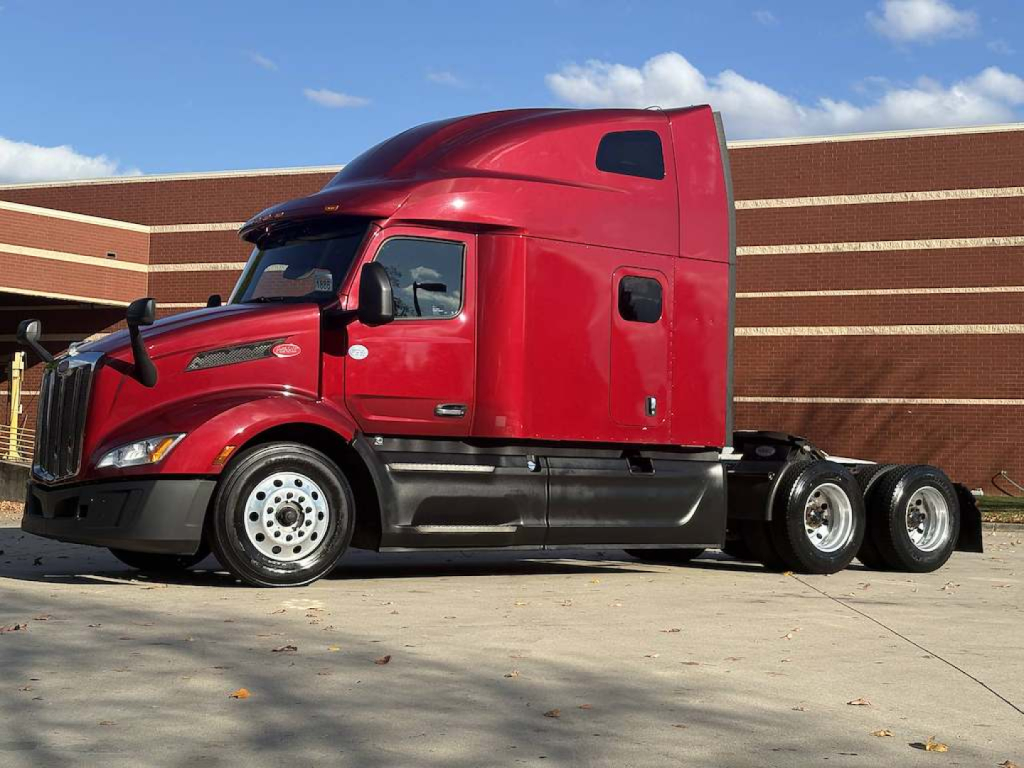
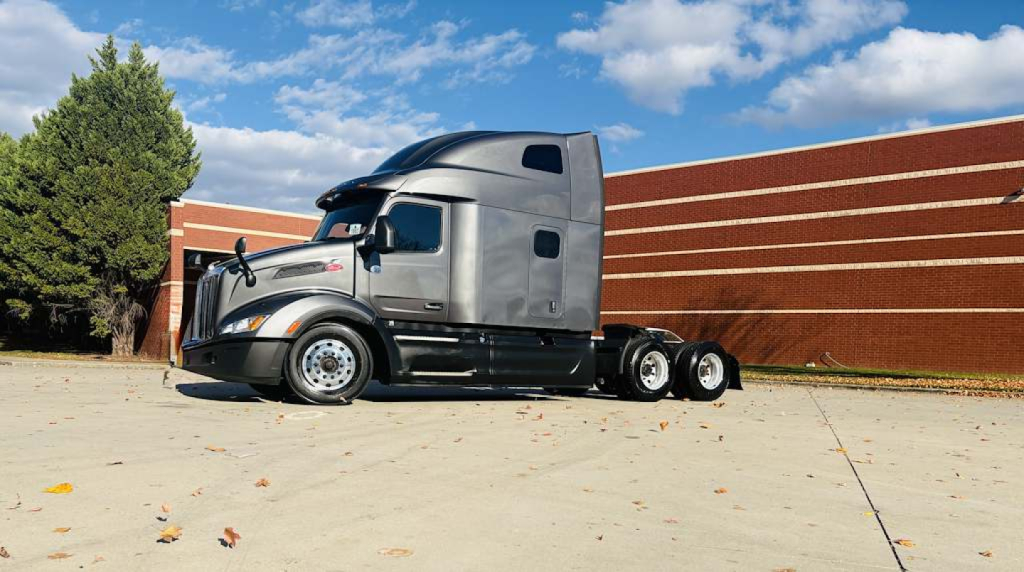
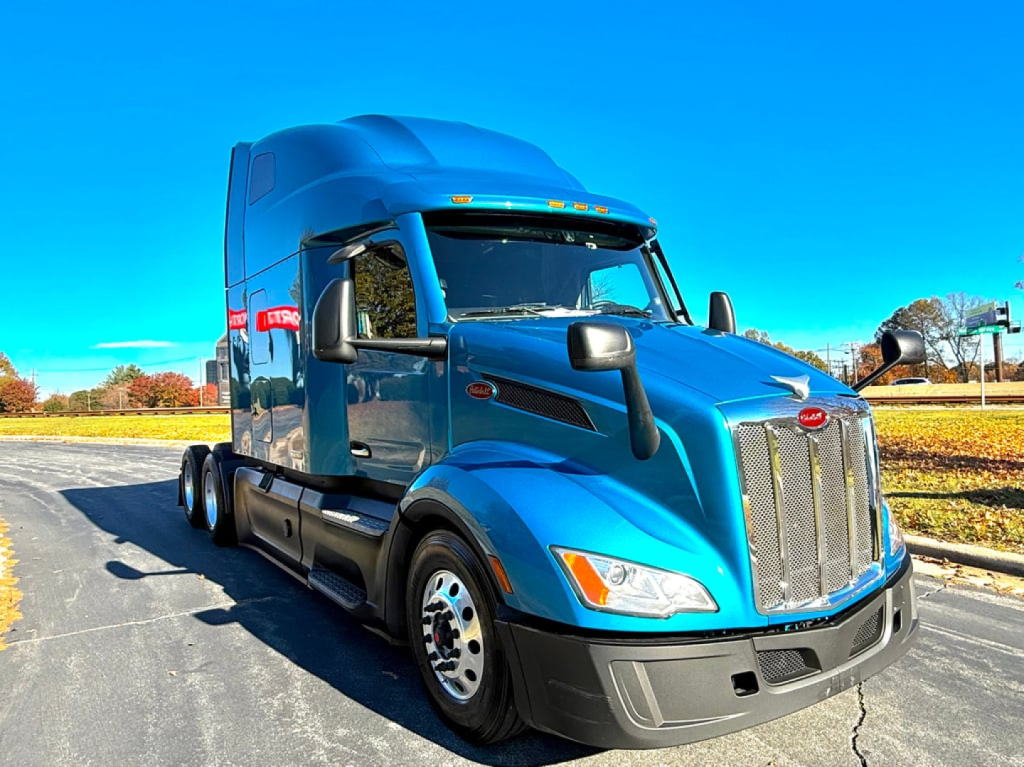
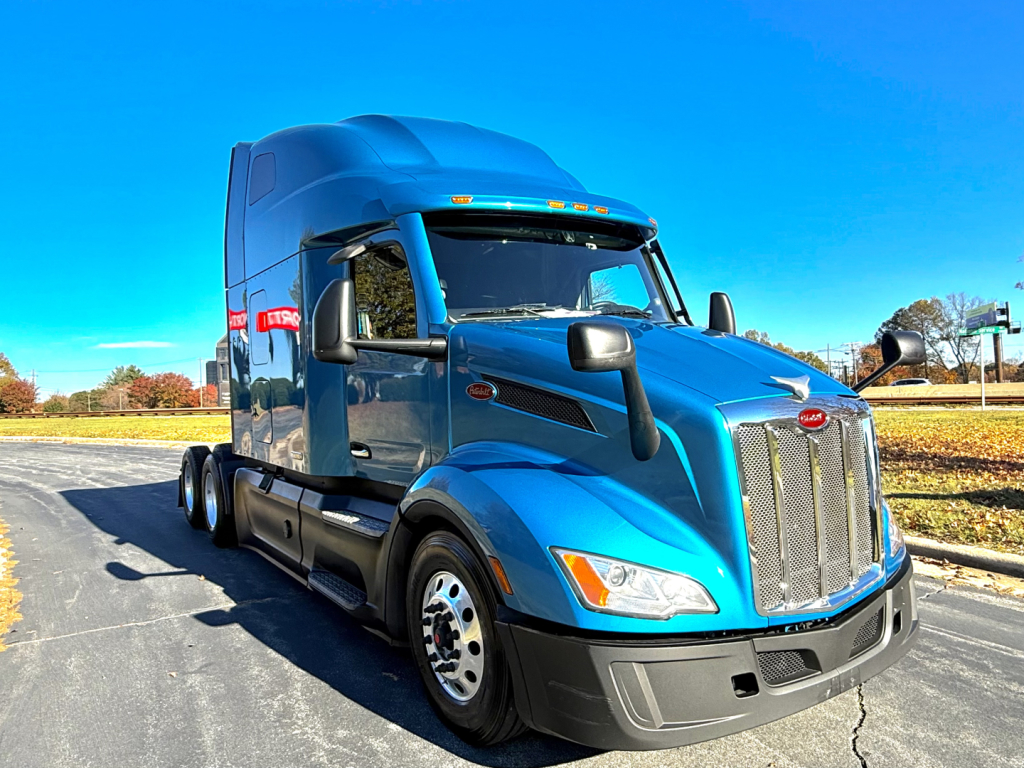
Selling a 2023 peterbilt conventional sleeper truck? List your 2023 peterbilt conventional sleeper truck for sale and reach thousands of commercial buyers.
2023 Peterbilt Conventional Sleeper Trucks in North Carolina
The 2023 model year includes the redesigned-generation Peterbilt 579 and the traditional long-hood 389, two substantially different approaches to sleeper work. The 579 emphasizes aerodynamic efficiency, while the 389's longer hood changes forward visibility and maneuvering requirements. PACCAR MX-13 and Cummins X15 engines are relevant to this comparison, but engine, transmission, and torque ratings must be verified on each build. An MX-13 paired with a PACCAR 12-speed automated transmission is a familiar highway specification. Match sleeper roof height and cab fairings to van, reefer, tanker, or flatbed work rather than choosing by sleeper length alone.
A factory-configured 2023 diesel Peterbilt uses DPF filtration and SCR with DEF; the engine emissions label identifies its certified engine family. On used tractors, compare ECM mileage, engine hours, idle time, and fault history with maintenance invoices. Review DPF cleaning, regeneration complaints, DEF-system repairs, and coolant-loss history. A loaded road test should confirm stable temperatures, clean shifts, effective engine braking, and no aftertreatment warnings. Inspect fifth-wheel wear, suspension bushings, air-disc or drum brakes, and uneven tire wear before accepting an inspection sticker as proof of condition.
North Carolina registration does not establish where a tractor spent its working life. Check frame rails, crossmembers, wiring connectors, and air tanks for road-salt corrosion from northern routes or western mountain operation. Coastal service adds salt-air exposure, while summer heat makes cooling-system condition and sleeper air-conditioning performance especially relevant. Measure actual axle weights with the intended trailer; advertised axle ratings do not establish legal payload.
For a new or previously untitled 2023 tractor, verify the original in-service date, warranty eligibility, and any storage-related deterioration before discussing delivery. Confirm the exact build specification rather than assuming a fixed-model-year truck can still be factory ordered. The 12% federal excise tax generally applies to the first retail sale of qualifying heavy highway tractors, so establish whether it has already been paid. Used buyers should verify remaining engine and aftertreatment coverage by VIN and obtain documentation for major repairs, software updates, and recalls.
Frequently Asked Questions about 2023 Peterbilt Conventional Sleeper Trucks in North Carolina
Will a 2.79 rear axle ratio work for North Carolina mountain routes?
Yes, a 2.79 ratio can suit North Carolina mountain routes when the transmission, engine torque, tire size, and loaded weight are matched. On a 2023 Peterbilt sleeper tractor, compare overall top-gear reduction rather than axle ratio alone. Verify startability and gradeability against the powertrain manufacturer's recommendations, especially for frequent heavy starts on steep grades.
How much weight can a Peterbilt sleeper tractor haul legally in North Carolina?
A standard five-axle sleeper tractor-trailer is generally limited to 80,000 pounds gross on North Carolina Interstate highways, with 20,000 pounds on a single axle and 34,000 pounds on a tandem. Federal Bridge Formula limits, tire and equipment ratings, posted bridges, and route restrictions can lower the usable limit. Permit operations and non-Interstate routes require a separate review.
Do I need an 80-inch double-bunk Peterbilt sleeper for team driving?
No, team driving does not require an 80-inch double-bunk sleeper; usable berth space and the team's rest arrangement matter more than advertised sleeper length. On a 2023 Peterbilt, inspect mattress dimensions, upper-bunk access, bunk restraints, ventilation, and storage with both drivers present. Confirm that the actual sleeper berth meets applicable federal requirements rather than relying on the sleeper's marketing designation.
Should I choose a diesel APU or battery-powered sleeper air conditioning?
A diesel APU generally suits long parked periods with sustained climate-control demand, while battery-powered sleeper HVAC suits duty cycles with adequate recharge time. For a Peterbilt working North Carolina summers, verify cooling capacity under hot, humid conditions. Compare APU engine service needs with battery condition and replacement requirements, and test shore-power operation if equipped.