
Conventional Sleeper Trucks For Sale in Oregon
Shop conventional sleeper trucks for long-haul freight in Oregon. Compare cabs, sleepers, powertrains, wheelbases, and fuel-efficient specs.
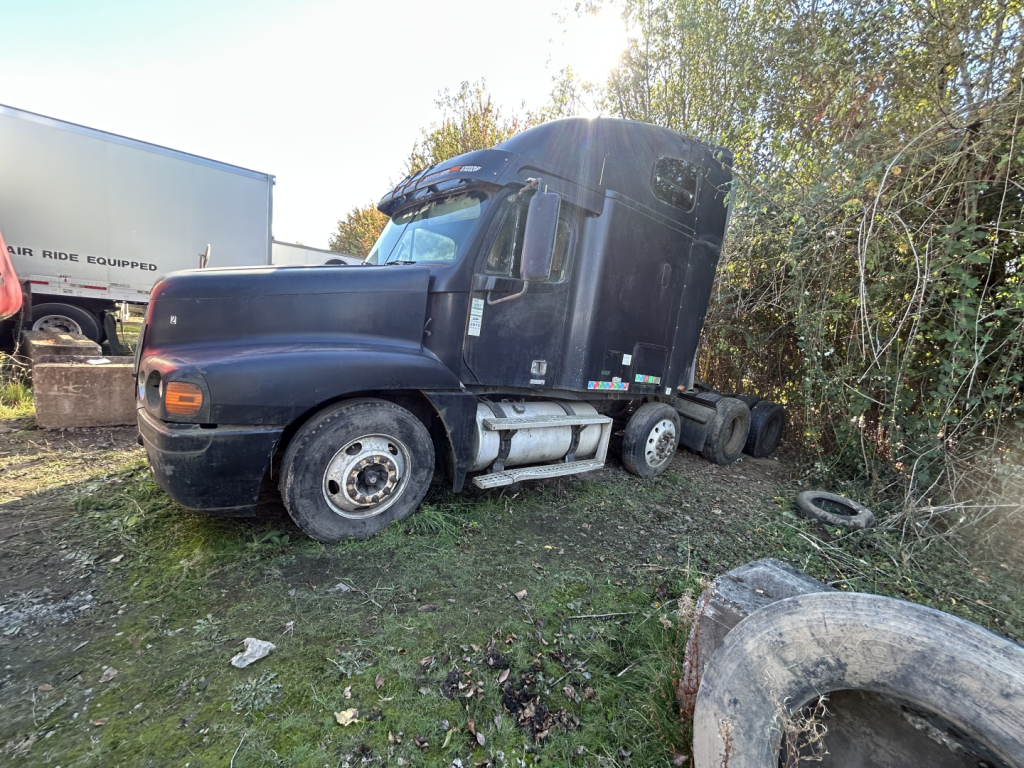
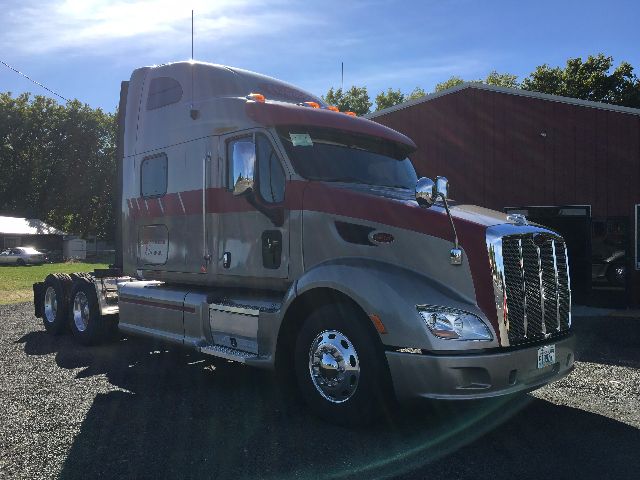
Selling a conventional sleeper truck? List your conventional sleeper truck for sale and reach thousands of commercial buyers.
Conventional Sleeper Trucks in Oregon
Common specs in this category include raised-roof sleepers, tandem drive axles, aerodynamic fairings, and wheelbases set up for van, reefer, or general freight work. Popular engines are typically in the 12.8L to 15L range, with horsepower often landing between 400 and 500 and torque from roughly 1,450 to 1,850 lb-ft depending on vocation. Buyers should pay close attention to rear axle ratio, transmission gearing, and the truck’s emissions system history, especially on used units operating in stop-and-go or cold-weather conditions. A sleeper truck that looks right on paper can still be a poor fit if the gearing is too tall for mountain freight or if the sleeper size adds weight and wheelbase that you do not need.
The sleeper itself matters more than many first-time buyers expect. Mid-roof and high-roof configurations affect aerodynamics, standing room, storage, and overall driver retention. Interior layouts can include single bunks, double bunks, cabinets, inverters, auxiliary HVAC, refrigerator prep, and workstation space. On the chassis side, suspension type, fifth wheel travel, fuel capacity, and frame layout all influence how flexible the tractor will be across different trailer lengths and freight contracts. For Oregon operations, corrosion condition, tire spec, brake type, and fairing integrity are worth a close look because wet weather, mountain travel, and mixed regional-long haul use can expose weak maintenance quickly.
A strong conventional sleeper truck should be evaluated as a total operating package, not just by make, model, or mileage. Service records, engine hours, DPF and SCR maintenance, clutch or AMT calibration history, tire wear patterns, and suspension condition usually tell more than odometer readings alone. Buyers comparing day cabs to sleepers should remember that the sleeper adds weight but can open the door to longer lanes, team service, and better driver comfort on multi-state runs. The best choice is the truck whose powertrain, sleeper size, axle spec, and maintenance profile match the freight you actually plan to haul.
Frequently Asked Questions about Conventional Sleeper Trucks in Oregon
What is a conventional sleeper truck used for?
A conventional sleeper truck is primarily used for long-haul and regional freight that requires overnight or multi-day trips. The hooded conventional design gives easier engine access for service, while the sleeper compartment provides a bunk and storage space for the driver. This makes the category common in dry van, refrigerated, flatbed, and general over-the-road applications where uptime, comfort, and fuel efficiency all matter.
What engine size is typical in a conventional sleeper truck?
Most conventional sleeper trucks are equipped with diesel engines in the 12.8L to 15L range. Typical horsepower falls between 400 and 500, with torque commonly ranging from 1,450 to 1,850 lb-ft. The right engine depends on gross combination weight, terrain, cruising speed, and transmission setup. In areas like Oregon, buyers hauling through mountain grades often prefer a spec with enough torque and axle ratio to hold speed without sacrificing reliability.
Should I choose a manual or automated manual transmission in a sleeper truck?
Both can be a good fit, but the decision should be based on driver pool, route profile, and maintenance strategy. Manual transmissions still appeal to some operators for direct control and familiarity, especially in heavy haul or mountainous applications. Automated manual transmissions are common in modern sleeper trucks because they can improve shift consistency, support fuel economy targets, and widen the available driver base. The quality of calibration, clutch life, and service history matters as much as the transmission type itself.
What should I inspect on a used conventional sleeper truck?
Key inspection points include engine hours, blow-by, oil and coolant condition, transmission operation, suspension wear, brake life, tire wear patterns, and evidence of frame or cab damage. On emissions-equipped trucks, review DPF cleaning intervals, SCR and DEF system repairs, fault history, and any recent sensor replacements. Inside the sleeper, check HVAC performance, bunk condition, seals, water intrusion, and electrical accessories. A documented maintenance history is usually one of the best indicators of long-term value.
How do I choose the right sleeper size?
Sleeper size should match the length of haul, driver expectations, and payload priorities. Smaller sleepers reduce weight and can improve maneuverability, which may suit shorter regional runs. Larger mid-roof or high-roof sleepers provide more standing room, storage, and living space for extended over-the-road use or team driving. The right choice depends on how often the truck will be away from home, how important driver comfort is to retention, and whether the added wheelbase affects trailer compatibility or loading flexibility.