
New Conventional Sleeper Trucks For Sale in Oklahoma
Shop new conventional sleeper trucks for sale in Oklahoma with specs for long-haul comfort, fuel efficiency, safety tech, and fleet-ready options.
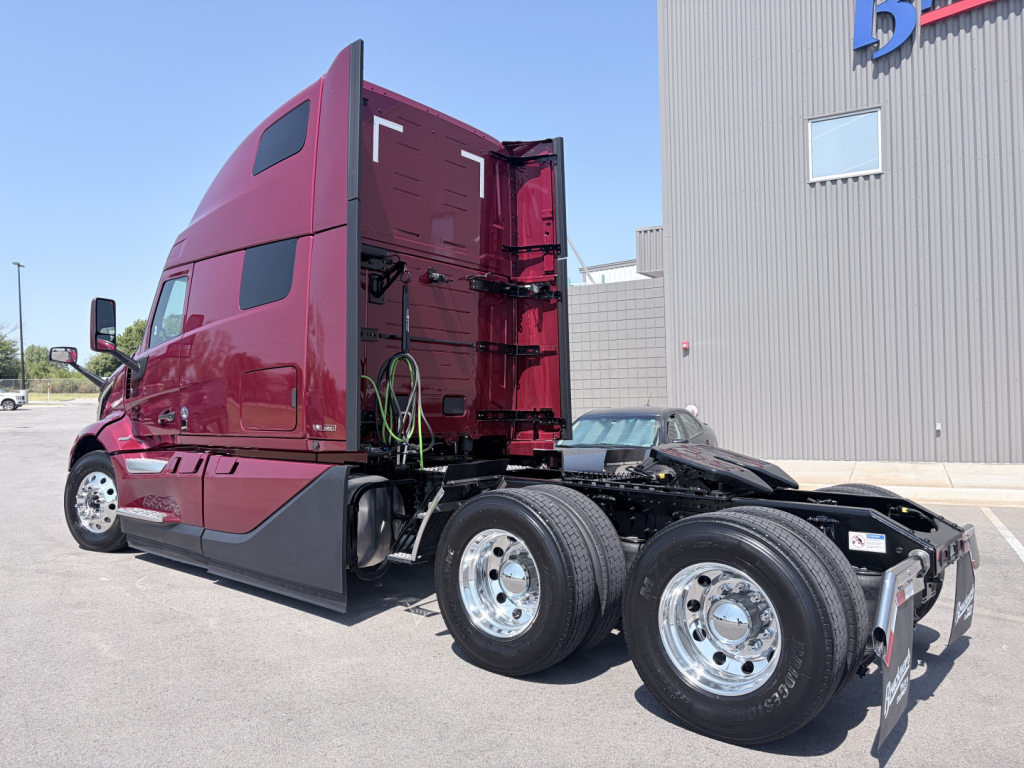
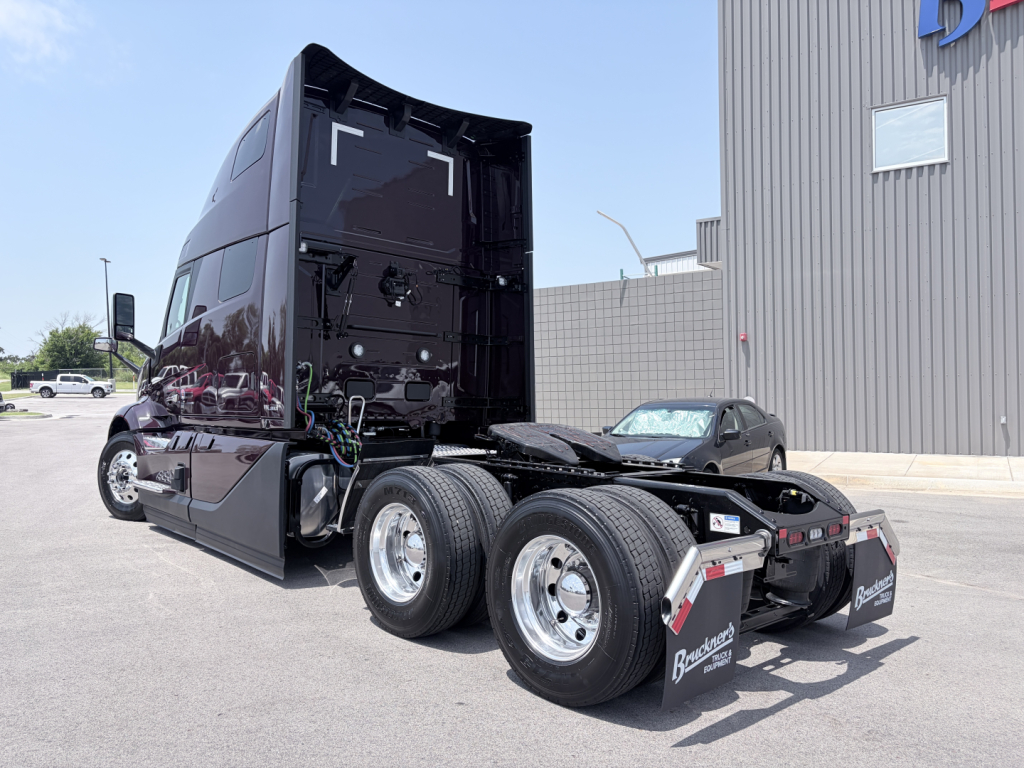
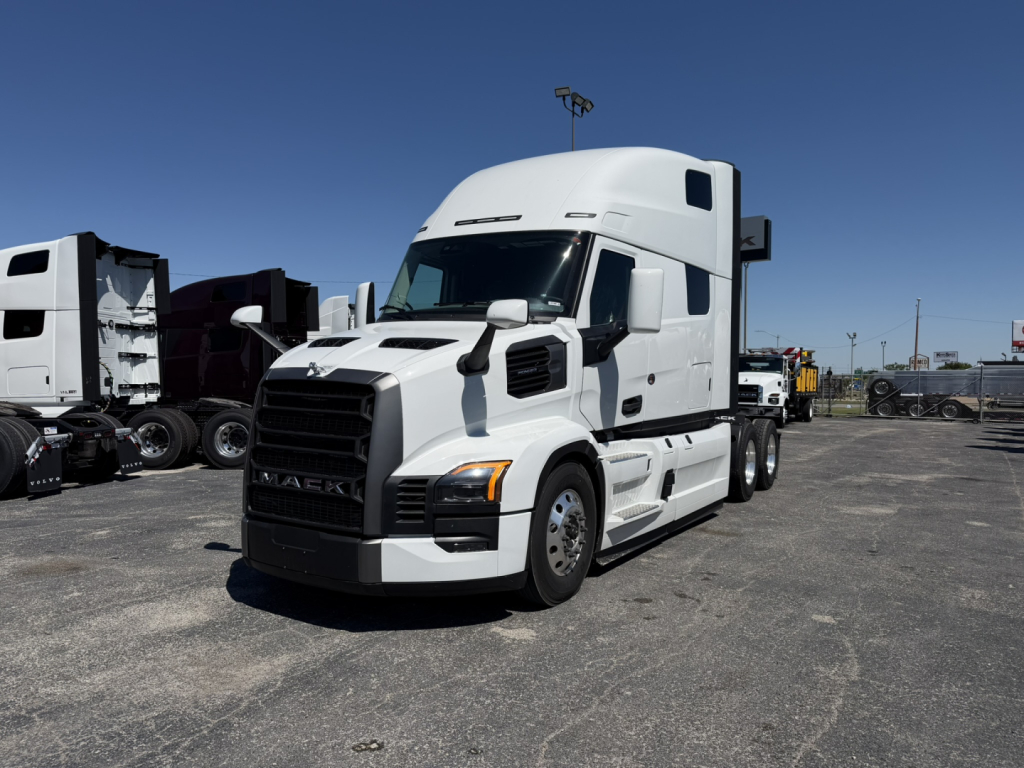
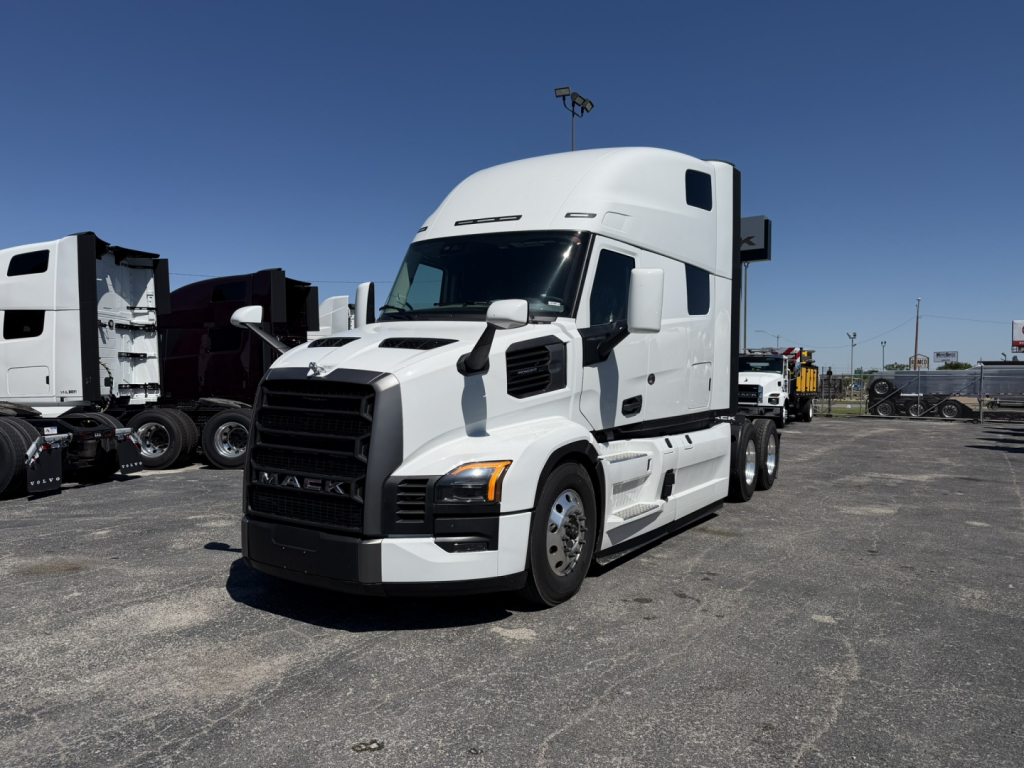

2027 Volvo VNL64T860
2027 Volvo VNL64T860
2027 Volvo VNL64T860
2027 Volvo VNL64T860
2027 Volvo VNL64T860
2027 Volvo VNL64T860
2027 Volvo VNL64T860
2027 Volvo VNL64T860
2027 Volvo VNL64T860
2027 Volvo VNL64T860
2027 Volvo VNL64T860
2027 Volvo VNL64T860
2027 Volvo VNL64T860
2027 Volvo VNL64T860
2027 Volvo VNL64T860
2027 Volvo VNL64T860
2027 Volvo VNL64T860
Showing 1 to 28 of 65 results
Selling a new conventional sleeper truck? List your new conventional sleeper truck for sale and reach thousands of commercial buyers.
New Conventional Sleeper Trucks in Oklahoma
The main buying decisions usually start with powertrain and wheelbase. New conventional sleeper trucks are commonly spec'd with diesel engines in the 400 to 500-plus horsepower range and torque ratings suited for dry van, reefer, flatbed, and heavier general freight applications. Transmission choice affects both fuel burn and driver acceptance, with automated manuals now standard in many fleets because they improve consistency and reduce training time. Rear axle ratios, tire size, and suspension setup should match the truck's duty cycle, especially if the truck will spend most of its life at highway cruise speed versus running mixed secondary roads or pulling heavier loads. Fifth wheel height, slide length, and kingpin-to-rear-axle settings also matter if the truck will handle different trailer lengths or operate under bridge law constraints.
Sleeper design is more than a comfort feature. It affects resale, driver retention, and how efficiently the truck can be used on longer dispatches. Buyers should look closely at bunk width, cabinet layout, refrigerator prep, inverter capacity, APU or battery HVAC compatibility, and the overall room available for daily use. Factory safety and driver-assist systems are now a major part of the category, including collision mitigation, adaptive cruise control, lane departure warning, and camera systems that support backing and lane changes. Aerodynamics, idle reduction technology, and predictive cruise features also have a measurable effect on operating cost over time.
For Oklahoma-based operations, durability in heat, wind, and long-distance highway service should stay near the top of the list. Cooling package capacity, fuel tank size, fairing fit, and easy service access all influence real-world uptime. Fleets and owner-operators comparing new conventional sleeper trucks should pay attention to warranty coverage, dealer support, telematics integration, and how the chassis is spec'd for the freight they actually move. A well-matched conventional sleeper truck can deliver the right mix of driver comfort, fuel efficiency, legal payload, and dependable long-haul performance.
Frequently Asked Questions about New Conventional Sleeper Trucks in Oklahoma
What is a conventional sleeper truck used for?
A conventional sleeper truck is used for long-haul and regional freight operations where the driver needs a built-in sleeping area behind the cab. This category is common in dry van, refrigerated, flatbed, dedicated contract freight, and general over-the-road applications. The conventional hooded design gives easier engine access for service, and the sleeper compartment allows longer dispatches without relying on day cab layouts.
What specs matter most when buying a new conventional sleeper truck?
The most important specs are engine horsepower and torque, transmission type, rear axle ratio, wheelbase, suspension rating, fuel capacity, and sleeper size. Buyers should also confirm fifth wheel height, slide travel, and axle placement to make sure the tractor matches the trailers it will pull. For long-haul work, fuel economy features, safety systems, idle reduction equipment, and cab comfort options can be just as important as raw power.
Are automated manual transmissions standard in new sleeper tractors?
Automated manual transmissions are now very common in new sleeper tractors and are often the preferred choice for fleets and many owner-operators. They help improve fuel economy consistency, reduce clutch wear, and make it easier to onboard drivers. A manual transmission may still appeal in certain heavy-haul or driver-preference situations, but most new conventional sleeper trucks are spec'd with an automated manual for highway freight.
How do I choose the right sleeper size?
The right sleeper size depends on route length, driver schedule, and how much living space is needed in the cab. A smaller sleeper can work well for regional operations with occasional overnight trips, while a raised roof or larger sleeper is better suited for multi-day over-the-road runs. Storage layout, bunk design, standing room, and support for refrigerator, inverter, and climate control equipment often matter more in daily use than the sleeper's published dimensions alone.
Why does Oklahoma usage affect conventional sleeper truck spec choices?
Oklahoma operations often involve long highway stretches, strong crosswinds, high summer temperatures, and a mix of regional and interstate freight. That makes aerodynamic packages, cooling system performance, fuel range, and stable chassis setup especially important. Buyers who regularly run across the southern Plains also tend to prioritize service access, durable interior materials, and drivetrain specs that keep the engine in its most efficient RPM range at cruise speed.