
New 2027 Conventional Sleeper Trucks For Sale in Georgia
Shop new 2027 conventional sleeper trucks in Georgia. Compare raised-roof sleepers, powertrain specs, safety tech, wheelbase, and bunk options.
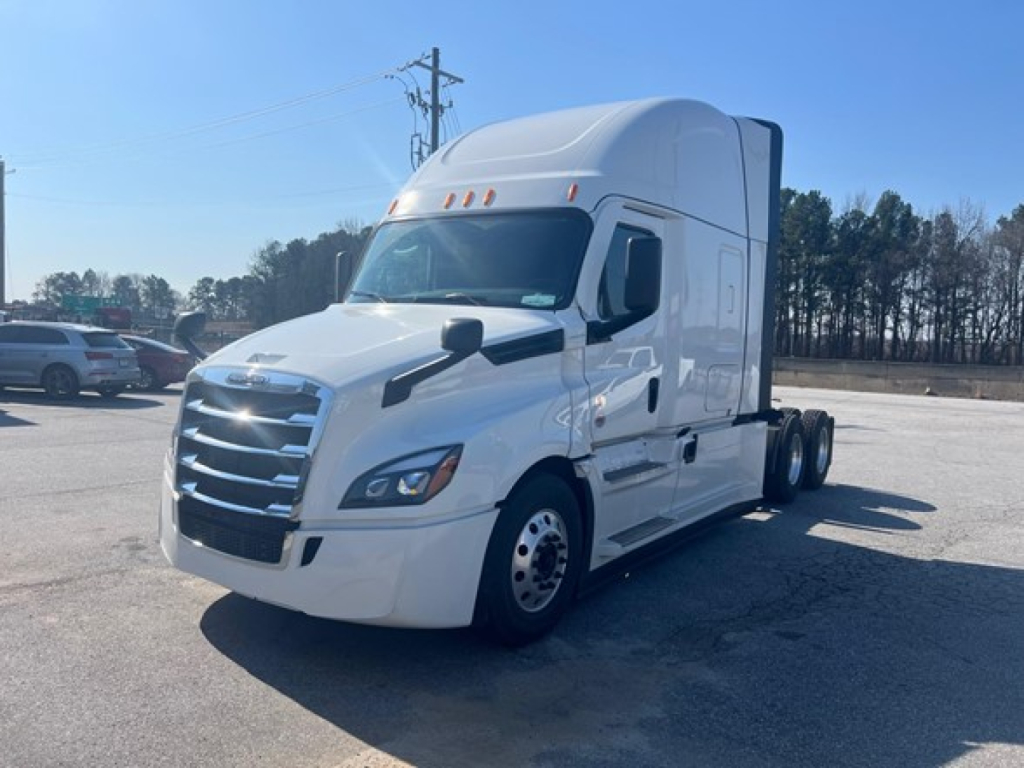
Showing 25 to 25 of 25 results
Have new 2027 conventional sleeper truck to sell? List it here to reach thousands of buyers.
New 2027 Conventional Sleeper Trucks in Georgia
The biggest buying decisions usually start with sleeper size, wheelbase, and powertrain. Raised-roof 72-inch double bunk sleepers are common because they give enough living space for team service and extended over-the-road work, while still fitting mainstream dry van and reefer applications. Engine ratings in this class often land in the 400 to 505 horsepower range with torque matched to highway gearing such as 2.64, 2.79, or 2.85 rear axle ratios. Automated manual transmissions dominate new conventional sleepers because they improve shift consistency, support fuel economy targets, and reduce driver fatigue. Wheelbase, fifth wheel travel, and kingpin setting matter if the truck will switch between van, reefer, flatbed, or specialized trailers.
Spec details have a direct effect on operating cost. Air disc brakes, locking differentials, all-aluminum wheels, and tire pressure management systems are common upgrades for fleets trying to improve stopping performance, traction, and maintenance intervals. Inside the sleeper, practical options like dual bunks, refrigerator prep, shore power, inverter packages, diesel-fired bunk heaters, and storage layout can make a major difference in retention and utilization. New model-year conventional sleepers also tend to carry advanced driver assistance systems such as adaptive cruise control, lane departure warning, forward collision mitigation, and side object detection, which are increasingly important for fleet safety standards and insurance discussions.
For a buyer comparing listings, the right truck is the one whose spec matches the lane. A lighter, fuel-focused sleeper with a downsped drivetrain may be ideal for dry van and reefer freight running steady interstate miles. A higher horsepower spec with a locking rear differential, heavier front axle, and more flexible fifth wheel setup may fit dedicated or mixed-freight work better. In Georgia, cooling performance, idle reduction capability, and dealer service coverage are worth close attention because heat, traffic, and year-round utilization can expose weak specs quickly. A well-configured new 2027 conventional sleeper should deliver low total cost of ownership, strong driver acceptance, and enough versatility to stay productive across changing freight demands.
Frequently Asked Questions about New 2027 Conventional Sleeper Trucks in Georgia
What is a conventional sleeper truck used for?
A conventional sleeper truck is designed for long-haul and regional freight where the driver needs onboard sleeping space. It is the standard highway tractor layout with an engine in front of the cab and a sleeper compartment behind the seats. These trucks are commonly used for dry van, reefer, flatbed, and dedicated contract freight because they balance aerodynamics, serviceability, ride quality, and driver comfort.
What sleeper size is most common in a new conventional sleeper?
A 72-inch raised-roof sleeper is one of the most common configurations in this category because it works well for both solo and team operations. It provides enough room for a bunk, storage, and optional amenities such as a refrigerator, inverter, or diesel-fired heater. Smaller sleepers can reduce weight and wheelbase, but larger raised-roof sleepers usually make more sense for over-the-road use and driver retention.
What specs matter most when comparing new 2027 conventional sleeper trucks?
The most important specs are engine horsepower and torque, transmission type, rear axle ratio, wheelbase, front axle rating, suspension, brake type, and sleeper layout. Buyers should also look at fifth wheel travel, fuel tank capacity, safety systems, and idle reduction equipment. Those details determine how the truck performs with a loaded trailer, how efficiently it cruises at highway speed, and how well it fits specific freight lanes and trailer types.
Are automated manual transmissions standard in new sleeper tractors?
Automated manual transmissions are now the dominant choice in new sleeper tractors. They improve shift consistency, reduce missed shifts, help protect the driveline, and usually support better fuel economy than a manually shifted setup in mixed driver populations. They are also easier to place with new drivers and can lower fatigue in heavy traffic or long-distance service.
Why do rear axle ratio and wheelbase matter on a sleeper truck?
Rear axle ratio affects cruise rpm, startability, grade performance, and fuel economy. A faster ratio can help with heavier or more demanding freight, while a numerically lower ratio often supports fuel-efficient highway operation. Wheelbase matters because it affects ride quality, trailer swing clearance, bridge law considerations, and maneuverability at docks or tight yards. These two specs should be matched to the trailer, route profile, and average gross combination weight.