
New 2027 Freightliner Conventional Sleeper Trucks For Sale in Georgia
Shop new 2027 Freightliner conventional sleeper trucks in Georgia. Compare Cascadia sleeper specs, powertrain options, safety tech, and bunk layouts.
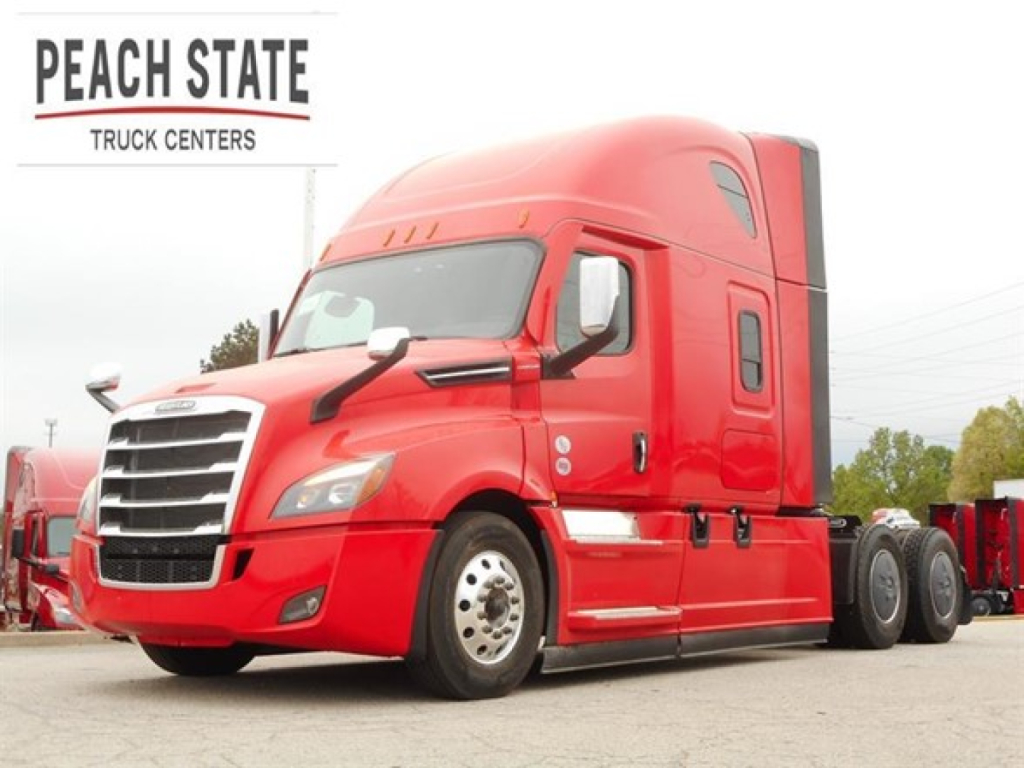
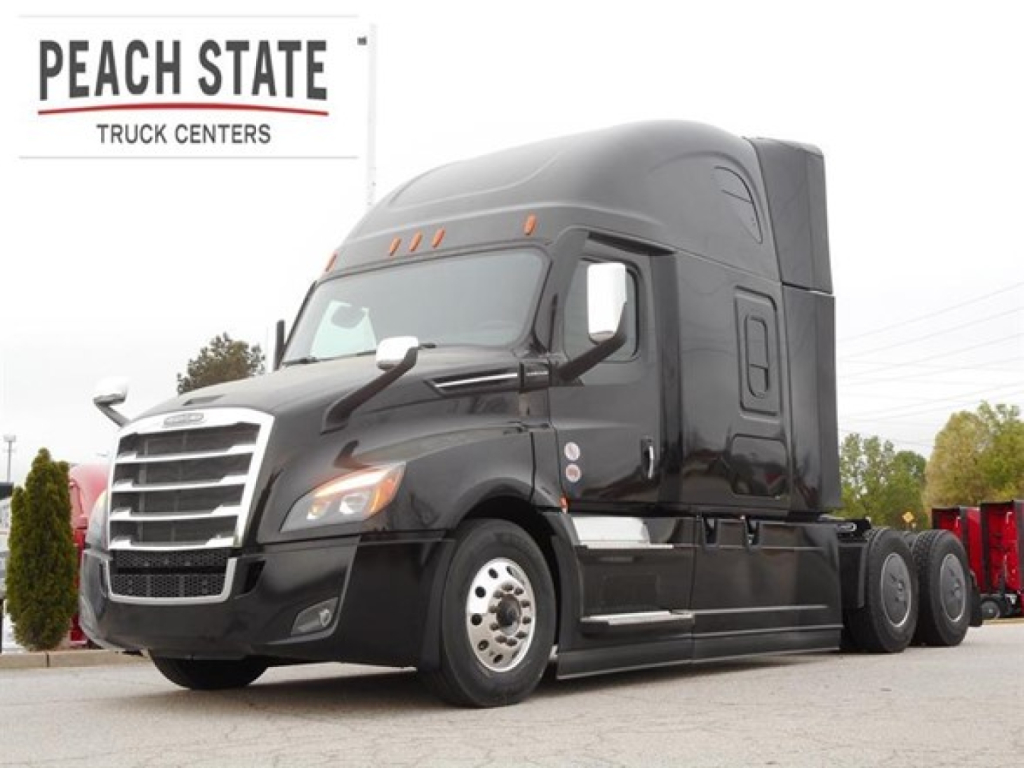
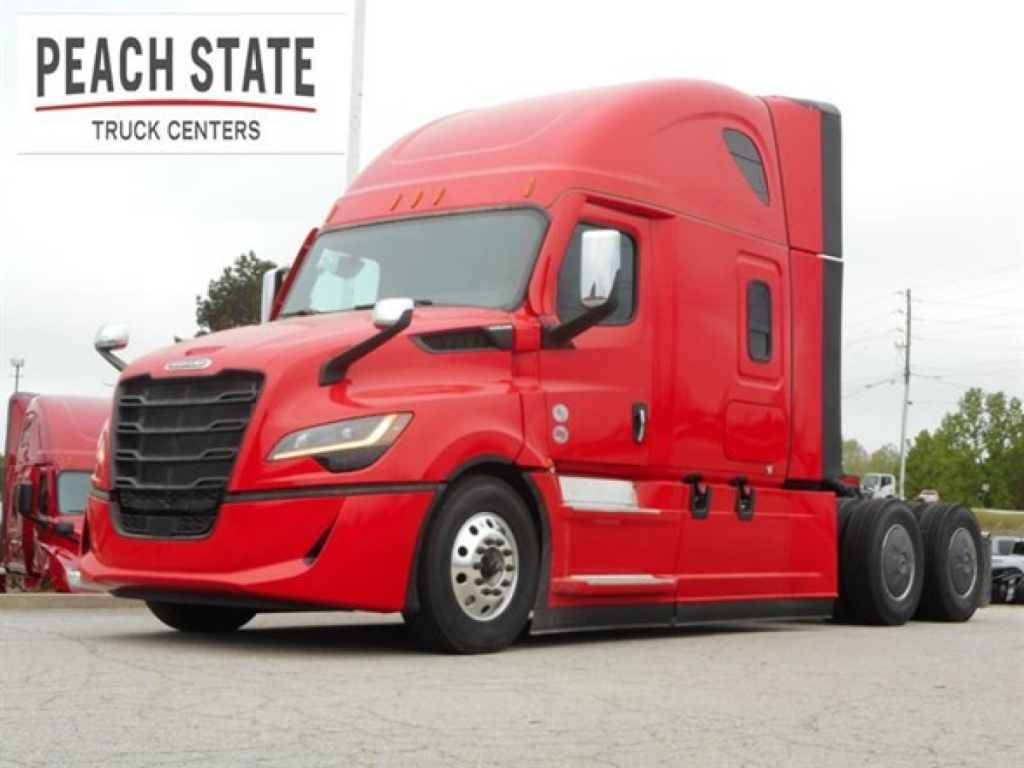
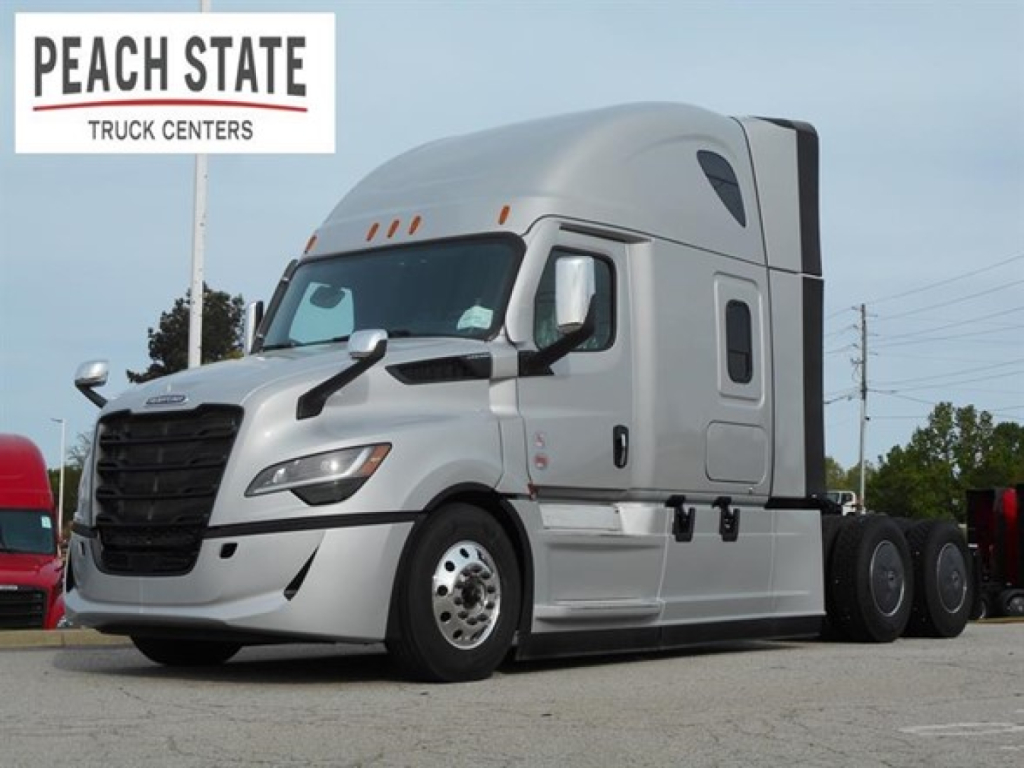
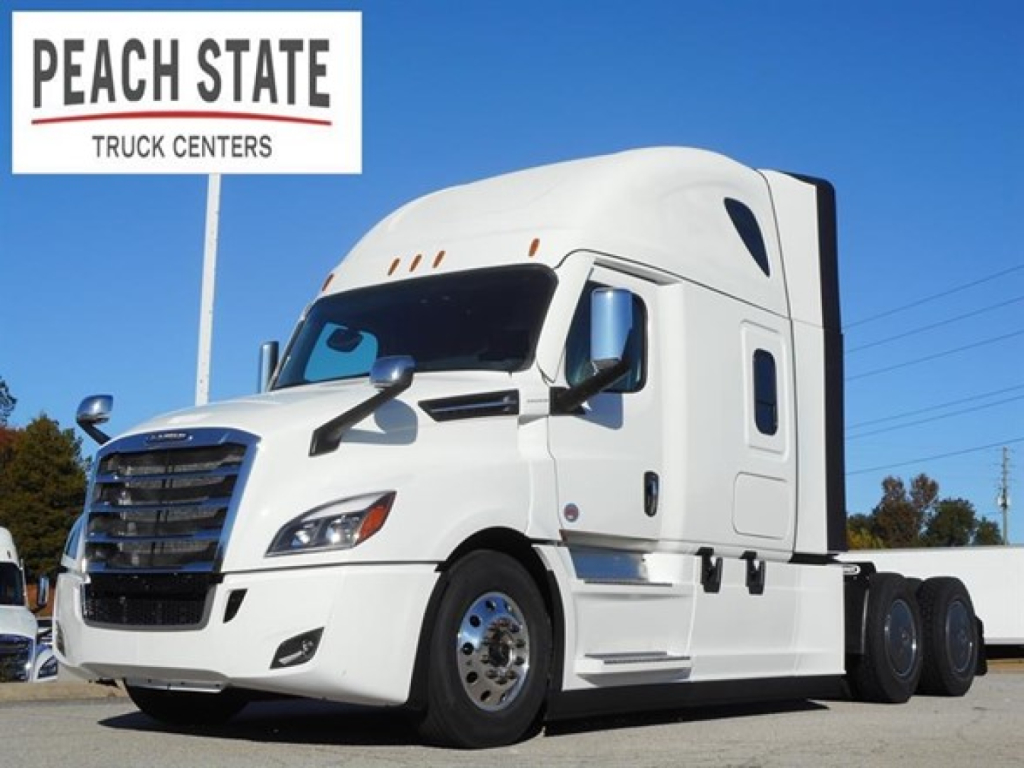
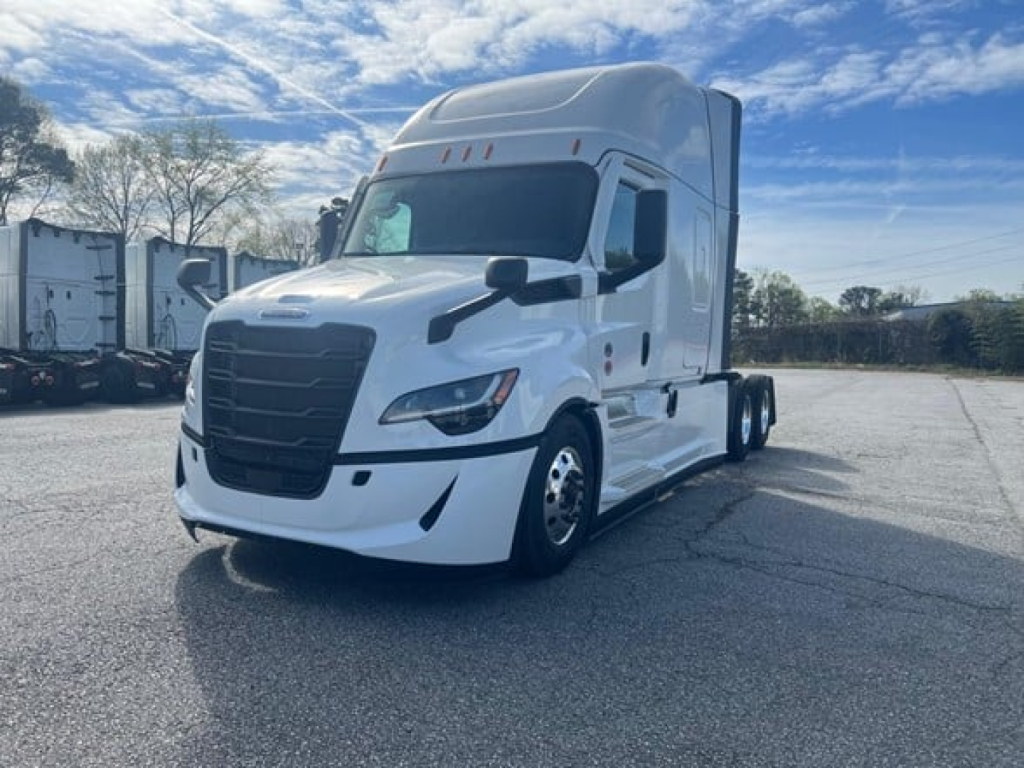
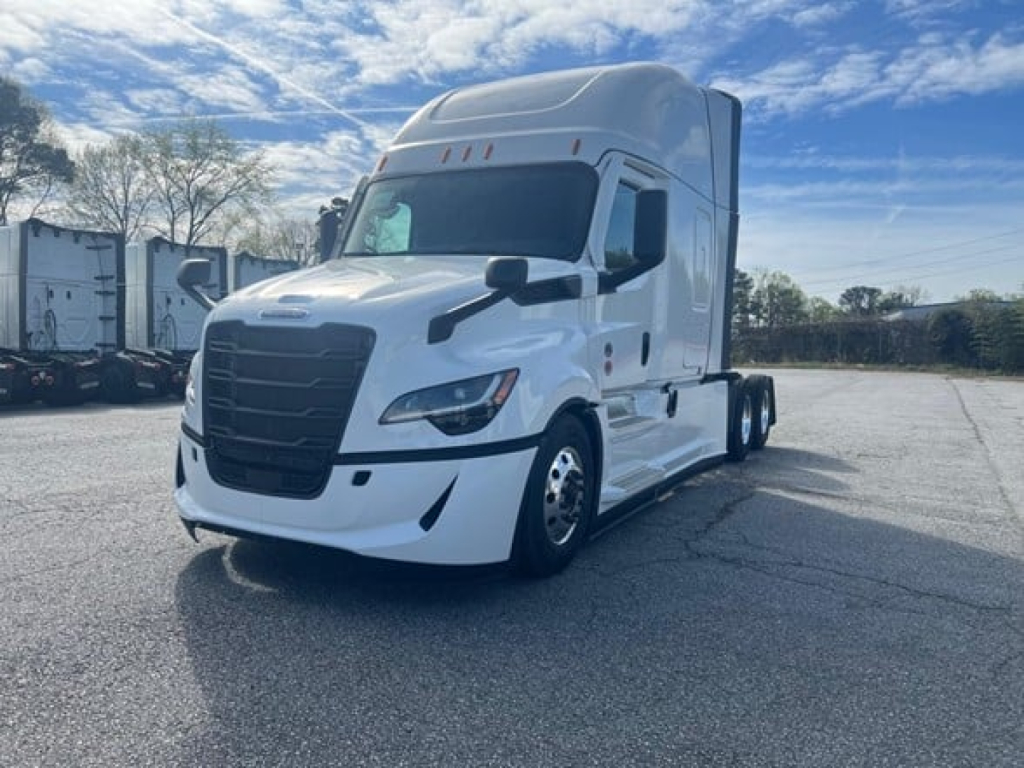
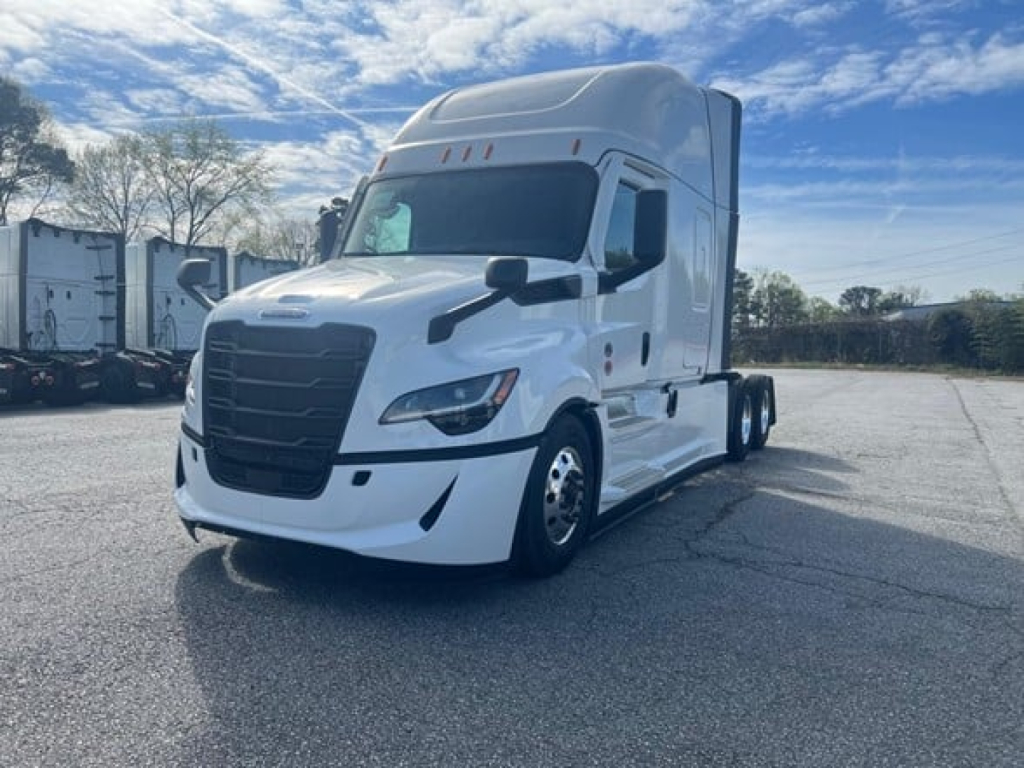
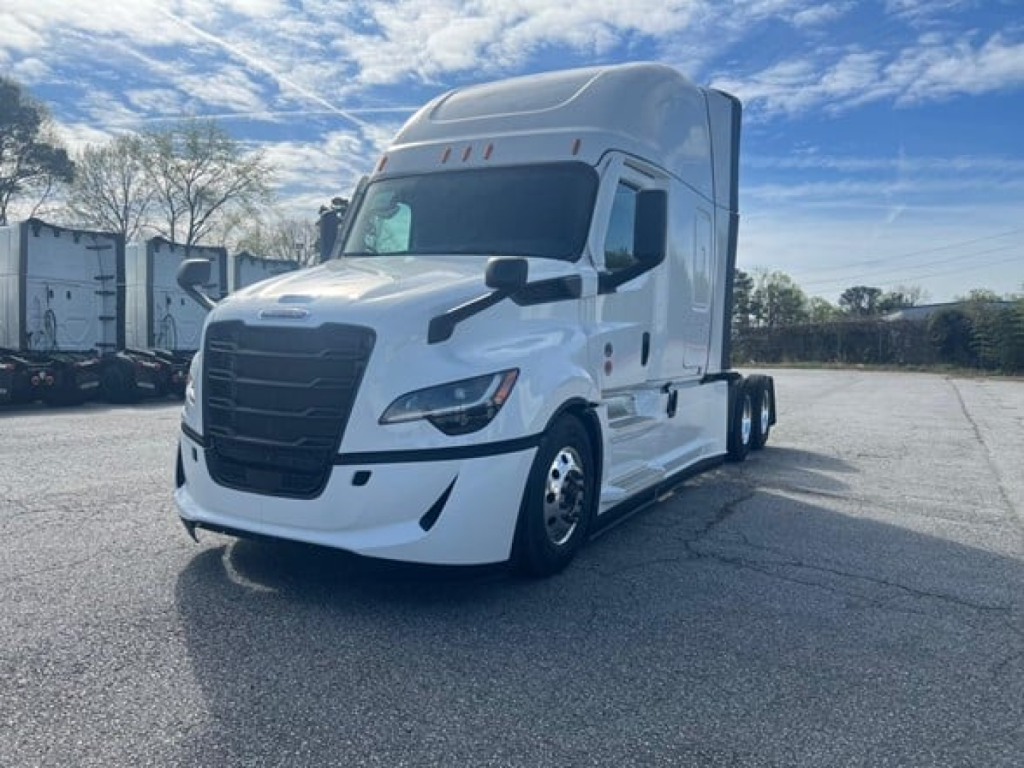
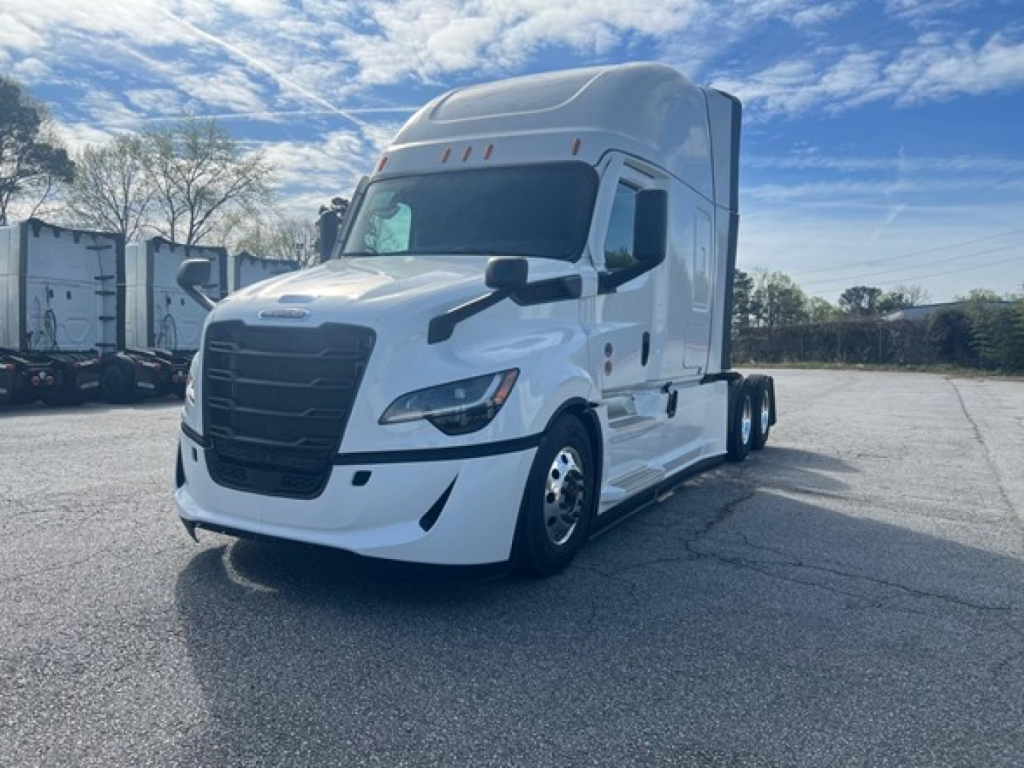
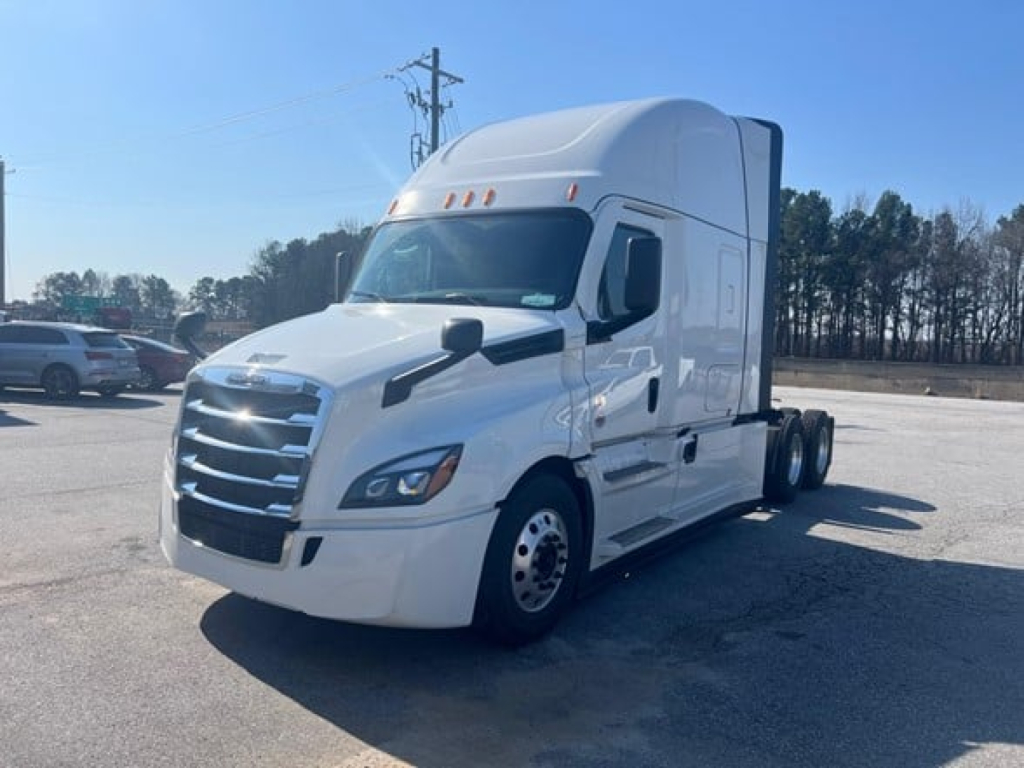
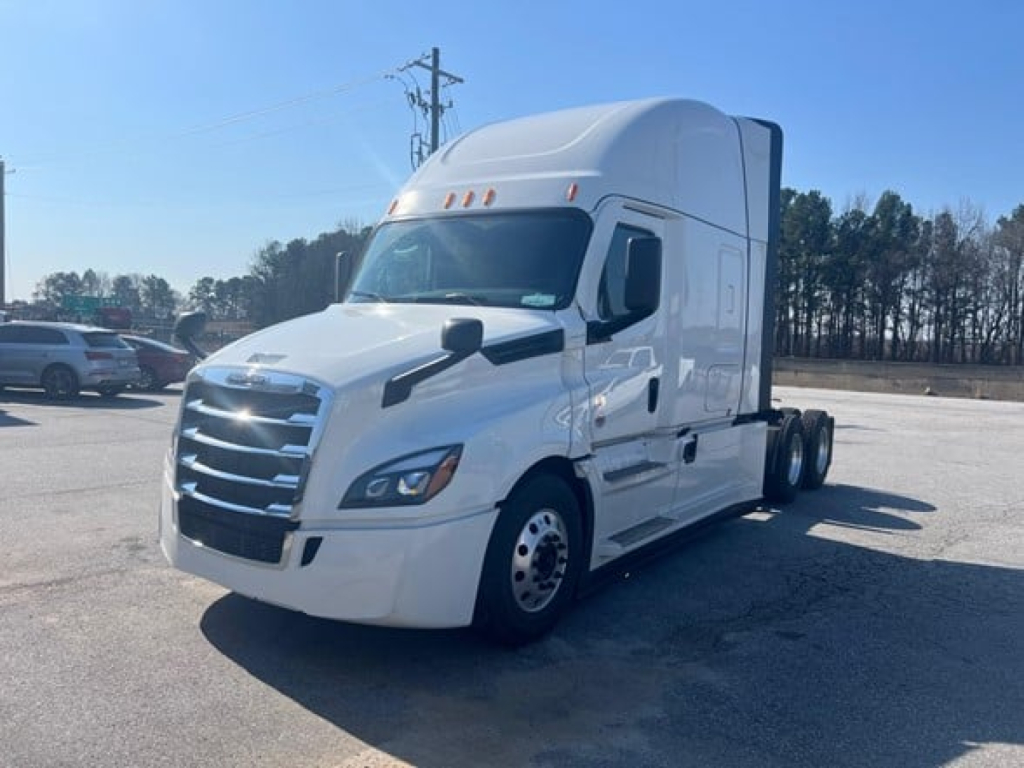
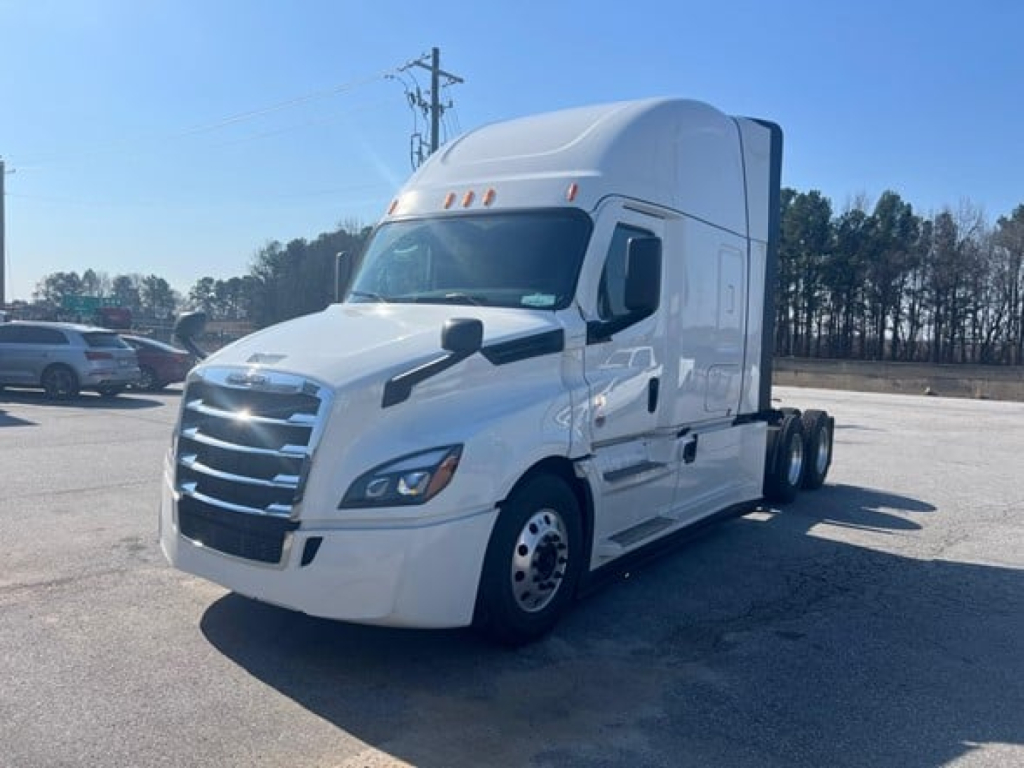
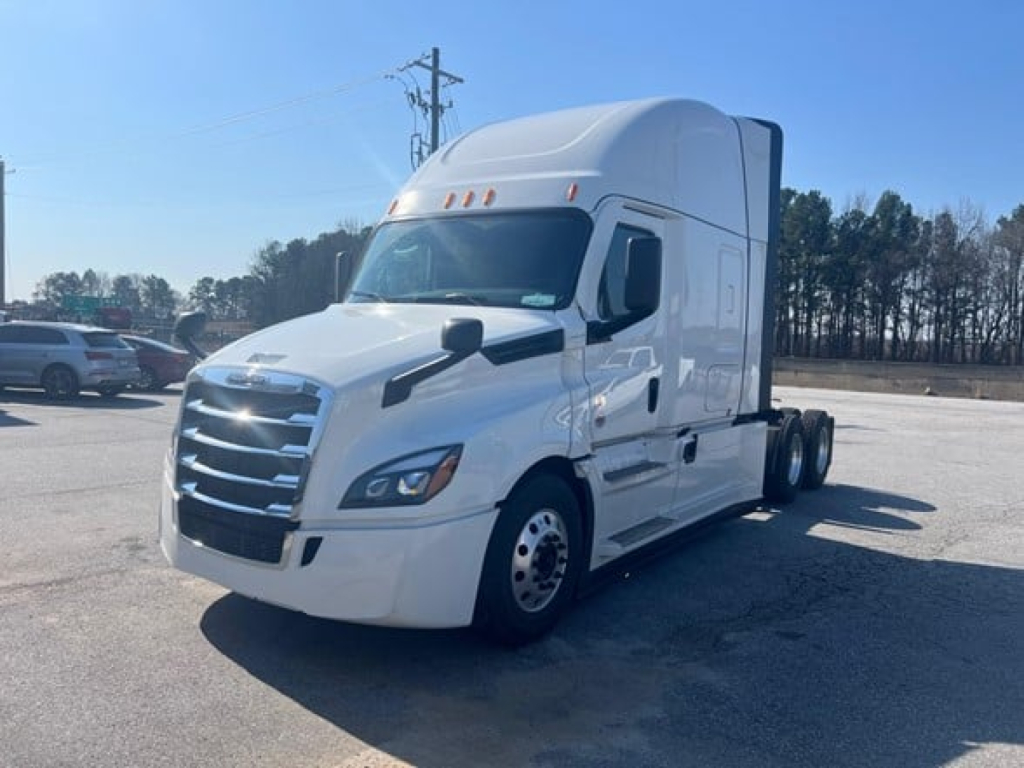
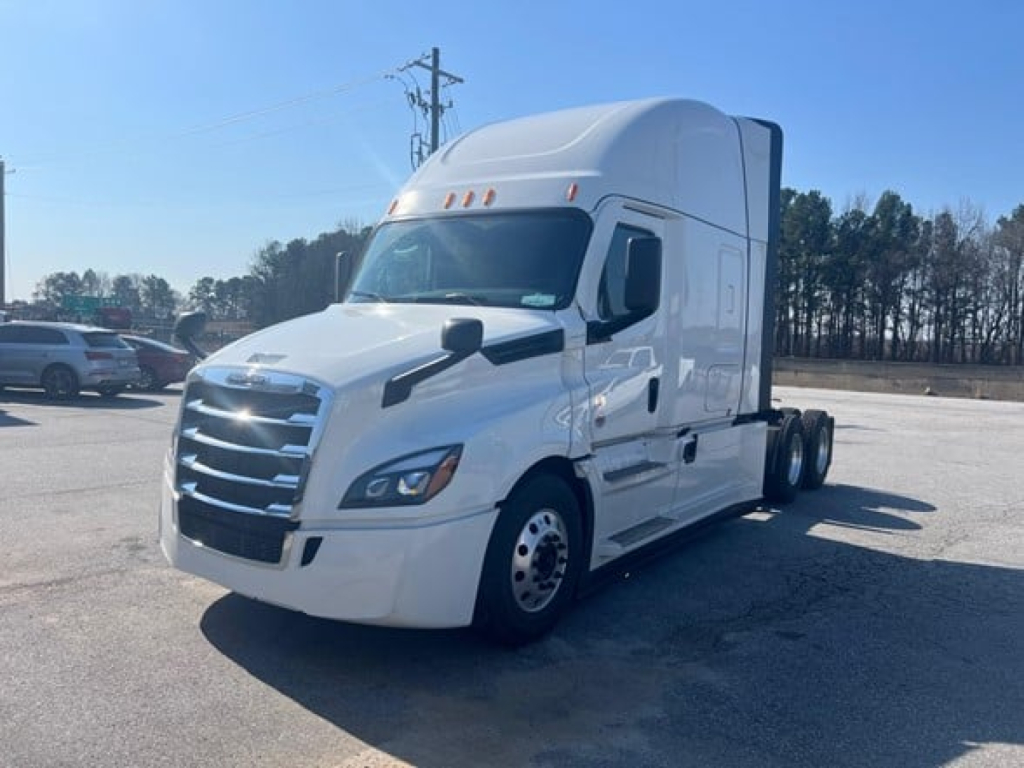
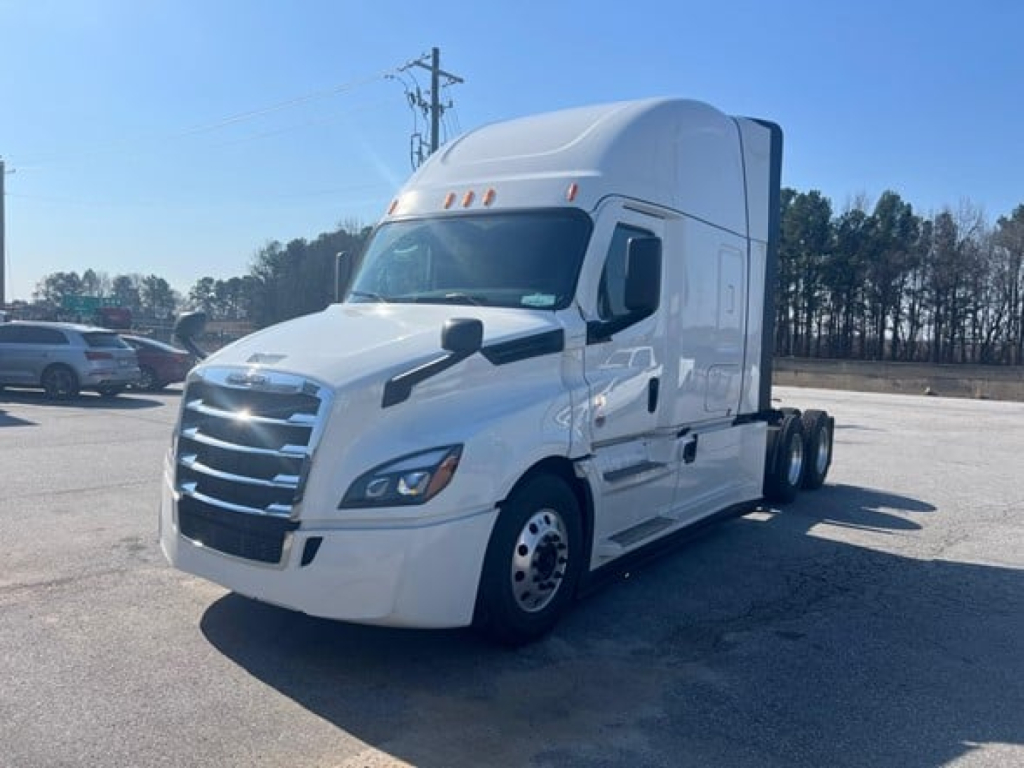
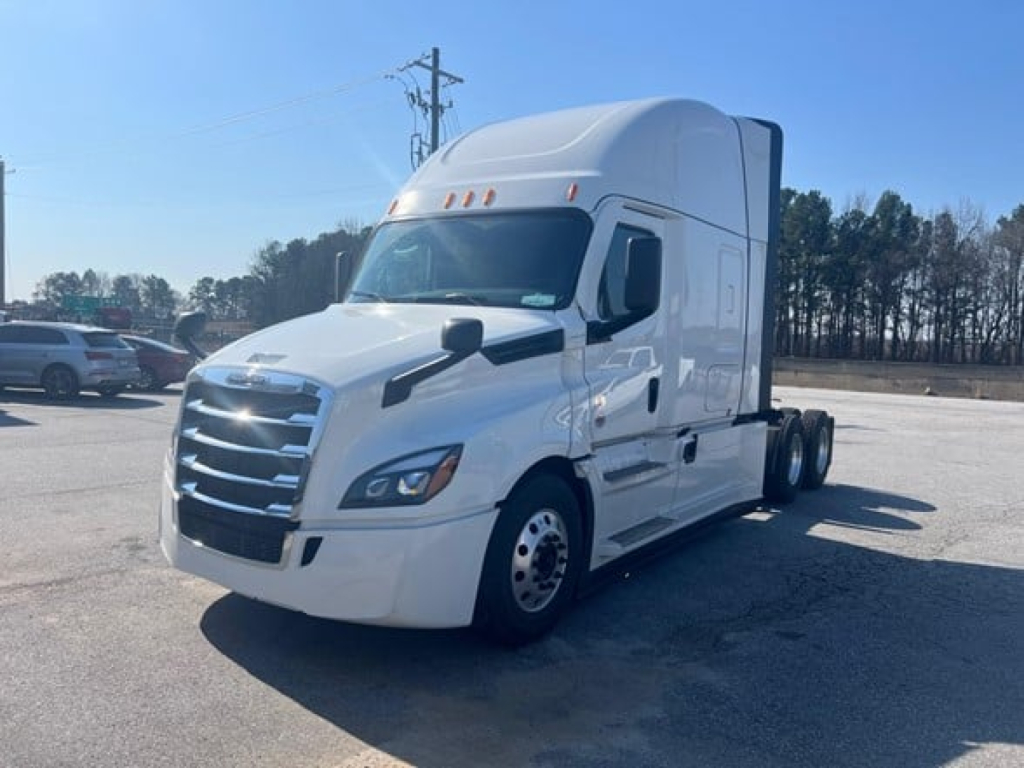
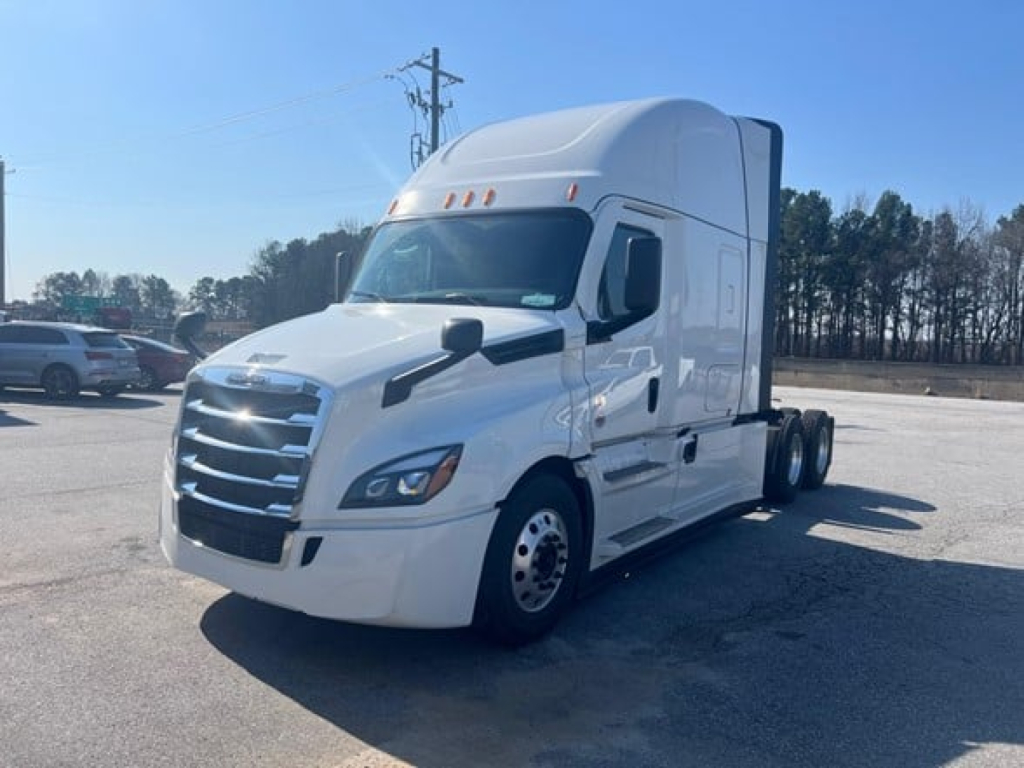
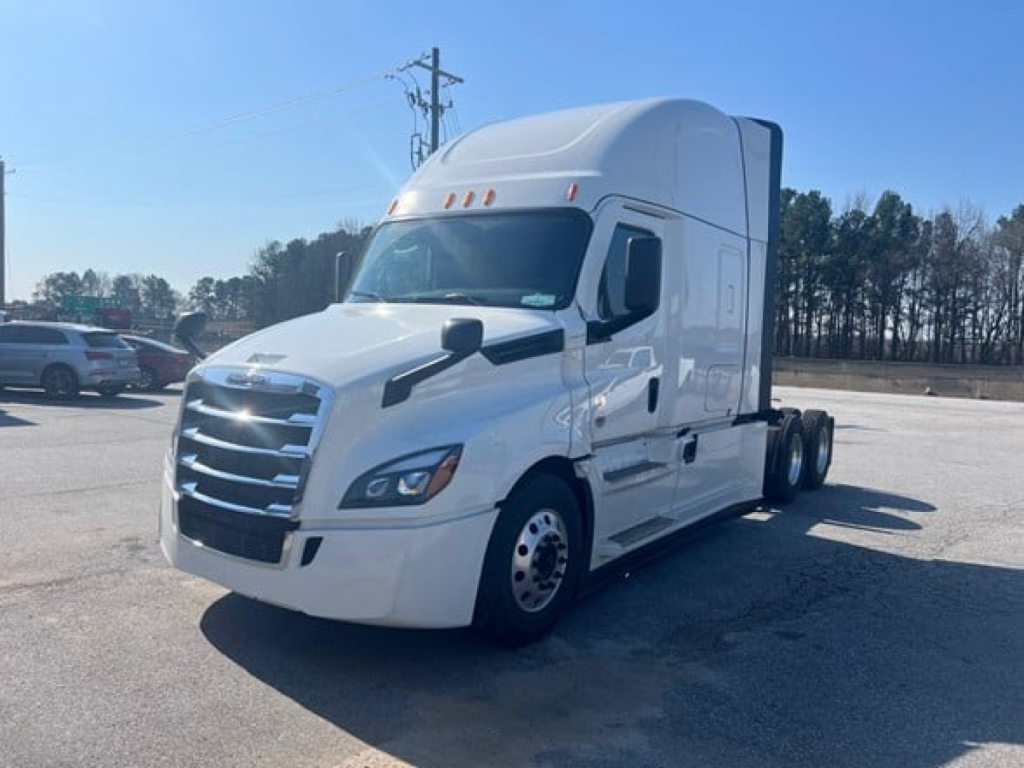
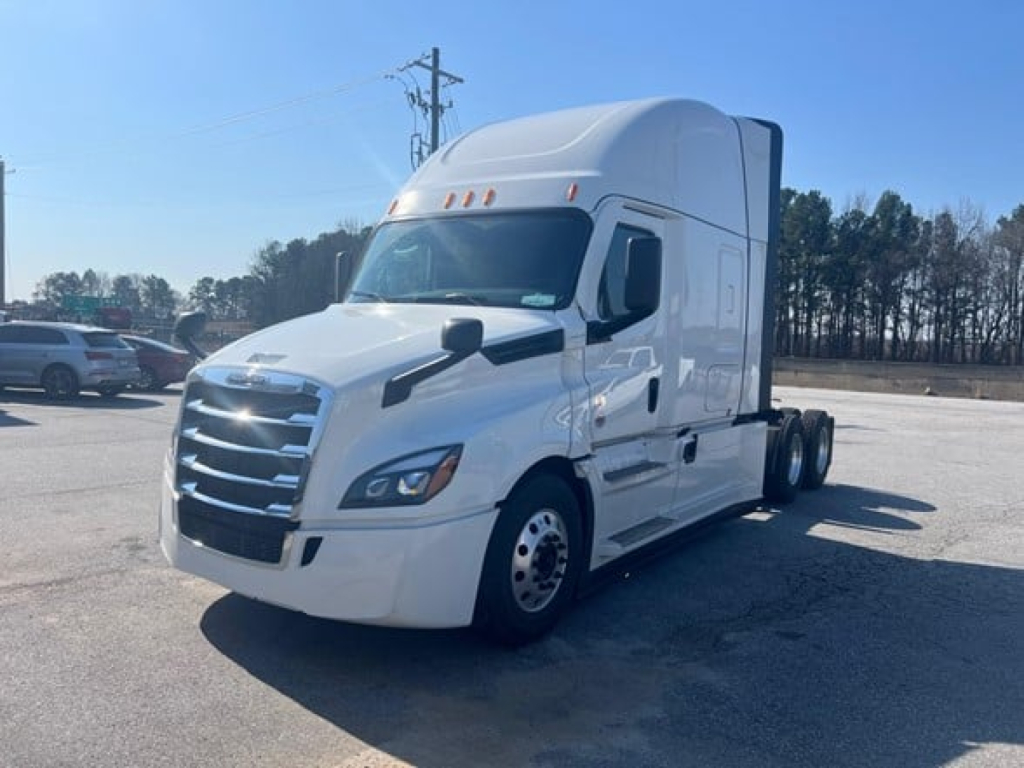
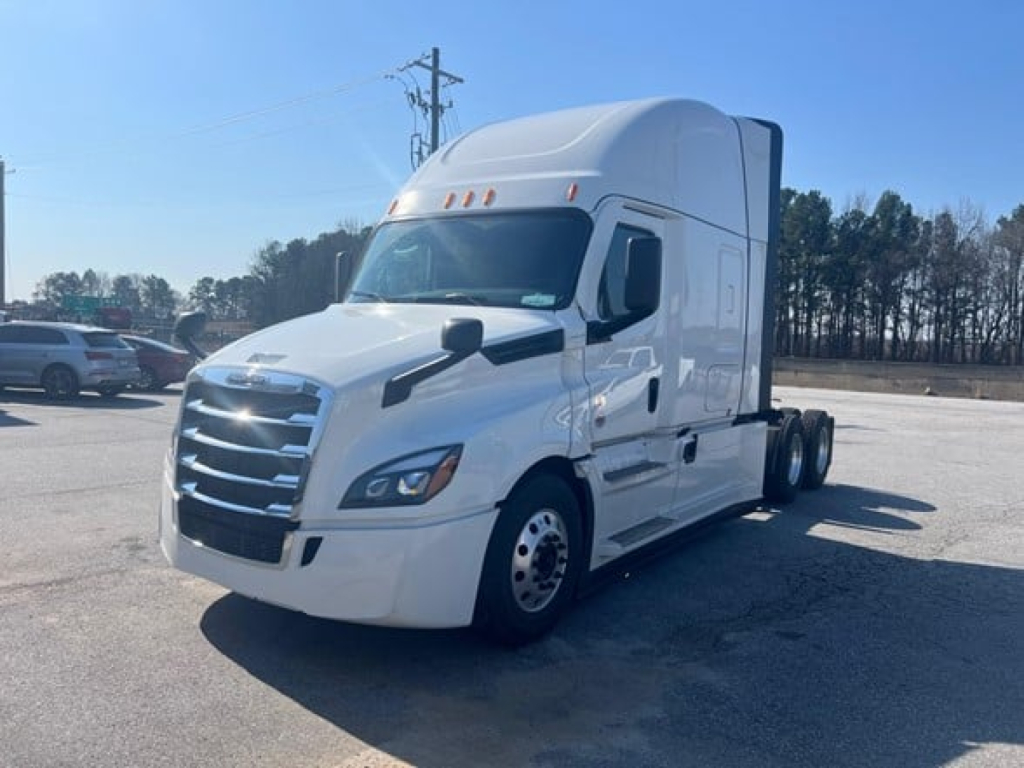
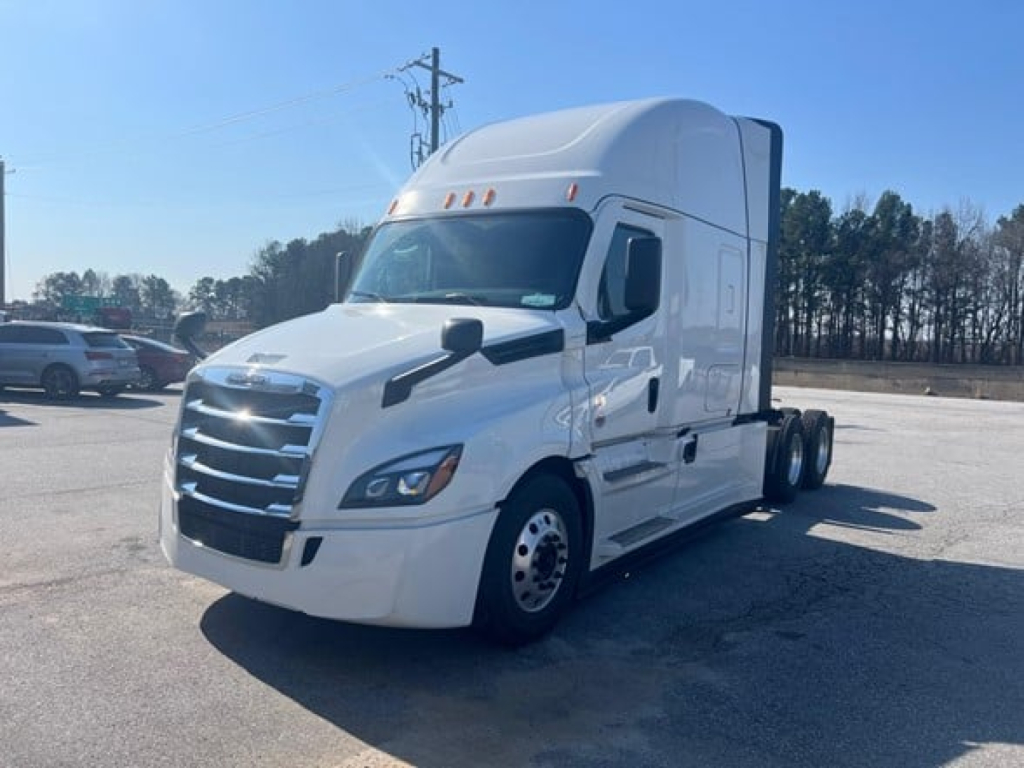
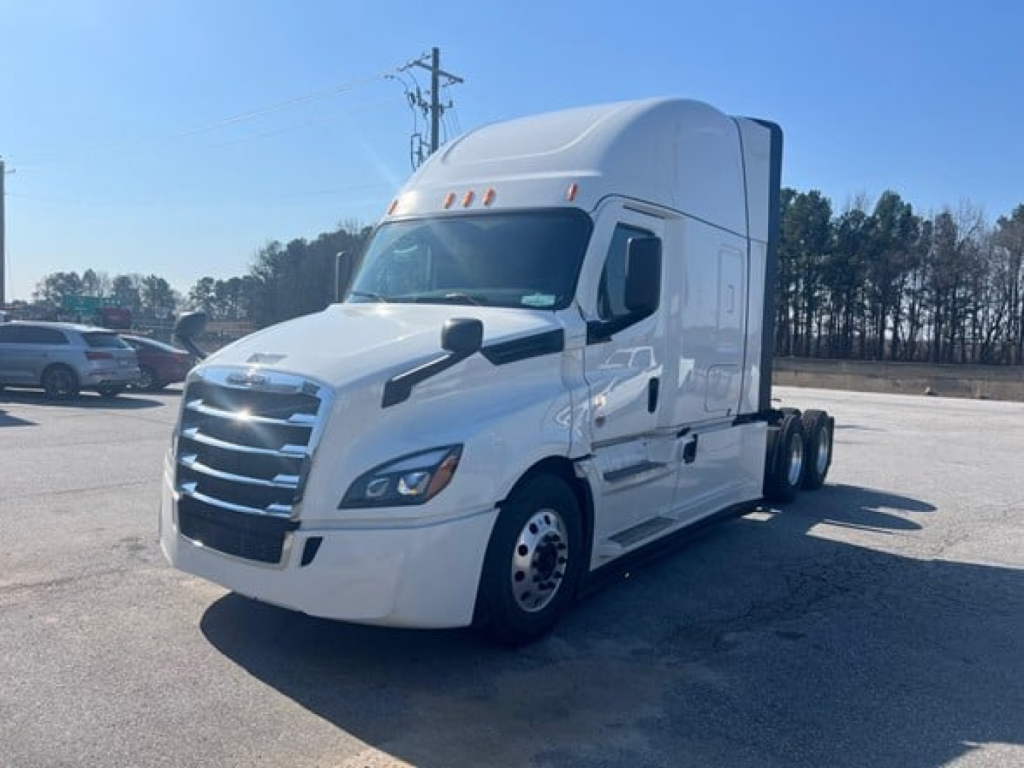
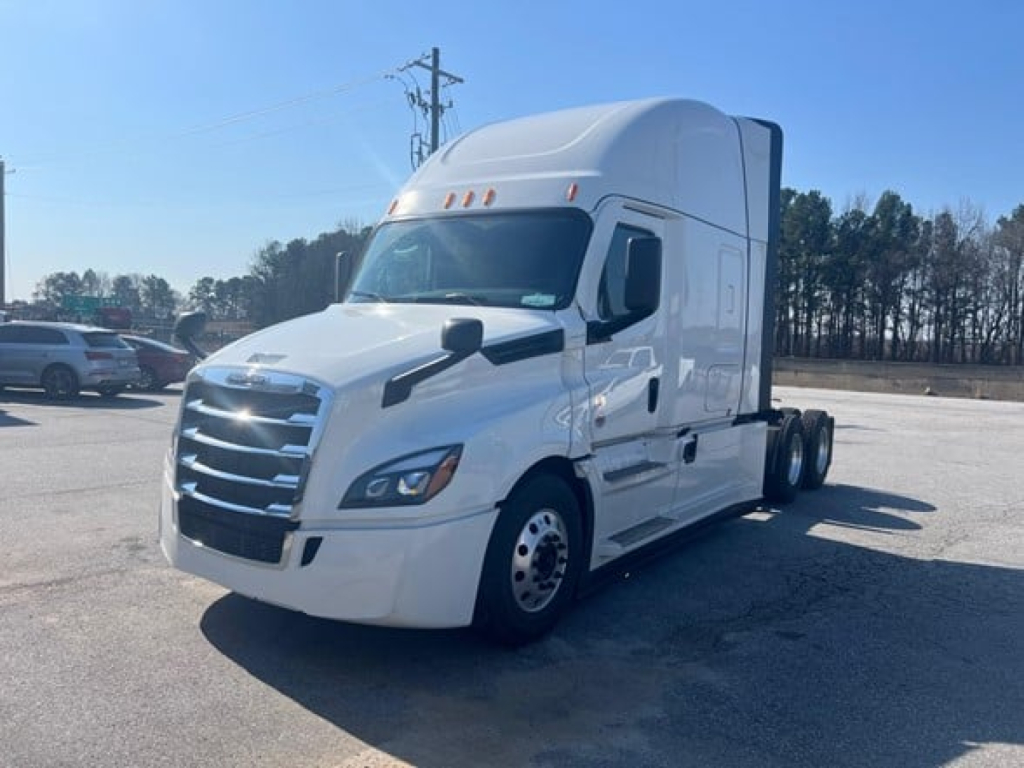
Showing 1 to 24 of 25 results
Have new 2027 freightliner conventional sleeper truck to sell? List it here to reach thousands of buyers.
New 2027 Freightliner Conventional Sleeper Trucks in Georgia
The main spec decisions start with the powertrain. Many new Freightliner sleepers are built around the Detroit DD15 paired with the DT12 automated manual transmission, a setup known for broad dealer support, efficient cruising, and strong integration with Detroit electronics. Horsepower ratings around 455 to 505 hp are common in fleet and owner-operator sleeper specs, with rear axle ratios often selected to keep engine rpm low at highway speed. Wheelbase, fuel capacity, and fifth wheel travel should match the trailer mix and kingpin settings you expect to pull. Buyers comparing listings should also look closely at suspension rating, front axle capacity, air disc brakes versus drums, locking differentials, and whether the truck is set up for van, reefer, or general freight applications.
Sleeper configuration matters as much as drivetrain on a truck that will be lived in for days at a time. Raised roof 72-inch double bunk layouts are common because they give a driver enough room for storage, standing space, and team or solo flexibility. Factory options such as auxiliary power units, bunk heaters, shore power, inverters, refrigerators, and microwave prep can reduce idling and improve driver retention. Seat trim, heated and ventilated seats, digital dash packages, and camera-monitor systems are increasingly common on newer Freightliner sleepers, and they can make a real difference in driver acceptance and fatigue over long runs.
Safety and operating technology are also central to this category. New Freightliner conventional sleepers often include advanced driver assistance systems such as forward collision mitigation, adaptive cruise control, lane departure warning, and side object detection. These features are especially relevant for high-mileage lanes through Atlanta, Savannah, and the broader Southeast, where traffic density and variable weather can raise risk exposure. A buyer comparing new 2027 Freightliner sleeper trucks should focus on total operating spec, not just model year: engine rating, bunk layout, axle ratio, brake package, driver comfort features, and integrated safety systems will determine how well the truck fits the freight, the route, and the business model.
Frequently Asked Questions about New 2027 Freightliner Conventional Sleeper Trucks in Georgia
What is a conventional sleeper truck?
A conventional sleeper truck is a highway tractor with a forward engine hood and an integrated sleeping compartment behind the cab. It is the standard configuration for long-haul and regional overnight freight because it offers better aerodynamics than older square-nose designs while still providing room for bunk space, storage, and driver amenities.
What engine and transmission are common in new Freightliner conventional sleepers?
Many new Freightliner conventional sleeper trucks are spec'd with a Detroit DD15 engine and DT12 automated manual transmission. This combination is popular because it is fuel-efficient, widely supported through Freightliner and Detroit service networks, and well matched to electronic safety systems, predictive shifting logic, and long-haul duty cycles.
What sleeper size is most common on a Freightliner Cascadia?
A 72-inch raised roof sleeper is one of the most common configurations in the Cascadia line for over-the-road work. It gives enough room for a double bunk, overhead storage, appliance options, and better living space for solo or team operations. Smaller sleepers can work for regional runs, but most long-haul buyers prioritize interior height and storage capacity.
What specs should I compare when shopping for a new 2027 Freightliner sleeper in Georgia?
The most important specs to compare are horsepower, transmission, rear axle ratio, wheelbase, fuel capacity, and sleeper layout. After that, look at brake type, suspension rating, differential locks, driver assistance systems, and idle-reduction equipment such as an APU or bunk heater. In Georgia and the Southeast, cooling performance, highway gearing, and safety tech are especially relevant because of heat, traffic, and high interstate mileage.
Are advanced safety systems worth it on a new sleeper truck?
For many fleets and owner-operators, the answer is yes. Features such as forward collision mitigation, adaptive cruise control, lane departure warning, and side object detection can reduce driver workload and may help lower exposure in dense traffic. They are most valuable on high-mileage OTR routes where fatigue, congestion, and changing road conditions are constant factors.