
New 2027 Freightliner Conventional Sleeper Trucks For Sale
Shop new 2027 Freightliner conventional sleeper trucks, including Cascadia models with aero design, Detroit power, DT12 transmission, and modern safety tech.
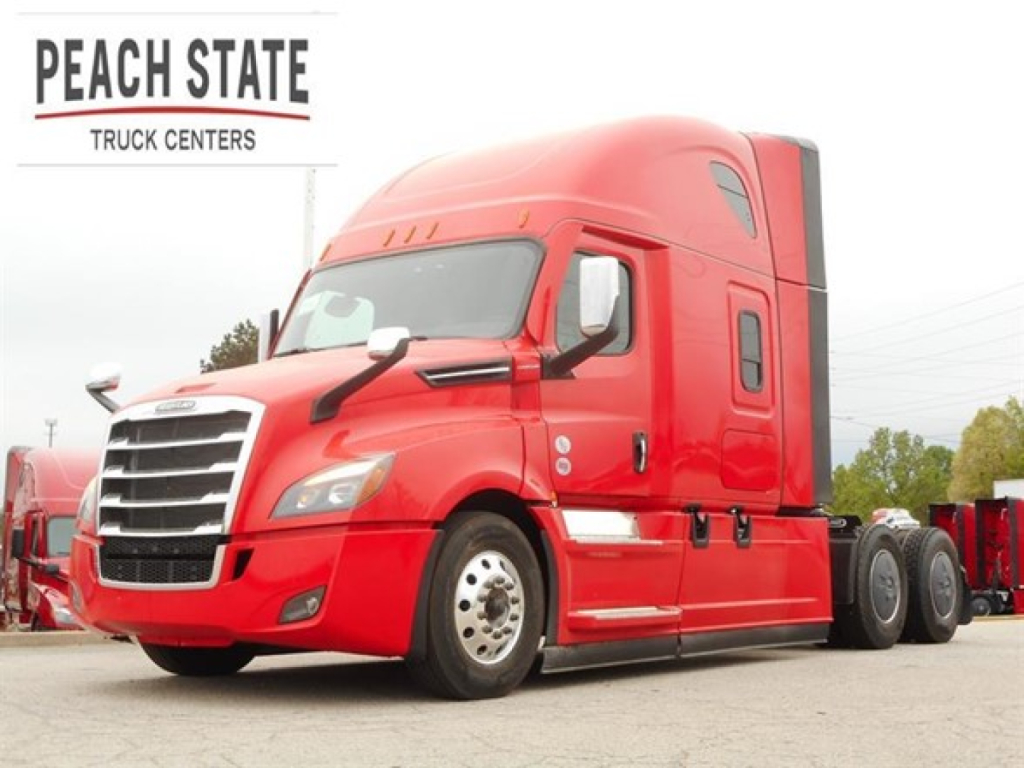
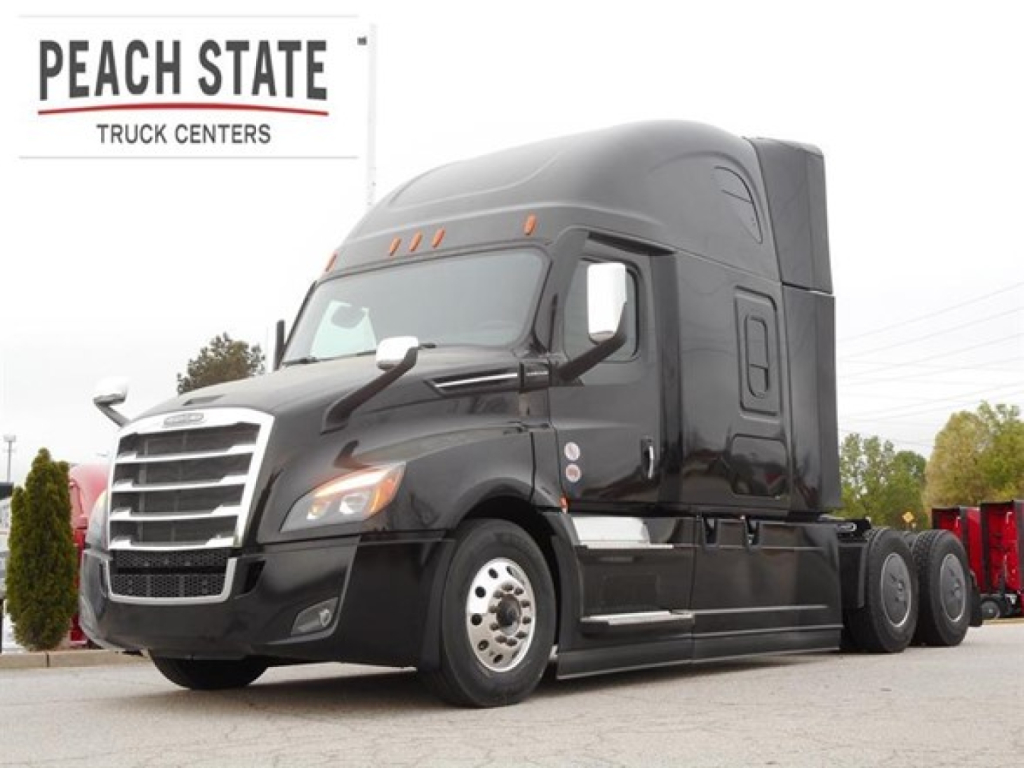
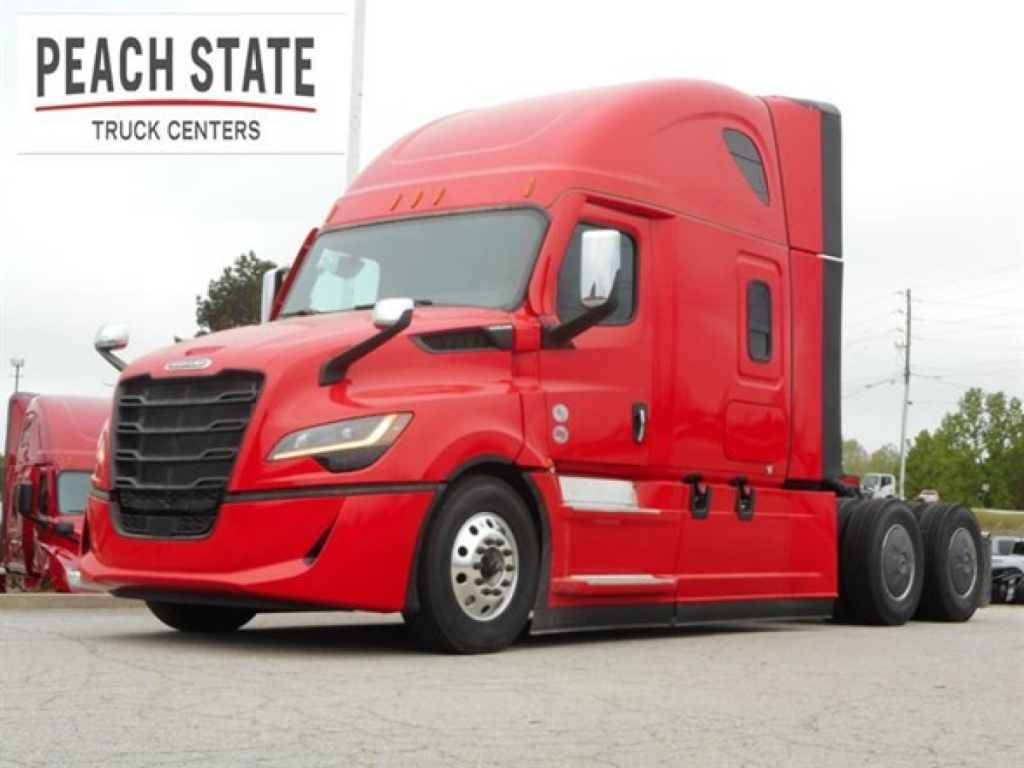
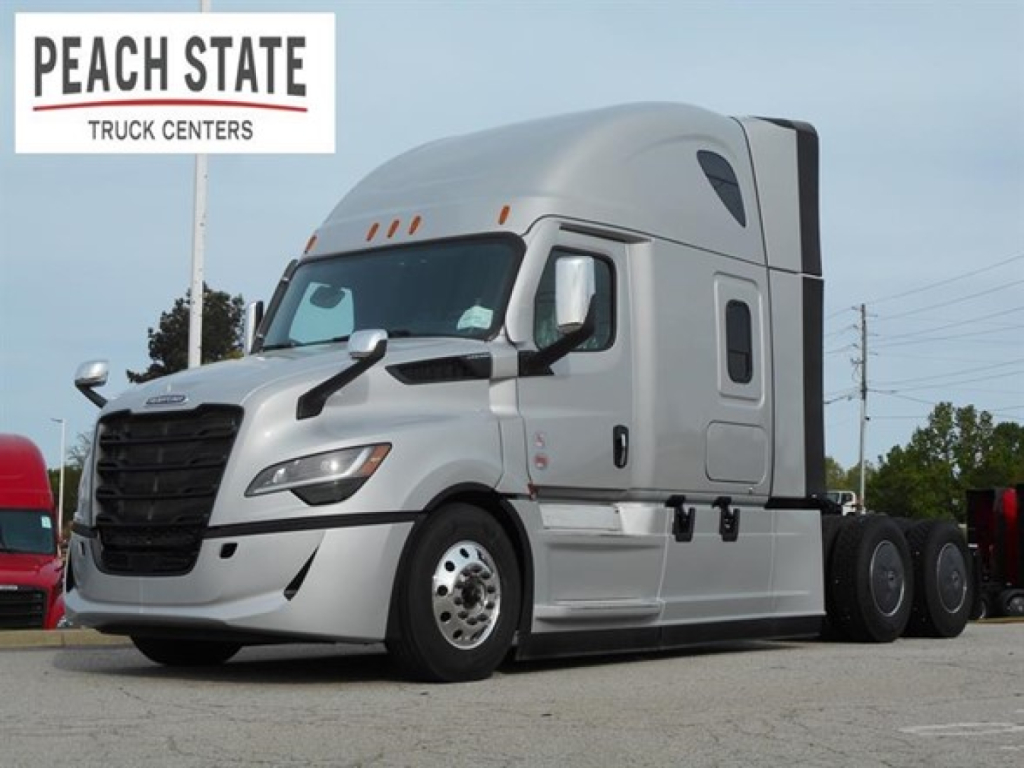
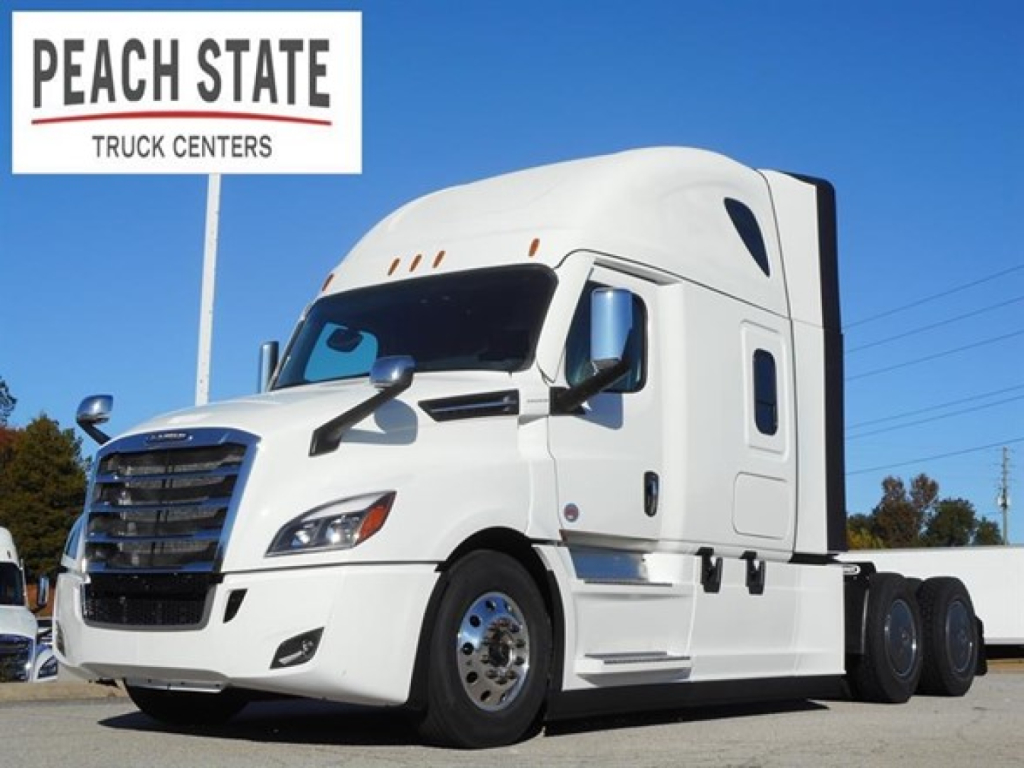
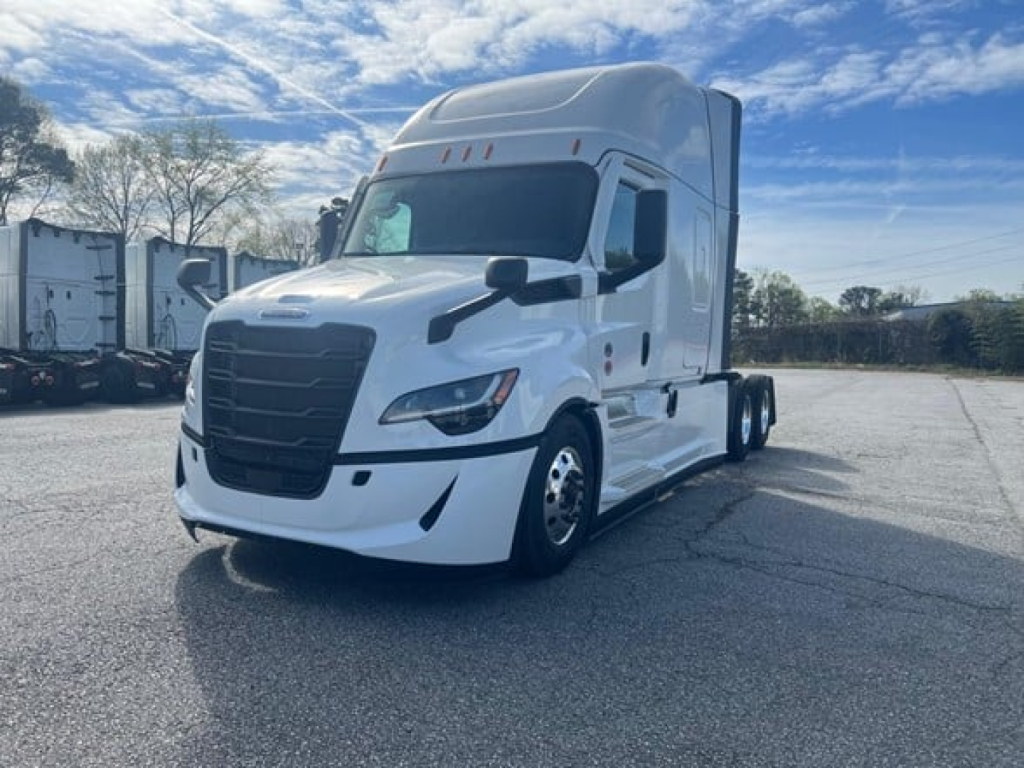
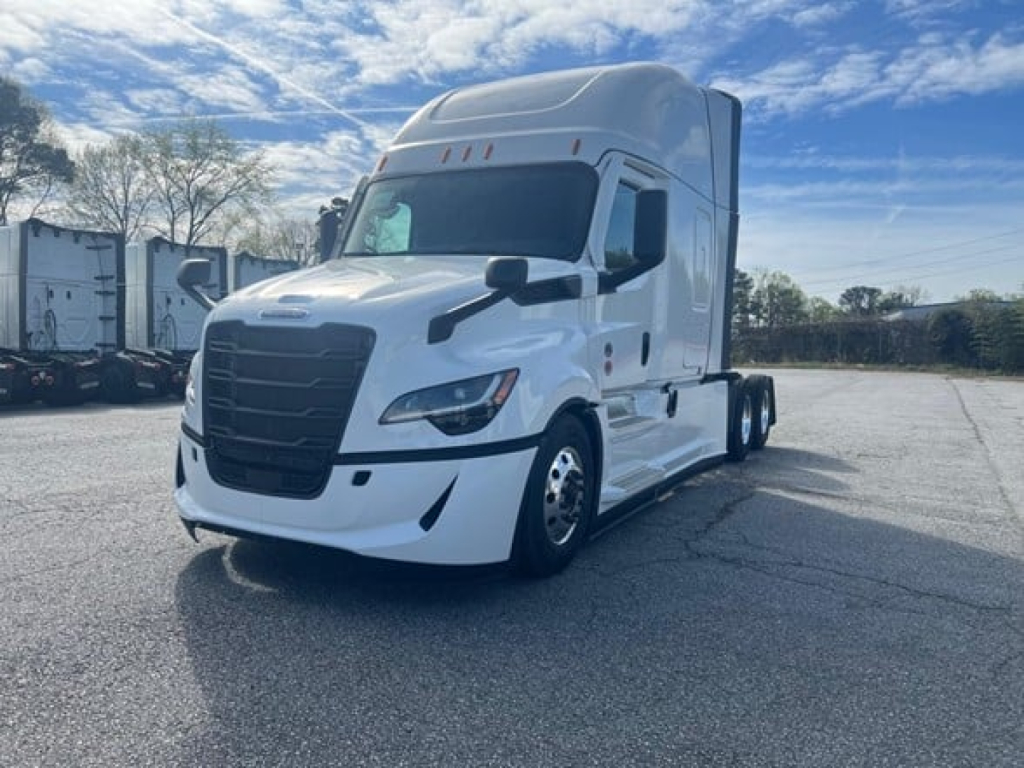
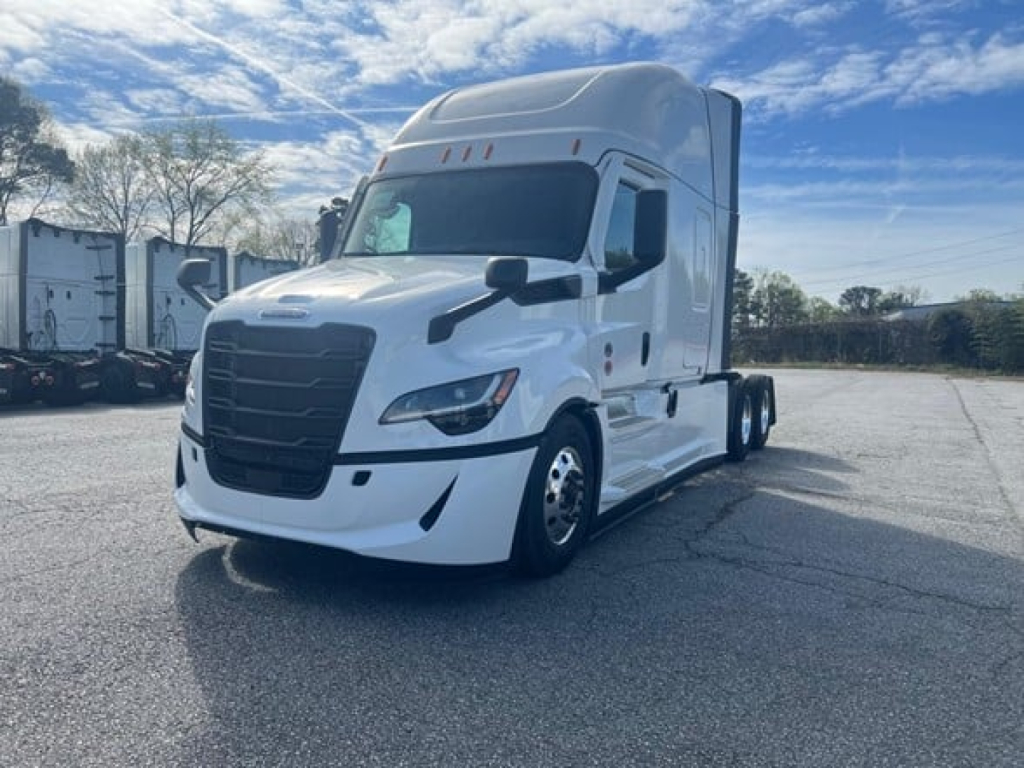
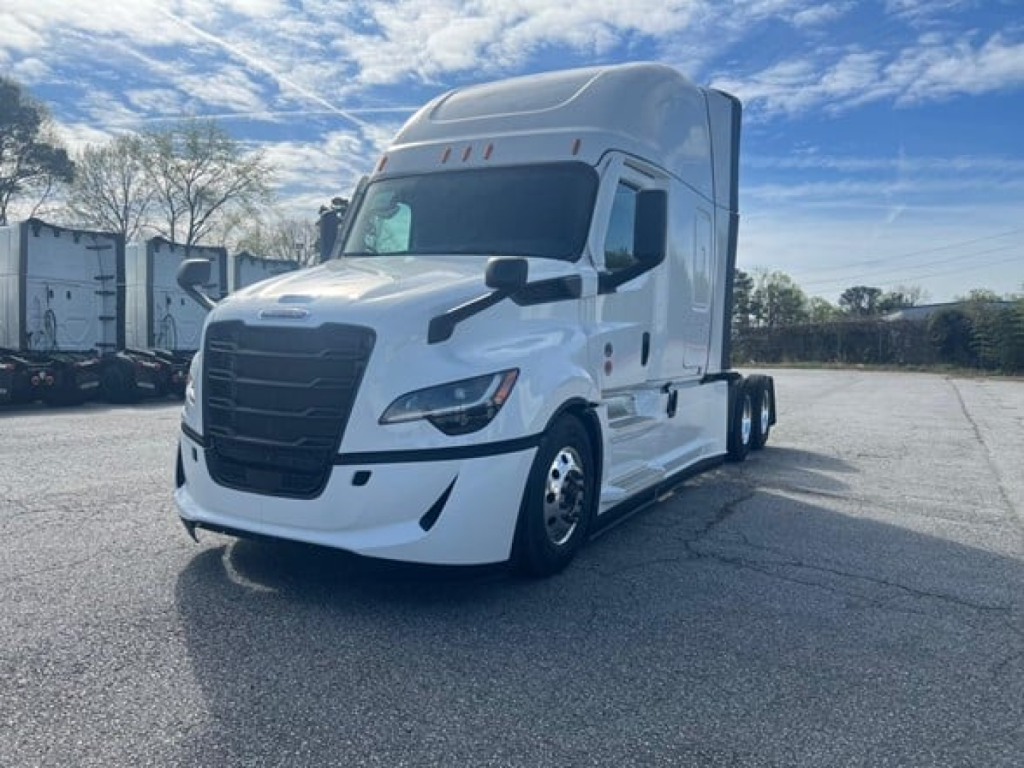
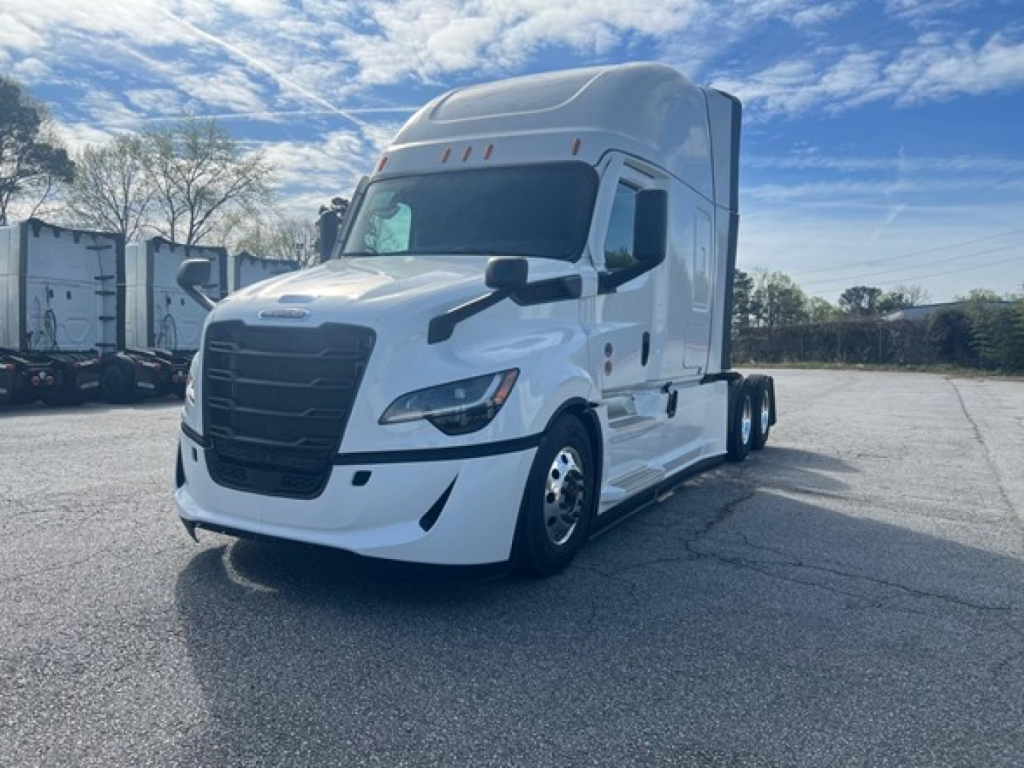
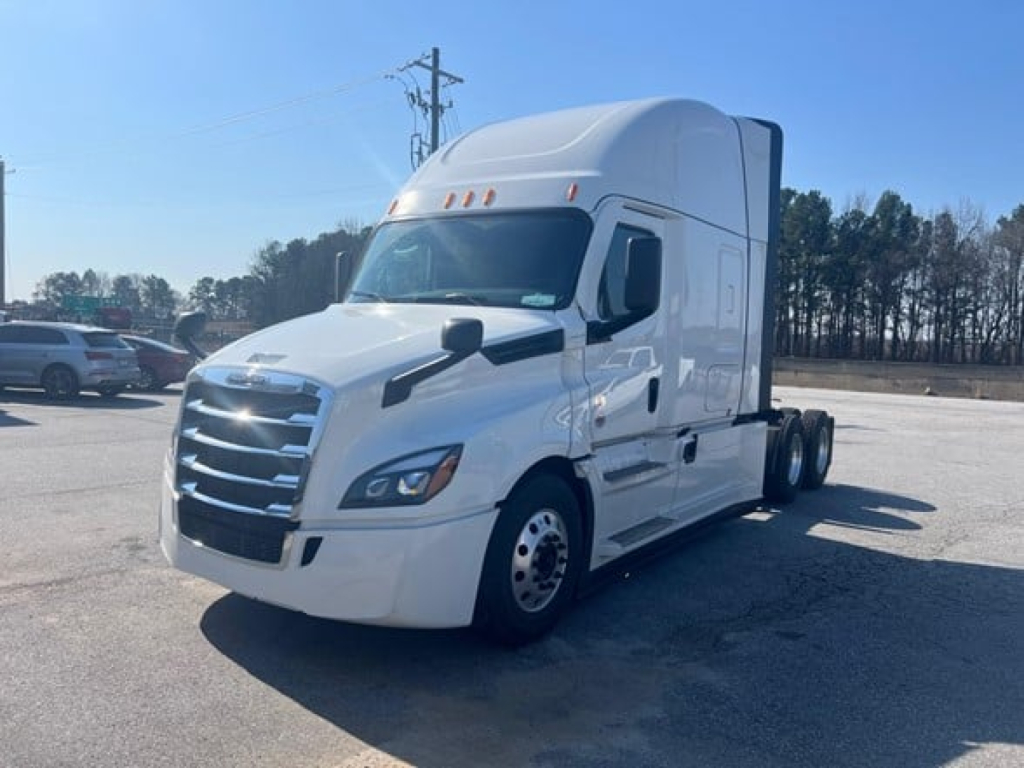
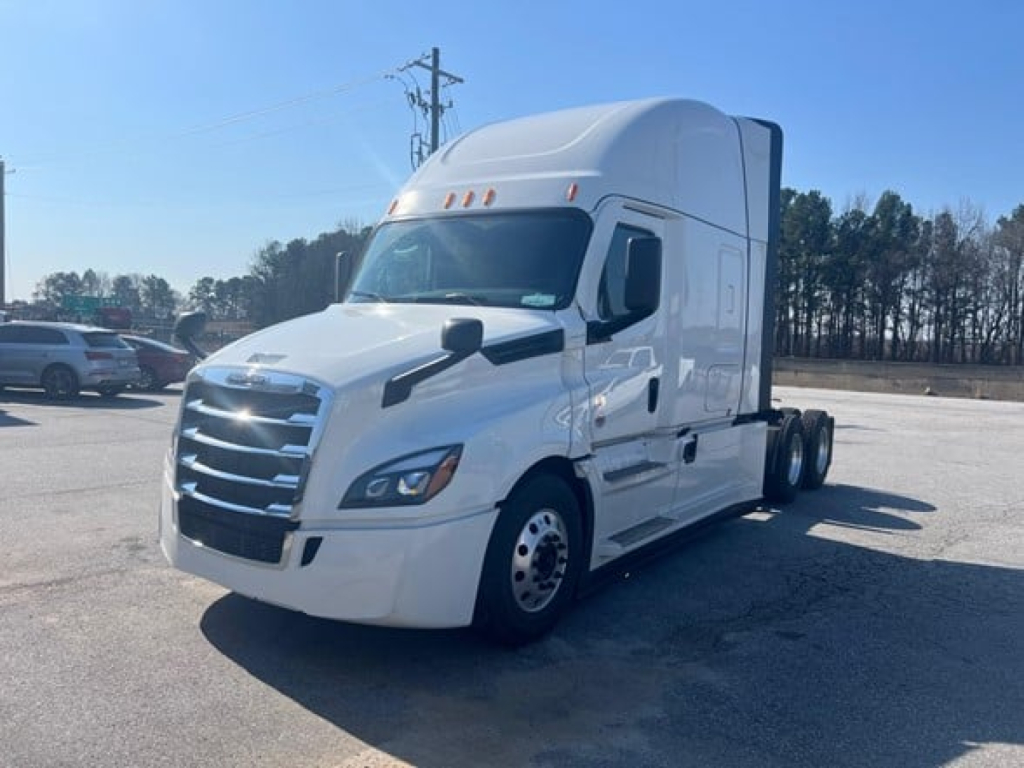
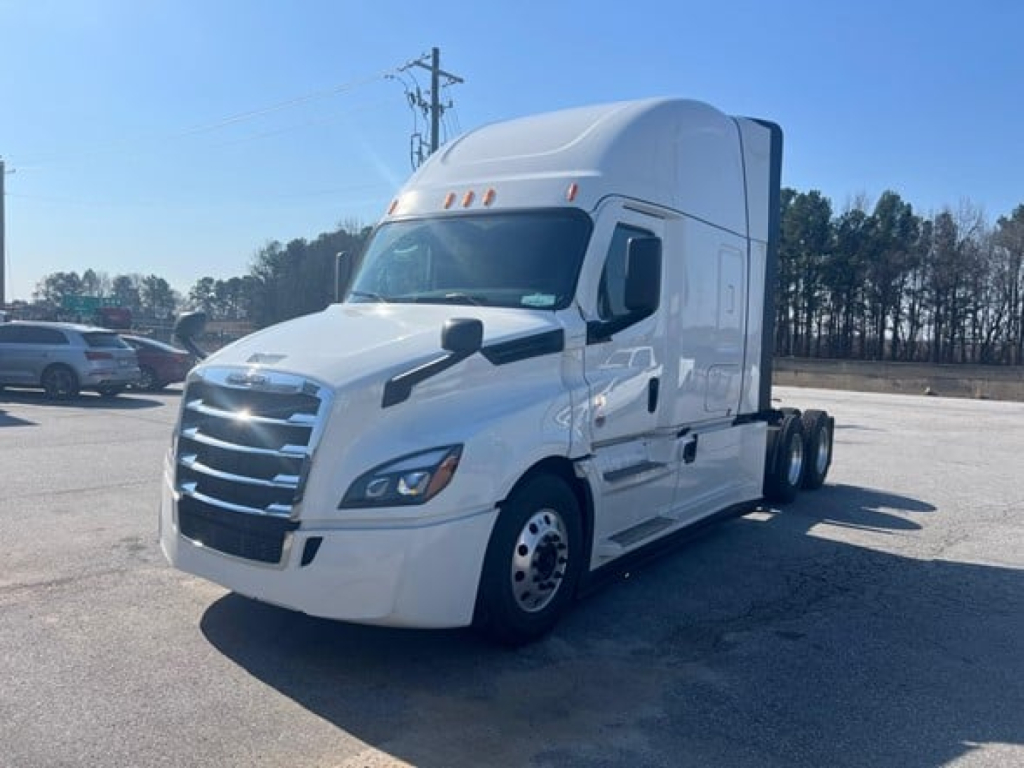
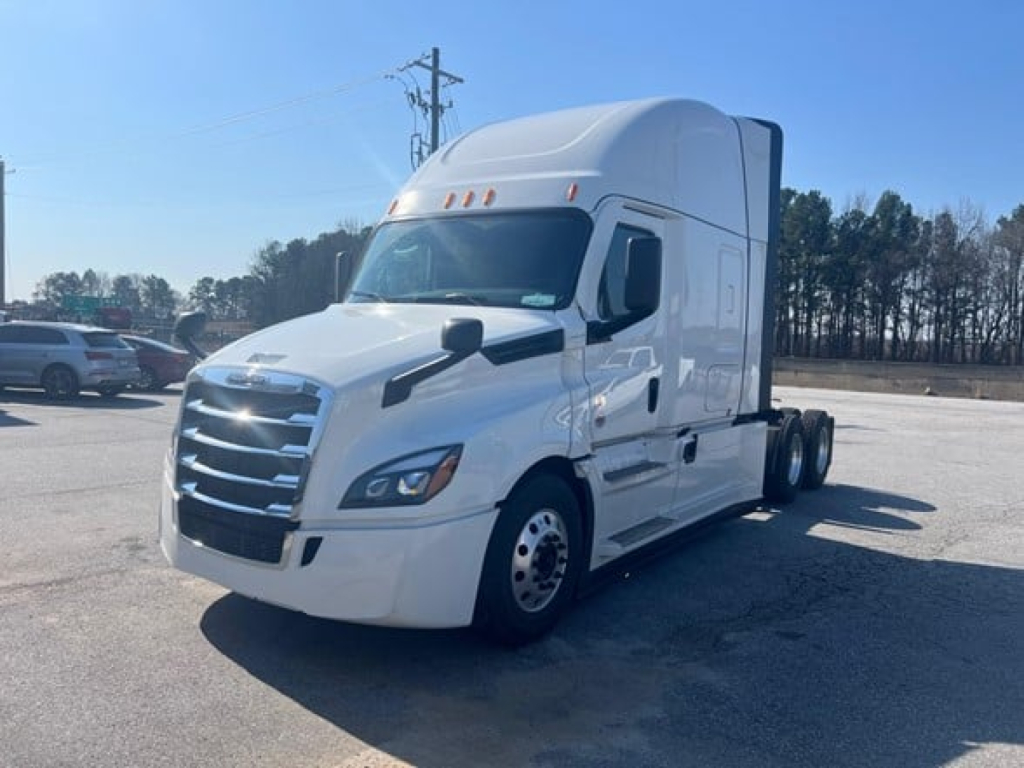
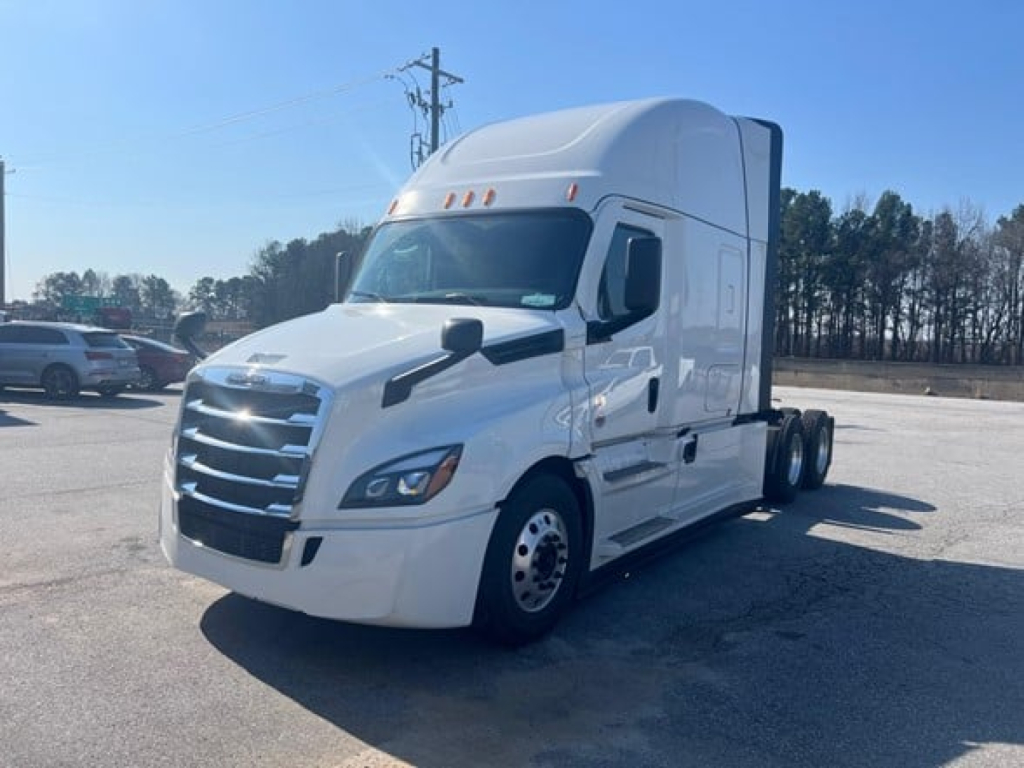
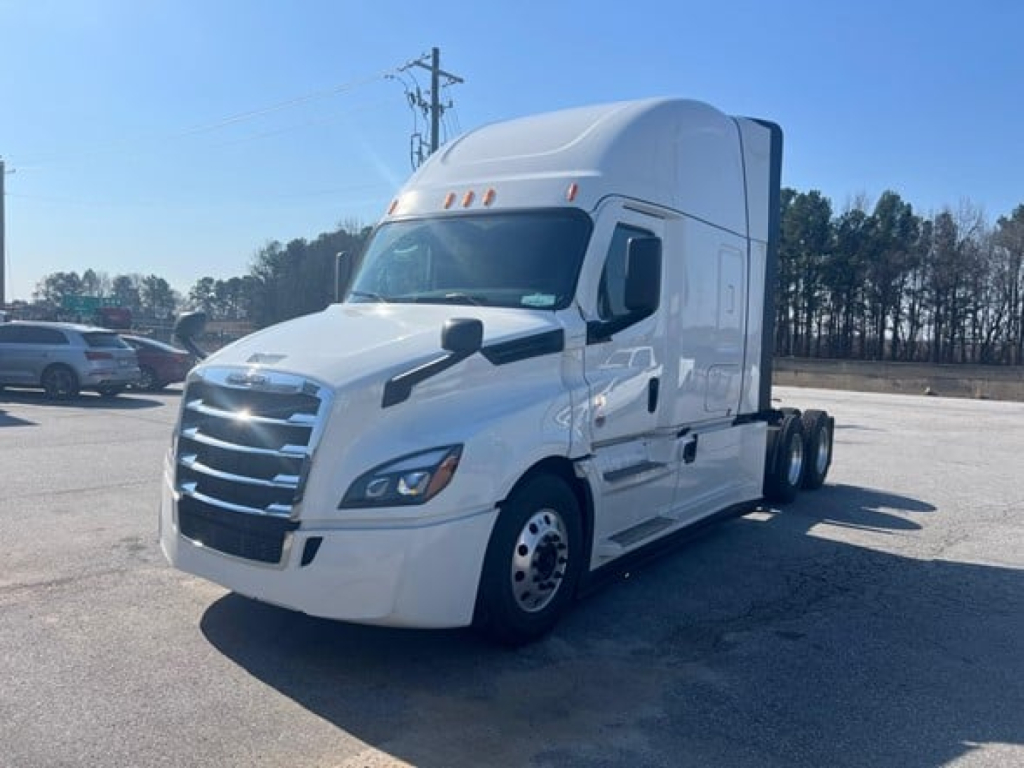
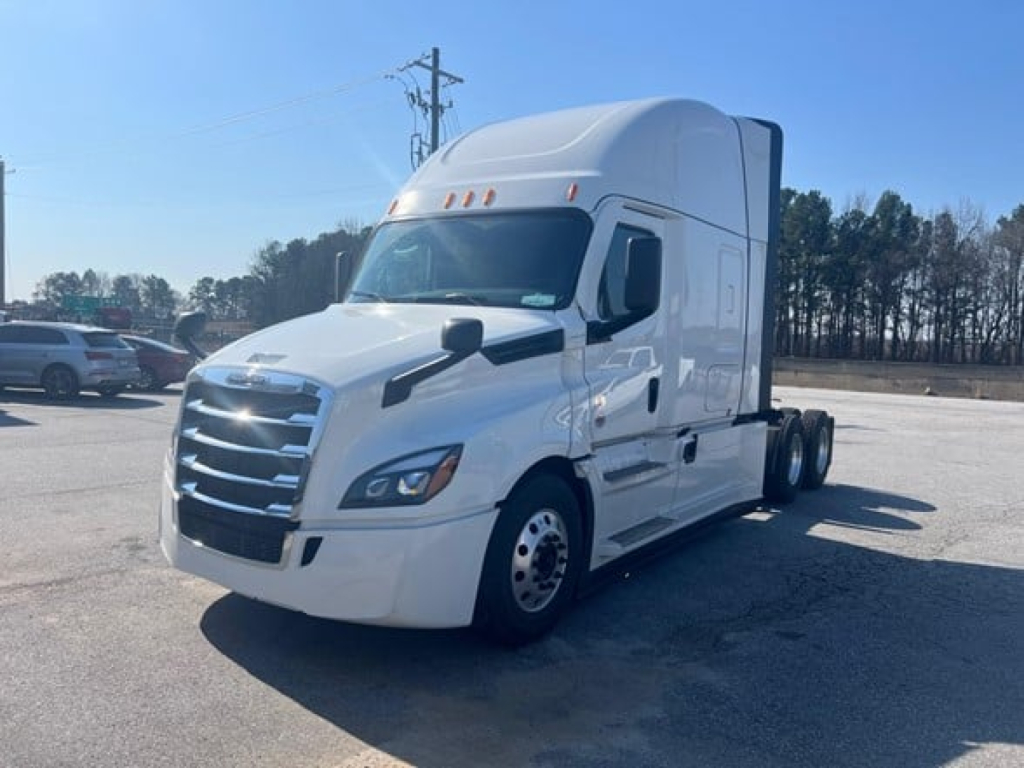
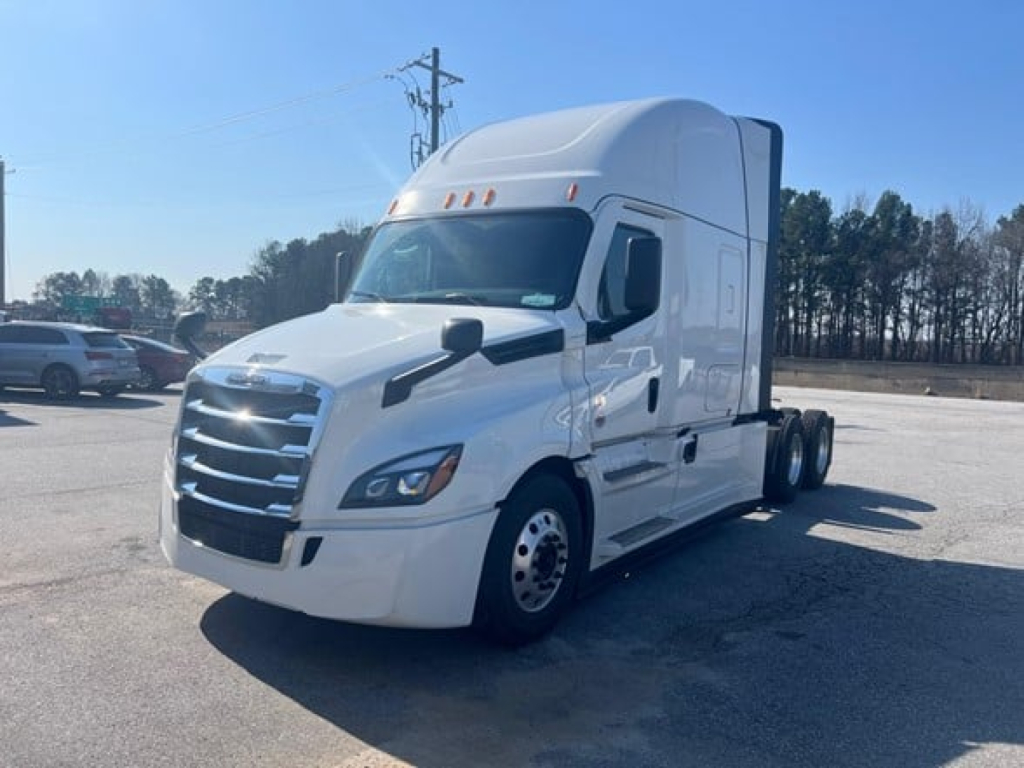
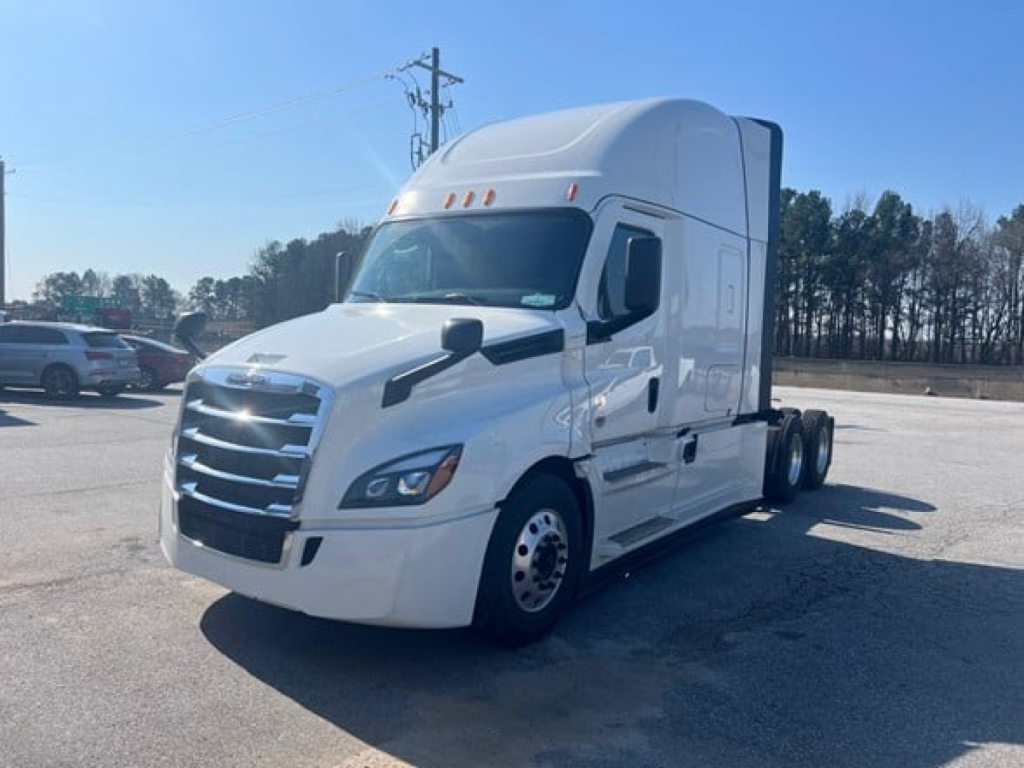
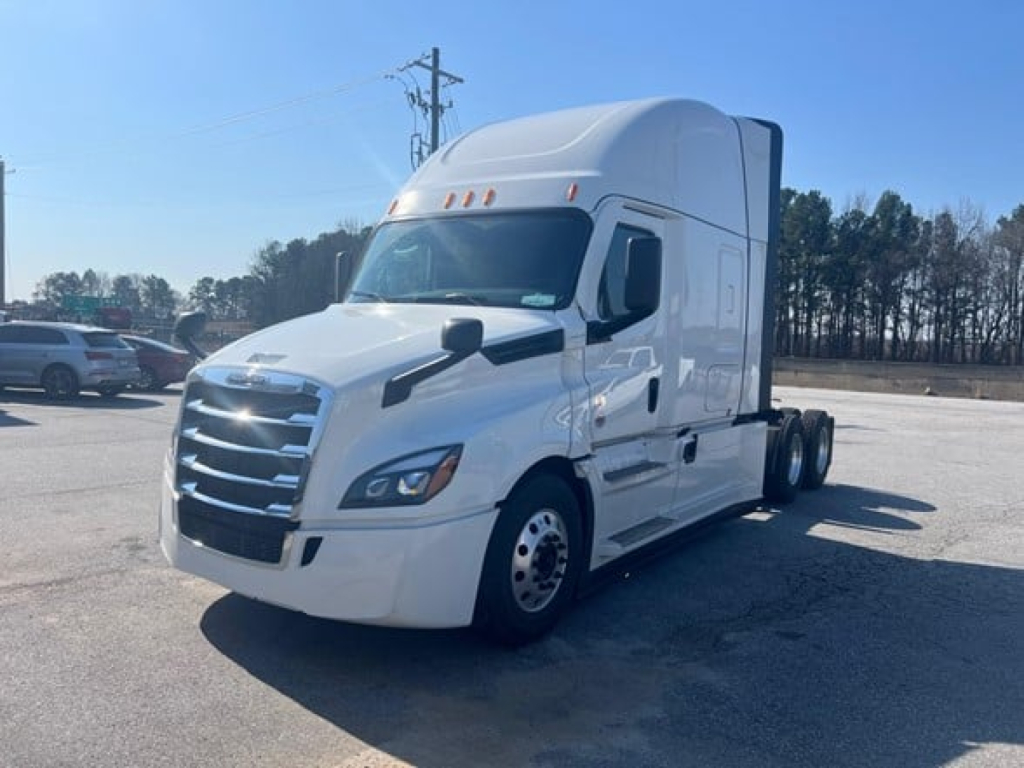
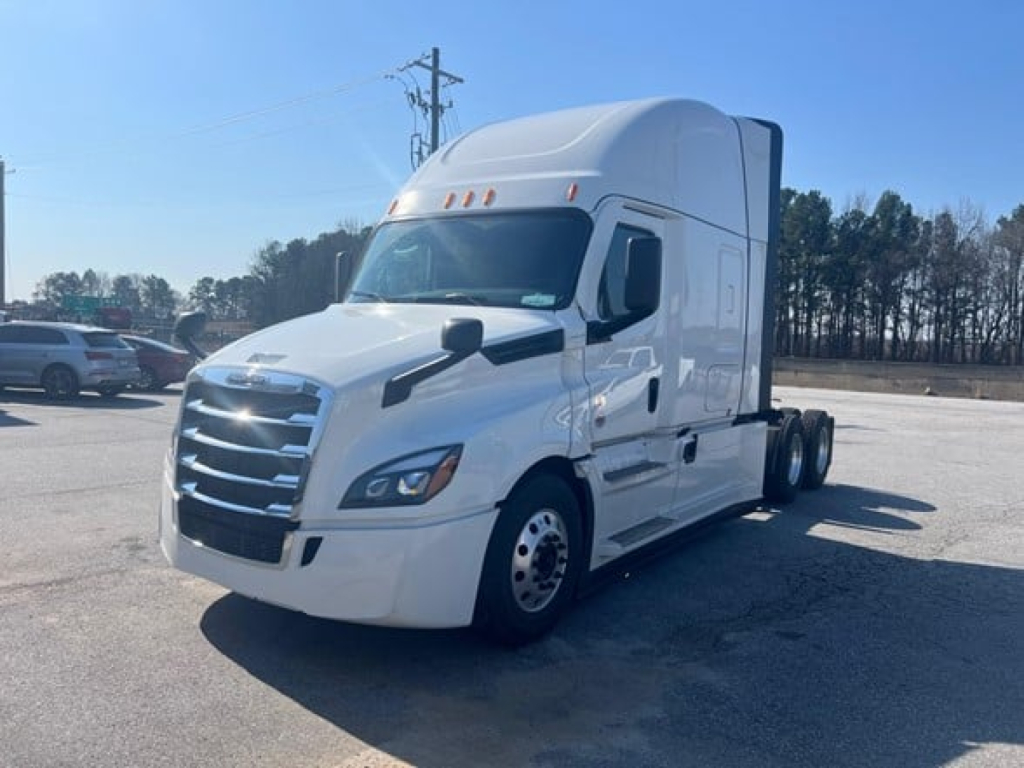
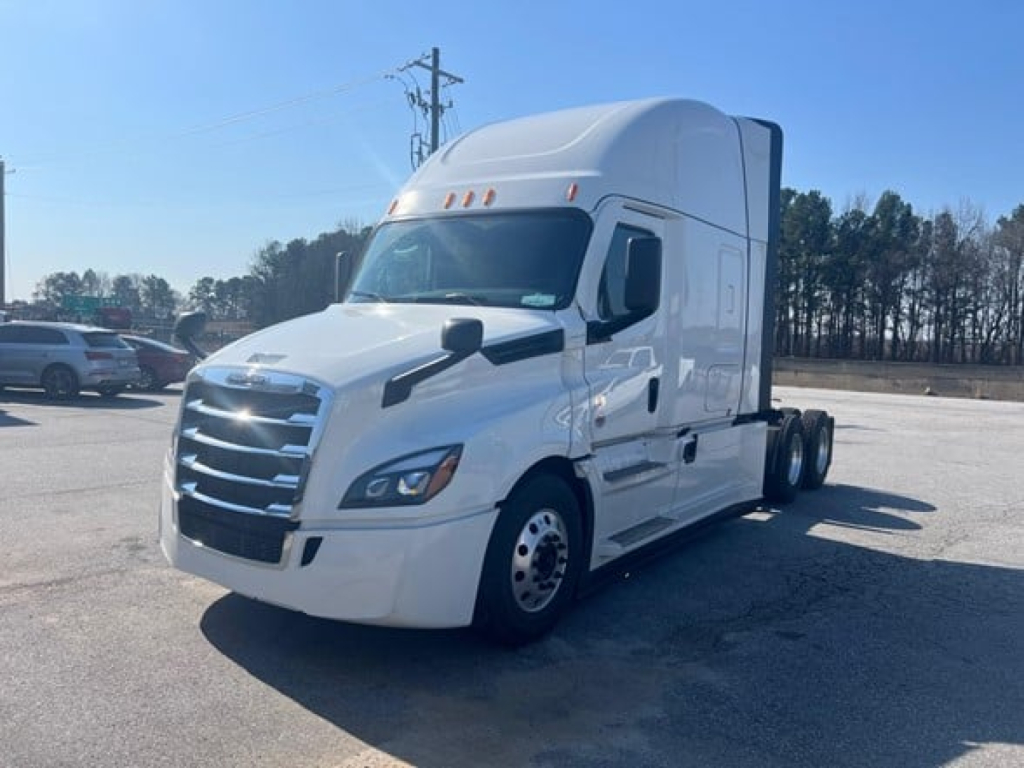
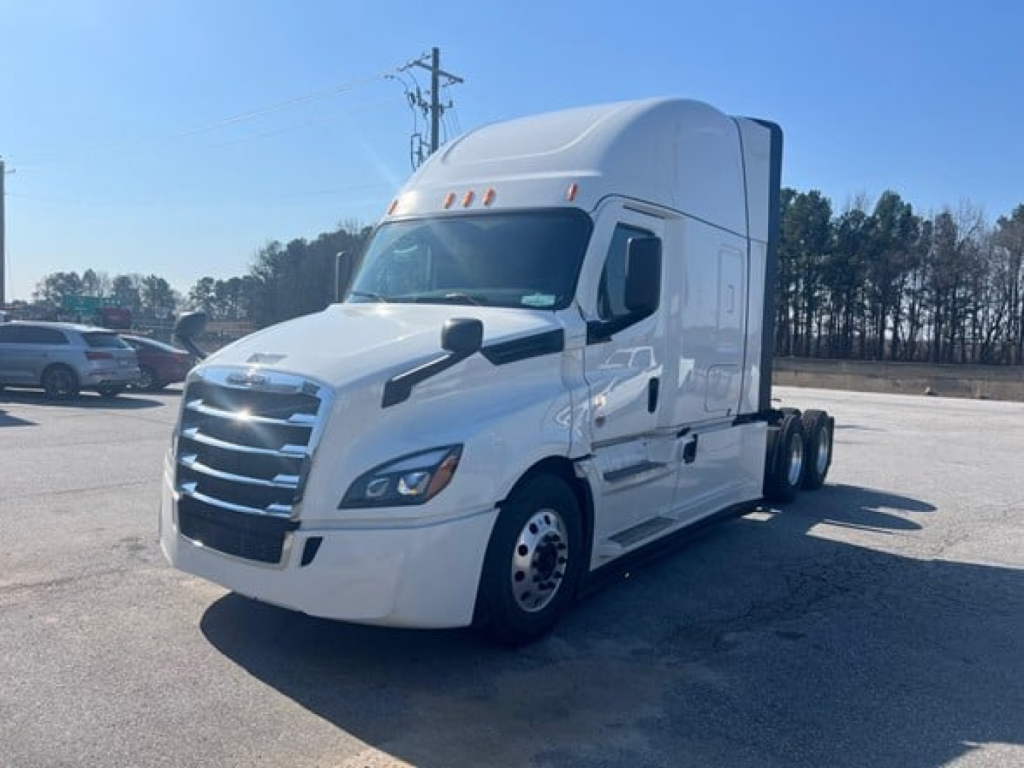
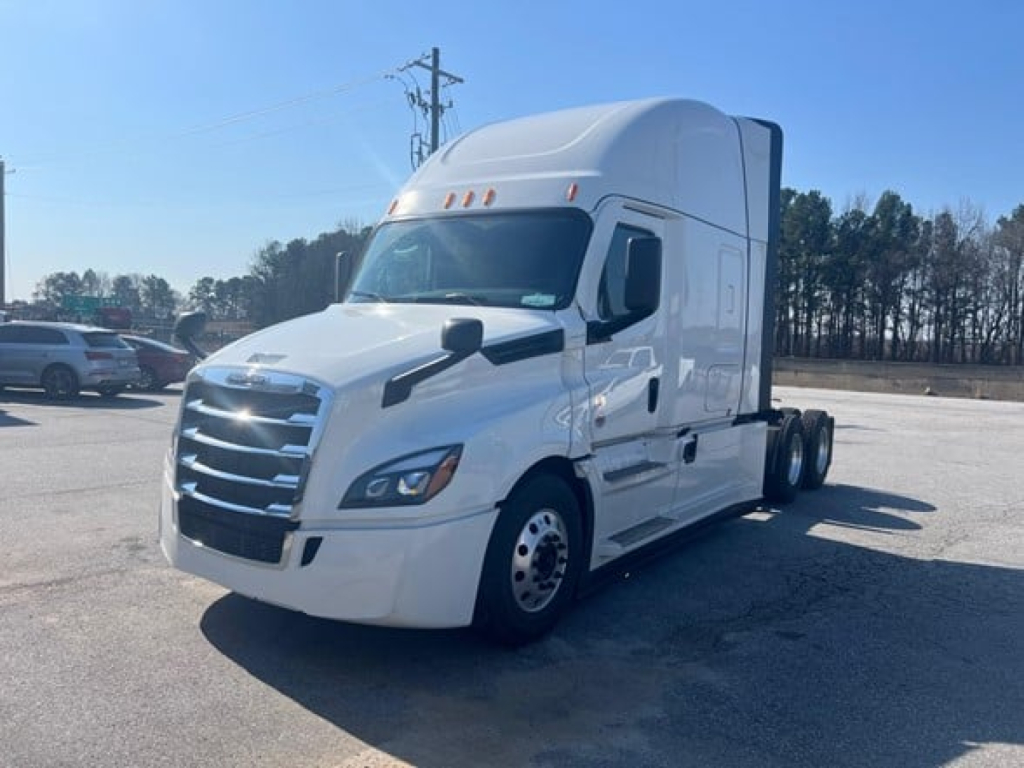
Showing 1 to 24 of 25 results
Have new 2027 freightliner conventional sleeper truck to sell? List it here to reach thousands of buyers.
New 2027 Freightliner Conventional Sleeper Trucks
The main spec decisions usually start with the sleeper and powertrain. A raised-roof sleeper in the 60-inch to 72-inch range is common, with double-bunk layouts popular for team service or carriers that want better resale flexibility. Detroit DD15 power remains a frequent choice in this class, often paired with the DT12 automated manual transmission for consistent shift logic and fuel-efficient highway operation. Buyers should also pay close attention to rear axle ratio, wheelbase, and fifth wheel slide length because those specs affect bridge compliance, trailer gap, turning radius, and how well the truck matches a 53-foot van or reefer. Typical highway specs in this segment often land around 455 to 505 horsepower with torque ratings suited for legal gross weights and steady interstate speeds.
A new Freightliner conventional sleeper also stands out for driver environment and onboard technology. Common features include factory-installed APU prep or battery HVAC support, bunk heaters, refrigerators, shore power, inverter packages, and upgraded seating for driver retention. Safety and driver-assist systems are a major part of the buying decision on late-model Cascadia sleepers, including collision mitigation, adaptive cruise control, lane departure warning, and side object detection. Air disc brakes, locking differentials, and tire pressure monitoring or inflation support may also appear depending on the intended duty cycle and fleet standardization goals.
For buyers comparing 2027 Freightliner sleeper trucks, the real question is not just engine size or bunk length. It is how the spec fits the lane. A truck built for irregular route over-the-road freight may need a taller sleeper, more driver amenities, and a highway ratio geared for fuel economy, while a dedicated regional sleeper may prioritize maneuverability, lower tare weight, and easier yard access. Freightliner conventional sleepers are known for aerodynamic efficiency, familiar controls, and a service network that supports both single-truck owners and large fleets, which makes them a practical choice for buyers who want current technology in a proven long-haul platform.
Frequently Asked Questions about New 2027 Freightliner Conventional Sleeper Trucks
What is a Freightliner conventional sleeper truck used for?
A Freightliner conventional sleeper truck is primarily used for over-the-road and regional-haul freight that requires overnight capability. These trucks are common in dry van, refrigerated, and dedicated contract operations because the sleeper allows legal rest breaks on the road while the conventional hood design supports easy service access and strong highway aerodynamics. In the Freightliner lineup, the Cascadia is the best-known example in this category.
What engine and transmission are common in new 2027 Freightliner sleeper trucks?
Many new Freightliner conventional sleeper trucks are spec'd with a Detroit DD15 engine and a DT12 automated manual transmission. That combination is popular because it delivers strong highway torque, integrated powertrain controls, and fuel-efficient performance for long-haul service. Horsepower commonly falls in the mid-400 to 500-plus range depending on application, payload expectations, and fleet policy.
What sleeper size should a buyer look for in a conventional sleeper?
The right sleeper size depends on route length, driver setup, and expected time away from home. A 72-inch raised-roof sleeper is one of the most common choices because it offers better standing room, storage, and room for double-bunk configurations. Smaller sleepers can reduce weight and improve maneuverability, but larger sleepers usually provide better comfort and resale appeal for long-haul buyers.
What specs matter most when comparing Freightliner Cascadia sleeper trucks?
The most important specs are usually horsepower, torque, transmission, rear axle ratio, wheelbase, sleeper configuration, and fifth wheel setup. Rear axle ratio has a direct effect on cruise RPM and fuel economy, while wheelbase and slide length influence trailer gap, bridge law flexibility, and turning performance. Buyers should also compare safety systems, brake type, and comfort features because those items affect total operating cost and driver acceptance.
Are new Freightliner conventional sleepers good for fleet standardization?
Yes. Freightliner conventional sleepers are widely used in fleet environments because they offer consistent driver controls, broad dealer coverage, and strong parts support. That makes technician training, maintenance planning, and spec standardization easier across multiple units. They are also commonly equipped with integrated safety and telematics-ready systems that fit modern fleet management requirements.