
Kenworth Conventional Sleeper Trucks For Sale in Nebraska
Browse Kenworth conventional sleeper trucks with T680 specs, sleeper options, powertrain choices, and long-haul features buyers compare most.
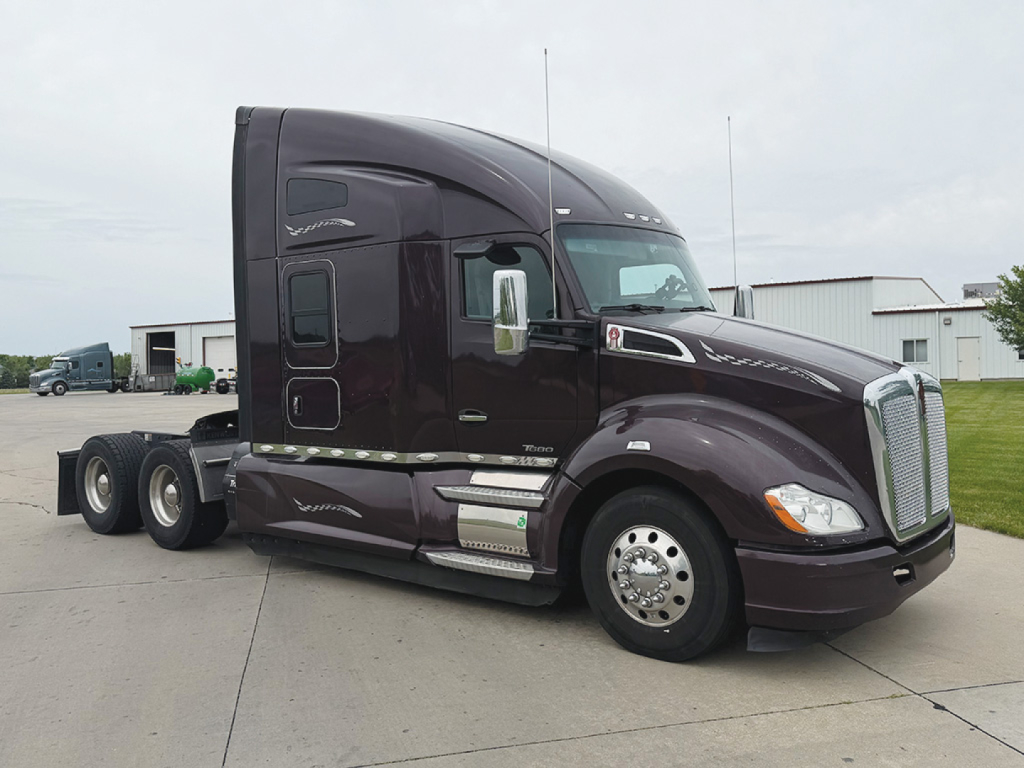
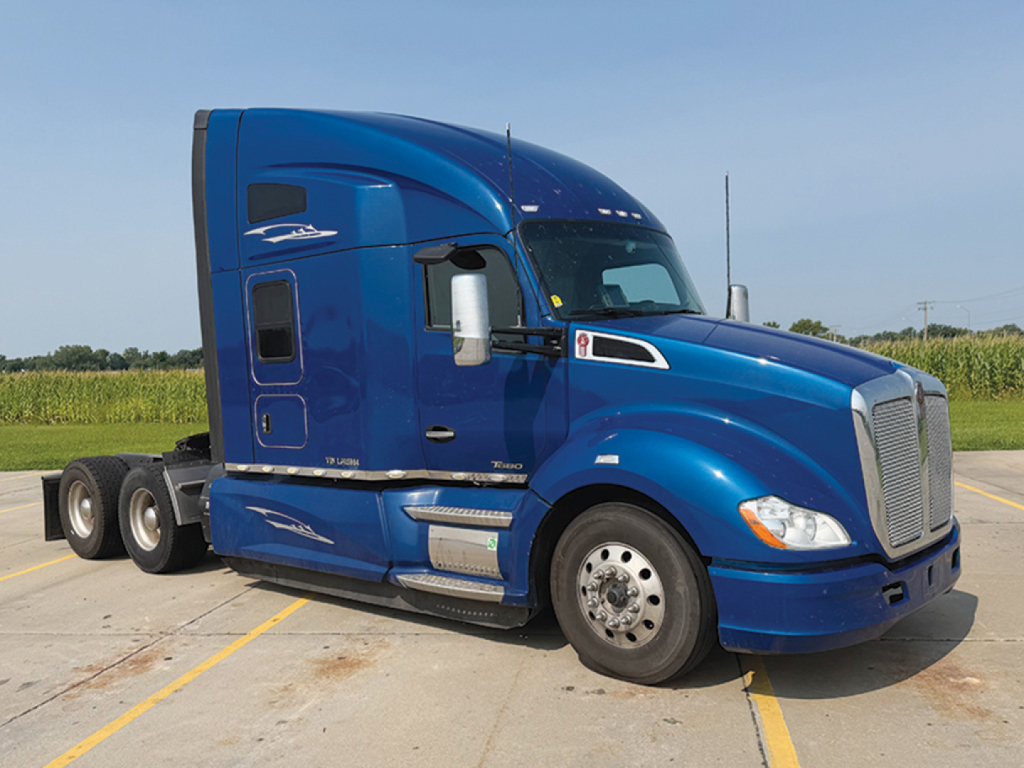
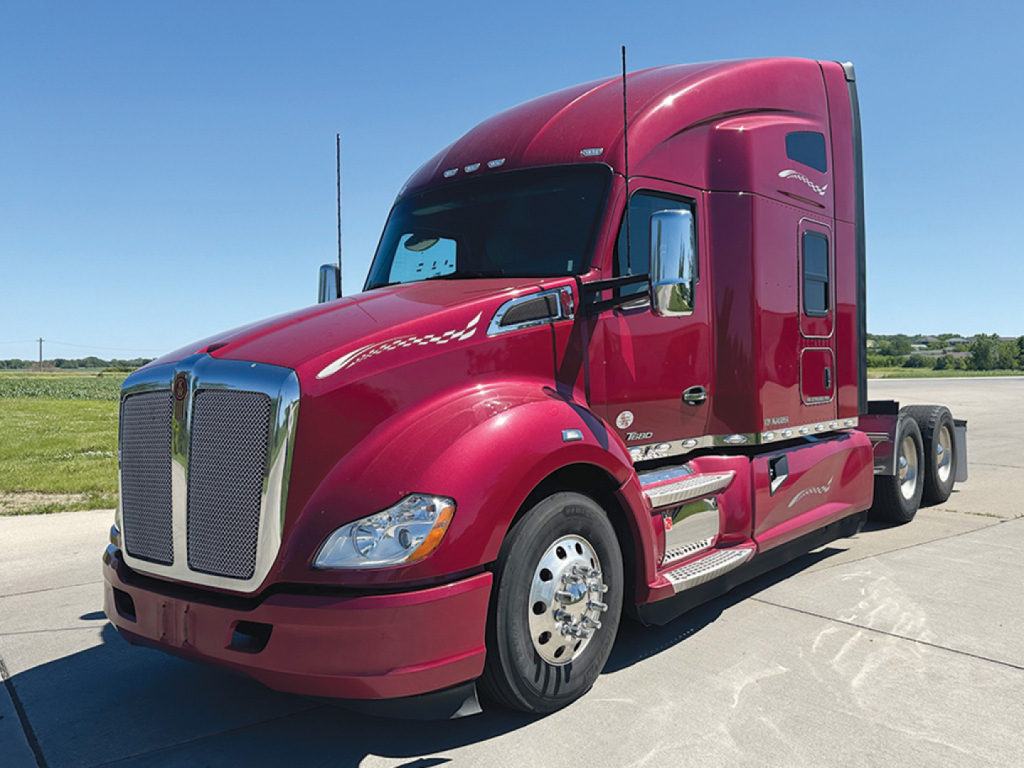
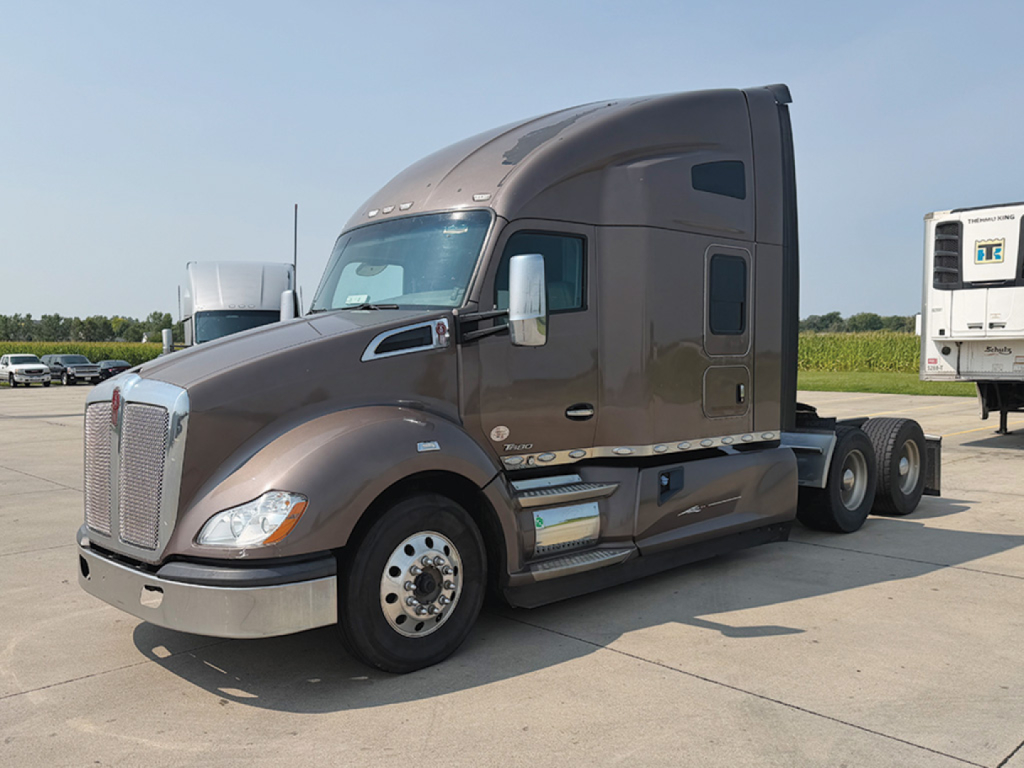
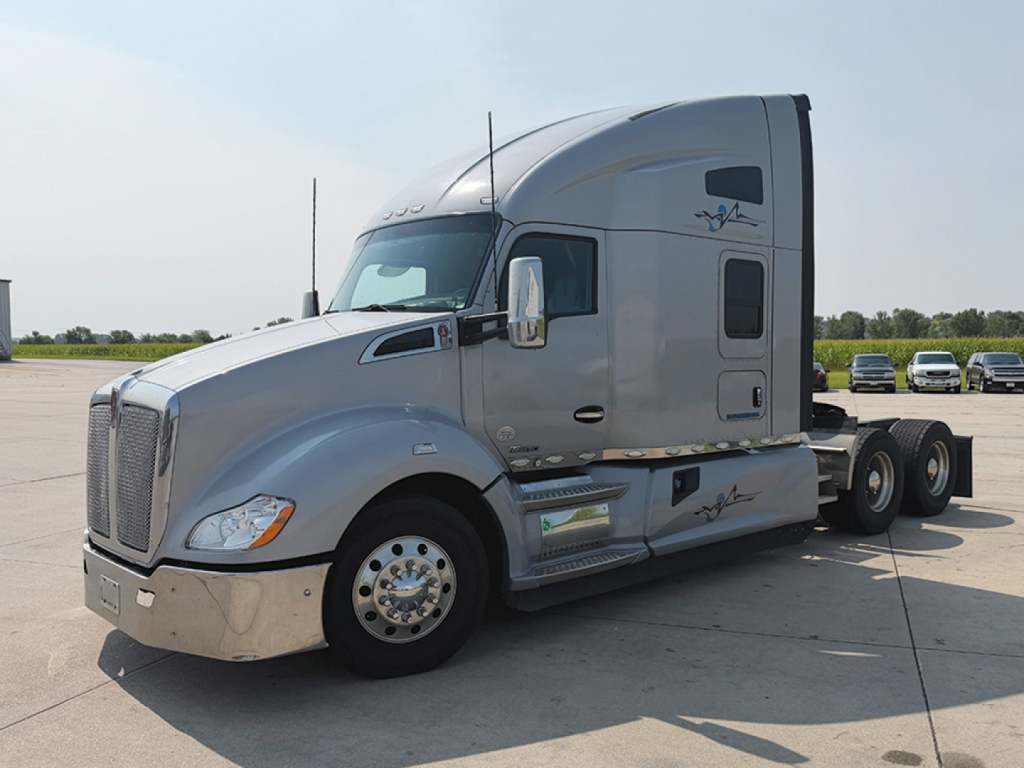
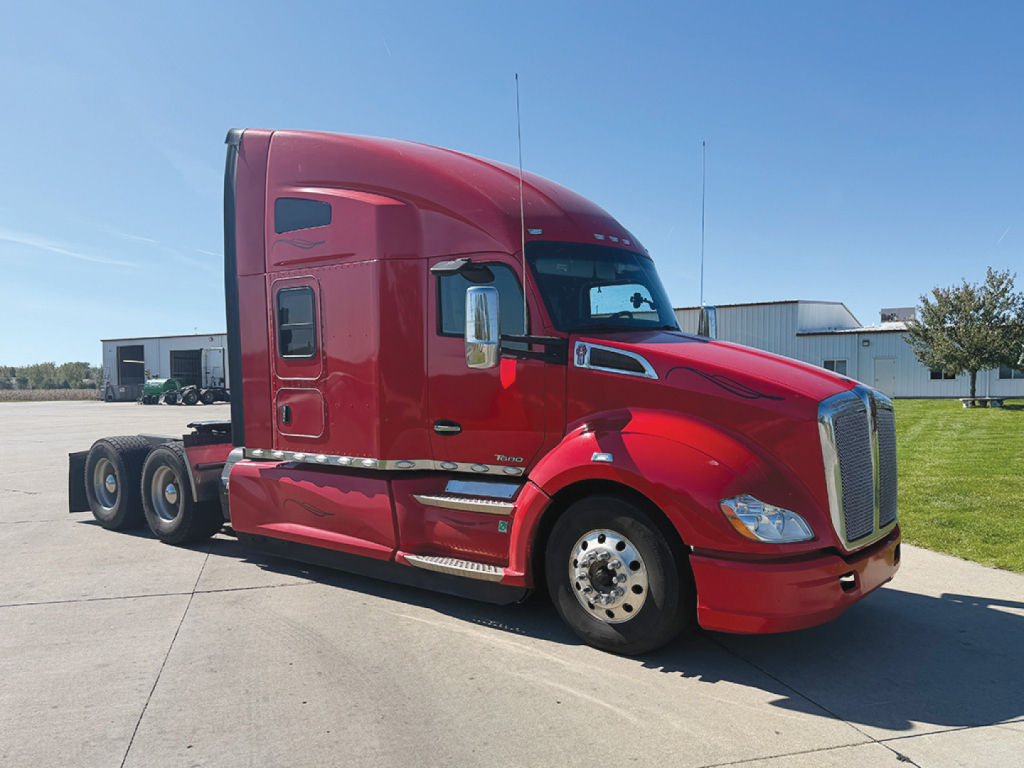
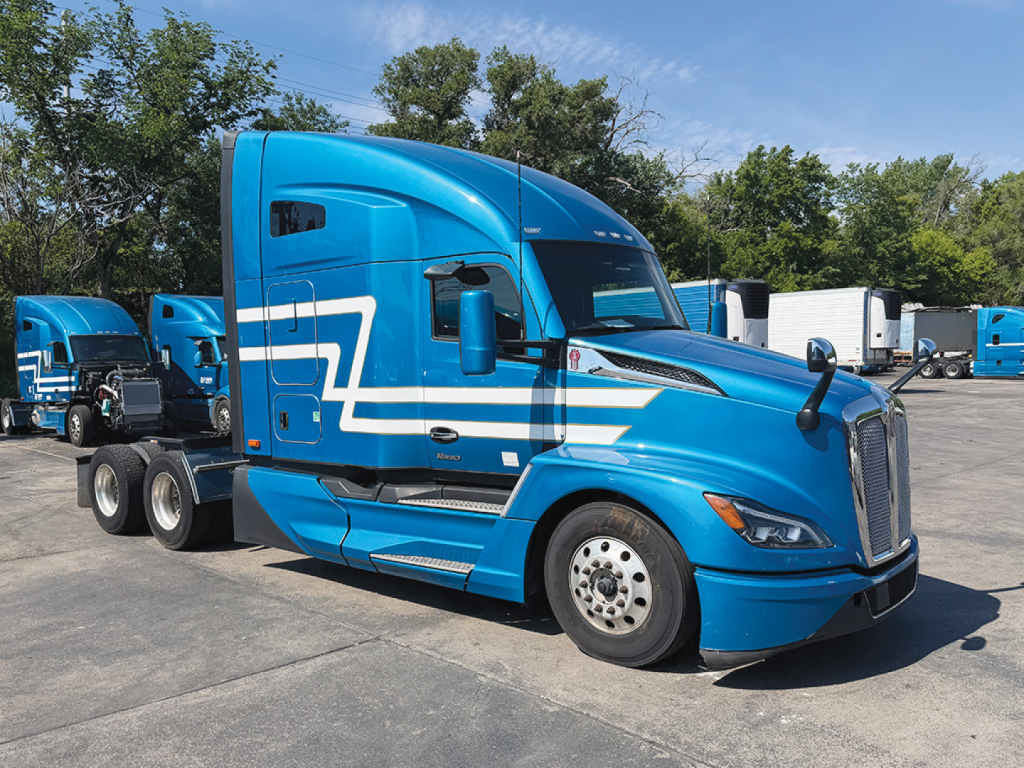
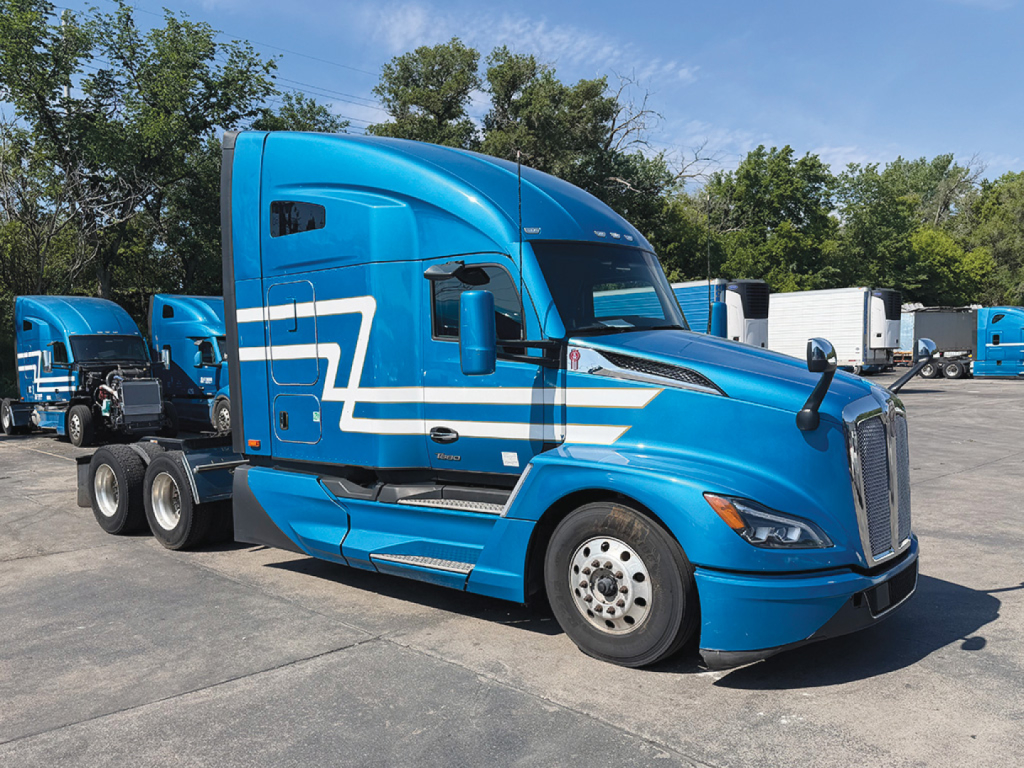
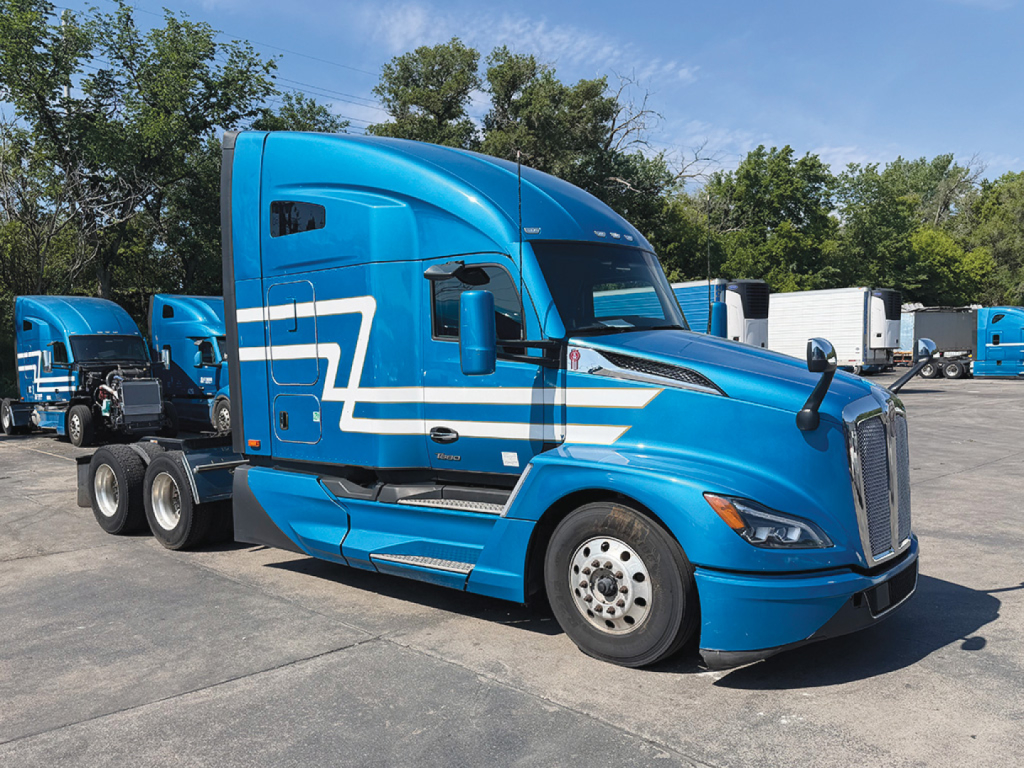
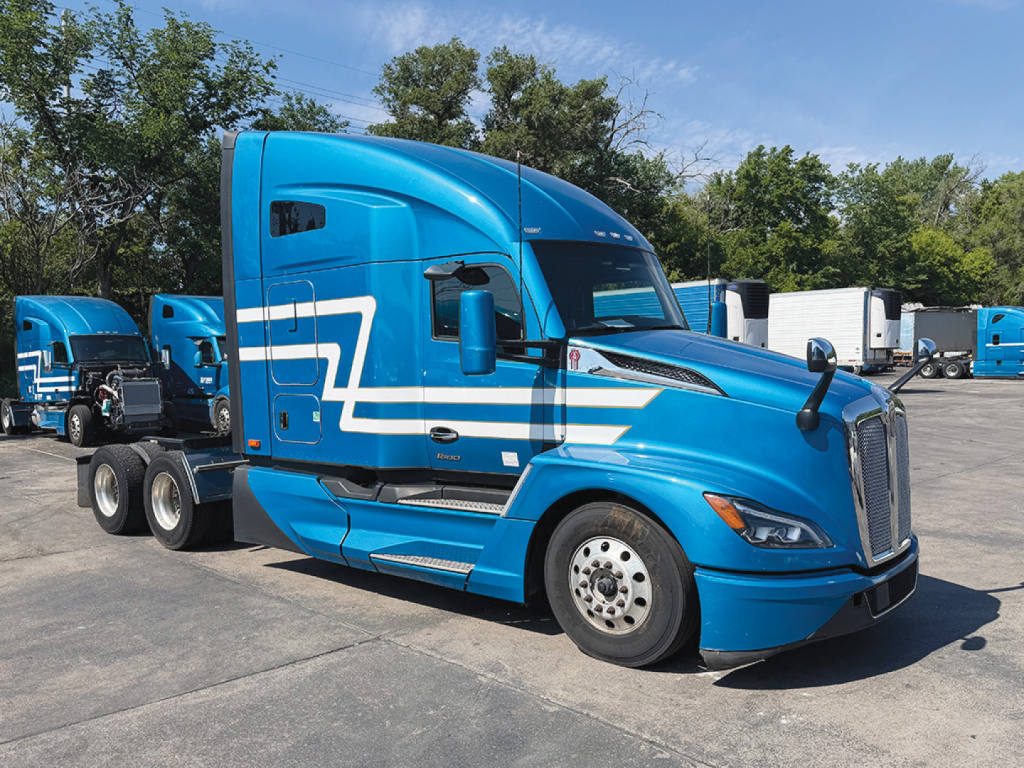
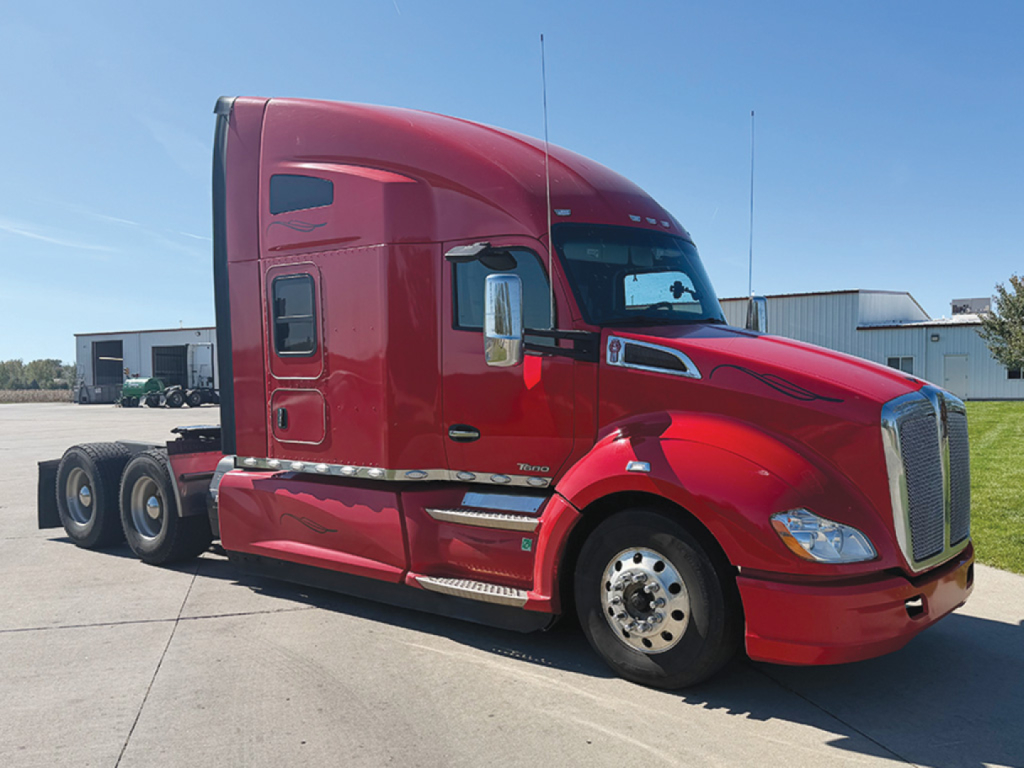
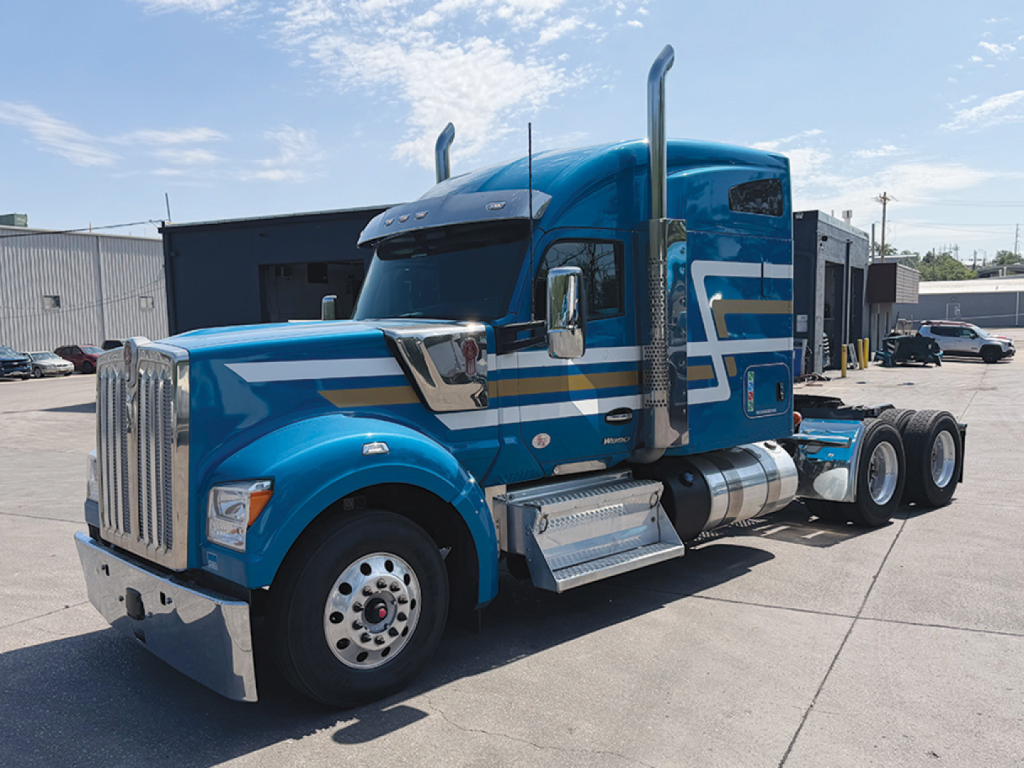
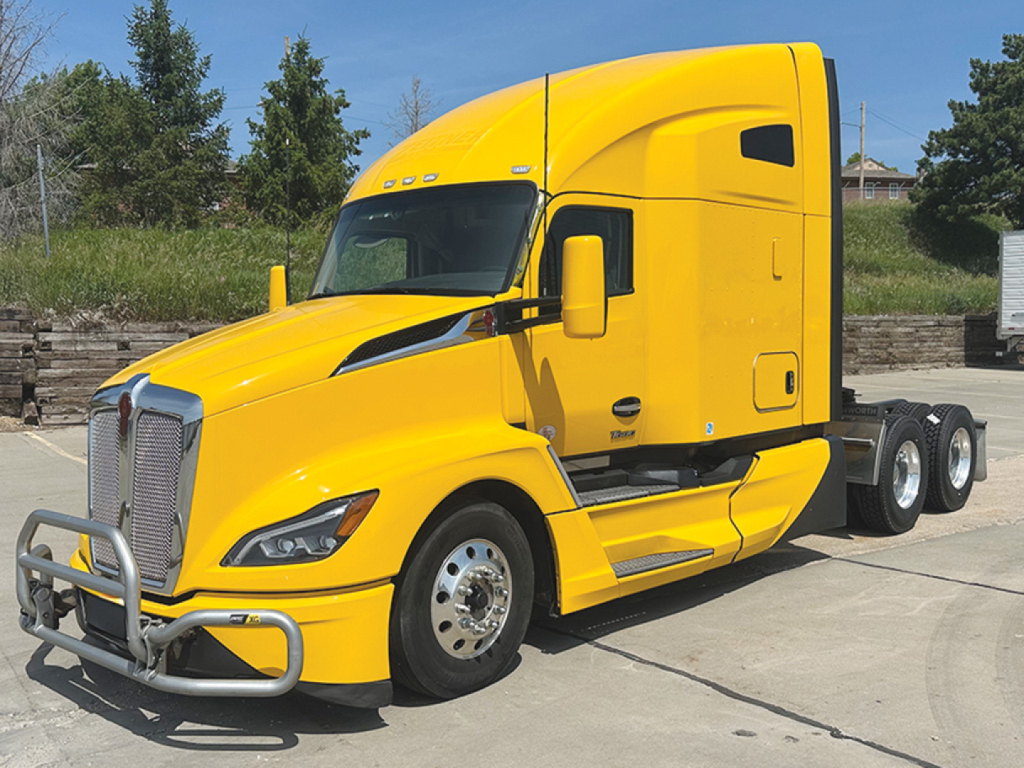
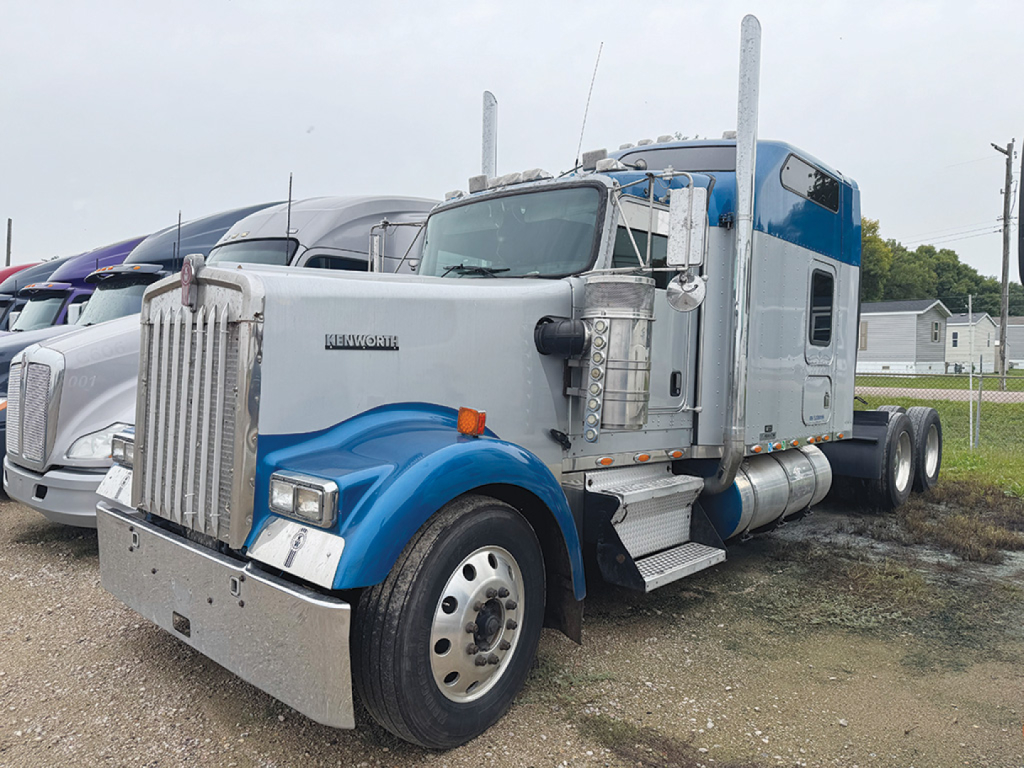
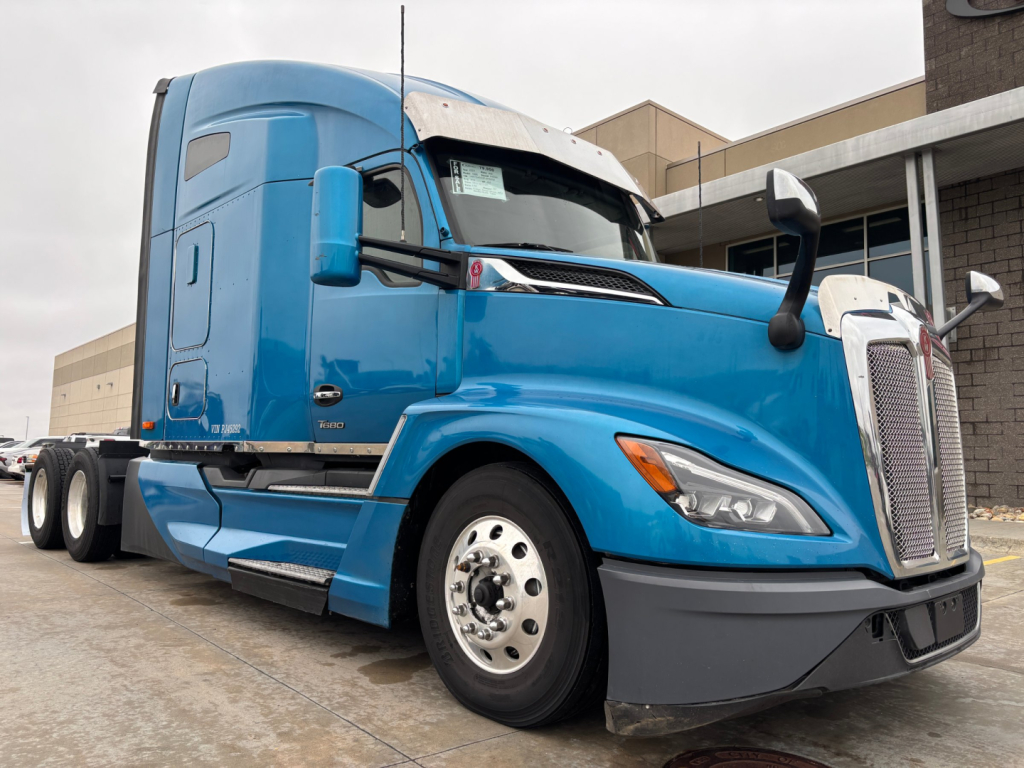
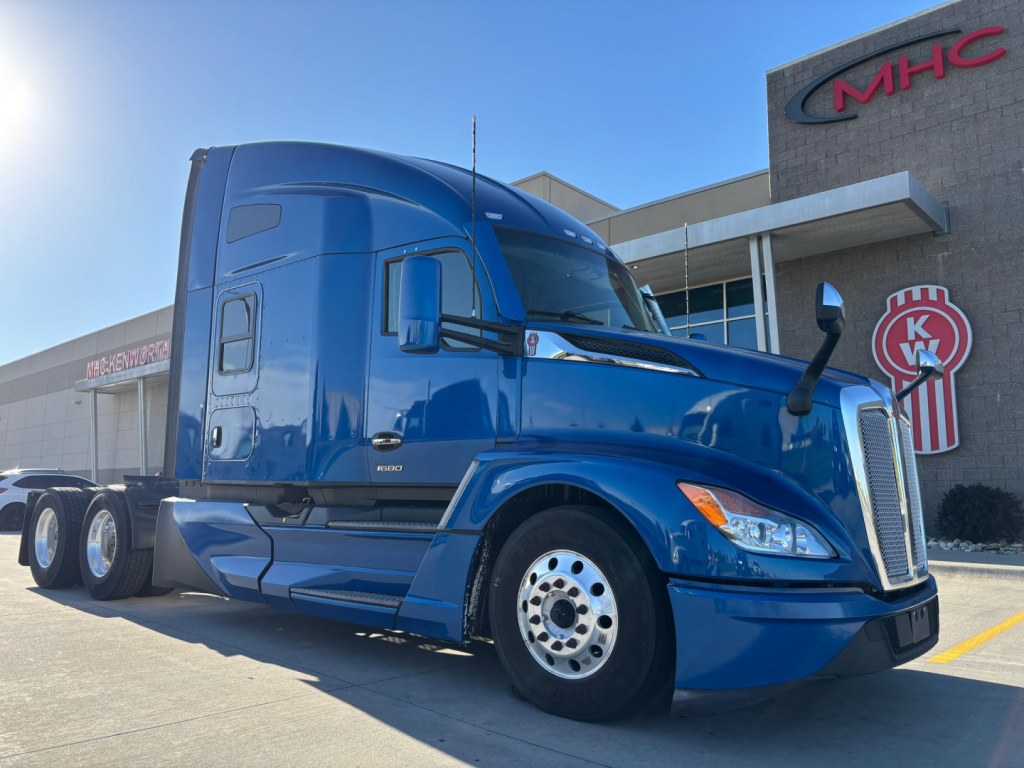
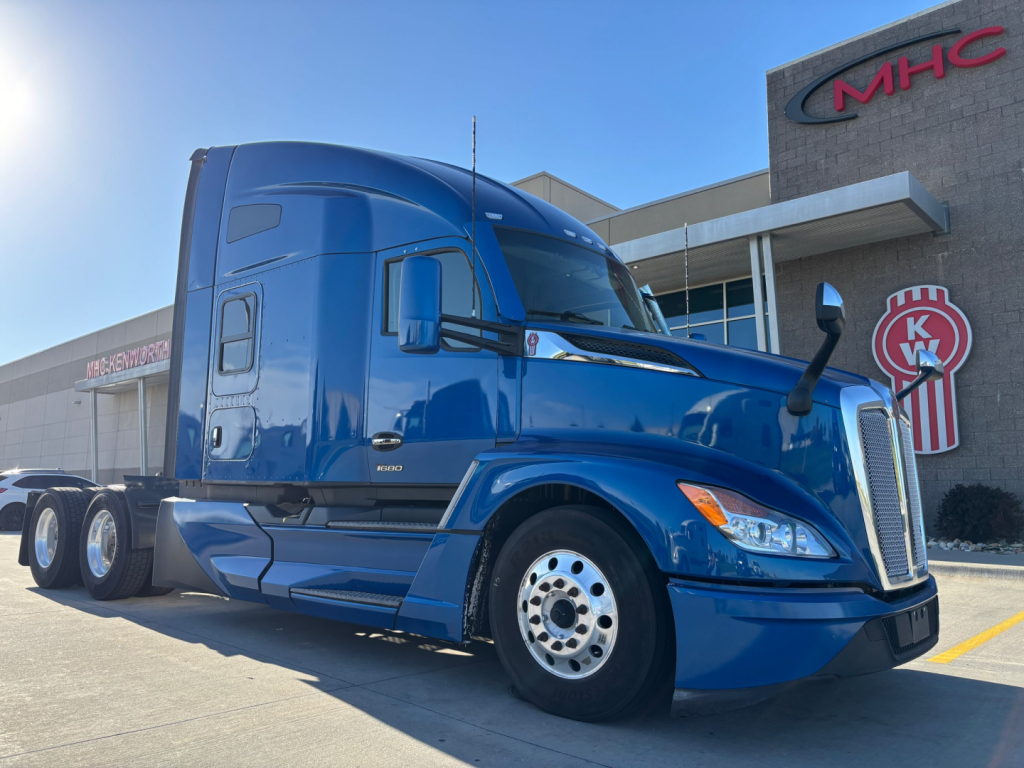
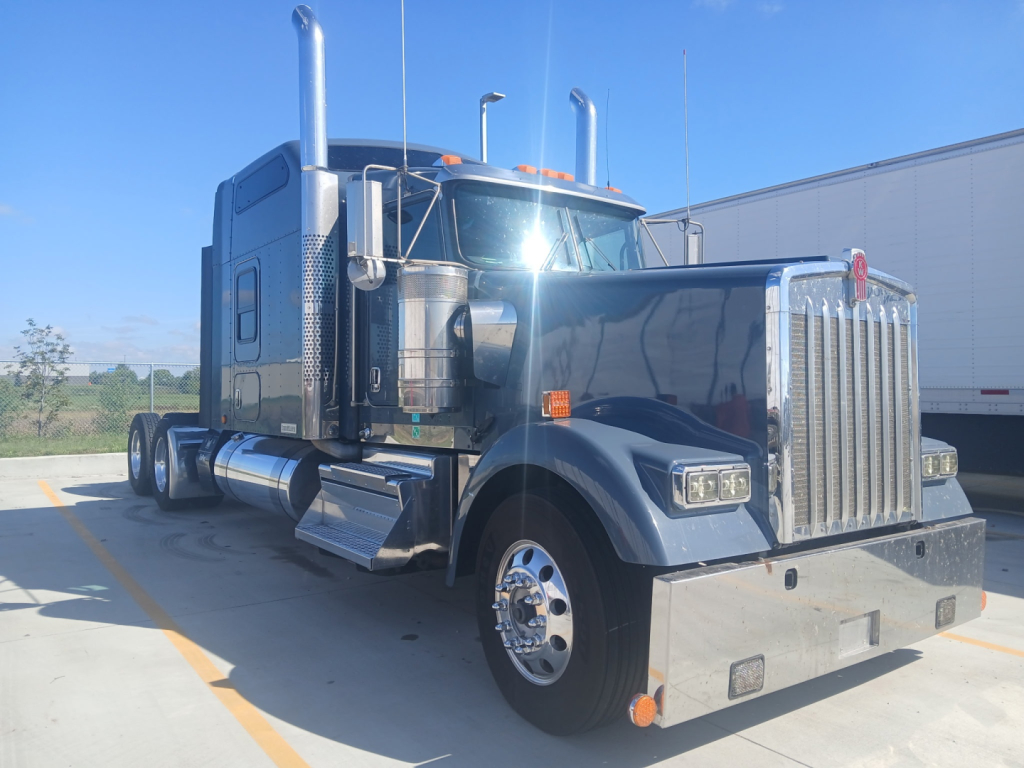
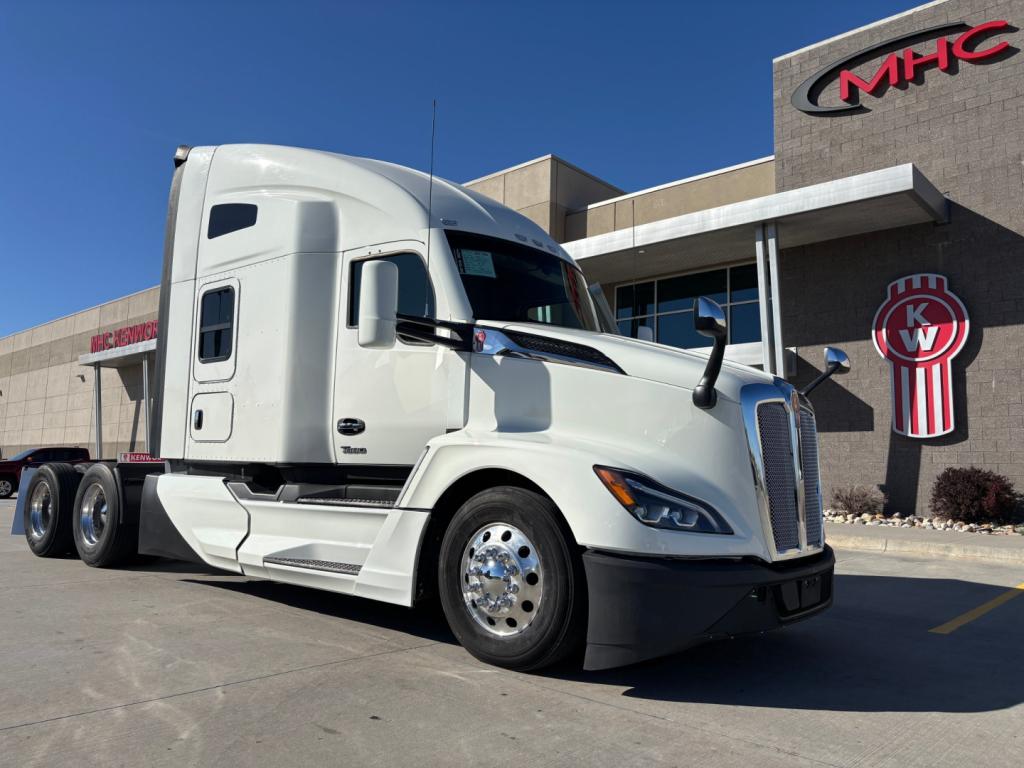
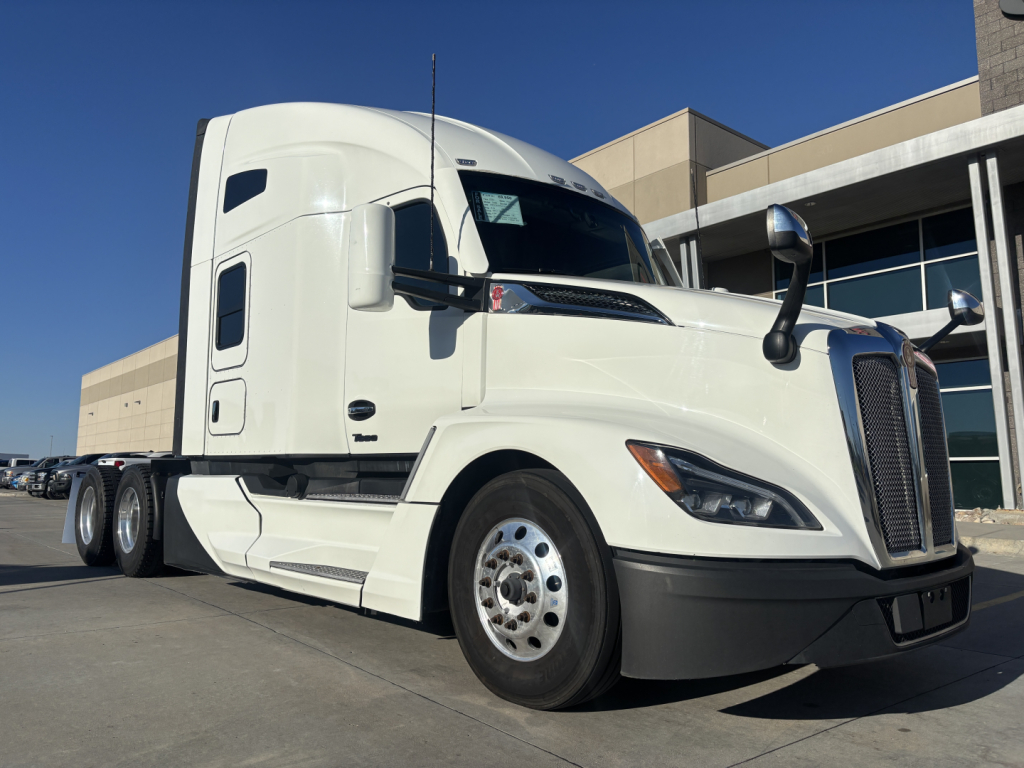
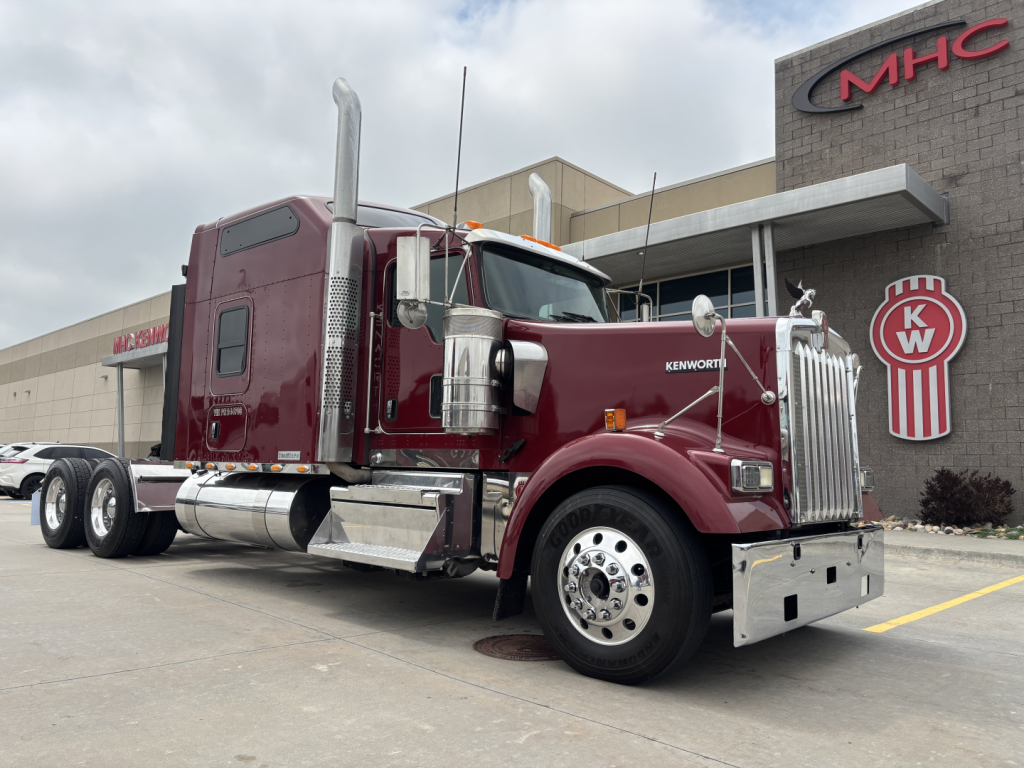
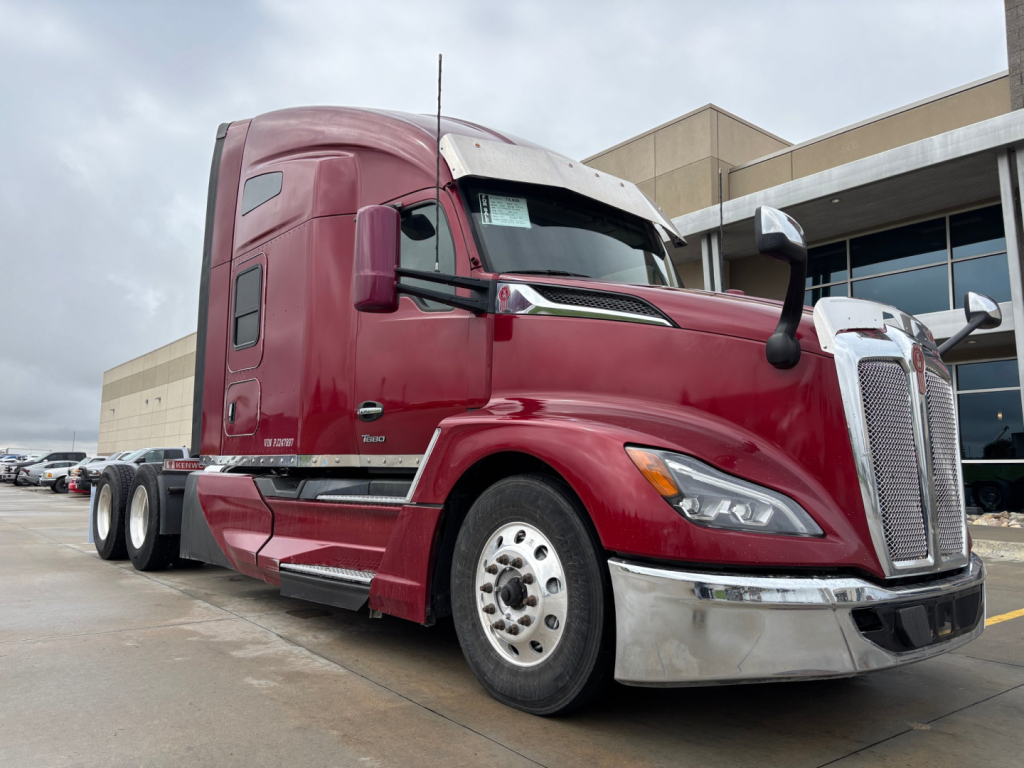

Showing 1 to 28 of 36 results
Selling a kenworth conventional sleeper truck? List your kenworth conventional sleeper truck for sale and reach thousands of commercial buyers.
Kenworth Conventional Sleeper Trucks in Nebraska
A typical Kenworth sleeper spec in this class includes a Cummins ISX15 or X15 rated around 450 to 500 horsepower, paired with either an automated manual or a traditional manual transmission. Rear axle ratings often land at 40,000 pounds, with ratios ranging from fuel-minded highway specs in the 2.39 to 2.79 range up to deeper ratios like 3.25 or 3.36 for heavier pulls or more varied terrain. That ratio matters. Lower numerical ratios generally favor fuel economy at cruise speed, while higher numerical ratios can improve gradeability, launch performance, and flexibility with heavier loads. Wheelbases in the 228- to 270-inch range are common, and buyers should match wheelbase to trailer gap, bridge law needs, and maneuverability requirements.
Kenworth conventional sleepers are also known for driver-focused interiors and clean aero design. High-roof sleepers usually provide better stand-up room and more storage for teams or extended runs, while mid-roof sleepers can be a smart fit for fleets balancing aerodynamics, weight, and regional flexibility. Common features in this category include upper bunks, bunk heaters, APUs, refrigerators, navigation, air ride suspension, air slide or adjustable fifth wheels, and disc brakes. Aerodynamic components such as side fairings, cab extenders, and horizontal exhaust are common on fuel-conscious highway specs, while dual stacks, chrome trim, and custom interior packages show up on owner-operator oriented trucks.
For Nebraska buyers, drivetrain and cold-weather spec deserve extra attention. A bunk heater or APU can make a real difference in winter operations, and tire setup should be evaluated based on route and maintenance preference, especially when comparing low-profile duals to super singles. It is also worth checking for suspension type, brake configuration, and sleeper equipment that affects uptime on long hauls. A well-matched Kenworth conventional sleeper can reduce driver fatigue, improve fuel performance, and hold value well in linehaul service, but the best choice comes down to how the truck is geared, equipped, and laid out for the freight you actually move.
Frequently Asked Questions about Kenworth Conventional Sleeper Trucks in Nebraska
What engine and transmission combinations are common in Kenworth conventional sleeper trucks?
Most Kenworth conventional sleeper trucks in this class are equipped with Cummins ISX15 or X15 engines, commonly rated from 450 to 500 horsepower. Buyers will see both manual transmissions and automated manual transmissions, with automated setups especially common in newer T680 models. The right combination depends on your operation. Highway fleets often favor a 450 horsepower engine with an automated transmission and taller rear axle ratio for fuel economy, while heavier or more specialized freight may justify higher horsepower, a manual transmission, or a deeper rear ratio.
What is the difference between a high-roof and mid-roof Kenworth sleeper?
A high-roof sleeper provides more interior height, easier movement inside the bunk area, and usually better storage for long-haul or team applications. A mid-roof sleeper keeps a lower profile and can be a good fit for operators who want sleeper capability with slightly different aerodynamic, weight, or route considerations. The best choice depends on how much time the driver spends in the truck, how much personal gear or onboard equipment is carried, and whether interior living space is a priority.
How important is rear axle ratio on a Kenworth T680 sleeper?
Rear axle ratio is one of the most important spec points because it directly affects cruise RPM, fuel economy, takeoff performance, and gradeability. Ratios like 2.39, 2.64, or 2.79 are typically chosen for linehaul efficiency at highway speed. Ratios like 3.25 or 3.36 are better suited to heavier hauling, mixed terrain, or applications where stronger pulling power is more important than the last bit of fuel economy. Buyers should look at axle ratio together with tire size, transmission gearing, and average gross combination weight.
Are Kenworth conventional sleeper trucks good for long-haul operations?
Yes. Kenworth conventional sleeper trucks are widely used in long-haul service because they combine aerodynamic design, comfortable sleeper layouts, and powertrain options that fit high-mileage operations. Features such as air ride suspension, bunk heaters, APUs, upper bunks, refrigerators, and driver-oriented interior packages help support extended time on the road. A properly spec'd truck can improve driver retention, reduce idle time, and support better operating cost control over long distances.
What should a buyer inspect first on a used Kenworth sleeper tractor?
Start with the powertrain and the spec sheet. Confirm engine model, horsepower, transmission type, axle ratio, wheelbase, and rear axle rating, then compare those specs to the work the truck will be doing. After that, inspect maintenance records, emissions system history, brake type, suspension condition, fifth wheel wear, tire match, and sleeper equipment such as the HVAC system, bunk heater, and APU. On a highway tractor, small differences in drivetrain spec and maintenance history can have a major impact on fuel cost, uptime, and resale value.