
Kenworth Conventional Sleeper Trucks For Sale in Arkansas
Compare Kenworth conventional sleeper trucks for sale in Arkansas by gearing, sleeper layout, emissions history, and specs for Ozark grades and I-40.
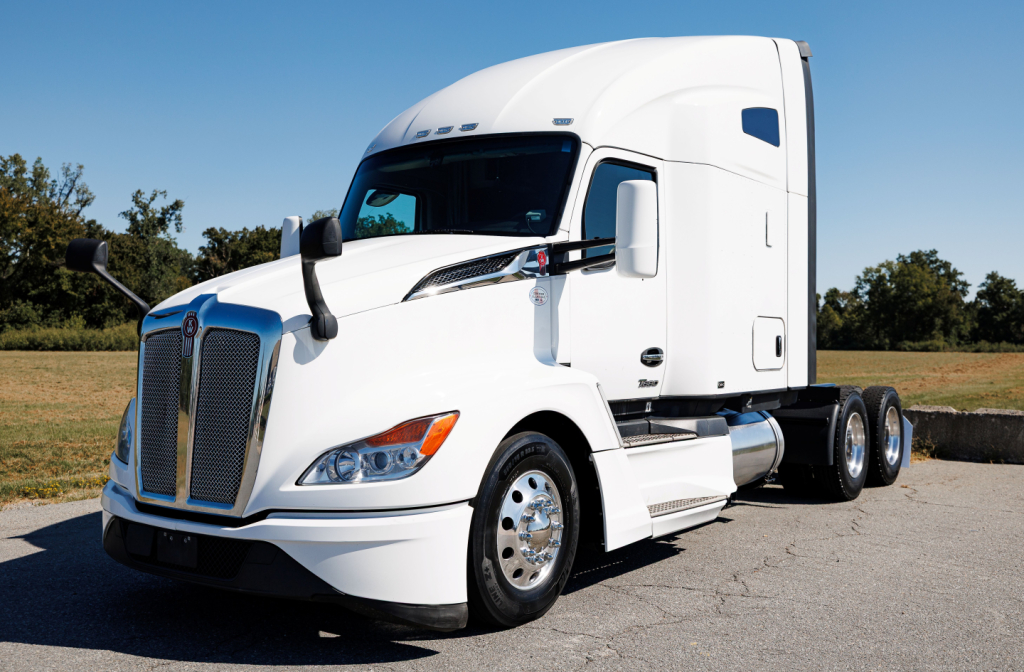
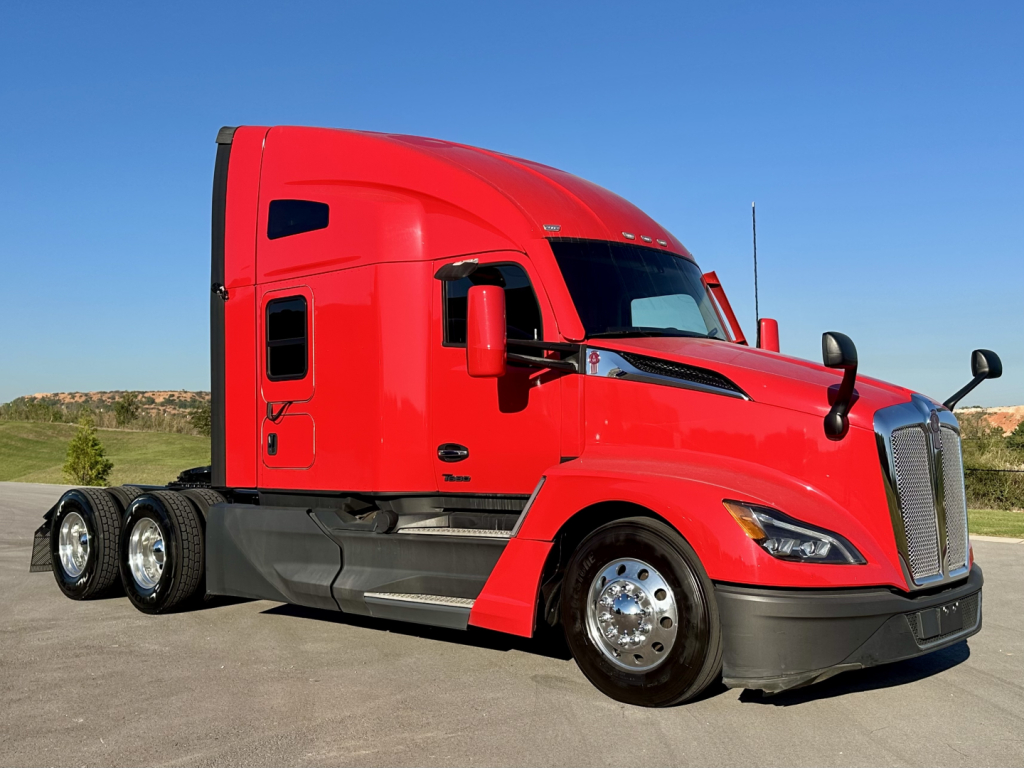
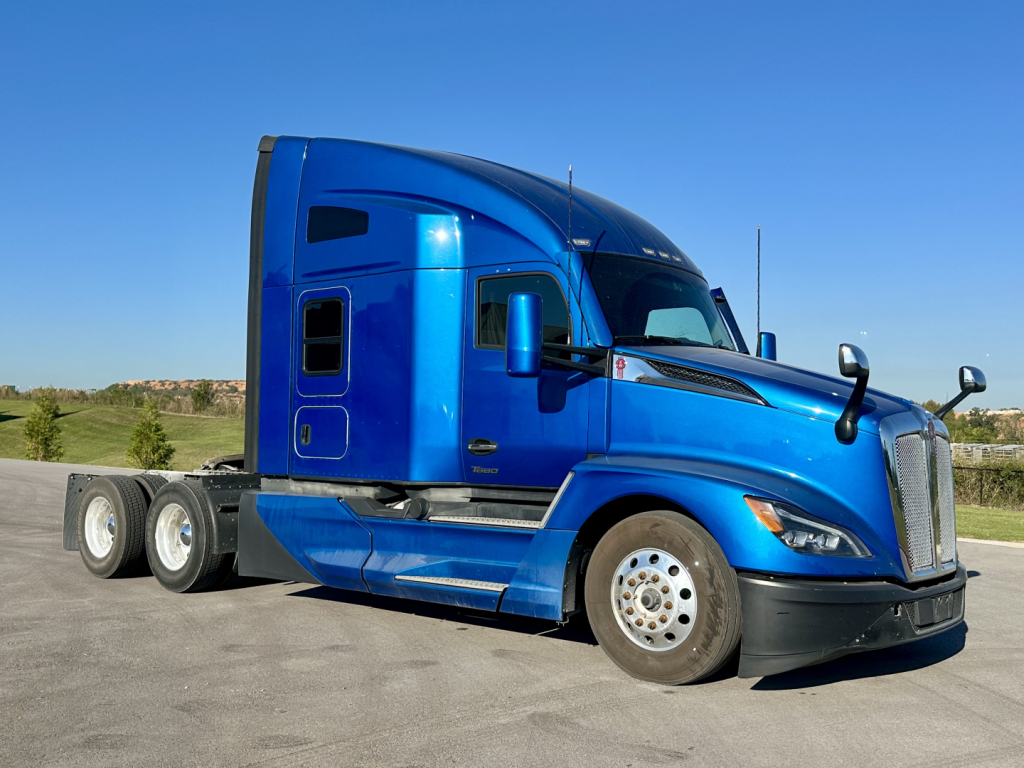
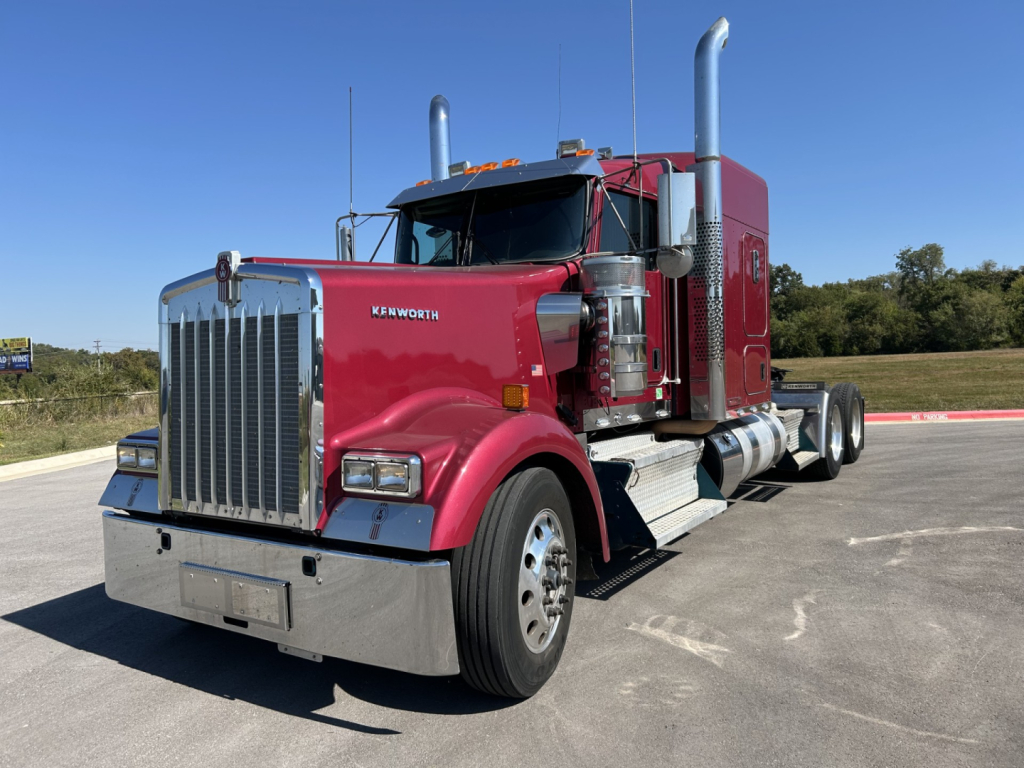
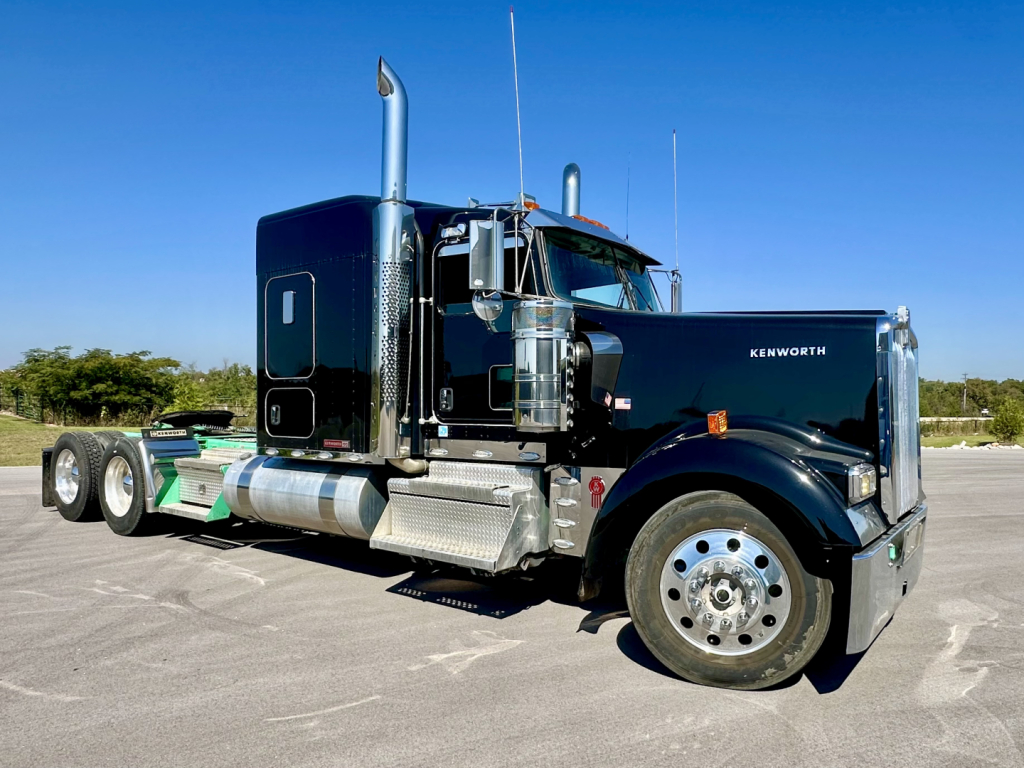
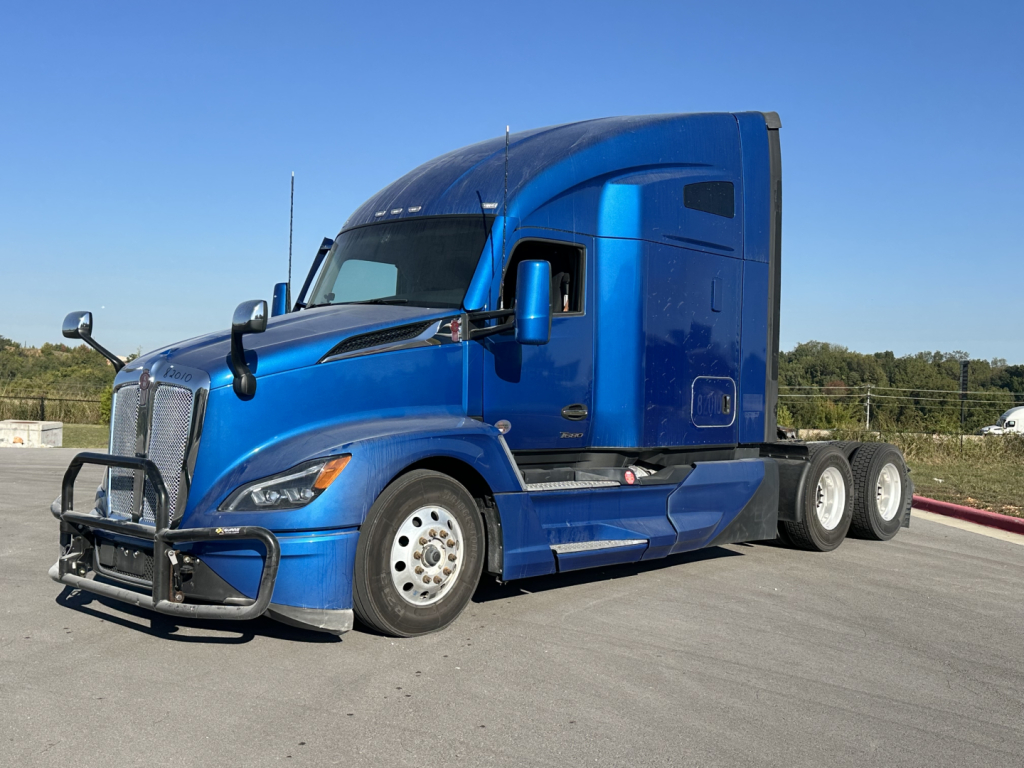
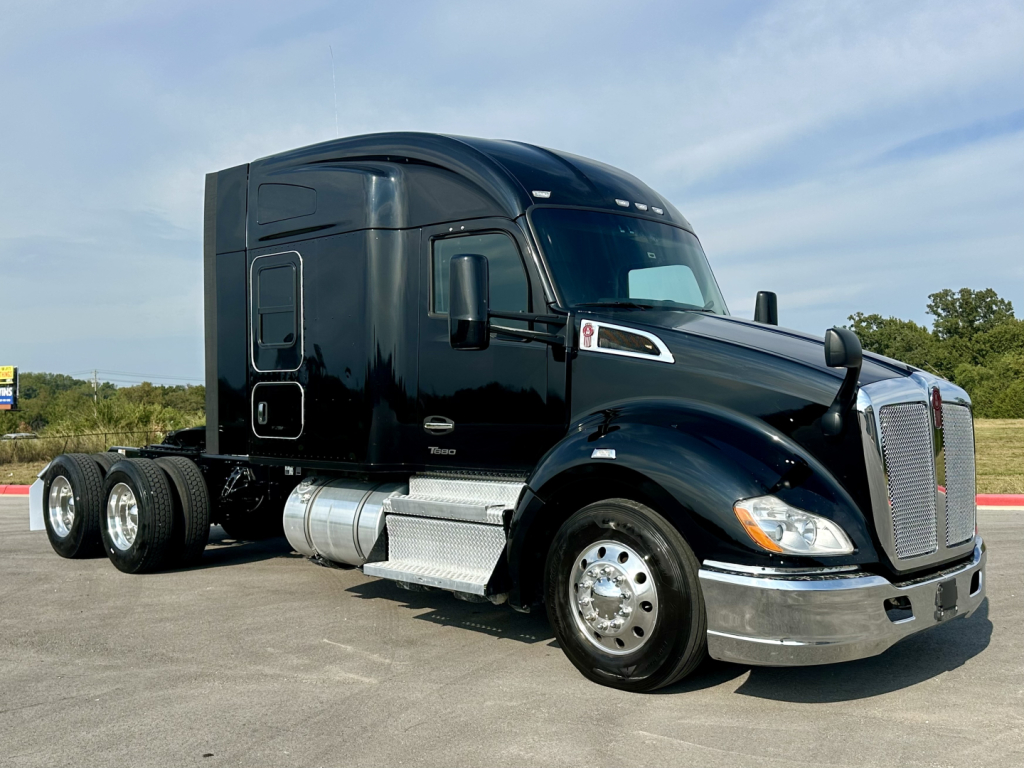
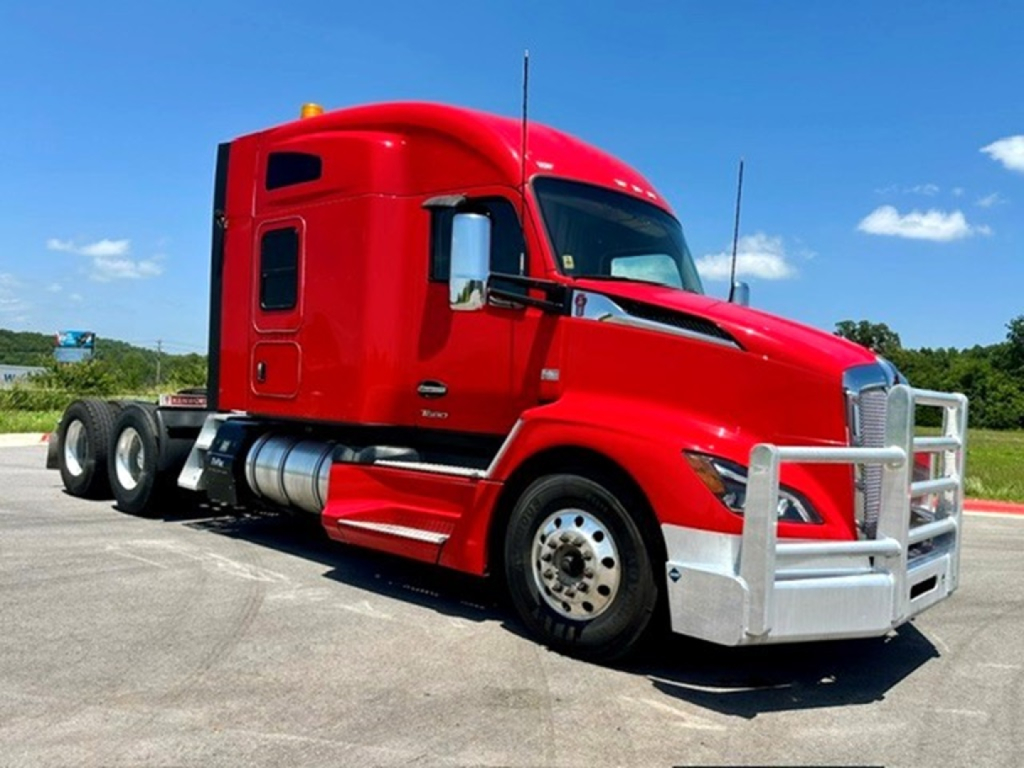
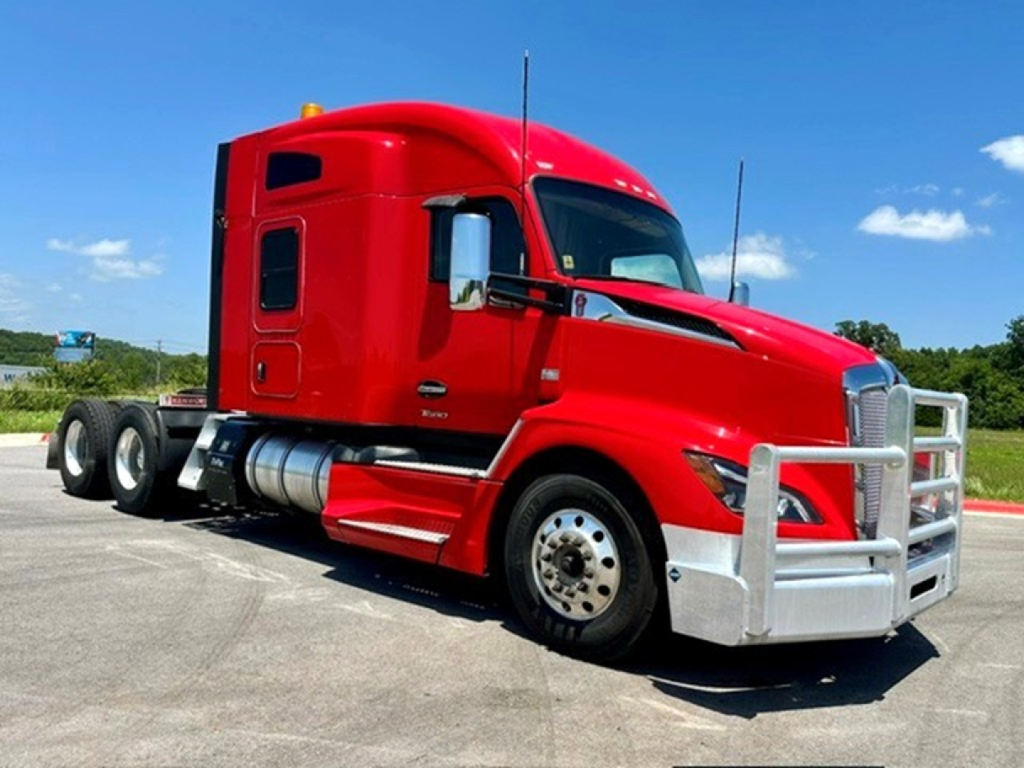
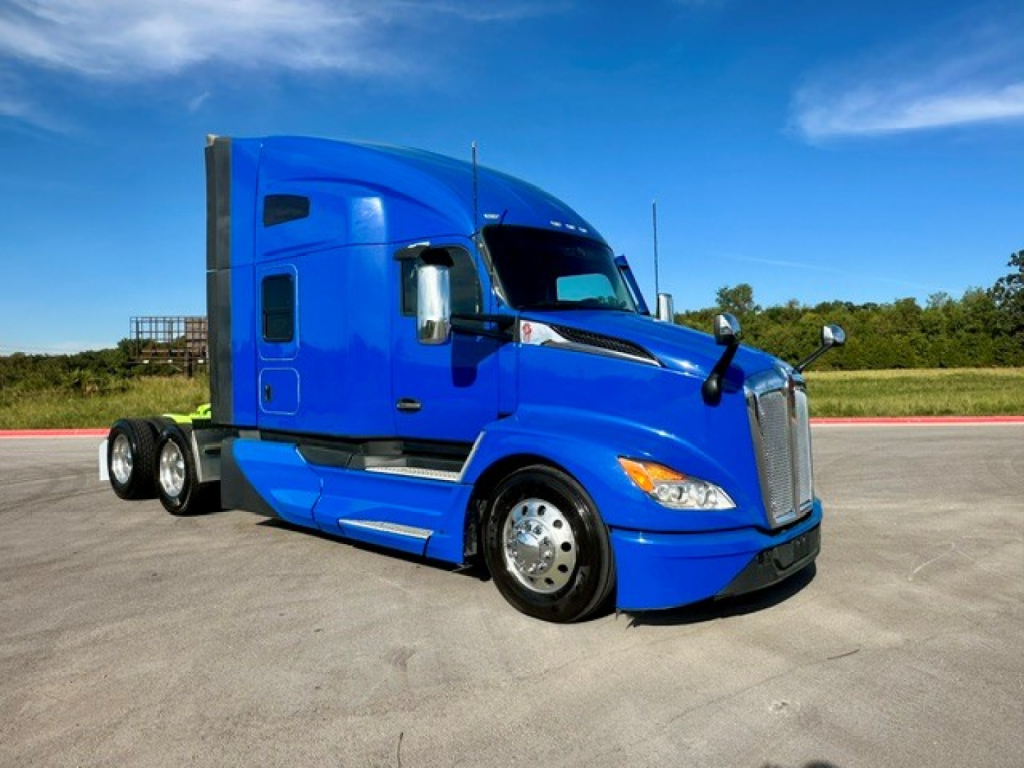
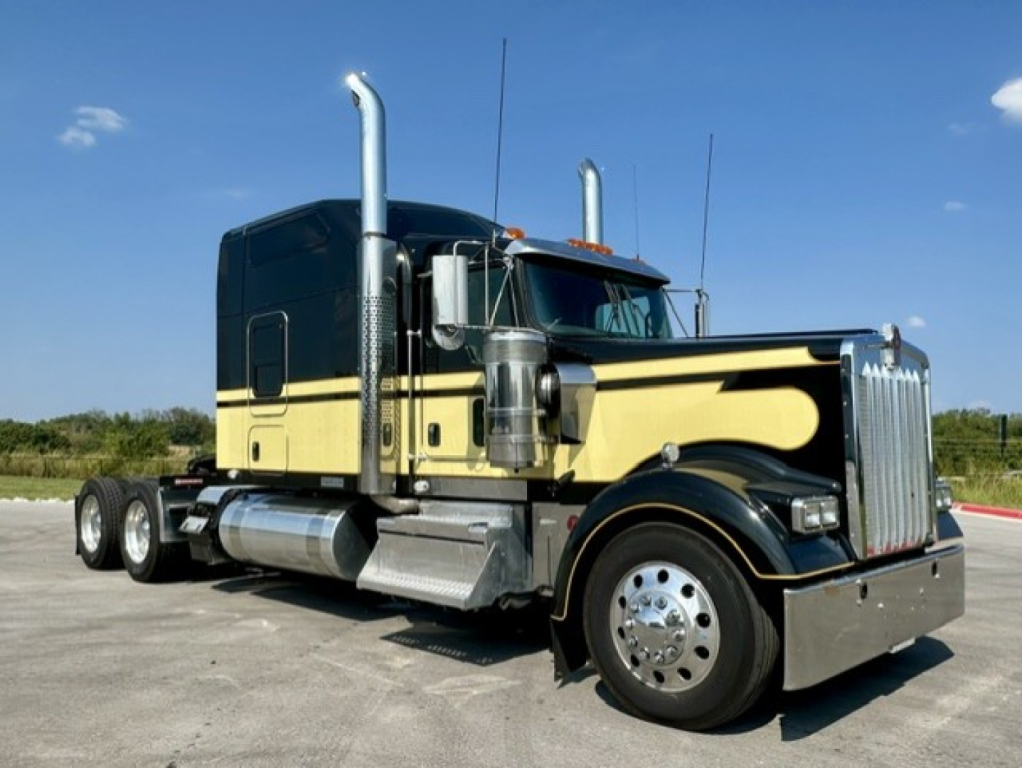

Selling a kenworth conventional sleeper truck? List your kenworth conventional sleeper truck for sale and reach thousands of commercial buyers.
Kenworth Conventional Sleeper Trucks in Arkansas
Northwest Arkansas poultry freight, Delta agriculture, and southern Arkansas timber create different requirements for conventional sleeper tractors. Compare gearing and engine braking for the Ozarks and Ouachitas against cruising efficiency on I-40 and I-30. Flatbed work requires clearance between the sleeper, headache rack, and trailer during turns; refrigerated freight adds reefer nose clearance considerations. Larger sleepers and fuel tanks improve long-haul accommodation but add tare weight. Arkansas heat and humidity make cab air conditioning, radiator condition, and charge-air cooler integrity inspection priorities.
On used Kenworth sleepers, match ECM mileage and engine hours against maintenance records before judging condition by the odometer. Most 2007 and newer highway diesels have diesel particulate filters, and most 2010 and newer use SCR with DEF; verify the actual engine and emissions certification. Review regeneration history, fault codes, DPF cleaning records, and documented engine repairs. Inspect AirGlide suspension bushings, air springs, fifth-wheel wear, steering play, and clutch or automated-transmission service history. Check frames and electrical connections for corrosion from winter deicing or previous northern service, and inspect sleeper seams for water entry.
Before ordering a new tractor, specify axle ratings, transmission ratios, fifth-wheel travel, and sleeper equipment around the loaded combination, not horsepower alone. Confirm separate engine, drivetrain, and aftertreatment warranty terms and budget for the 12% federal excise tax on qualifying new heavy trucks. Arkansas Interstate operation normally follows the 80,000-pound federal gross limit and bridge formula; higher component ratings do not authorize heavier loads. Verify ARDOT permit requirements for eligible oversize or overweight movements.
Frequently Asked Questions about Kenworth Conventional Sleeper Trucks in Arkansas
What axle ratio should I choose for a Kenworth sleeper running Arkansas highways?
Cruise rpm at your actual road speed matters more than axle ratio alone on a Kenworth sleeper tractor. Compare the axle ratio with transmission top gear, tire size, and the engine manufacturer's recommended operating range. A highway-oriented ratio can suit steady I-40 freight, but frequent loaded starts and steep grades require adequate overall reduction. Request a gearing calculation for the intended trailer, gross weight, and cruising speed.
How can I tell if a used Kenworth sleeper has an emissions delete?
Missing DPF or SCR hardware, altered exhaust plumbing, and incompatible ECM calibration are warning signs of an emissions delete on a used Kenworth sleeper. Have an engine-qualified technician compare the emissions label, engine serial number, installed components, and electronic calibration. A clean dashboard does not establish compliance. Emissions tampering can make a highway tractor illegal to operate and create substantial restoration work.
Can a Kenworth sleeper tractor haul 80,000 pounds legally in Arkansas?
A properly configured five-axle Kenworth sleeper combination can normally operate at 80,000 pounds gross on Arkansas Interstates, subject to axle, tire, and bridge-formula limits. Standard federal limits include 20,000 pounds on a single axle and 34,000 pounds on a tandem. Actual axle spacing and load distribution still control legality. Check loaded scale weights, registration, posted restrictions, and the intended route rather than relying on the tractor's GVWR.
How should I inspect the APU on a used Kenworth sleeper?
Run a diesel APU with the Kenworth's main engine shut down and test cooling, heating, and supported electrical loads. Compare APU hours with its own service records, not just the tractor's maintenance history. Inspect belts, coolant lines, exhaust routing, mounting brackets, and fuel connections. For a battery-powered sleeper system, test battery capacity and operating duration because working fans alone do not prove adequate overnight cooling.
What sleeper layout is best for team refrigerated freight from Arkansas?
A double-bunk sleeper with adequate standing room is the practical choice for a two-driver Kenworth refrigerated operation. Check mattress dimensions, bunk restraints, storage access, and whether either driver's belongings obstruct exits. Test sleeper HVAC separately from the front cab controls. A larger sleeper provides more living space, but the added weight and wheelbase must still fit payload targets and maneuvering requirements at poultry plants and distribution facilities.