
International Conventional Sleeper Trucks For Sale in North Carolina
Shop International conventional sleeper trucks with LT and ProStar specs, Cummins power, raised-roof sleepers, and long-haul highway setups.
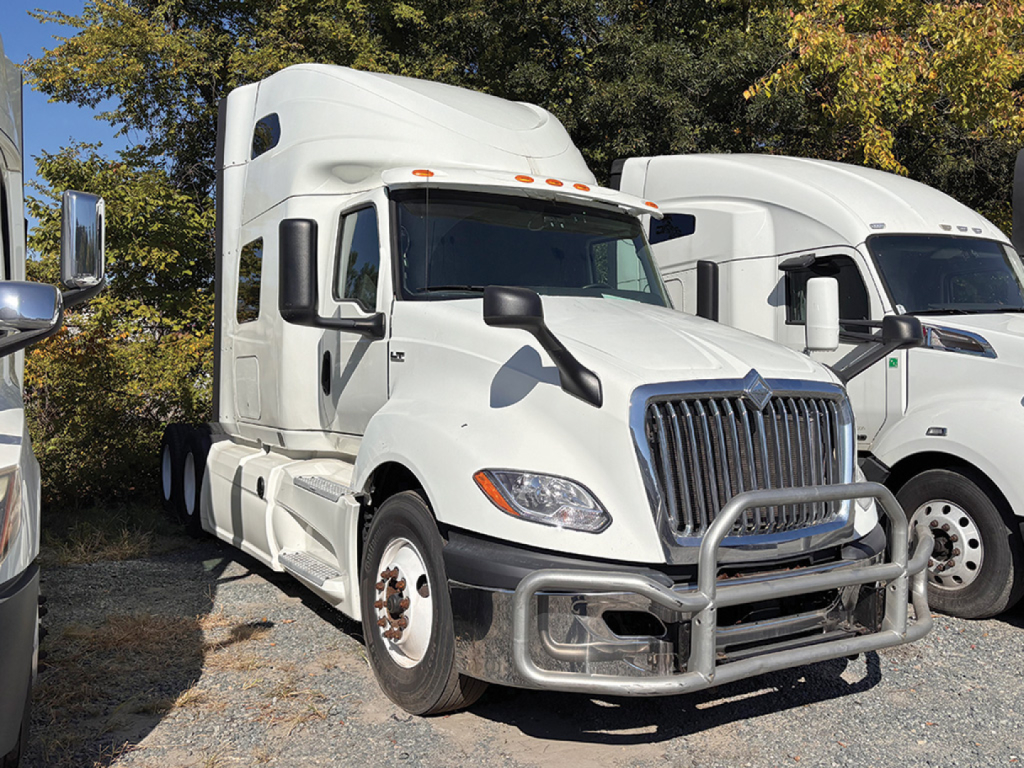
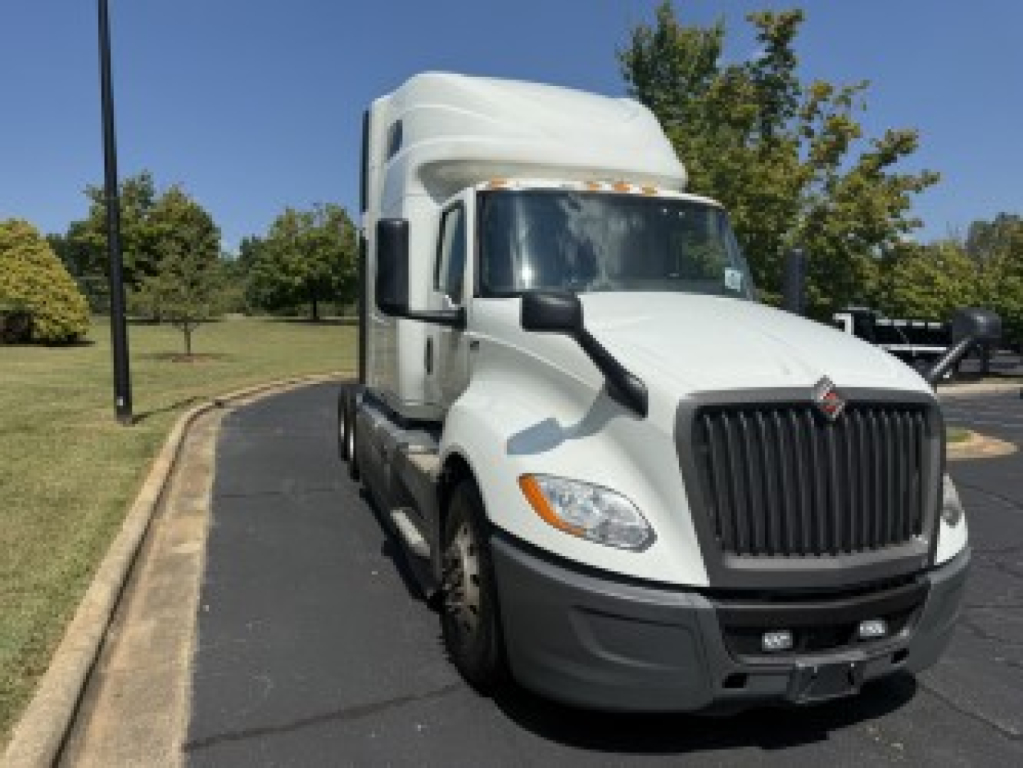

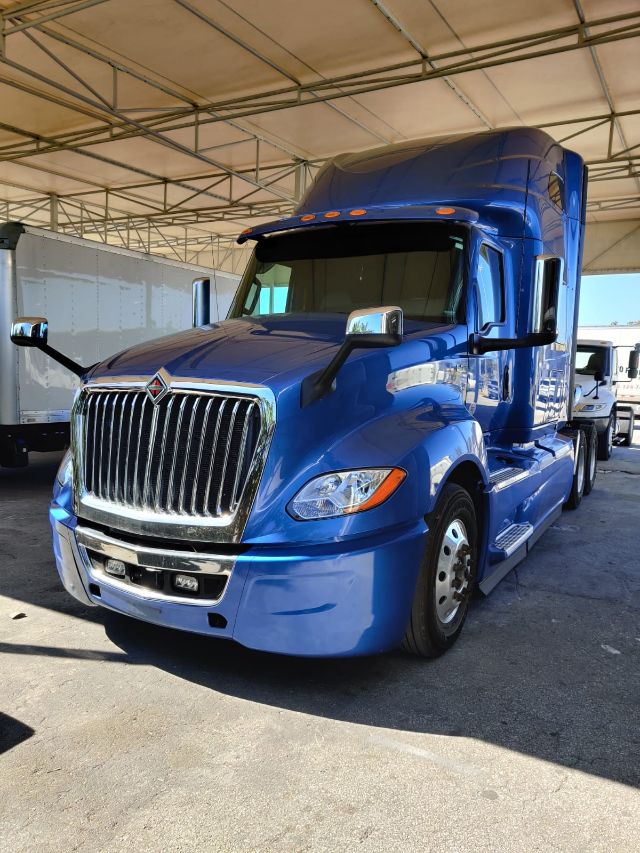

Selling a international conventional sleeper truck? List your international conventional sleeper truck for sale and reach thousands of commercial buyers.
International Conventional Sleeper Trucks in North Carolina
The biggest buying decisions usually come down to powertrain spec and sleeper layout. Many late-model International sleepers are equipped with the Cummins X15 in the 400 to 450 horsepower range, often paired with automated Eaton transmissions and rear axle ratios such as 3.08 or 3.25. That combination is popular for interstate runs because it balances cruise-speed efficiency with usable pulling power. Older units may show different engine options, including Caterpillar in some pre-emissions-era trucks, so buyers should confirm engine family, emissions system history, and maintenance records before comparing price alone. Wheelbase, fifth wheel slide travel, and fuel capacity also matter if the truck will be assigned to varied trailer lengths or longer lanes.
Sleeper size has a direct effect on productivity and driver retention. A 73-inch Sky-Rise or similar double bunk setup gives teams and extended-stay operators more room for storage, rest, and onboard living. Features like APUs, upper bunks, climate control, power accessories, and collision mitigation systems can make a major difference in operating cost and driver acceptance. Buyers should also look closely at suspension type, brake spec, tire size, and whether the truck has disc brakes, air ride, fairings, and cab extenders, since those details affect ride quality, stopping performance, and aerodynamic efficiency.
For North Carolina fleets and owner-operators, an International sleeper truck can be a practical fit for Southeast freight corridors with frequent highway miles and mixed terrain. The LT series is generally favored for improved aerodynamics, quieter cab design, and updated driver ergonomics compared with older highway models. The right truck in this class is less about badge alone and more about matching sleeper size, engine rating, transmission, axle ratio, and maintenance condition to the freight lane. A well-specced conventional sleeper should support stable highway RPM, acceptable fuel burn, and enough comfort to keep the truck moving profitably over long weeks on the road.
Frequently Asked Questions about International Conventional Sleeper Trucks in North Carolina
What is the difference between an International LT625 and an International ProStar sleeper truck?
The International LT625 is the newer highway platform and is generally known for better aerodynamics, improved cab refinement, and more current safety and driver-assist features. The ProStar was a common predecessor in long-haul service and can still be a viable lower-cost option, but buyers should expect an older emissions package, more age-related wear, and fewer modern comfort features in many units. The real comparison should focus on engine spec, transmission, mileage, maintenance history, and sleeper configuration rather than model name alone.
What engine and transmission specs are common in International conventional sleeper trucks?
A common late-model spec is a Cummins X15 rated around 450 horsepower paired with an automated manual transmission such as an Eaton Endurant or UltraShift-family unit. Rear axle ratings around 40,000 pounds and highway ratios like 3.08 or 3.25 are also typical. Those specs are aimed at over-the-road freight where fuel economy and steady cruise performance are more important than severe-duty startability. Older trucks may have different engine makes and transmission combinations, so buyers should verify exact driveline components on each unit.
Is a 73-inch sleeper a good choice for long-haul work?
Yes, a 73-inch sleeper is a strong fit for long-haul applications, especially for teams, drivers who stay out for extended periods, or operations that need added storage and living space. A larger raised-roof sleeper usually supports an upper bunk, more cabinet space, and better comfort during rest periods. The tradeoff is added weight and sometimes a higher purchase price, but many buyers consider that worthwhile for retention, productivity, and driver quality of life.
What should I inspect first on a used International sleeper truck?
Start with the engine and emissions system records, then move to transmission operation, differential ratio, suspension condition, and brake wear. After that, check sleeper condition, APU operation if equipped, fifth wheel wear, tire condition, and signs of collision or structural repair. On higher-mileage highway tractors, service history is often more important than cosmetic appearance. A truck with documented maintenance, consistent fault history, and a sound driveline is usually a better value than a cheaper truck with missing records.
Are International conventional sleeper trucks good for reefer and dry van freight?
Yes, this class is commonly used for reefer, dry van, and general over-the-road freight. Their aerodynamic design, tandem axle setup, and highway-oriented powertrain options make them well suited for pulling standard 53-foot trailers across regional and interstate lanes. The best results come from matching horsepower, axle ratio, and wheelbase to the freight profile and average gross weight. For heavier or more specialized applications, buyers may want to compare the highway spec against a more vocational or higher-horsepower setup.