
2020 International Conventional Sleeper Trucks For Sale in North Carolina

Have 2020 international conventional sleeper truck to sell? List it here to reach thousands of buyers.
2020 International Conventional Sleeper Trucks in North Carolina
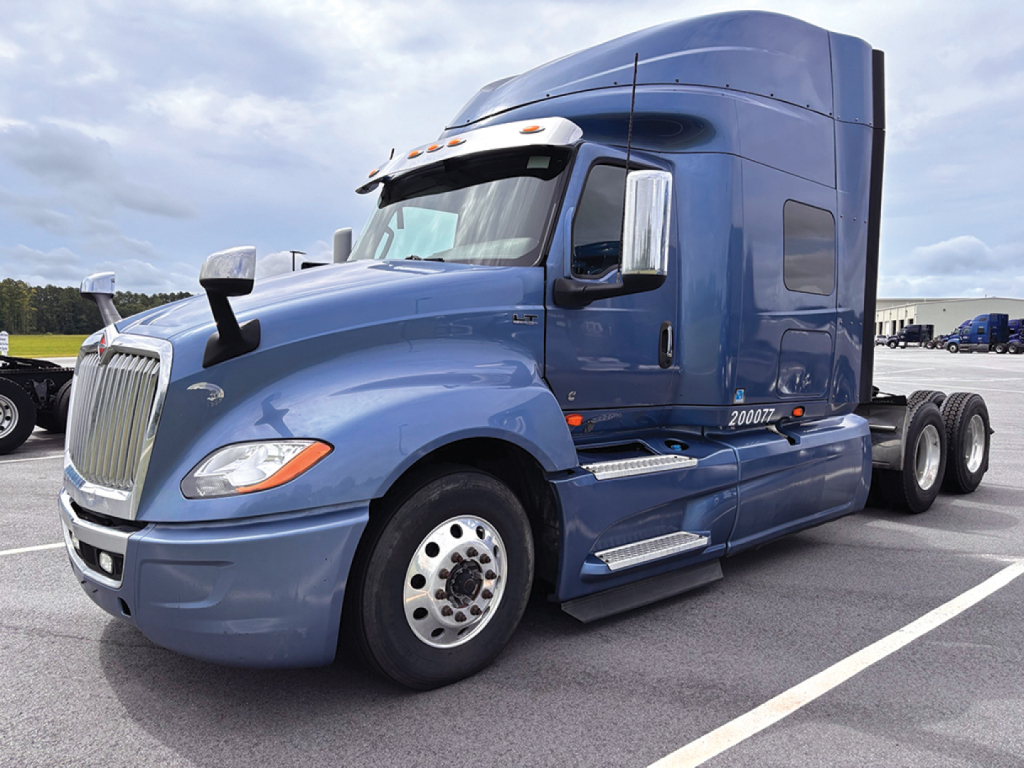
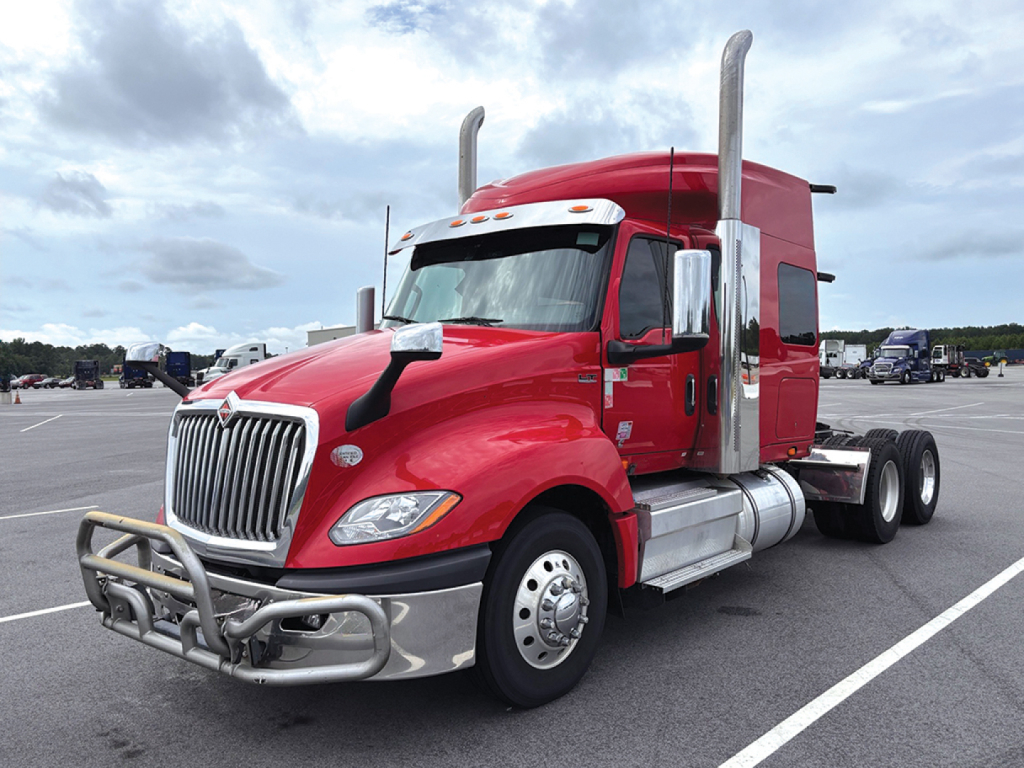
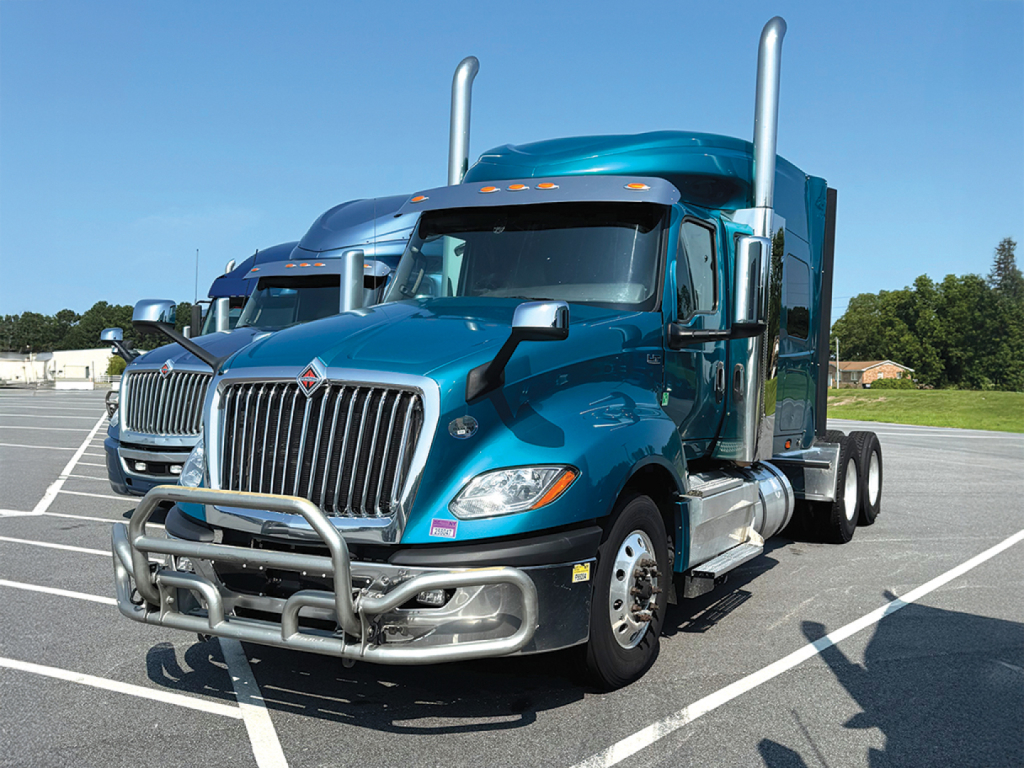
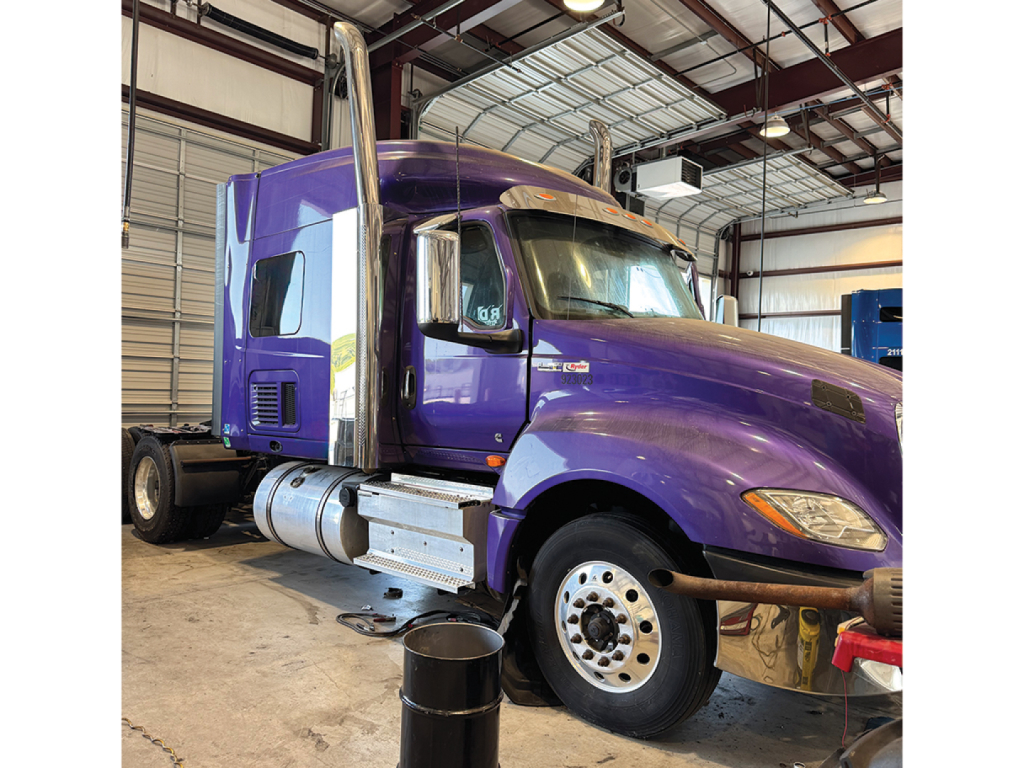
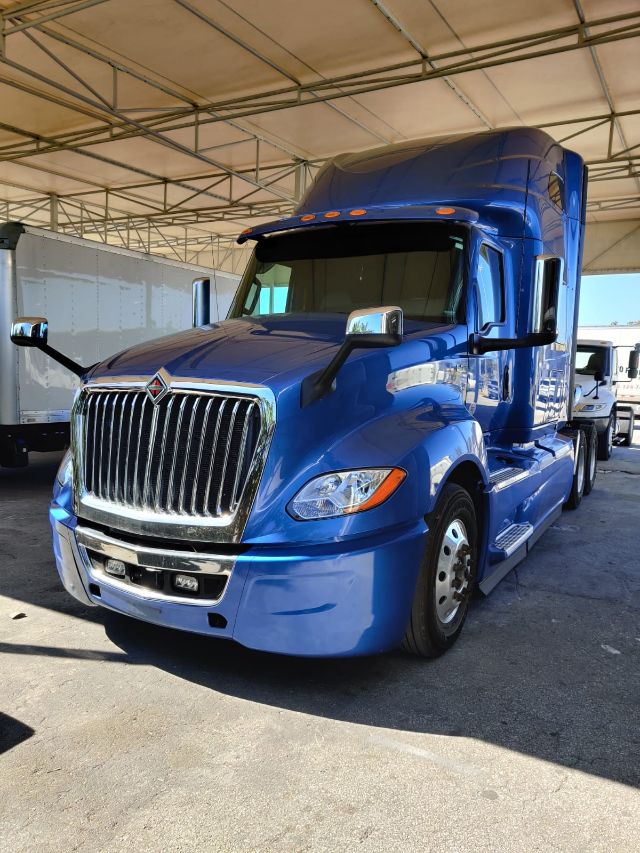
The first buying decision is usually sleeper size and drivetrain spec. Many 2020 International sleepers were built with 56-inch hi-rise sleepers, which give a practical balance between maneuverability and driver living space. A truck spec'd with an APU or bunk heater can materially reduce idle time and improve driver retention. On the powertrain side, the Cummins X15 is the engine most buyers expect to see, often paired with an automated manual transmission for fuel economy and easier driver onboarding. Rear axle ratios such as 3.08 are common in fleet-style highway specs and are generally aimed at fuel-efficient cruising rather than heavy vocational pulling.
Chassis details matter just as much as the badge on the hood. Check wheelbase against the trailer types you plan to pull, especially if the truck has an air-slide fifth wheel and needs flexibility for different kingpin settings. Fuel capacity, fairing condition, ride height, and tire profile all affect operating cost and day-to-day usefulness. Aluminum wheels, low-profile 22.5 tires, dual tanks, cab extenders, and aerodynamic trim are common on highway tractors in this class. If the truck has higher miles, pay attention to aftertreatment history, transmission calibration, suspension wear, and signs of uneven tire wear that could point to alignment or bushing issues.
A 2020 International conventional sleeper is best suited for dry van, reefer, and general freight applications where aerodynamics, sleeper comfort, and predictable maintenance are priorities. Buyers comparing these trucks should look beyond horsepower alone and focus on total spec alignment: engine rating, sleeper layout, maintenance records, idle management equipment, and axle ratio all need to match the intended lane and load profile. A well-matched International sleeper can be a practical cost-per-mile truck for fleets and owner-operators who want a modern highway tractor without moving into a newer price tier.
Frequently Asked Questions about 2020 International Conventional Sleeper Trucks in North Carolina
What engine is most common in a 2020 International conventional sleeper truck?
The most common engine in a 2020 International conventional sleeper is the Cummins X15. It is widely used in highway tractors because it offers a broad horsepower range, strong parts support, and familiarity across fleet and independent service networks. Buyers should still verify the exact horsepower and torque rating, because two trucks with the same engine family can be spec'd very differently for fuel economy, regional work, or heavier long-haul applications.
Is a 56-inch sleeper enough for over-the-road use?
A 56-inch sleeper is a common over-the-road spec and works well for many solo drivers. It gives enough room for rest, storage, and basic onboard living without adding as much weight or wheelbase as a larger sleeper. For extended time away from home, team operation, or drivers who prioritize interior space, a larger or double bunk setup may be preferable. The right choice depends on trip length, driver expectations, and payload sensitivity.
Why does rear axle ratio matter on a 2020 International LT625?
Rear axle ratio directly affects cruise RPM, launch feel, gradeability, and fuel economy. A ratio such as 3.08 is common on aerodynamic fleet tractors designed for highway speeds and efficient fuel burn. That can be an advantage on flat to rolling freight lanes, but it may be less ideal for operations that regularly haul heavy loads through steeper terrain. Buyers should match the ratio to gross combination weight, average speed, and terrain rather than treating it as a minor spec.
What should buyers inspect on a used 2020 International sleeper?
The most important areas are maintenance history, emissions system performance, transmission operation, suspension condition, and sleeper functionality. Review any records related to the aftertreatment system, including DPF and SCR service, and confirm there are no recurring fault codes. Inspect the fifth wheel, frame, bushings, air system, and tire wear pattern. In the sleeper, check HVAC performance, bunk heater or APU operation, seals, and signs of water intrusion. These items tell you more about long-term value than cosmetic trim alone.
Are 2020 International conventional sleepers good for regional fleets in North Carolina?
Yes, they can be a strong fit for North Carolina regional work, especially when spec'd with an efficient highway drivetrain and practical sleeper package. The platform suits dry van, reefer, and general freight moving through major Southeast lanes. For regional fleets, an automated transmission, manageable wheelbase, and idle-reduction equipment can improve driver acceptance and operating cost. The best units are those whose gearing, sleeper size, and fuel capacity match the actual dispatch pattern.