
Used 2024 Freightliner Conventional Sleeper Trucks For Sale in Nebraska
Used 2024 Freightliner conventional sleeper trucks for sale in Nebraska: compare Cascadia gearing, sleeper layouts, emissions history, and winter wear.
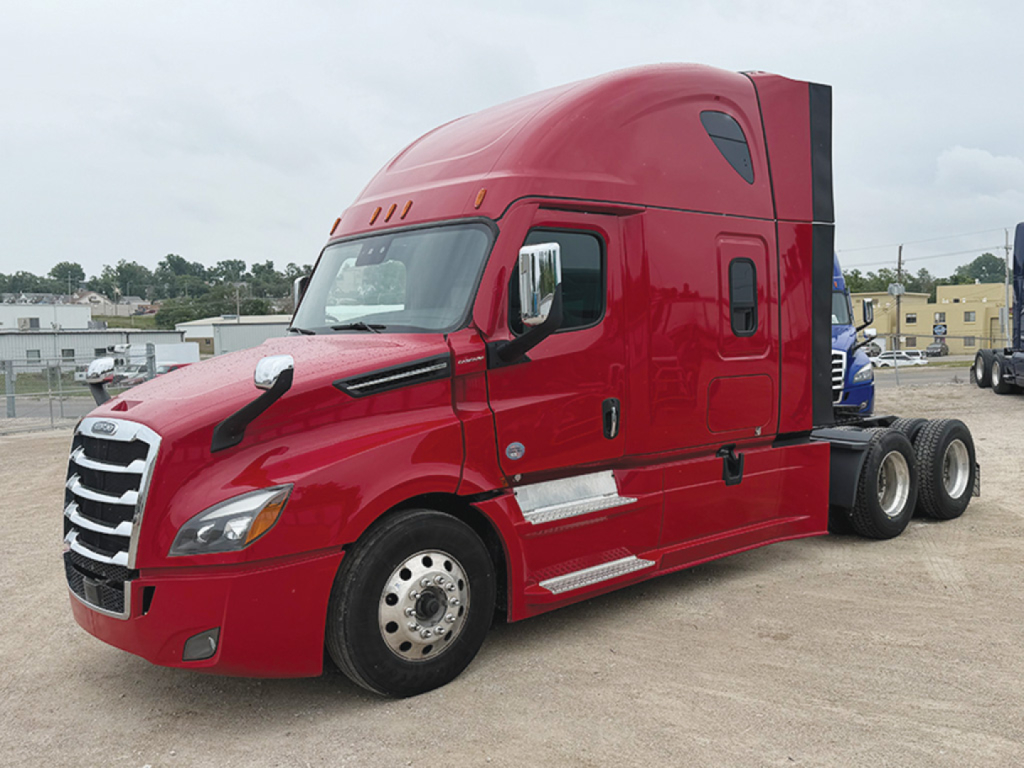
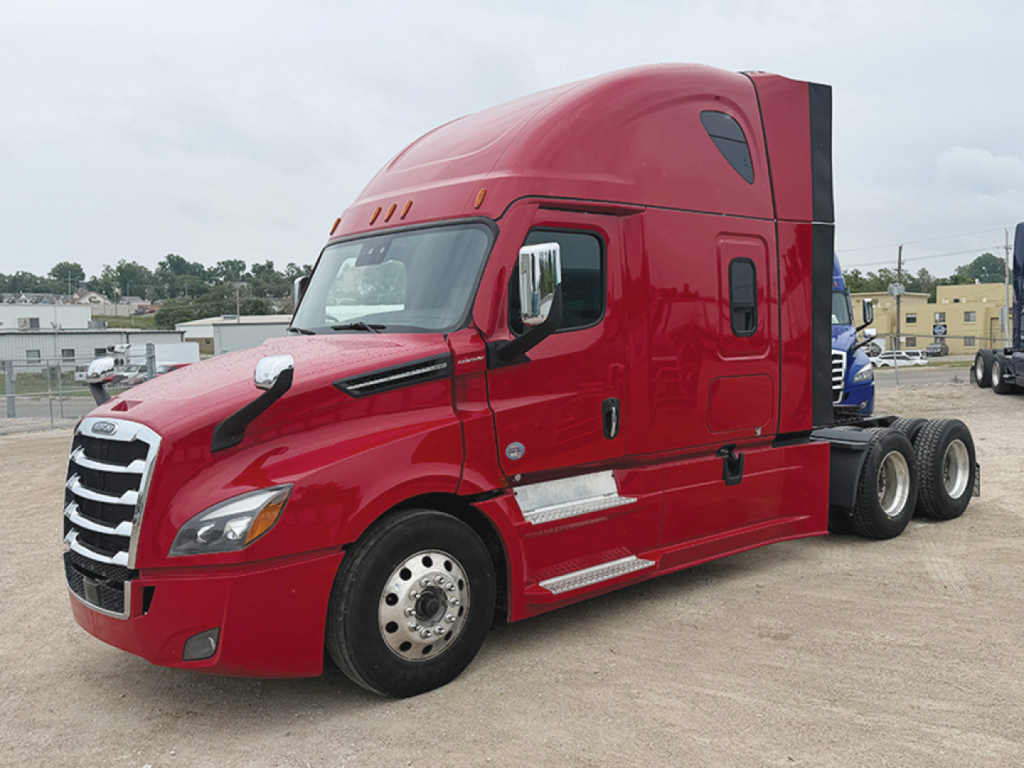
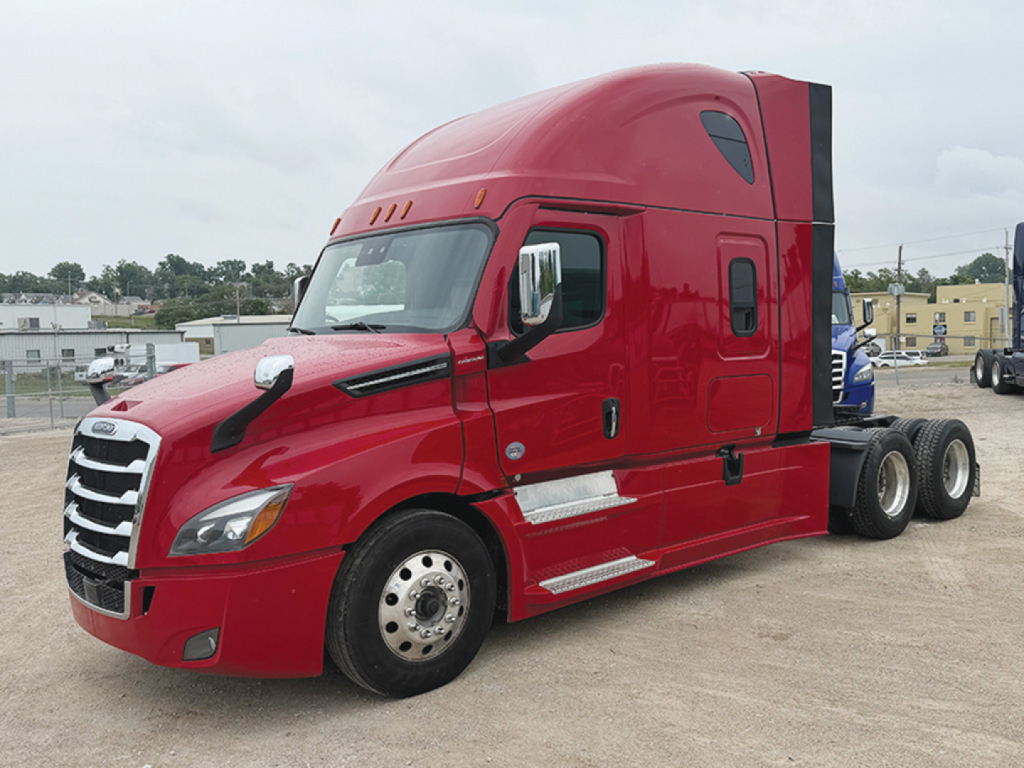
Selling a used 2024 freightliner conventional sleeper truck? List your used 2024 freightliner conventional sleeper truck for sale and reach thousands of commercial buyers.
Used 2024 Freightliner Conventional Sleeper Trucks in Nebraska
On a used tractor, reconcile ECM mileage and engine hours with maintenance records, then review regeneration history, emissions faults, and DT12 clutch condition. Nebraska winter exposure warrants checking frame rails, air tanks, brake hardware, and electrical connectors for salt corrosion. Inspect charge-air plumbing, radiator cleanliness, and sleeper HVAC, and road-test under load for cooling performance, shift quality, driveline vibration, and air leaks.
Frequently Asked Questions about Used 2024 Freightliner Conventional Sleeper Trucks in Nebraska
Can a 2024 Freightliner Cascadia sleeper pull a grain hopper in Nebraska?
A properly configured 2024 Freightliner Cascadia sleeper can pull a grain hopper, but loaded startability and legal payload deserve more attention than peak horsepower. Verify fifth-wheel height, trailer clearance, axle ratings, and scaled empty weight with fuel aboard. Frequent loaded starts on soft farm approaches require suitable overall gearing and traction; a highway-oriented axle ratio should not be evaluated without the transmission's lowest gear and tire size.
What weight limits apply to a sleeper tractor-trailer on Nebraska's I-80?
A conventional sleeper combination on Nebraska's I-80 normally faces limits of 80,000 pounds gross, 20,000 pounds on a single axle, and 34,000 pounds on a tandem. Federal Bridge Formula requirements can reduce allowable weight based on axle spacing. Tire ratings, equipment ratings, and posted restrictions also apply. Do not assume agricultural use automatically exempts a grain-hauling combination from Interstate weight rules.
How do I check remaining warranty on a used 2024 Freightliner sleeper?
The VIN, original in-service date, mileage, and engine hours are the starting points for verifying remaining warranty on a used 2024 Freightliner sleeper. Ask an authorized Freightliner service department to confirm coverage records. Truck, engine, emissions, and purchased extended coverage can have different limits. Confirm transfer requirements, exclusions, and required maintenance documentation in writing rather than assuming the model year guarantees coverage.
Is an APU useful on a used Cascadia sleeper running Nebraska routes?
An APU is most useful on a Cascadia sleeper when drivers regularly take overnight breaks without shore power. For Nebraska winter operation, distinguish sleeper heating from engine coolant heating because not every system provides both. Inspect a diesel APU's hours, service records, mounts, exhaust routing, and performance under load, or test battery capacity and charging performance on an electric system.
How do I check Detroit Assurance on a used 2024 Cascadia?
A diagnostic scan and inspection of the radar and windshield camera are the starting points for checking Detroit Assurance on an equipped 2024 Cascadia. Verify the installed features by VIN rather than assuming every tractor has identical equipment. Review calibration documentation after repairs that require calibration, inspect sensor mounting areas for collision damage, and have a qualified technician verify operation without deliberately provoking emergency braking.