
Used 2022 Freightliner Conventional Sleeper Trucks For Sale in Iowa
Shop used 2022 Freightliner conventional sleeper trucks in Iowa. Compare Cascadia specs, DD15 power, sleeper layouts, and fleet-ready features.
No exact matches found for your search
Showing 2022 Used Conventional Sleeper Trucks in Iowa instead.
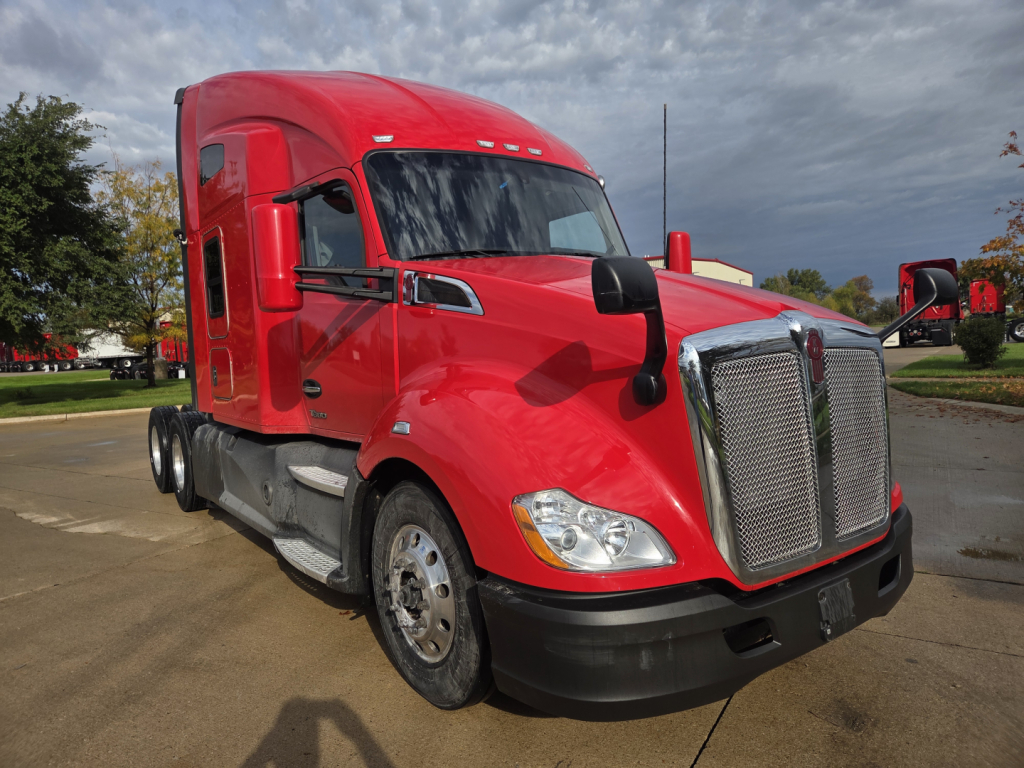
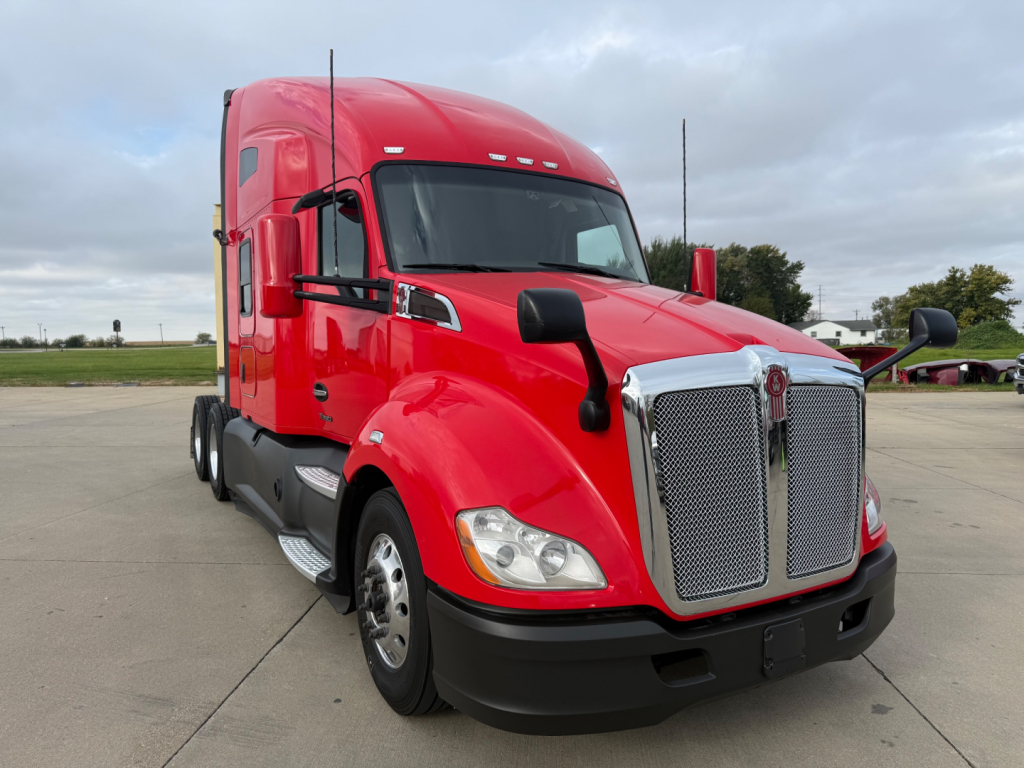
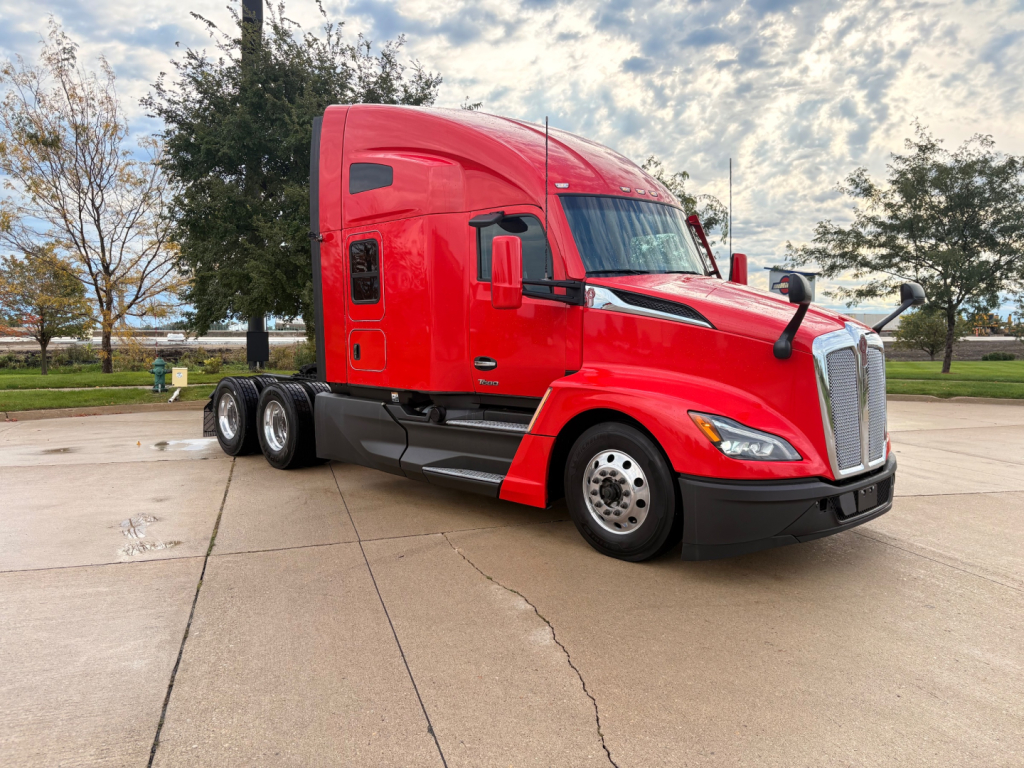
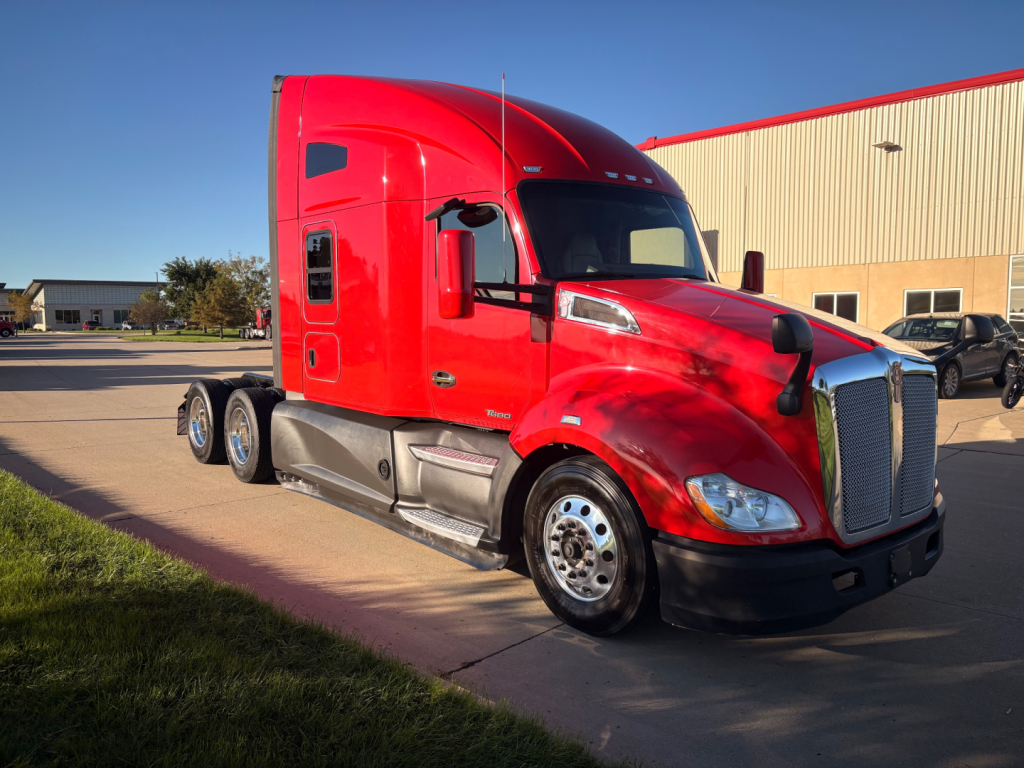
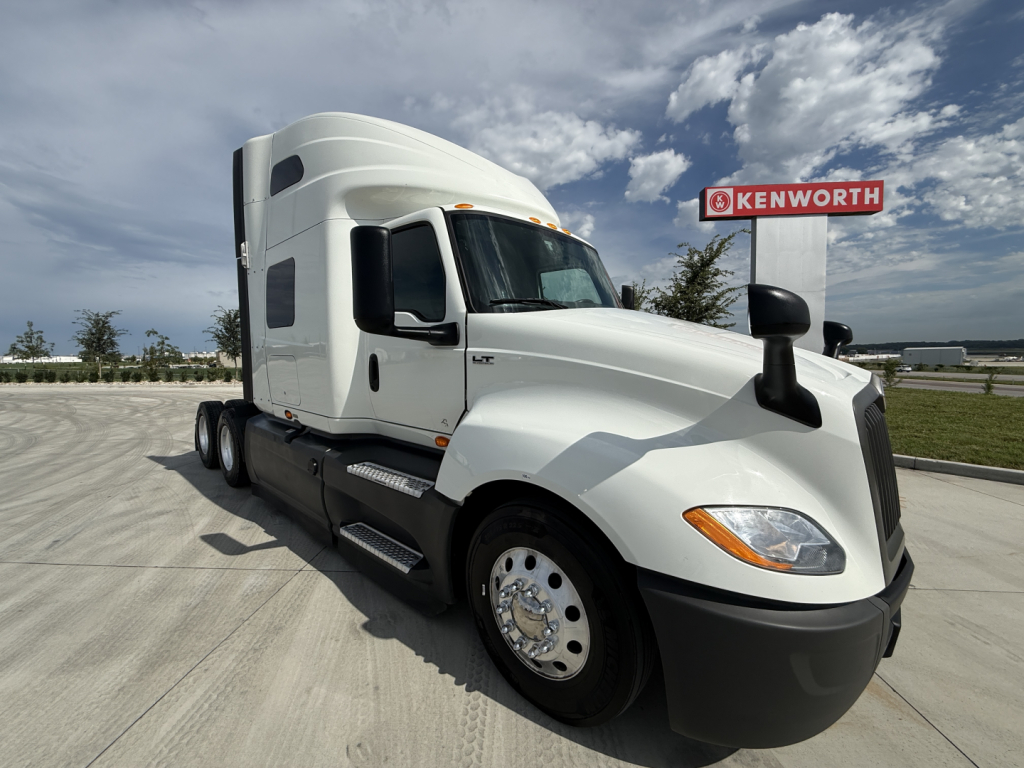
Selling a used 2022 freightliner conventional sleeper truck? List your used 2022 freightliner conventional sleeper truck for sale and reach thousands of commercial buyers.
Used 2022 Freightliner Conventional Sleeper Trucks in Iowa
The big spec decisions usually start with engine, transmission, rear axle ratio, and sleeper configuration. Many 2022 Freightliner sleepers are equipped with the Detroit DD15, often in the 400 to 505 horsepower range, paired with the DT12 automated manual transmission. That combination is popular because it balances fuel economy with highway pulling power and reduces driver fatigue in stop-and-go traffic or heavy corridor work. Rear axle ratios like 2.16 for fuel mileage or 3.42 for stronger launch and grade performance can change how the truck behaves under load, so buyers should match the ratio to gross weight, terrain, and cruising speed. Fuel capacity, wheelbase, and bunk setup also matter, especially if the truck will be assigned to team service, longer dispatch cycles, or slip-seat operations.
Sleeper details deserve close attention because they affect retention as much as utilization. Single-bunk and double-bunk layouts are both common, and many late-model Freightliner sleepers include practical features such as optimized idle, bunk heaters, inverters, refrigerators, steering wheel controls, and factory safety systems. Collision mitigation and lane departure warning are especially common on newer highway tractors and can be valuable for fleets managing safety scores and insurance exposure. Buyers should also review cab condition, idle hours, PTO history if equipped, tire wear, brake life, and signs of deferred maintenance around the aftertreatment system. On a used 2022 truck, service records and software update history can be just as important as mileage.
A conventional sleeper truck, also known as a highway sleeper tractor, is built for van, reefer, flatbed, tanker, and many dedicated freight applications. Freightliner’s aerodynamic hood, roomy cab, and widespread dealer support make this category attractive to owner-operators and fleet managers alike. The best purchase is usually the truck with the right vocational spec, not just the lowest miles. Look closely at engine rating, transmission calibration, axle ratio, sleeper size, safety package, and maintenance history to determine if a 2022 Freightliner conventional sleeper will fit your lanes, payload, and operating cost targets.
Frequently Asked Questions about Used 2022 Freightliner Conventional Sleeper Trucks in Iowa
What engine and transmission are common in a used 2022 Freightliner conventional sleeper truck?
The most common setup is a Detroit DD15 diesel engine paired with a Detroit DT12 automated manual transmission. Horsepower ratings often fall between the mid-400s and low-500s depending on fleet spec. This combination is widely used in over-the-road service because it offers good fuel economy, strong highway performance, and broad service support. Buyers should still confirm the exact horsepower, torque rating, transmission programming, and rear axle ratio because those specs have a direct effect on startability, cruise rpm, and loaded performance.
Is a 2022 Freightliner Cascadia sleeper a good fit for long-haul operations?
Yes, the 2022 Cascadia sleeper is commonly used in long-haul and regional linehaul work. It is designed around aerodynamic efficiency, driver comfort, and uptime, which are all critical for extended highway service. Features such as optimized idle, bunk heater options, refrigerator prep or installed fridges, inverters, and active safety systems make it especially well-suited for drivers who spend multiple nights on the road. The real key is matching the sleeper size and drivetrain to the freight network and average trip length.
What should I inspect first on a used 2022 Freightliner sleeper?
Start with maintenance records, engine hours, idle hours, and any emissions or aftertreatment repair history. Then inspect tire wear, brakes, suspension components, fifth wheel condition, and signs of frame damage or poor repairs. Inside the cab, verify sleeper equipment operation, HVAC performance, warning lights, and telematics or safety system status. On a late-model truck, diagnostic scans and software history are important because they can reveal fault trends that are not obvious during a basic walk-around.
How does rear axle ratio affect a Freightliner conventional sleeper truck?
Rear axle ratio changes the balance between fuel economy and pulling performance. A taller ratio such as 2.16 generally supports lower engine rpm at highway speed and can improve fuel mileage in light to moderate linehaul service. A deeper ratio such as 3.42 usually gives better launch feel and grade performance, which can help in heavier applications or more varied terrain. Buyers in Iowa and surrounding states should compare the ratio to typical load weight, route profile, and target cruise speed before deciding which spec is the better fit.
What freight applications can a used 2022 Freightliner sleeper tractor handle?
A conventional sleeper tractor in this class can be used for dry van, refrigerated freight, flatbed, tanker, dedicated contract freight, and general over-the-road hauling. The exact application depends on the tractor’s wheelbase, fuel capacity, fifth wheel setup, axle ratings, and powertrain spec. A fleet-focused highway configuration may prioritize fuel economy and safety technology, while a more versatile spec may favor additional horsepower, different gearing, or a larger sleeper for longer dispatch cycles.