
New Freightliner Conventional Sleeper Trucks For Sale
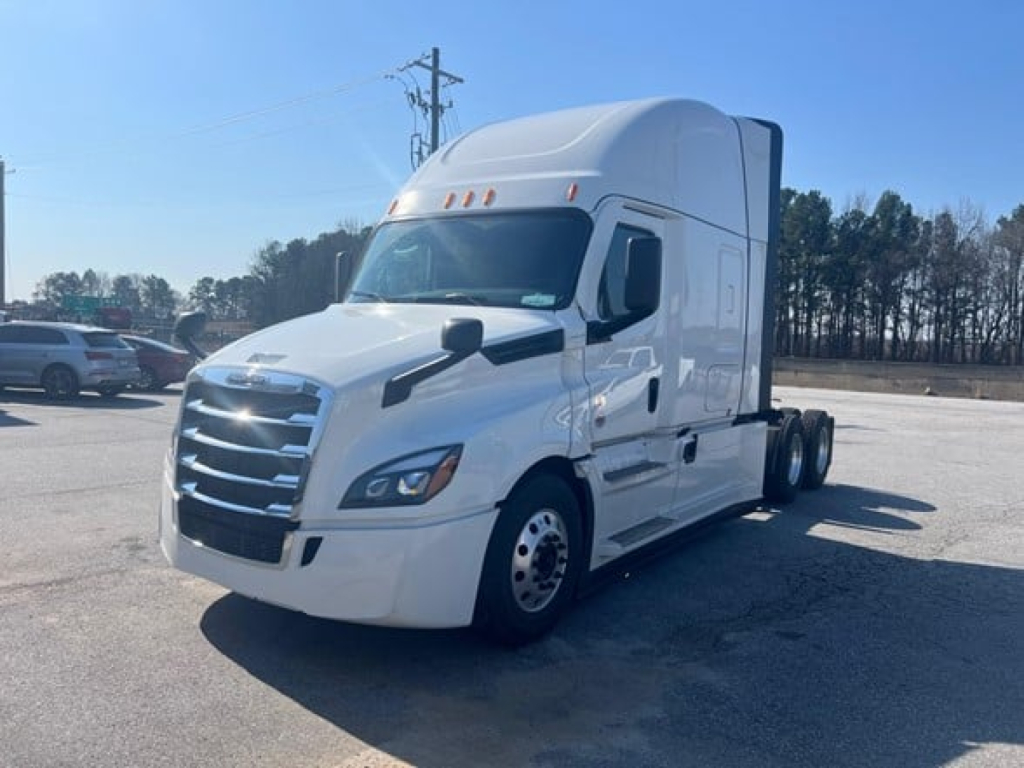
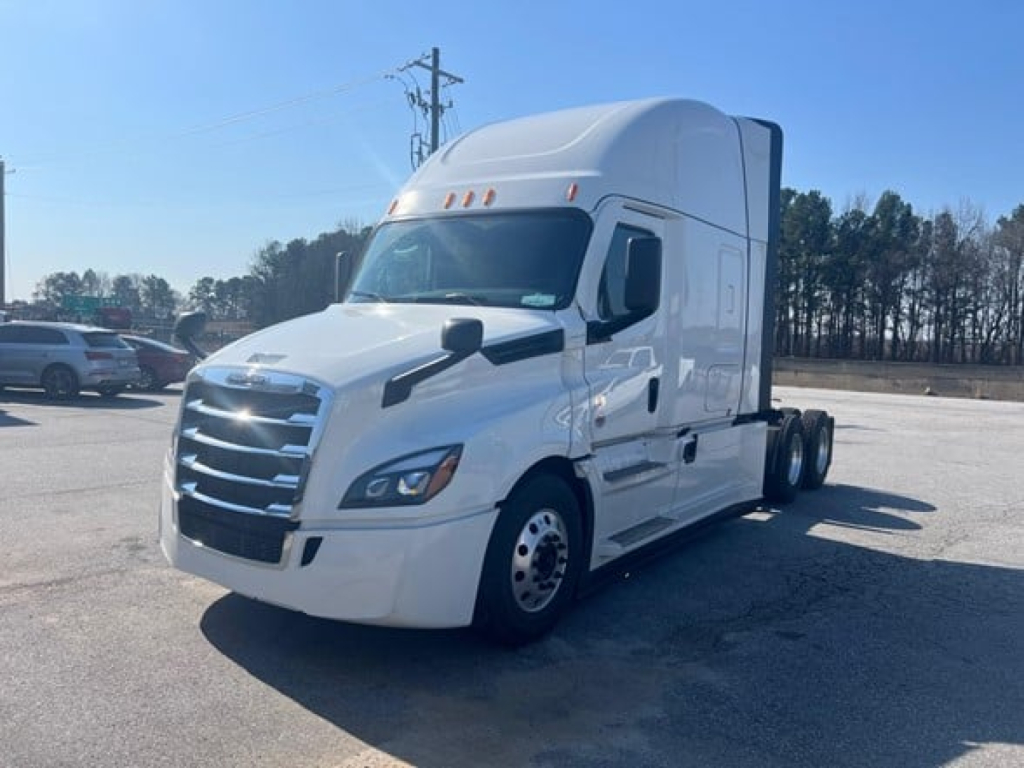
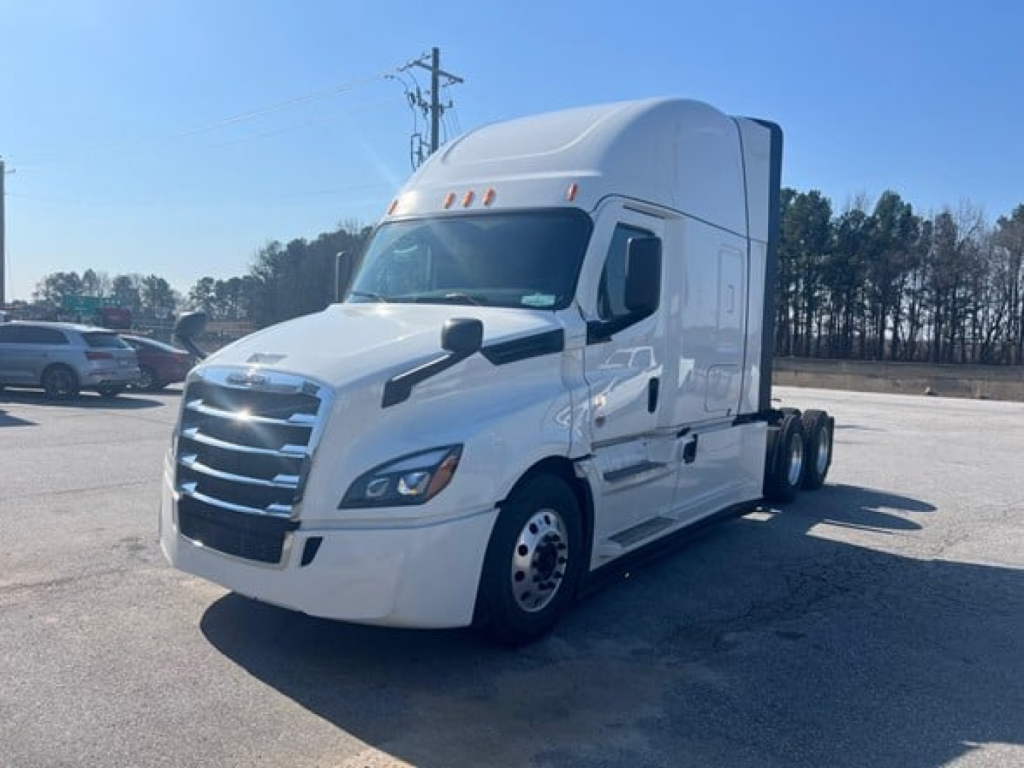
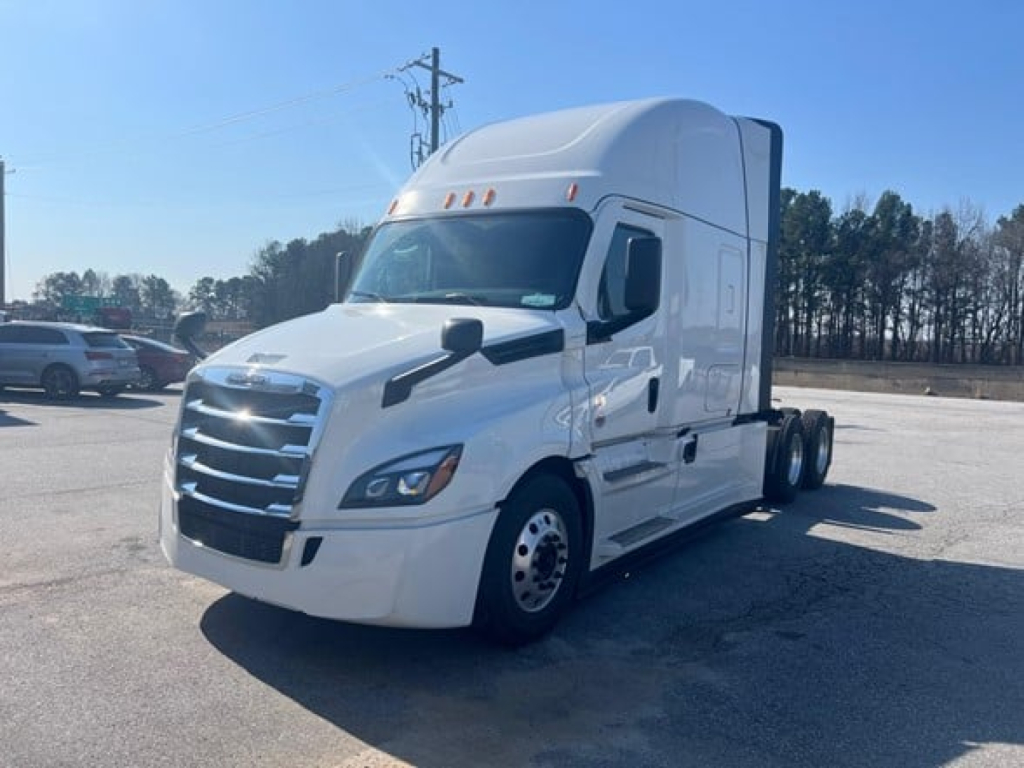
Shop new Freightliner conventional sleeper trucks, including Cascadia models with DD15 power, DT12 AMT, raised-roof sleepers, and 6x4 specs.
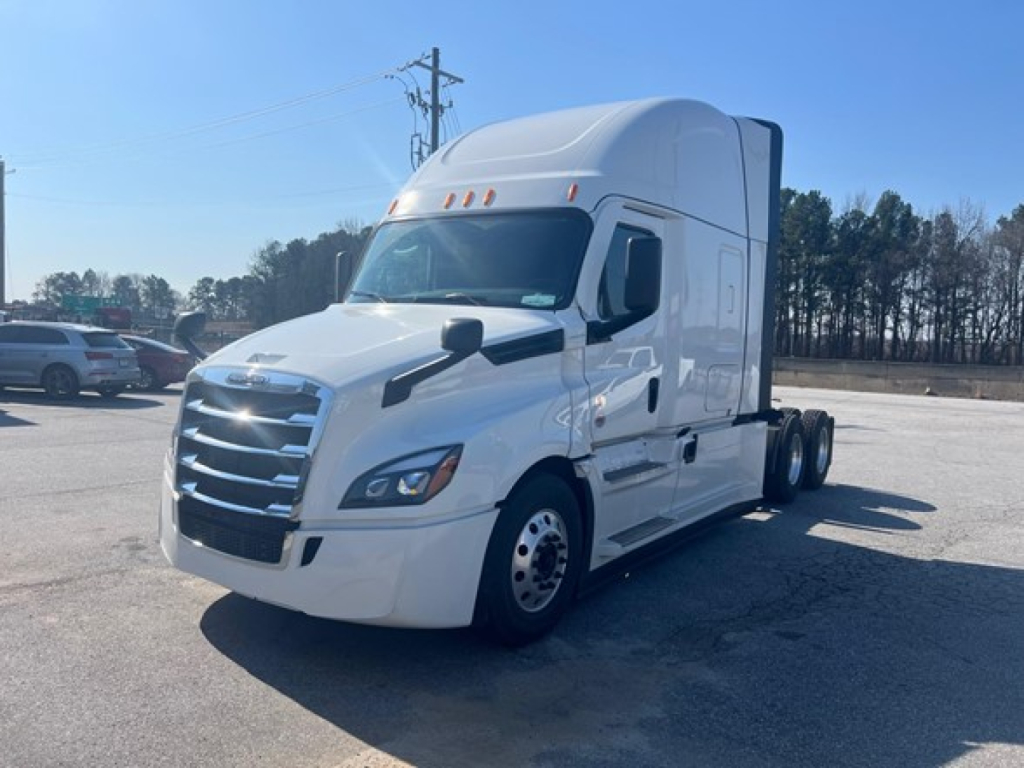
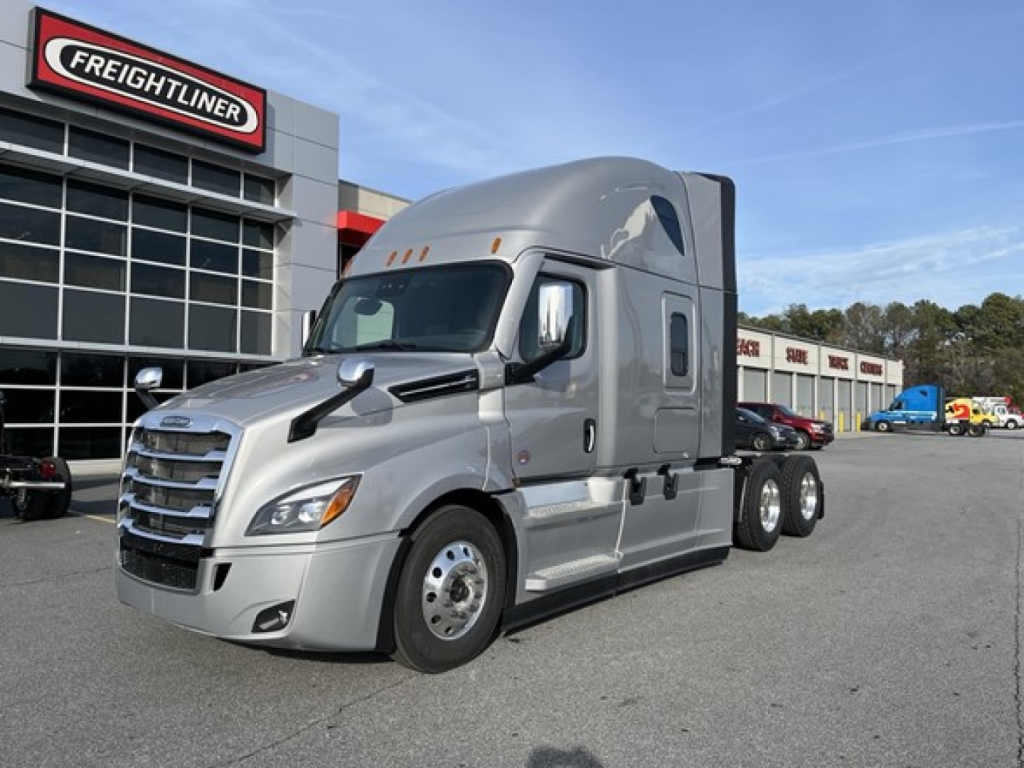
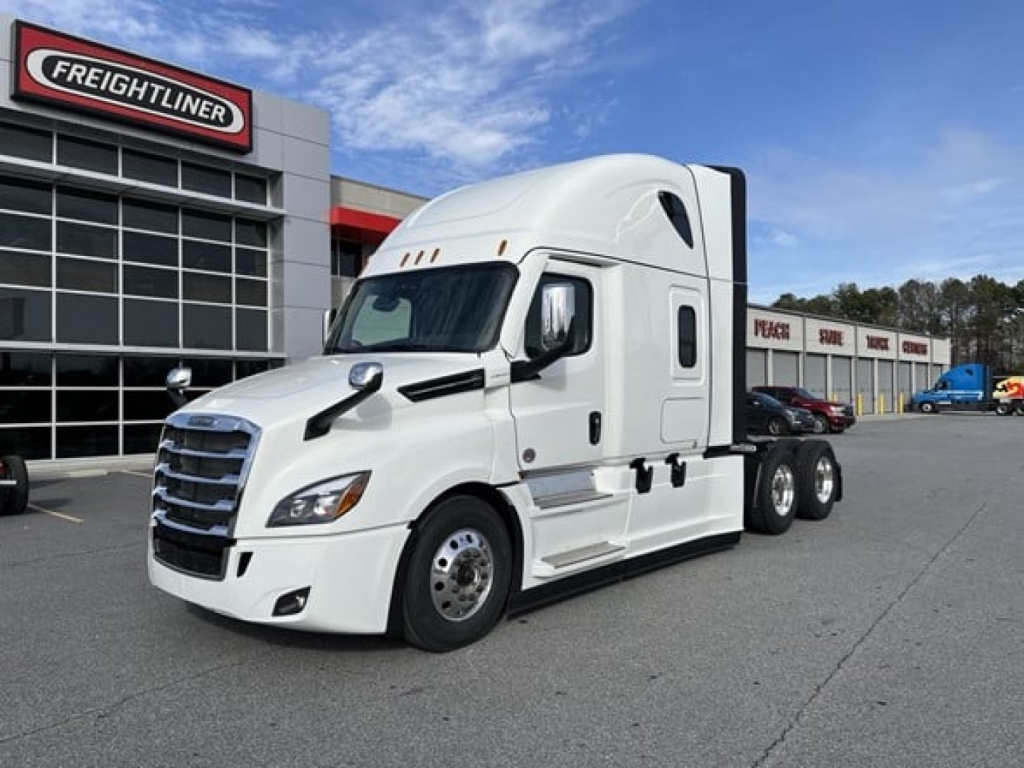
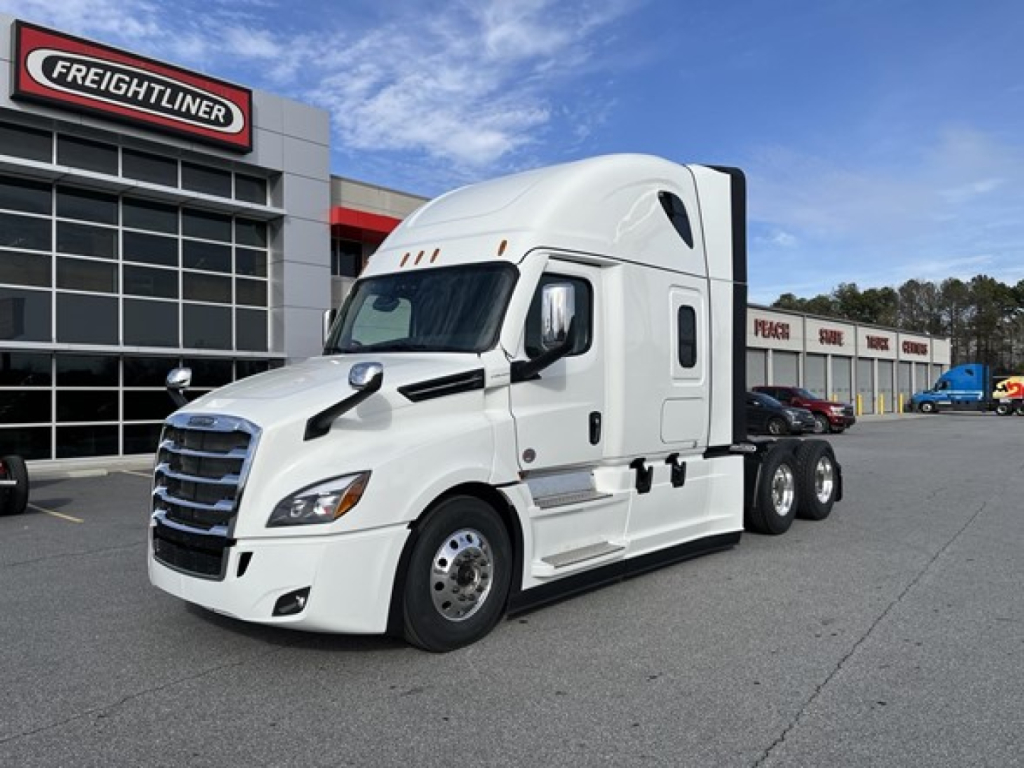
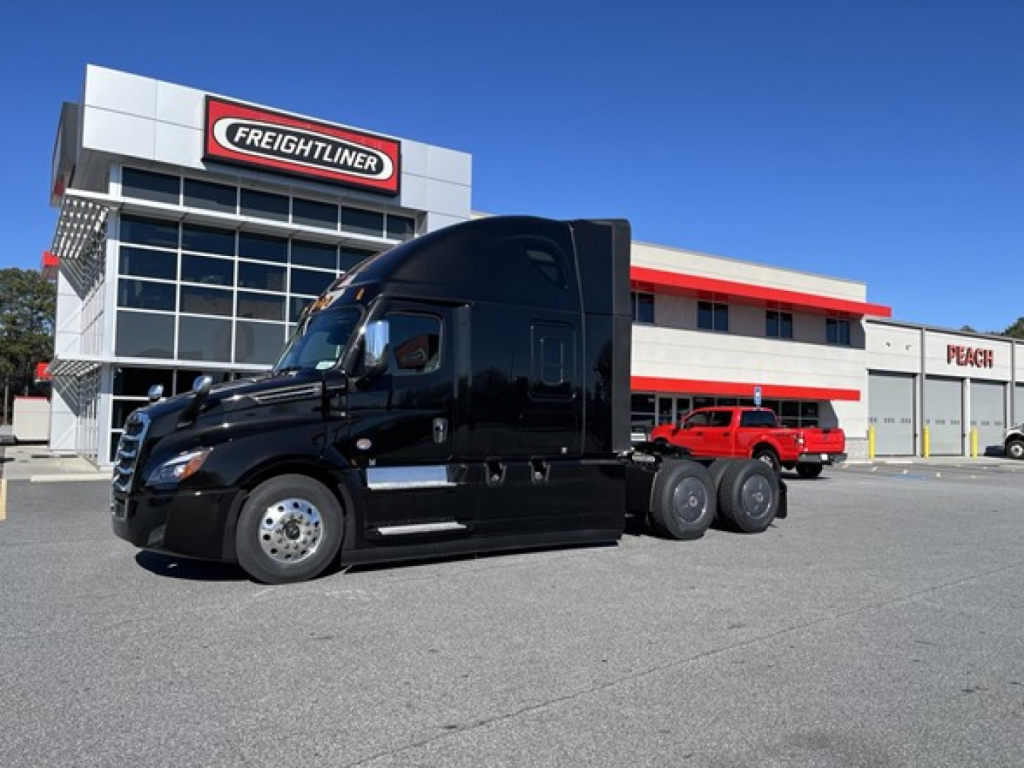
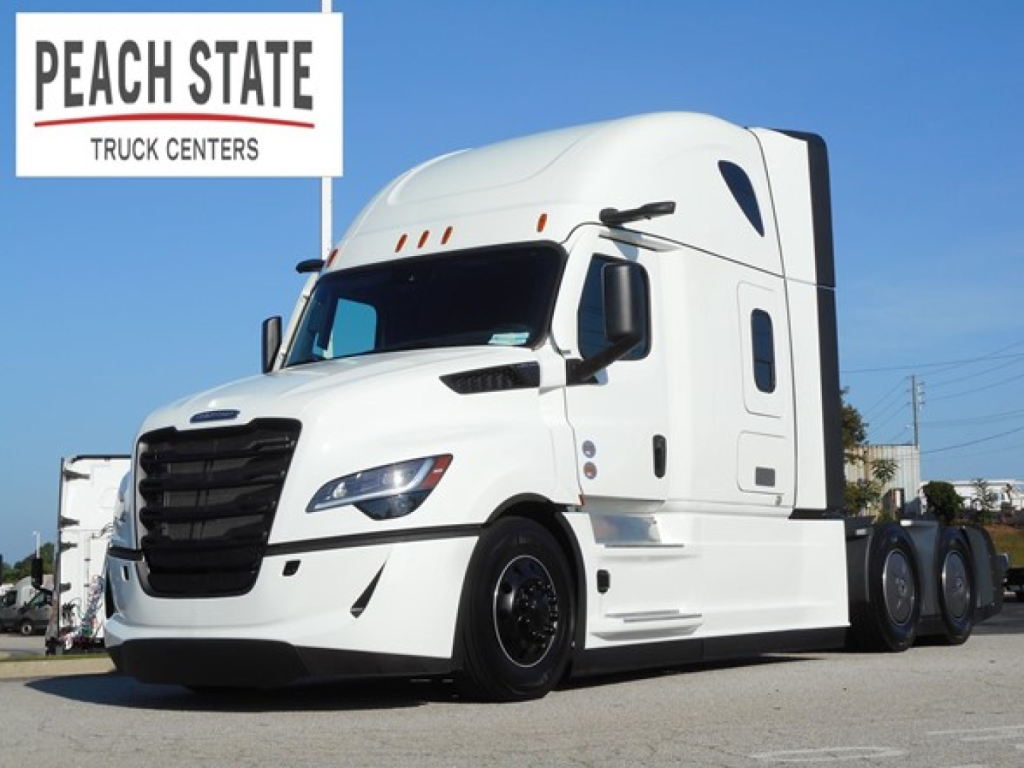
Showing 25 to 34 of 34 results
Have new freightliner conventional sleeper truck to sell? List it here to reach thousands of buyers.
New Freightliner Conventional Sleeper Trucks
A common setup in new Freightliner sleeper trucks is the Detroit DD15 paired with the Detroit DT12 automated manual transmission. That combination is widely used because it delivers strong linehaul performance, integrated powertrain controls, and familiar service support across major markets. Horsepower ratings in this class often land in the mid-400 to 500 HP range, with 12-speed AMT transmissions, air ride suspension, and rear axle ratings around 40,000 pounds. Wheelbases in the upper-220 to mid-230 inch range are common on raised-roof sleeper specs because they balance ride quality, trailer swing clearance, and room for larger fuel capacity. Many buyers also watch rear axle ratio closely, since that spec directly affects cruise RPM, gradeability, and overall operating cost.
Sleeper configuration is a major buying point on a conventional sleeper truck, also known as a sleeper tractor or highway tractor. Raised-roof sleepers, including 72-inch double bunk layouts, are common for teams, extended dispatch cycles, and carriers trying to improve driver retention. Interior upgrades on newer Freightliner models can include digital driver displays, camera-based visibility systems, improved storage, and a more refined cab environment for drivers spending multiple nights on the road. If the truck will stay in irregular-route over-the-road service, practical details like bunk count, cabinet space, HVAC performance, and dash layout matter just as much as the engine badge.
New Freightliner conventional sleepers are also strong candidates for buyers prioritizing active safety systems and fleet consistency. Collision mitigation, engine brakes, sliding fifth wheels, aluminum wheels, and integrated electronic controls are common features in this class. For buyers running van, reefer, or general freight, a Cascadia sleeper spec with a DD15, DT12, air suspension, and aerodynamic raised-roof cab is a proven starting point. The right truck comes down to matching the sleeper size, axle package, wheelbase, and drivetrain ratio to the lanes you run, the trailer lengths you pull, and the maintenance strategy you plan to support.
Frequently Asked Questions about New Freightliner Conventional Sleeper Trucks
What is the most common engine and transmission setup in a new Freightliner conventional sleeper truck?
One of the most common setups is a Detroit DD15 diesel engine paired with a Detroit DT12 automated manual transmission. This combination is popular in Freightliner Cascadia sleeper tractors because it offers strong fuel economy, integrated shift logic, broad dealer support, and performance that fits both regional and long-haul applications. Buyers often choose it for fleet standardization and easier driver onboarding compared with a manual transmission spec.
What sleeper size is typical on a new Freightliner Cascadia conventional sleeper?
A raised-roof sleeper is the most common configuration, and 72-inch sleepers with double bunk layouts are widely used in over-the-road service. That size gives drivers more living space, better storage, and room for team operations or extended trips. The best sleeper size depends on route length, solo versus team operation, and how much emphasis a carrier places on driver comfort and retention.
Why does wheelbase matter on a conventional sleeper truck?
Wheelbase affects ride quality, trailer clearance, weight distribution, turning radius, and how the truck can be spec'd for fuel capacity and sleeper size. In new Freightliner sleeper tractors, wheelbases around the high-220 to mid-230 inch range are common because they support raised-roof sleeper layouts without giving up too much maneuverability. Buyers should match wheelbase to trailer type, lane conditions, and axle placement requirements.
Are new Freightliner conventional sleeper trucks good for long-haul freight?
Yes. This category is built primarily for over-the-road and regional linehaul work, especially with dry van, refrigerated, and general freight operations. A tandem-axle 6x4 Class 8 Freightliner sleeper with a DD15, air ride suspension, and AMT is a standard long-haul spec because it combines highway efficiency, driver comfort, and the durability needed for high annual miles.
What features should buyers compare first on a new Freightliner sleeper tractor?
The most important items to compare are engine rating, transmission type, rear axle ratio, sleeper size, wheelbase, suspension, safety systems, and fifth wheel setup. Those specs determine how the truck performs on grades, what RPM it turns at cruise speed, how comfortable it is for overnight use, and how well it fits a specific trailer and lane profile. Buyers should also consider service network access and how closely the spec matches the rest of their fleet.