
New Freightliner Conventional Sleeper Trucks For Sale in Georgia
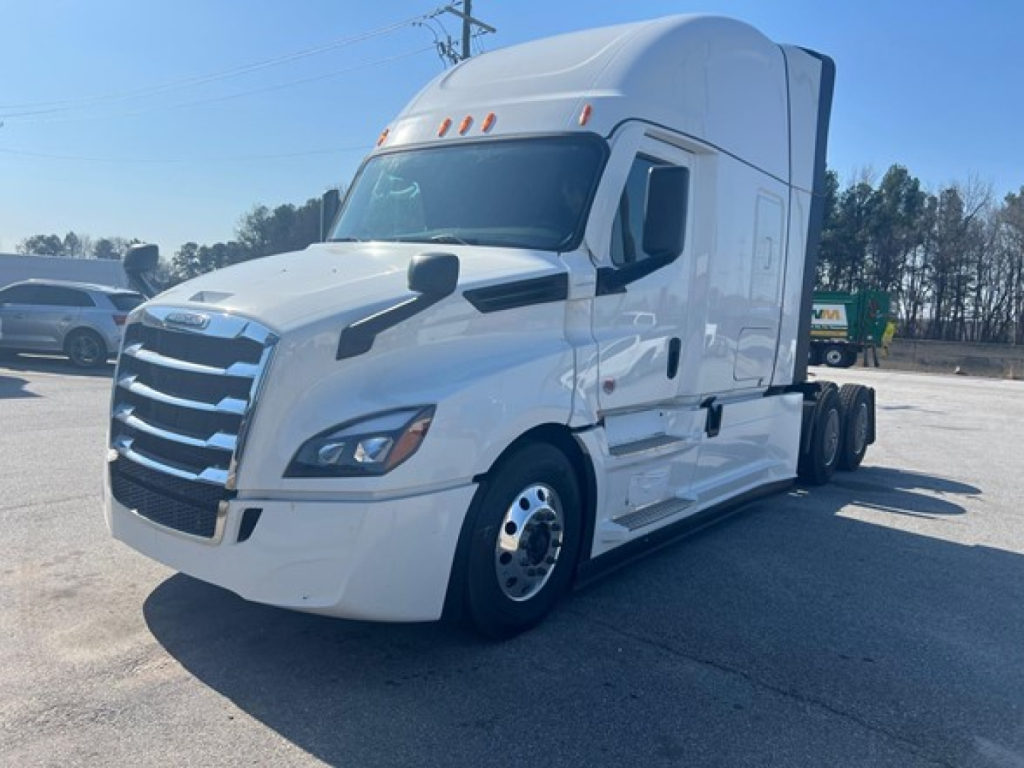
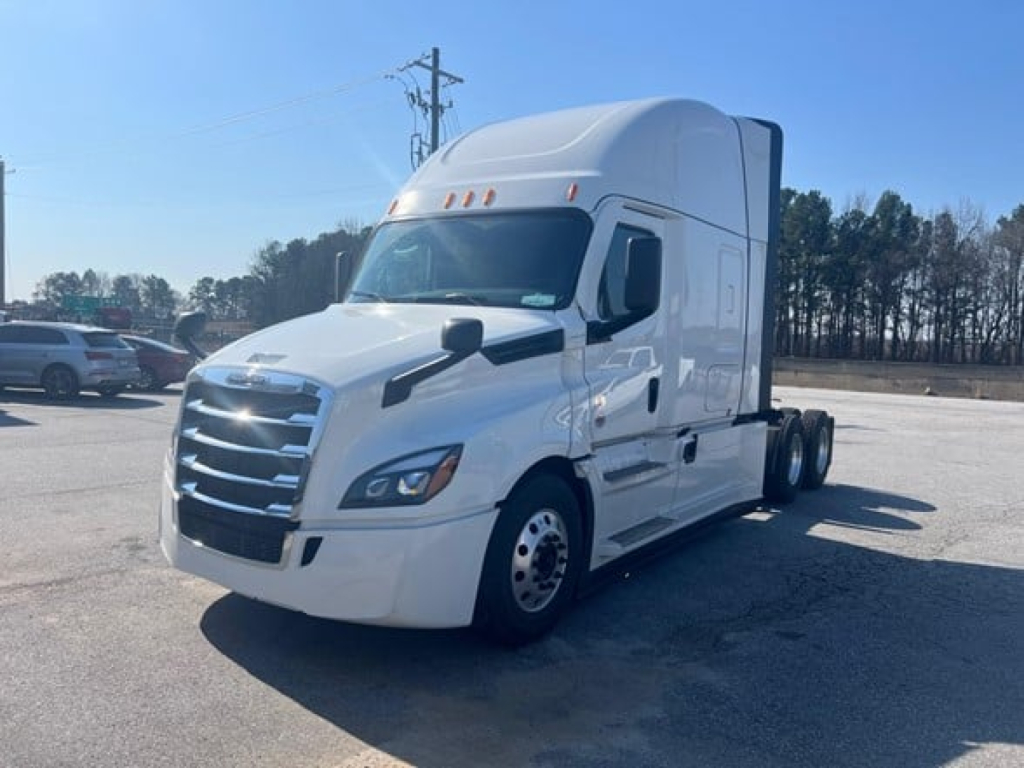
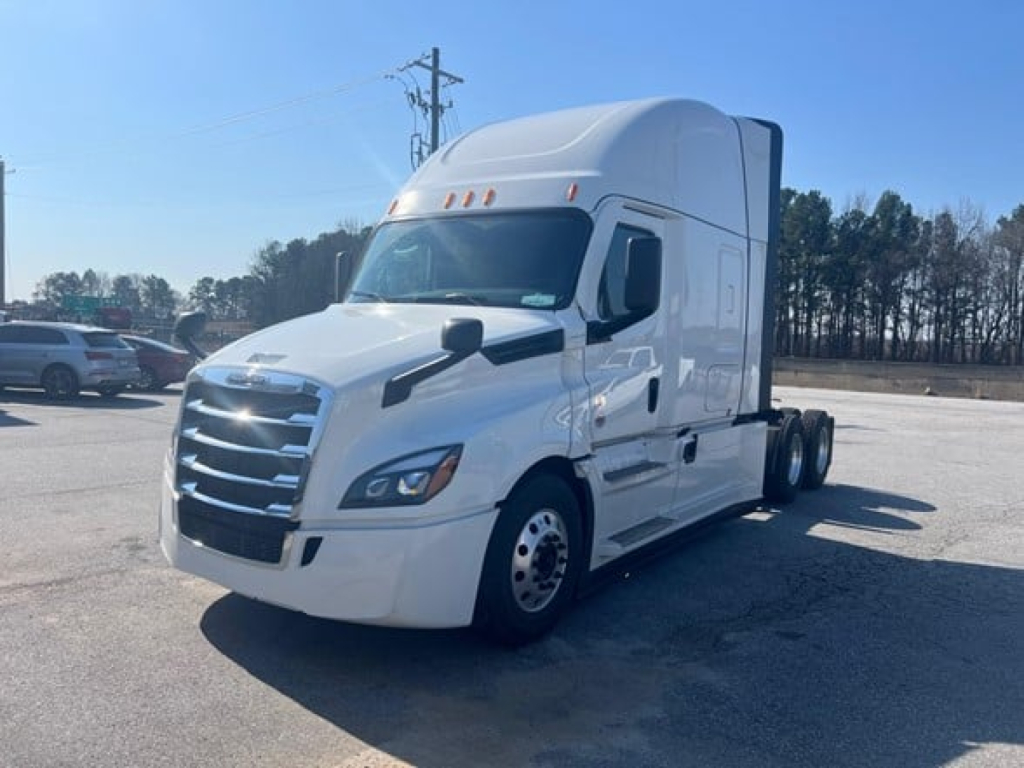
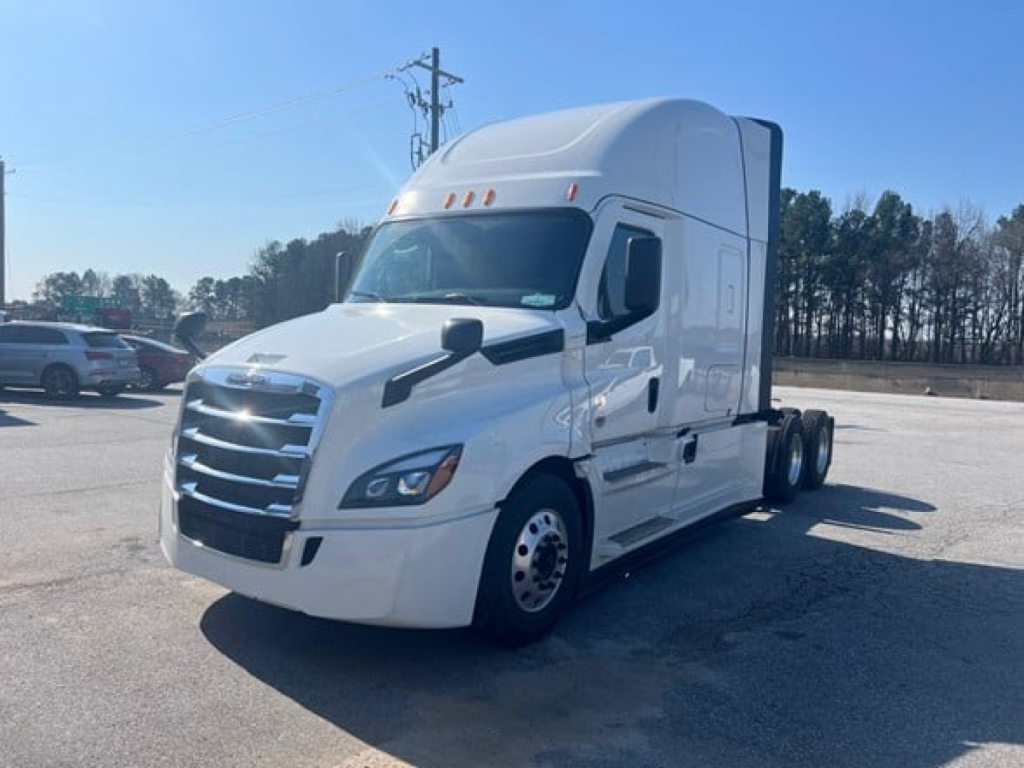
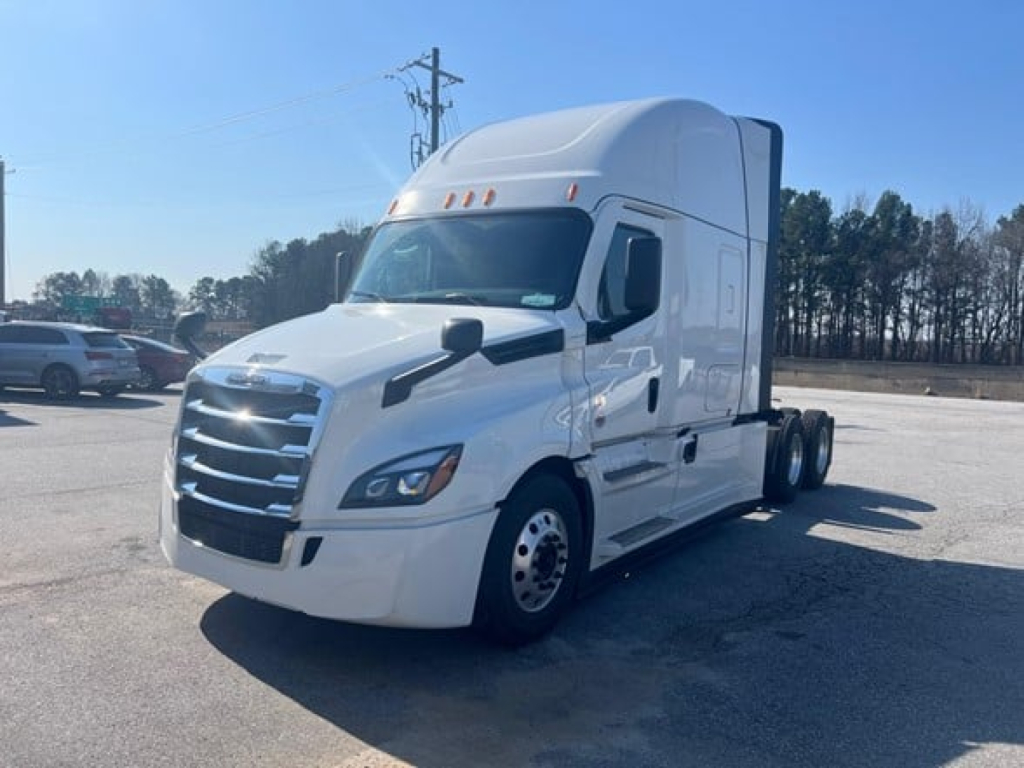
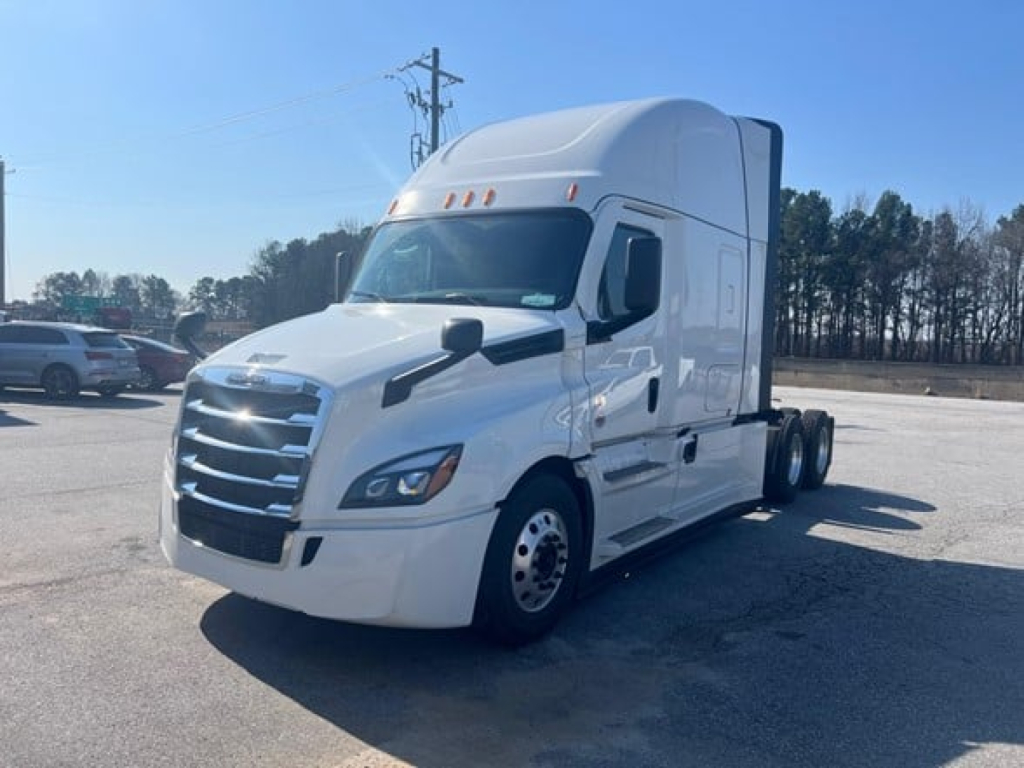
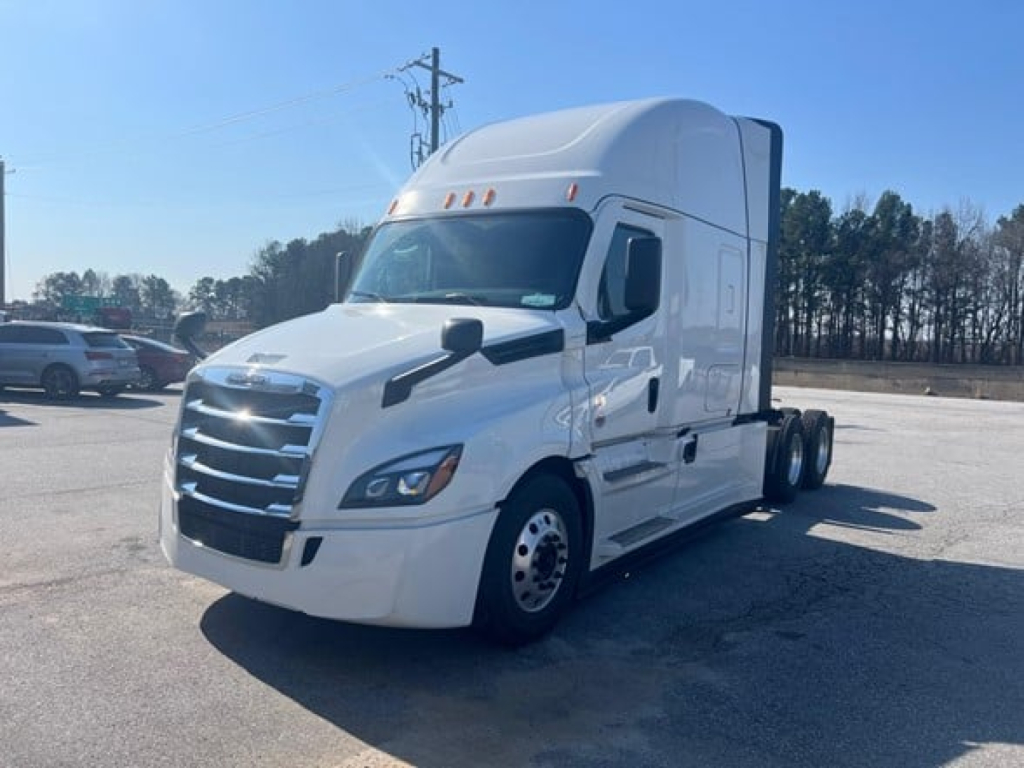
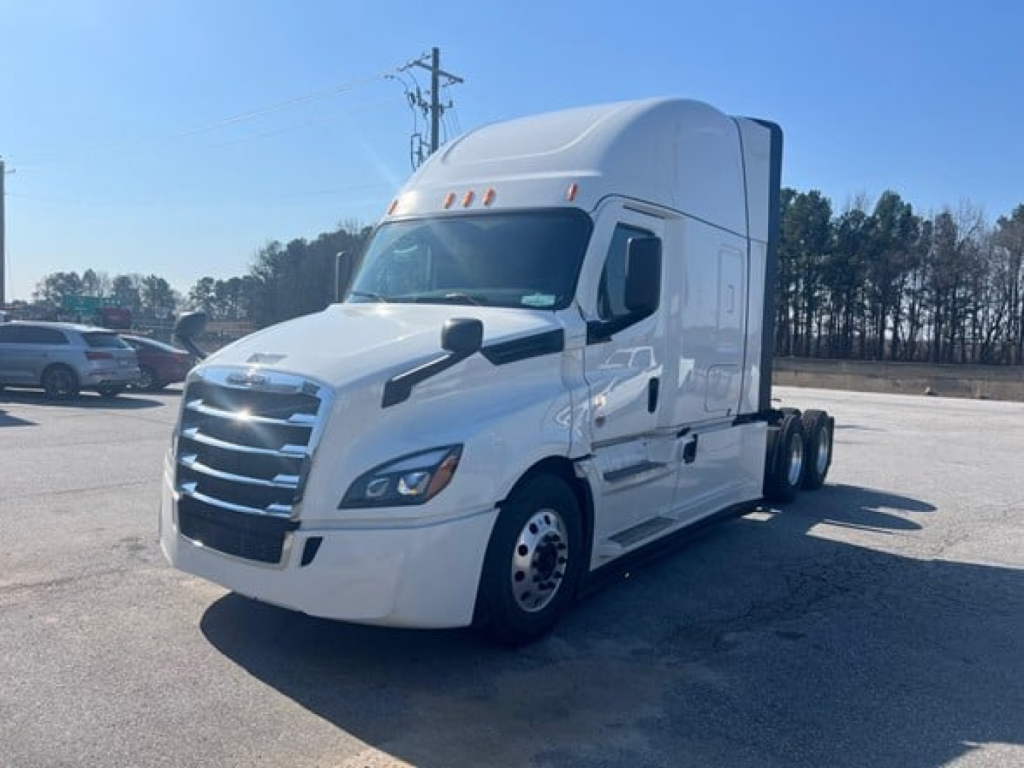
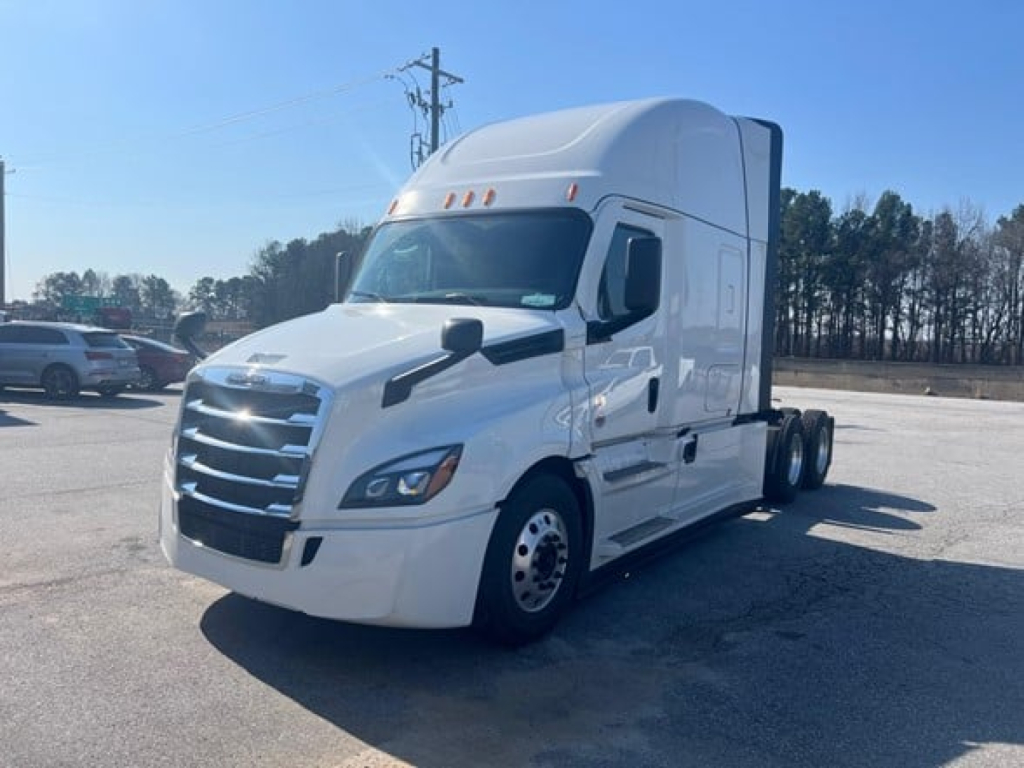
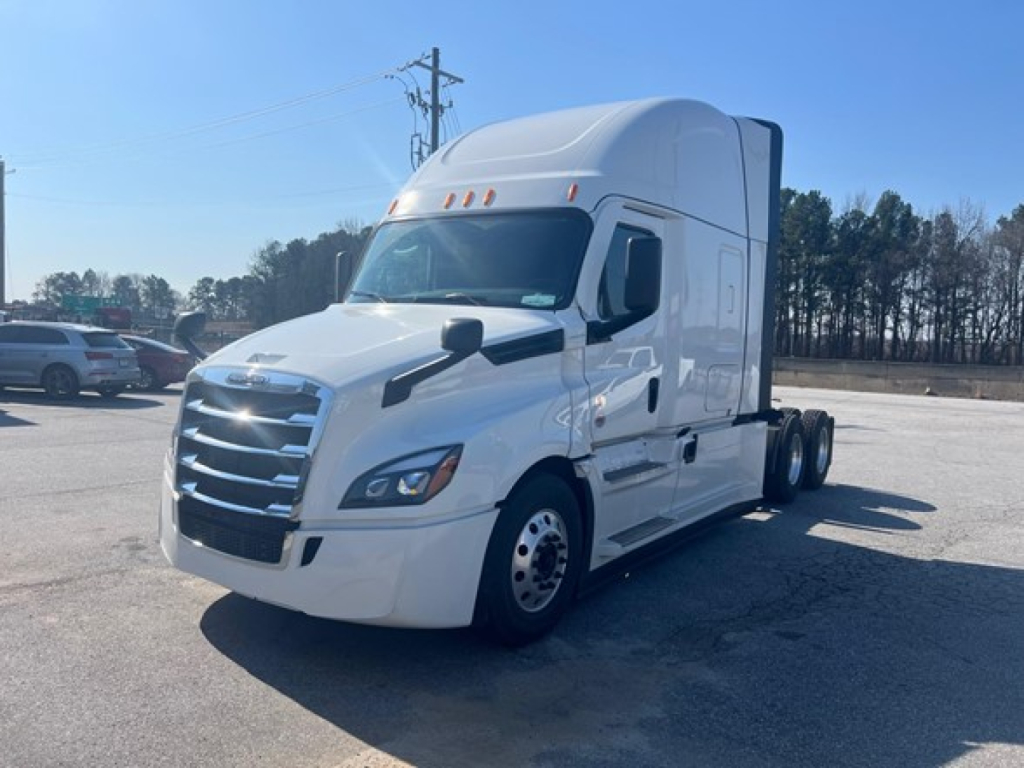
Showing 25 to 34 of 34 results
Have new freightliner conventional sleeper truck to sell? List it here to reach thousands of buyers.
New Freightliner Conventional Sleeper Trucks in Georgia
One of the biggest buying decisions in this category is the sleeper and powertrain combination. Many new Freightliner conventional sleepers are spec'd with raised-roof sleepers around 72 inches, which gives a better balance of storage, stand-up room, and long-haul livability. Engine ratings commonly fall in the 400 to 505 horsepower range, with torque outputs that support heavy van, reefer, and general freight applications. Automated manual transmissions such as the DT12 are common because they help standardize driver performance, reduce shift-related wear, and improve fuel efficiency across mixed fleets. Buyers should also pay close attention to rear axle ratio, wheelbase, fuel tank capacity, and fifth wheel position, since those specs affect payload distribution, turning radius, and lane-specific performance.
Freightliner conventional sleeper trucks also stand out for driver-assistance and telematics integration. Newer Cascadia models often include collision mitigation, adaptive cruise features, lane support technology, and improved dash layouts that reduce driver fatigue over long runs. Interior details matter more than many buyers expect. Bunk design, cabinet space, inverter prep, HVAC performance, and insulation all influence driver retention on teams and solo long-haul operations. On the maintenance side, buyers often compare warranty coverage, emissions system support, and access to service networks across Georgia and the Southeast, because downtime can erase the savings of a strong fuel economy spec.
For most buyers, the best Freightliner sleeper spec is not the highest horsepower truck. It is the one matched to freight, terrain, and operating radius. A truck running mostly dry van from Atlanta to the Midwest may favor an efficiency-focused spec with a downsped drivetrain, while a heavier application or more aggressive route profile may justify higher horsepower and torque. Looking at gross combination weight, trailer type, expected idle time, and driver assignment will usually narrow the field quickly. A well-spec'd new Freightliner conventional sleeper can deliver strong resale value, broad parts support, and a configuration that works for both fleet standardization and owner-operator comfort.
Frequently Asked Questions about New Freightliner Conventional Sleeper Trucks in Georgia
What is a Freightliner conventional sleeper truck used for?
A Freightliner conventional sleeper truck is primarily used for over-the-road and regional hauling where the driver needs onboard living space for overnight or multi-day trips. Common applications include dry van, reefer, dedicated contract freight, and general truckload operations. The conventional cab layout, with the engine mounted ahead of the cab, provides a familiar service-friendly platform and supports a wide range of sleeper sizes and axle configurations.
What engine and transmission specs are common in new Freightliner sleeper trucks?
New Freightliner conventional sleeper trucks are commonly spec'd in the 400 to 505 horsepower range, often paired with torque ratings suited to highway freight and moderate to heavy gross combination weights. Automated manual transmissions such as the DT12 are widely used because they improve fuel efficiency, simplify training, and help reduce driveline abuse. Final spec choices should match trailer type, lane speed, terrain, and expected payload rather than focusing on horsepower alone.
Is the Freightliner Cascadia a good choice for fuel economy?
The Freightliner Cascadia is widely regarded as a strong fuel economy platform because it combines aerodynamic body design, integrated powertrain controls, and efficiency-focused drivetrain options. Fuel savings depend heavily on the exact spec, including axle ratio, tire setup, idle strategy, and cruise speed, but the platform is commonly selected by fleets that prioritize cost per mile. An efficiency spec is usually most effective on consistent highway routes with controlled operating speeds.
What sleeper size should a buyer choose on a new conventional sleeper truck?
The right sleeper size depends on trip length, driver preference, and how much onboard storage is needed. A 72-inch raised-roof sleeper is a common choice because it offers a practical mix of stand-up room, bunk comfort, and cabinet space without pushing the truck into a more specialized configuration. Shorter sleepers may work for regional operations, while larger living space becomes more important for long-haul or team applications.
What should buyers in Georgia look for when shopping for a new Freightliner sleeper?
Buyers in Georgia should focus on route profile, freight type, and support infrastructure across the Southeast. Port freight, Atlanta traffic, summer heat, and long interstate runs all affect the best spec choice. Cooling performance, idle management, fuel capacity, and service access can matter just as much as horsepower. A truck that is properly matched to Southern operating conditions will usually perform better and cost less to run over time.