
2024 Conventional Sleeper Trucks For Sale in Iowa
Shop 2024 conventional sleeper trucks in Iowa. Compare cab specs, sleeper sizes, powertrains, axle ratios, fuel economy, and warranty coverage.
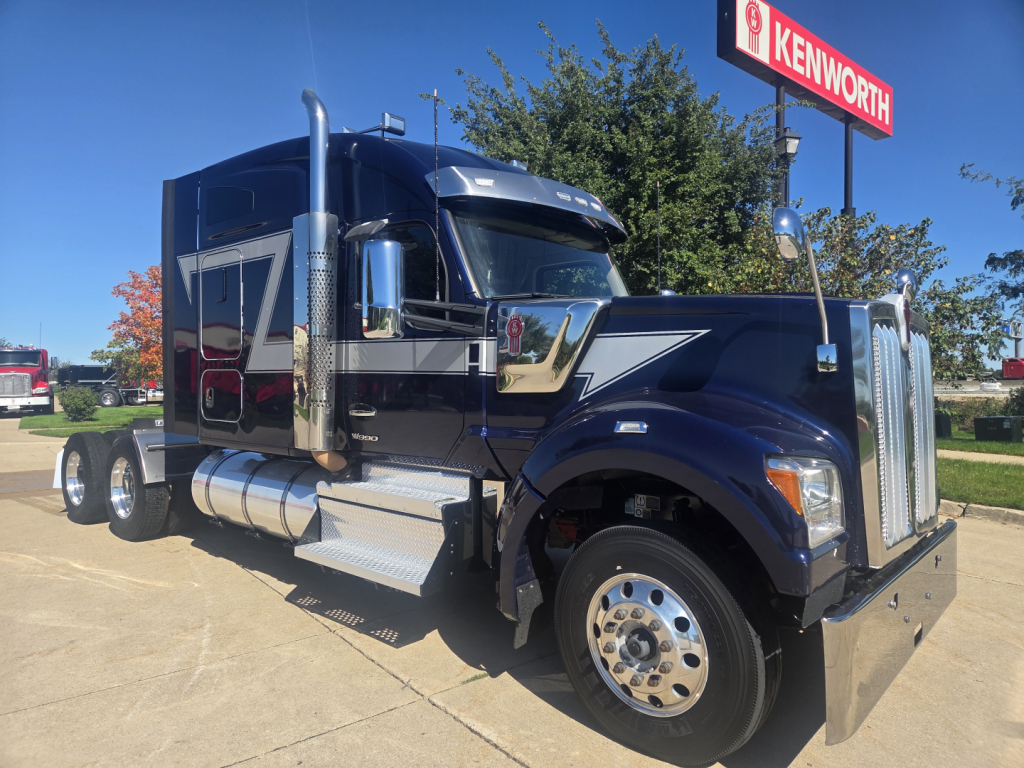
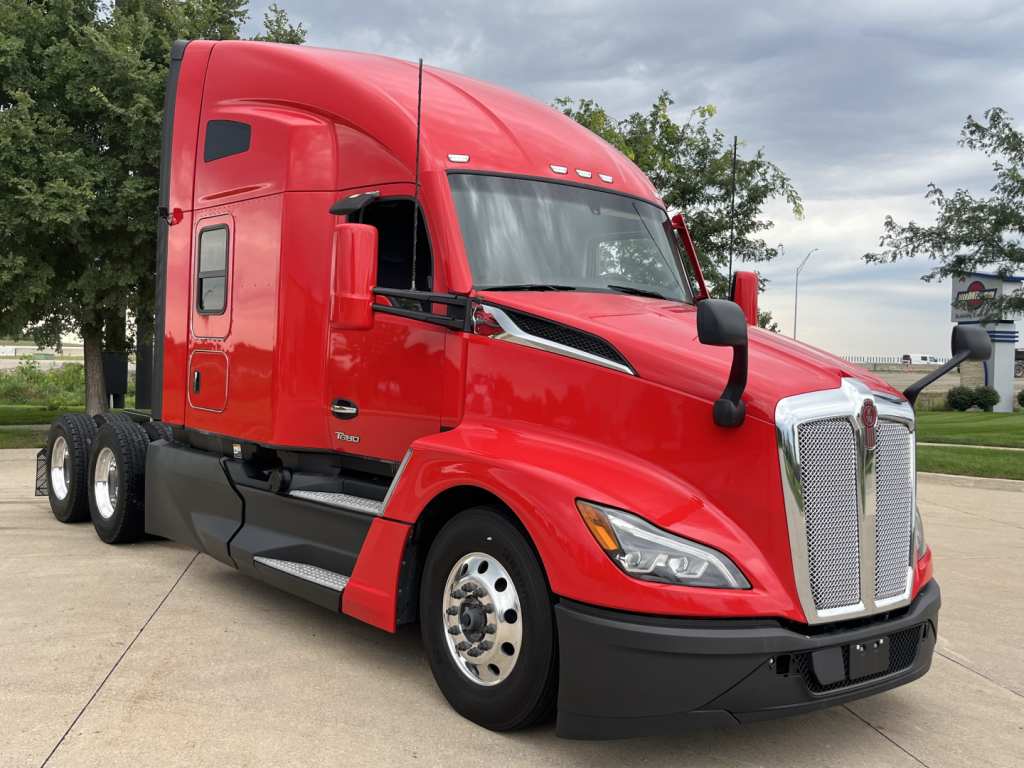
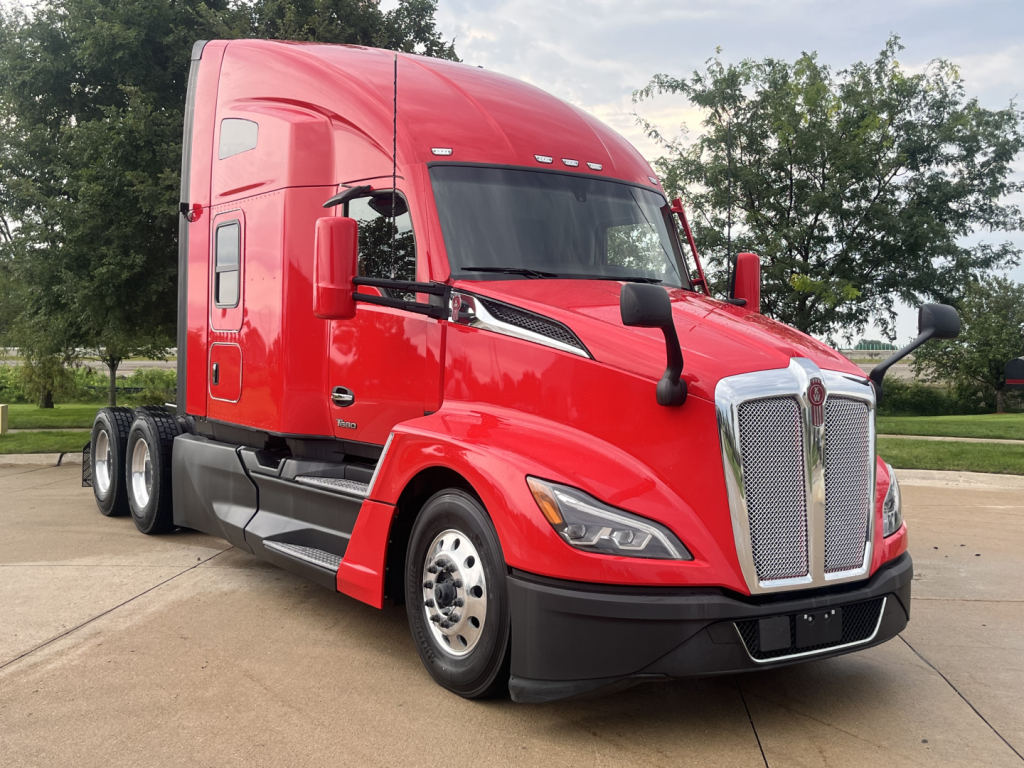
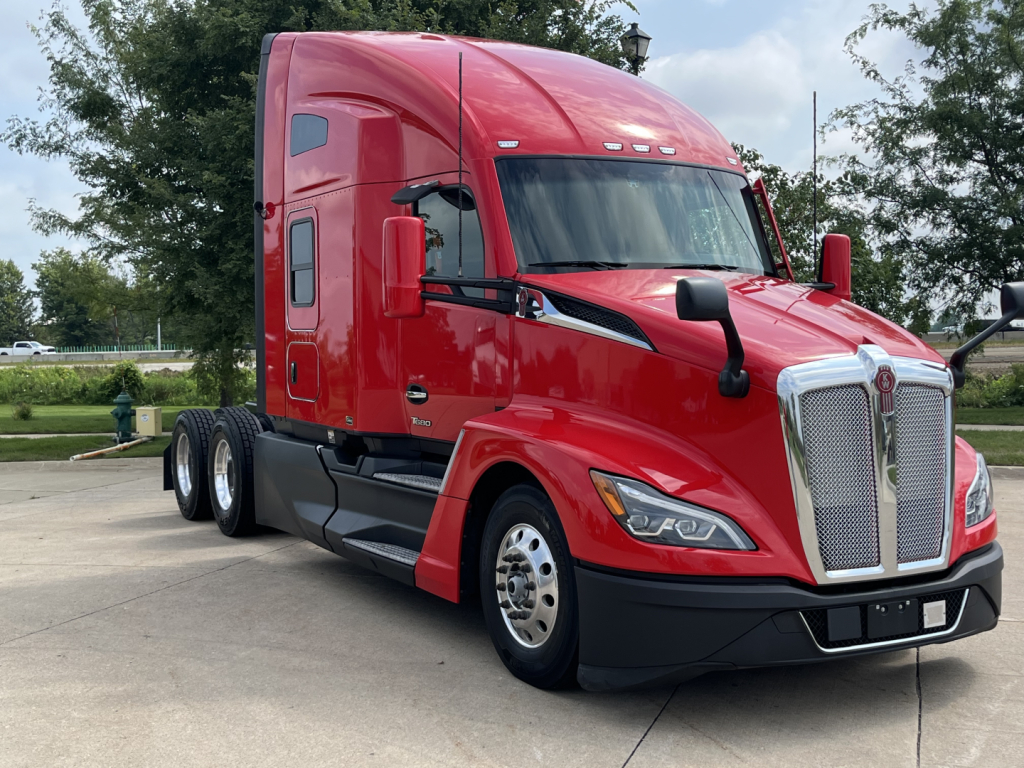
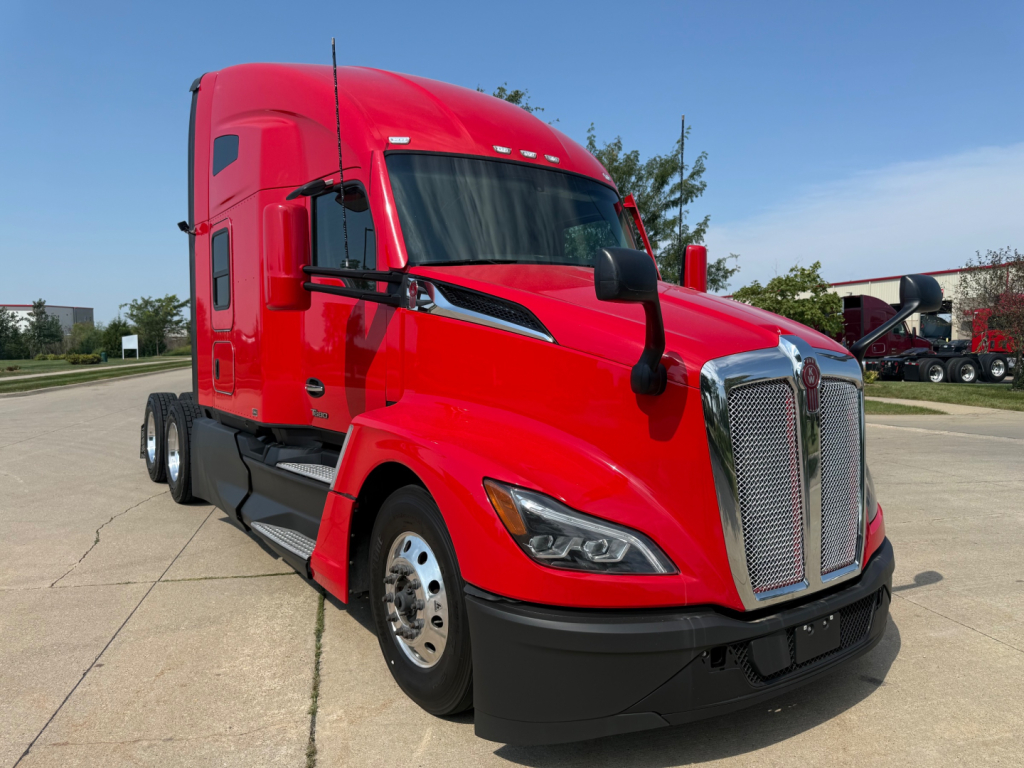
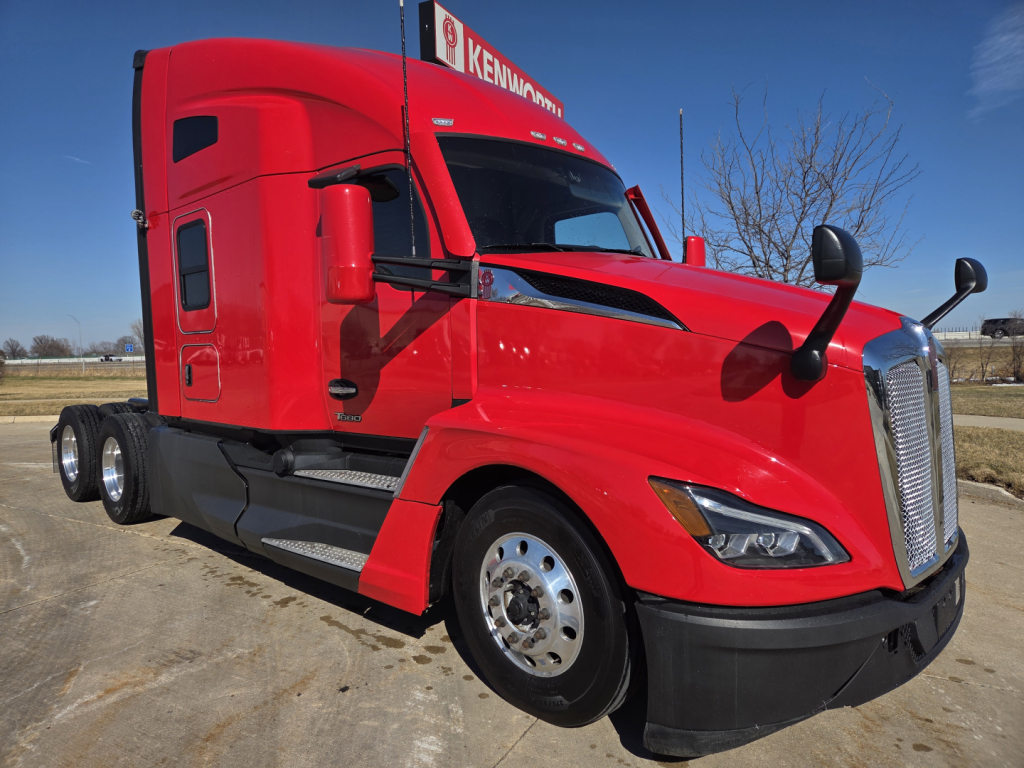
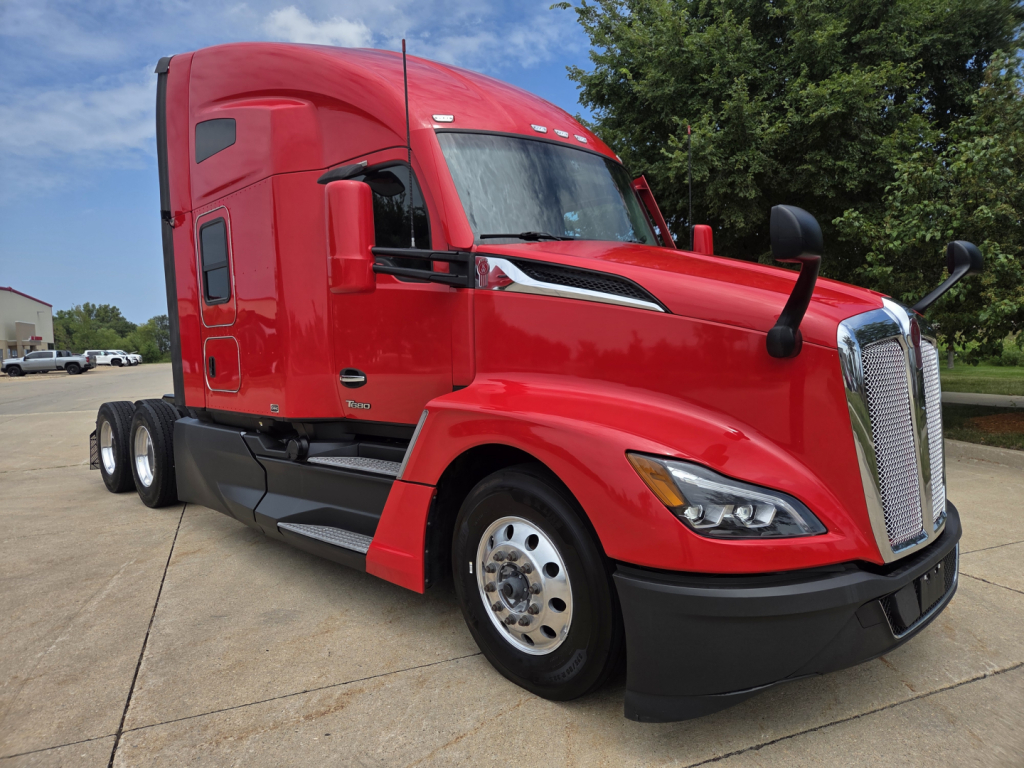


Selling a 2024 conventional sleeper truck? List your 2024 conventional sleeper truck for sale and reach thousands of commercial buyers.
2024 Conventional Sleeper Trucks in Iowa
Powertrain selection matters more than the badge on the hood. Common 2024 specifications in this class include 12-speed automated manual transmissions, 400 to 455 horsepower ratings, and efficient rear axle ratios such as 2.16 or 2.64 depending on duty cycle. Engines in this segment are typically spec'd for highway efficiency and lower cruise RPM, which helps on longer interstate runs but should still be matched to gross weight, terrain, and average speed. A truck pulling reefer or heavier contracted freight may benefit from a different ratio than one assigned to dry van lanes with lighter cubes. Buyers should also compare fuel capacity, disc versus drum brakes, wheelbase, and the balance between downsped driveline efficiency and real-world startability.
Sleeper configuration is another key buying point. Many 2024 conventional sleepers are equipped with mid-roof or high-roof sleepers in 72-inch to 80-inch layouts, with double bunk arrangements common for team operations or extra storage. Features like bunk heaters, optimized idle systems, inverters, refrigerators, TV mounts, and engine block heaters can make a major difference in driver retention and hotel costs. In colder states like Iowa, cold-weather specs deserve extra attention, especially battery capacity, fuel-fired heaters, and insulation performance during winter idle restrictions or overnight stops. Interior usability matters because a truck that supports legal rest and daily comfort tends to stay productive longer.
Safety and serviceability are just as important as sleeper size. Many late-model conventional sleeper trucks include collision mitigation, lane departure warning, steering wheel controls, and integrated telematics support. Buyers should review aftertreatment warranty status, engine and transmission coverage, and the service network behind the make and engine package. A good 2024 sleeper truck should be evaluated as a revenue tool, not just a cab and chassis. Look closely at maintenance history, software calibration status, brake and tire spec, and how the truck was originally ordered. The right spec can lower cost per mile, improve driver acceptance, and hold value better when it is time to rotate the unit out of the fleet.
Frequently Asked Questions about 2024 Conventional Sleeper Trucks in Iowa
What is a conventional sleeper truck?
A conventional sleeper truck is a highway tractor with a standard hood-forward design and an integrated sleeper compartment behind the cab. It is designed for long-haul and regional freight where the driver needs rest space, storage, and overnight accommodations. In the used and late-model market, this category usually includes aerodynamic Class 8 tractors used for van, reefer, and general freight operations.
What horsepower is common in a 2024 conventional sleeper truck?
Most 2024 conventional sleeper trucks are spec'd in the 400 to 455 horsepower range, often paired with automated manual transmissions and fuel-efficient axle ratios. That range works well for general over-the-road service, but the right rating depends on gross combination weight, terrain, and average trip length. Heavier freight, mountain routes, or high-idle applications may justify a different engine and driveline specification than a truck focused strictly on fuel economy.
What sleeper size should a buyer look for?
The best sleeper size depends on route structure and driver needs. A 72-inch or 80-inch sleeper is common in this category and gives enough room for storage, rest, and onboard amenities. Double bunk sleepers are useful for team operations and can also provide added storage flexibility for solo drivers. Buyers should compare roof height, cabinet layout, bunk access, and options like a refrigerator, inverter, and bunk heater because those details affect real day-to-day usability.
Are 2024 conventional sleeper trucks likely to have safety technology?
Yes. Many 2024 model year conventional sleepers include advanced driver assistance features such as collision mitigation, lane departure warning, and integrated dash controls. Some also include idle management systems, telematics capability, and newer braking packages. Buyers should confirm which systems are active, how they are calibrated, and whether any repairs or software updates are pending, because factory-equipped safety features only add value when they are fully functional.
Why does axle ratio matter on a sleeper tractor?
Axle ratio directly affects cruise RPM, startability, grade performance, and fuel economy. Lower numerical ratios such as 2.16 are often chosen for fuel-efficient highway operation, while ratios like 2.64 may offer a better balance for varied freight and stop-start conditions. The correct ratio depends on tire size, transmission gearing, engine torque curve, and the work the truck will actually do. A mismatch can hurt both performance and operating cost, even on a newer truck.