
2023 Conventional Sleeper Trucks For Sale in Nebraska
Shop 2023 conventional sleeper trucks in Nebraska. Compare raised-roof highway tractors by engine, sleeper size, axle ratio, wheelbase, and specs.
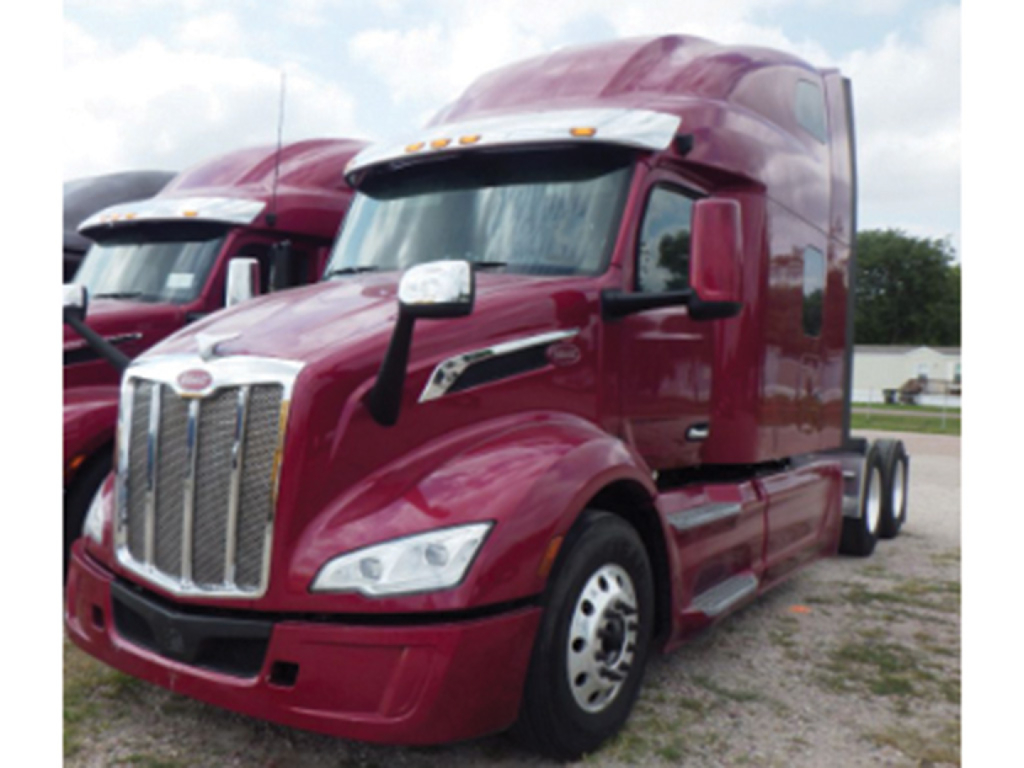
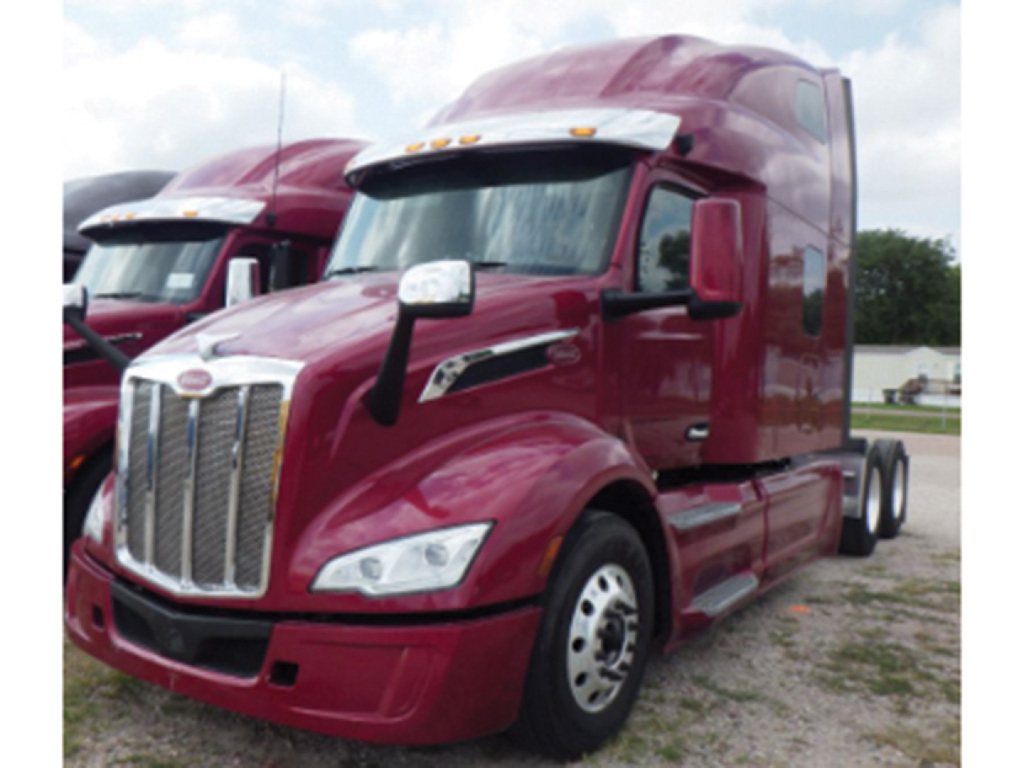
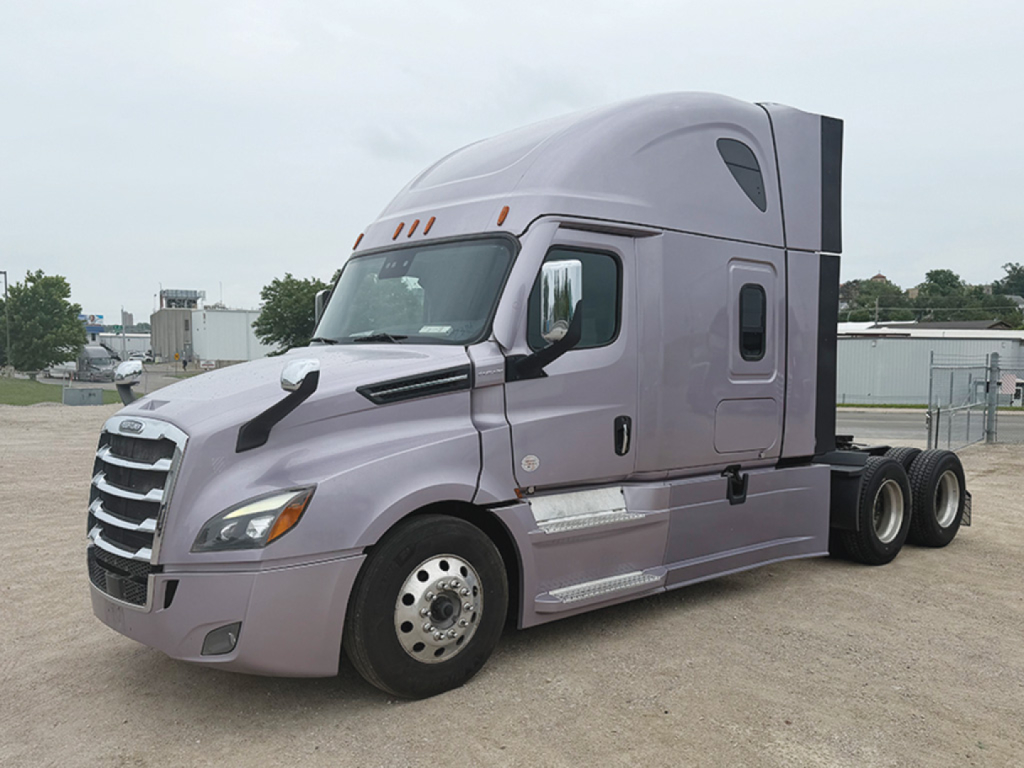
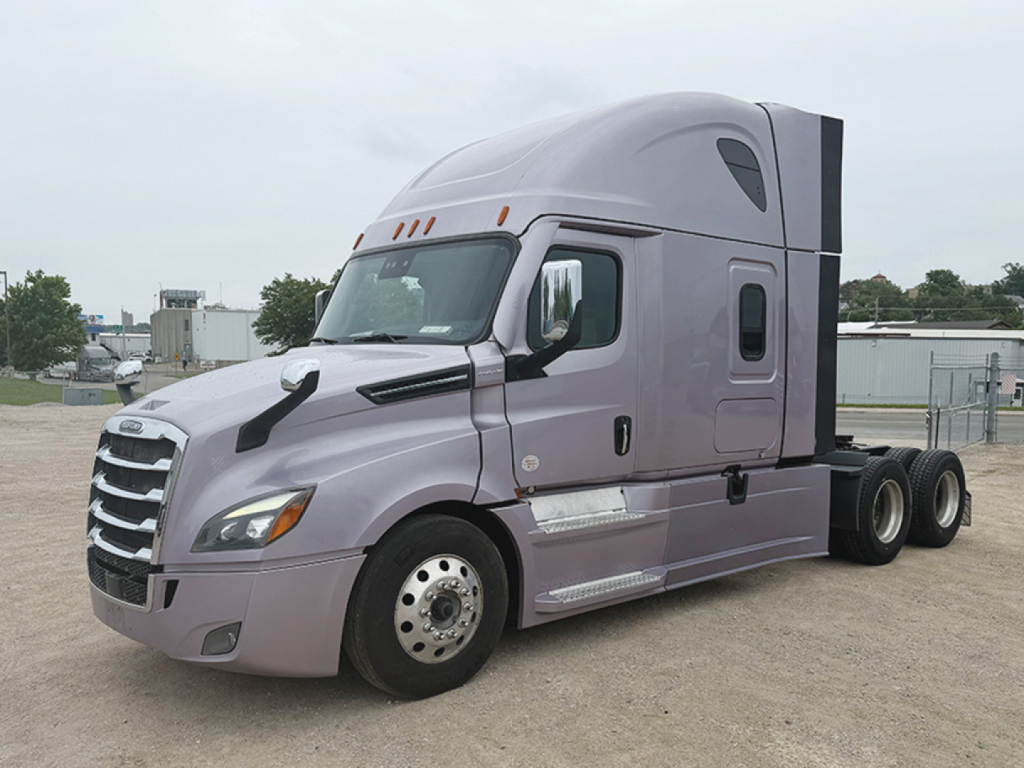
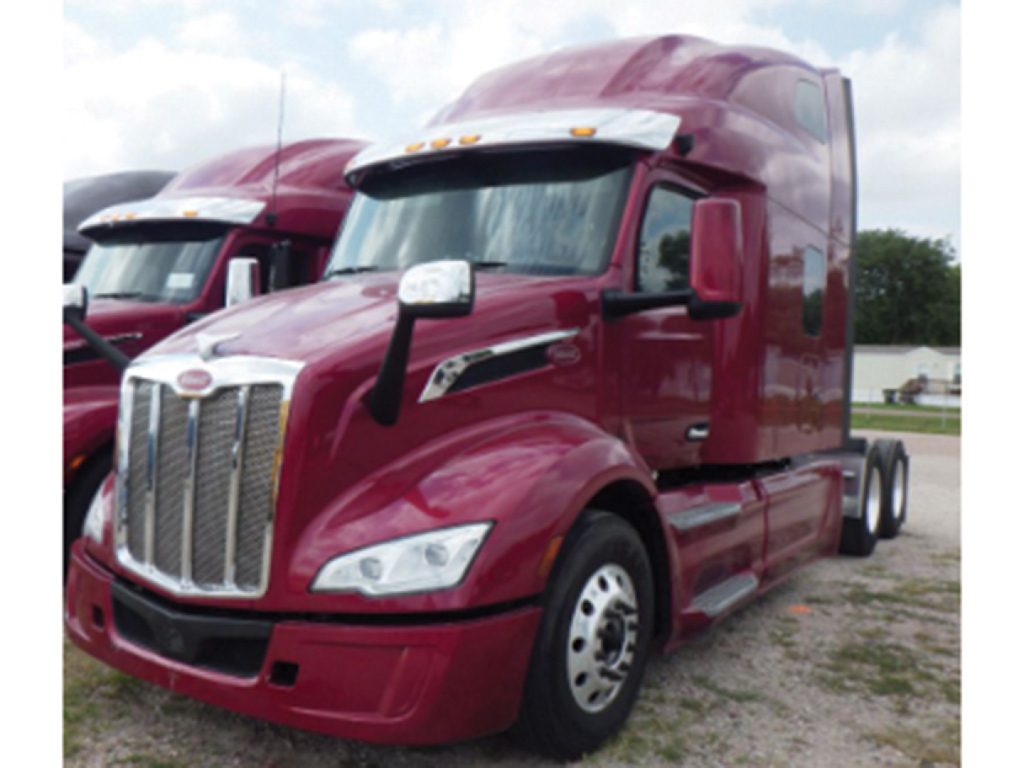
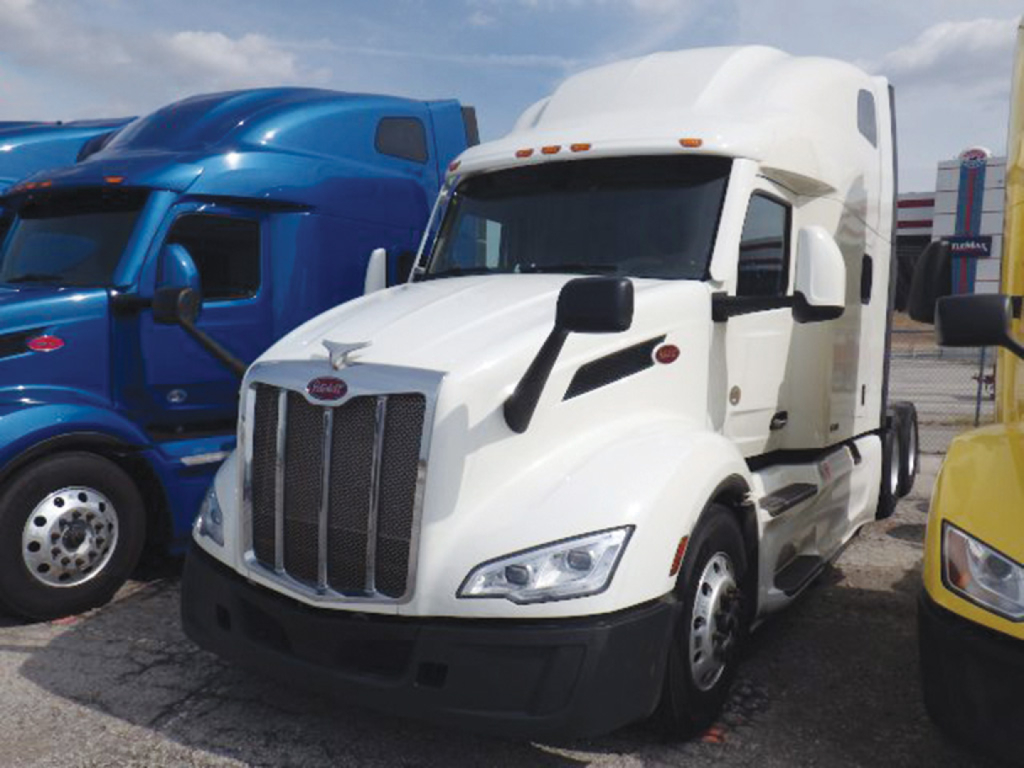
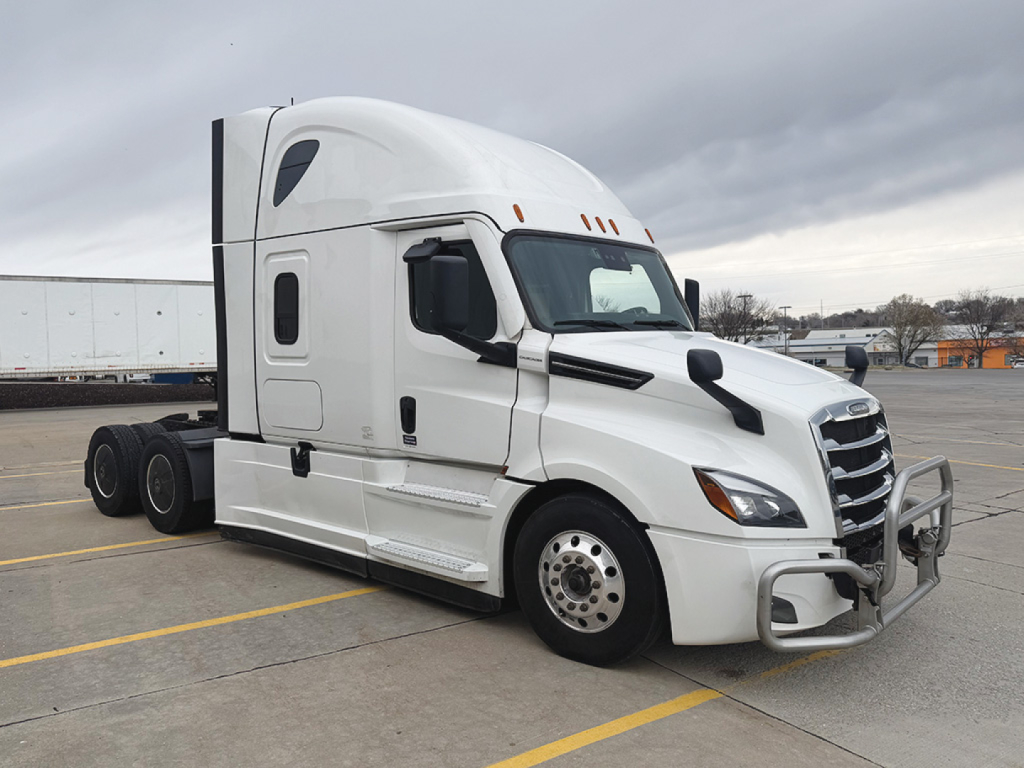
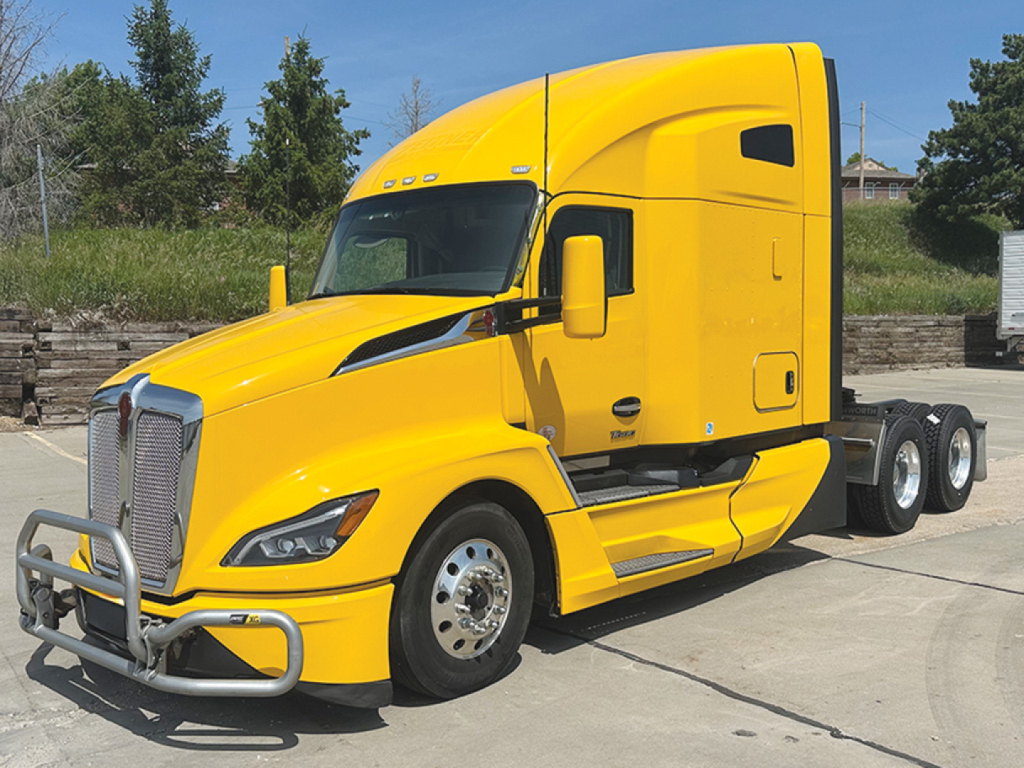
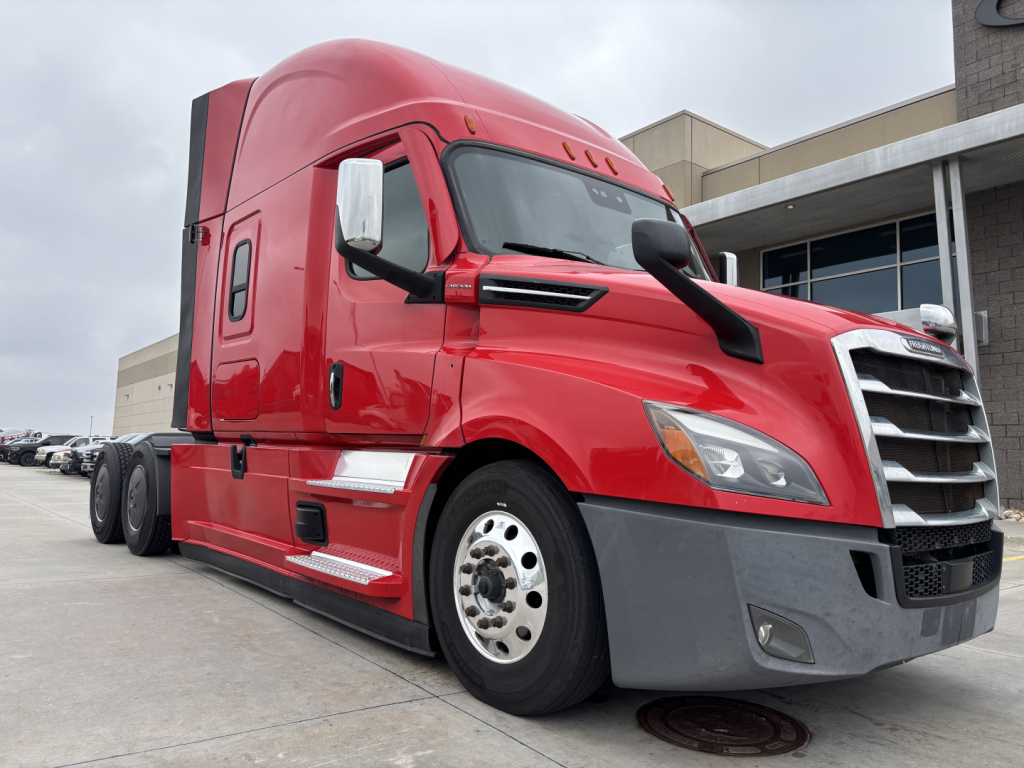
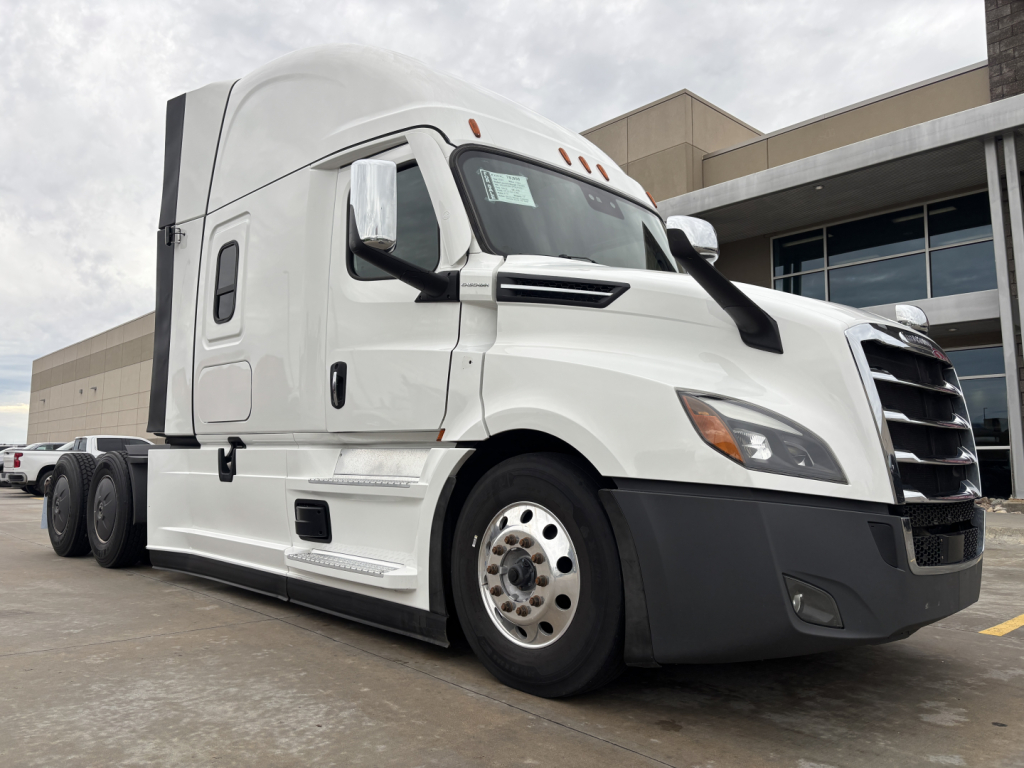
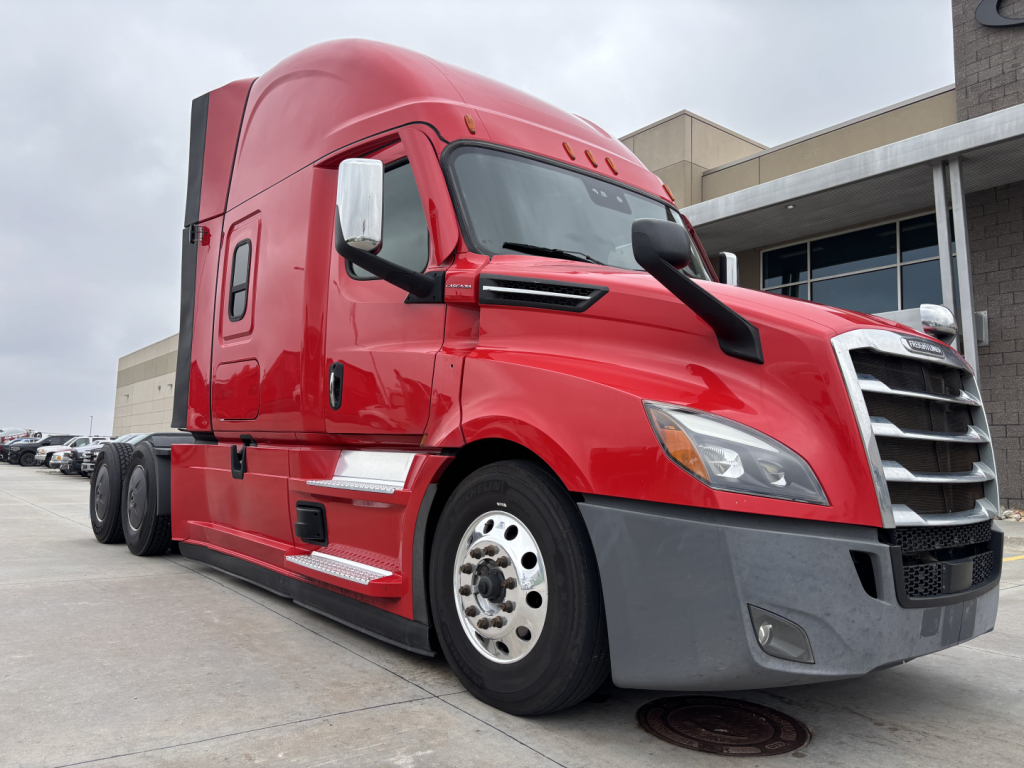
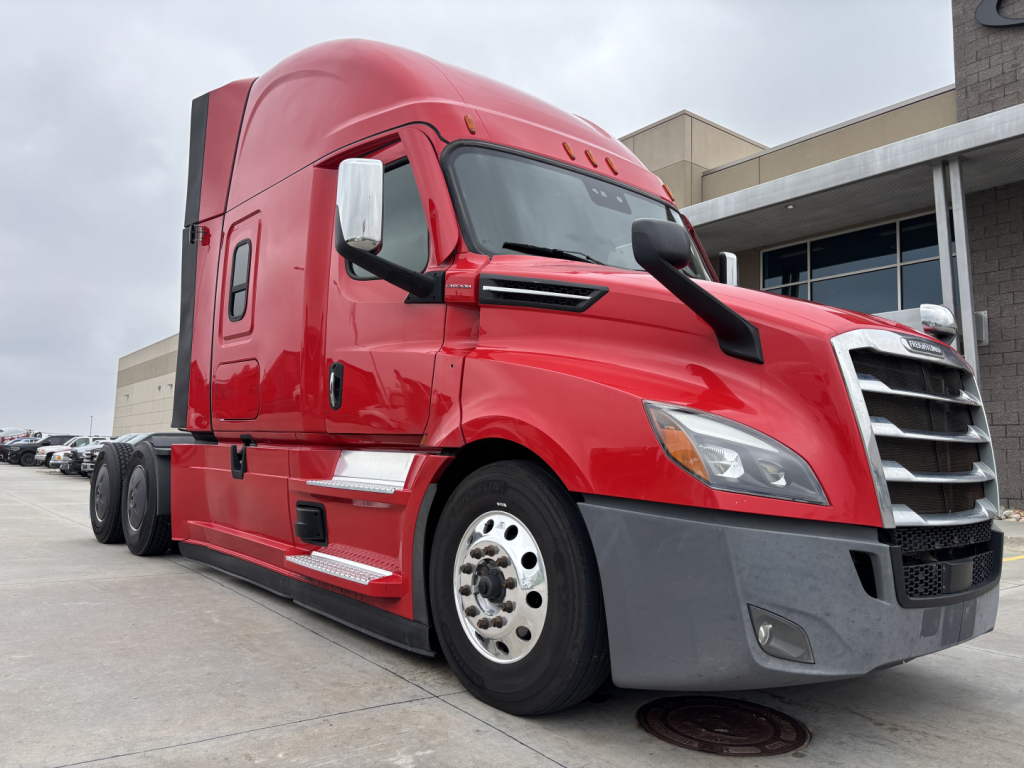
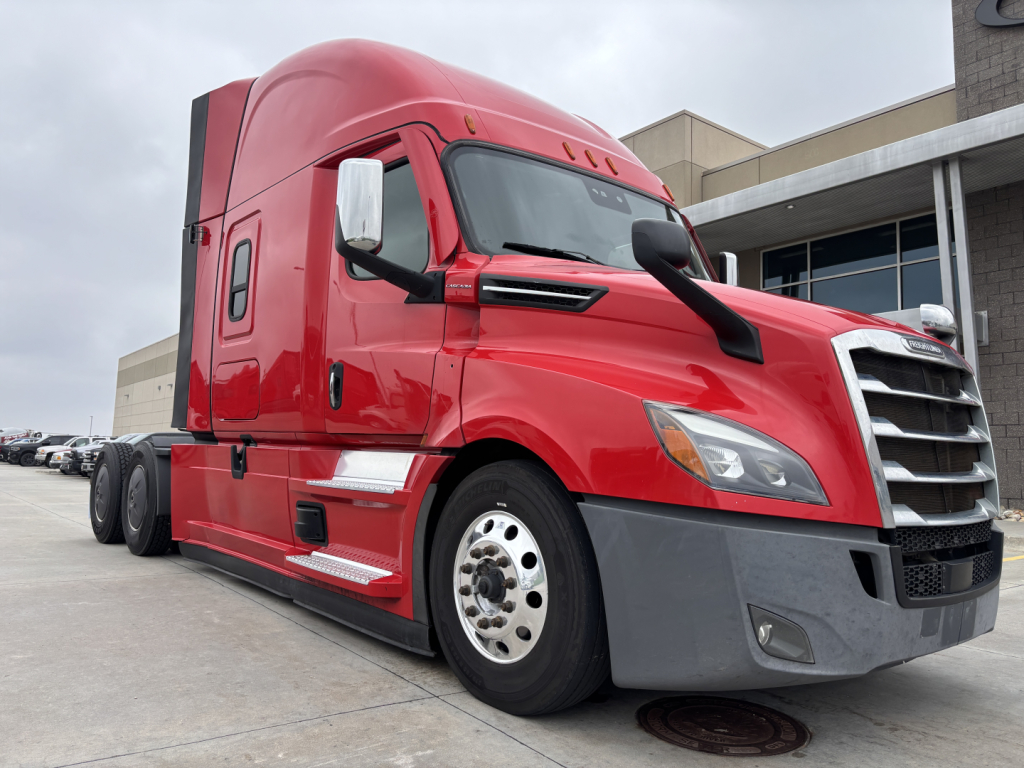
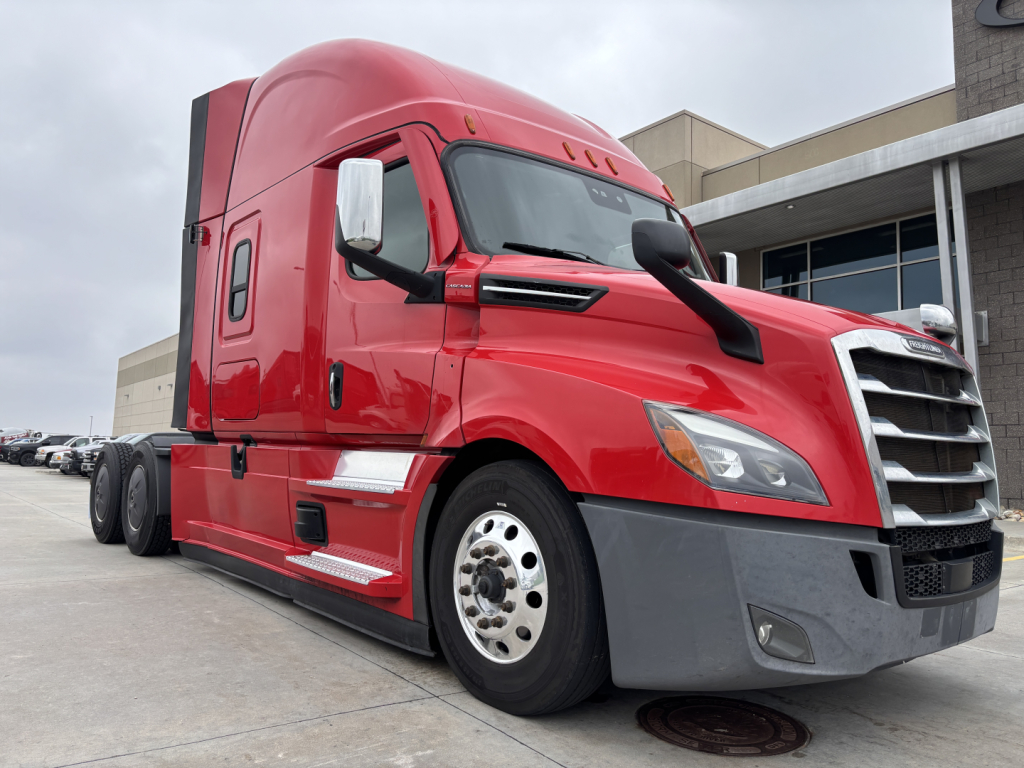
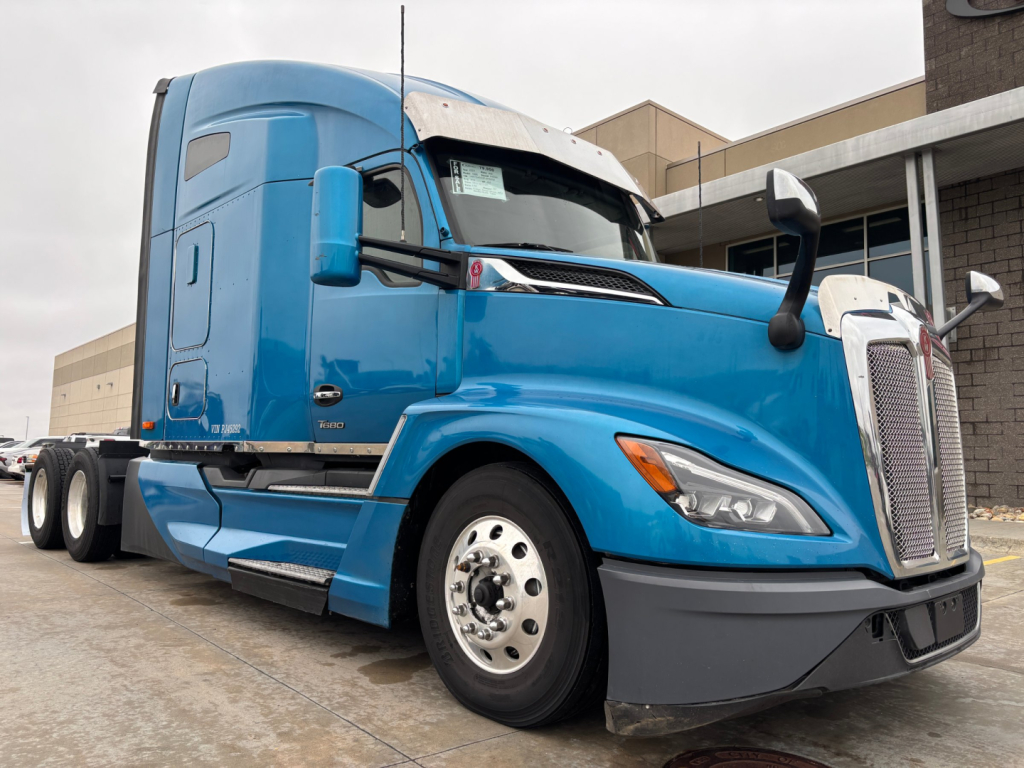
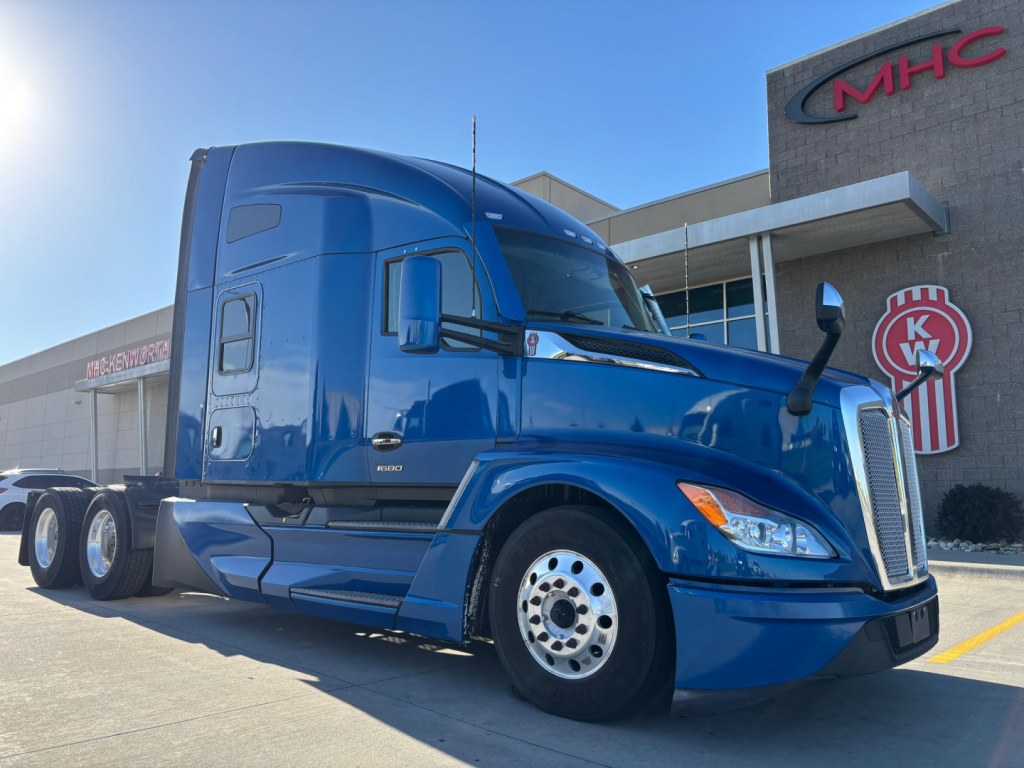
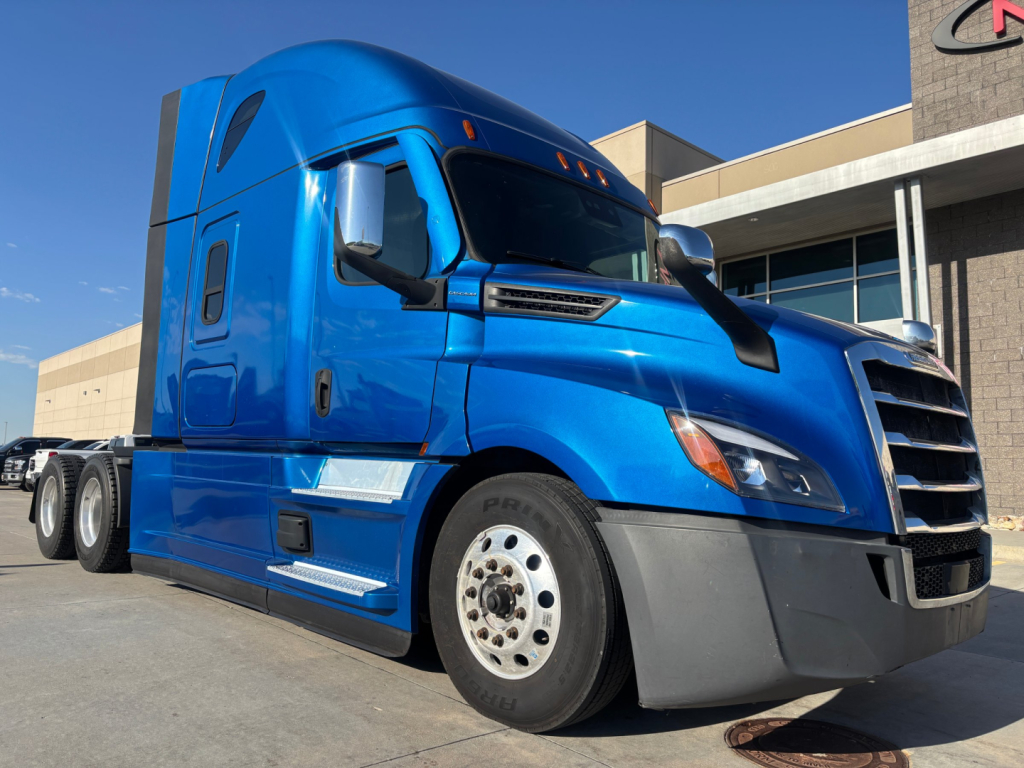
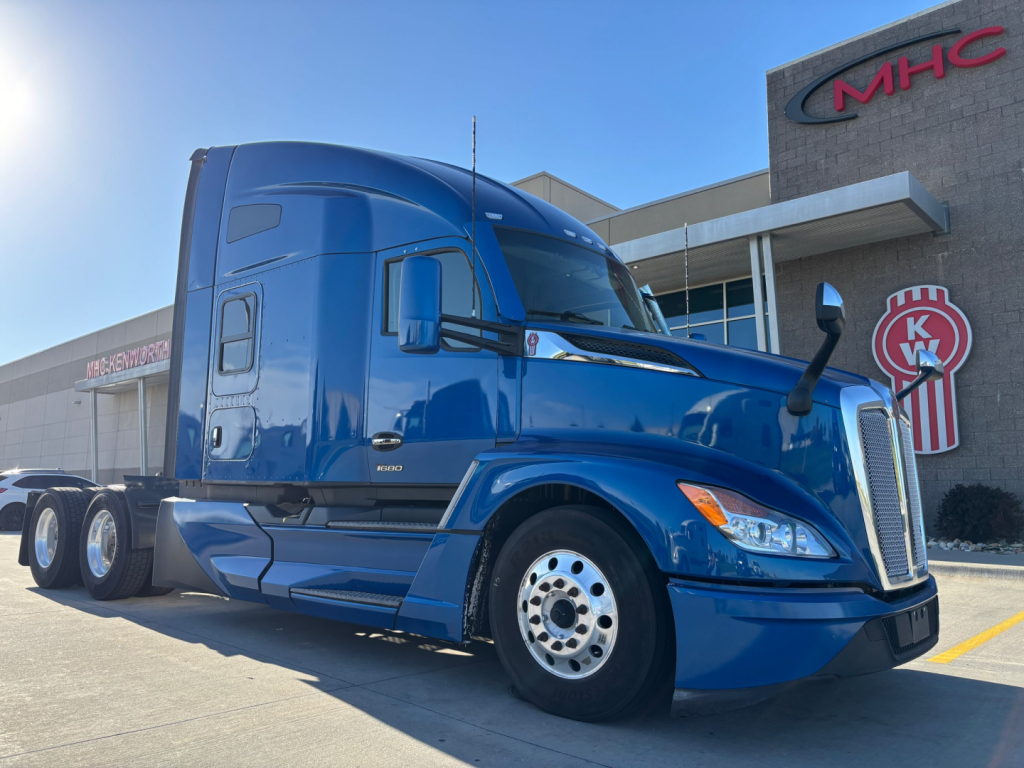
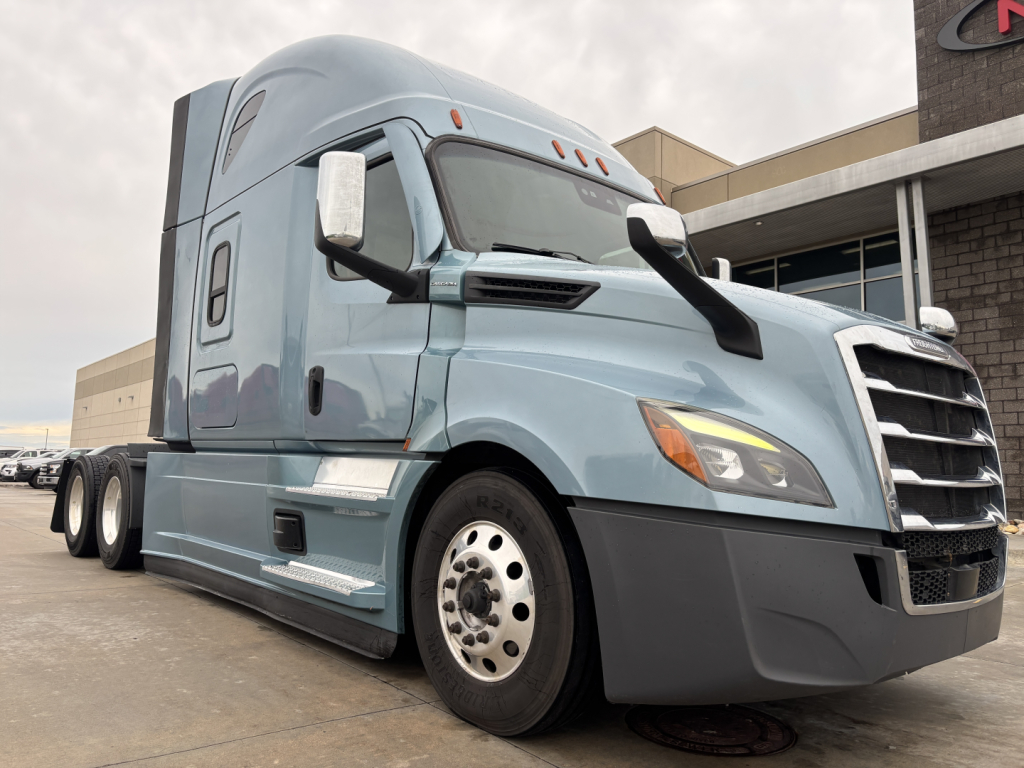
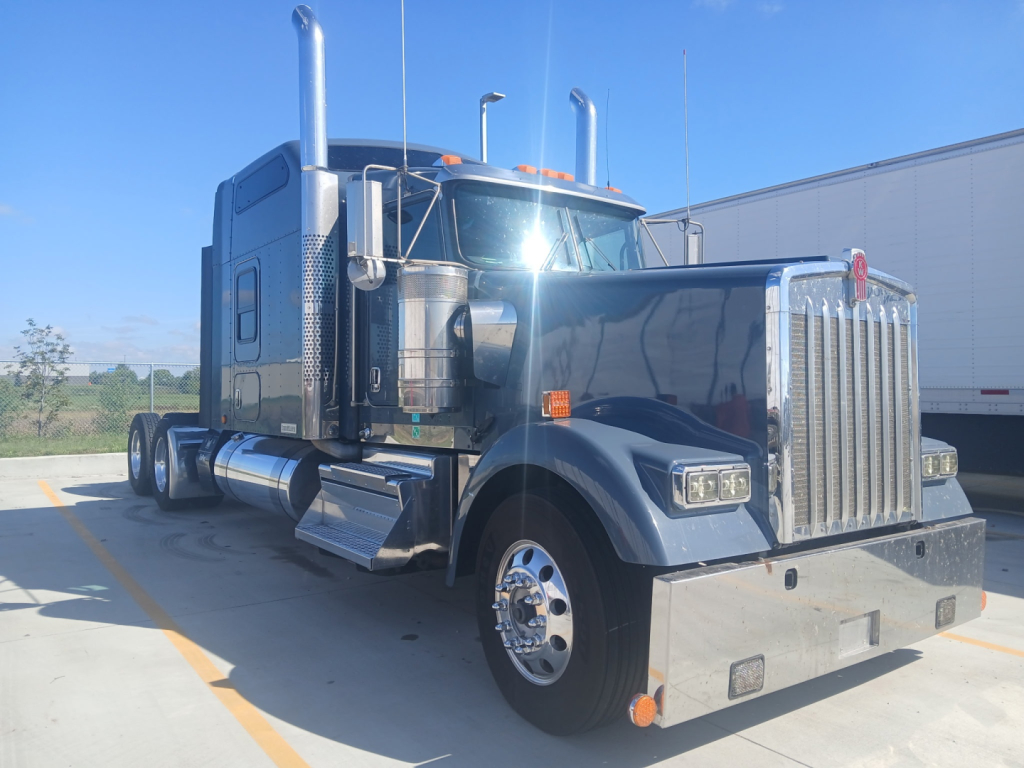
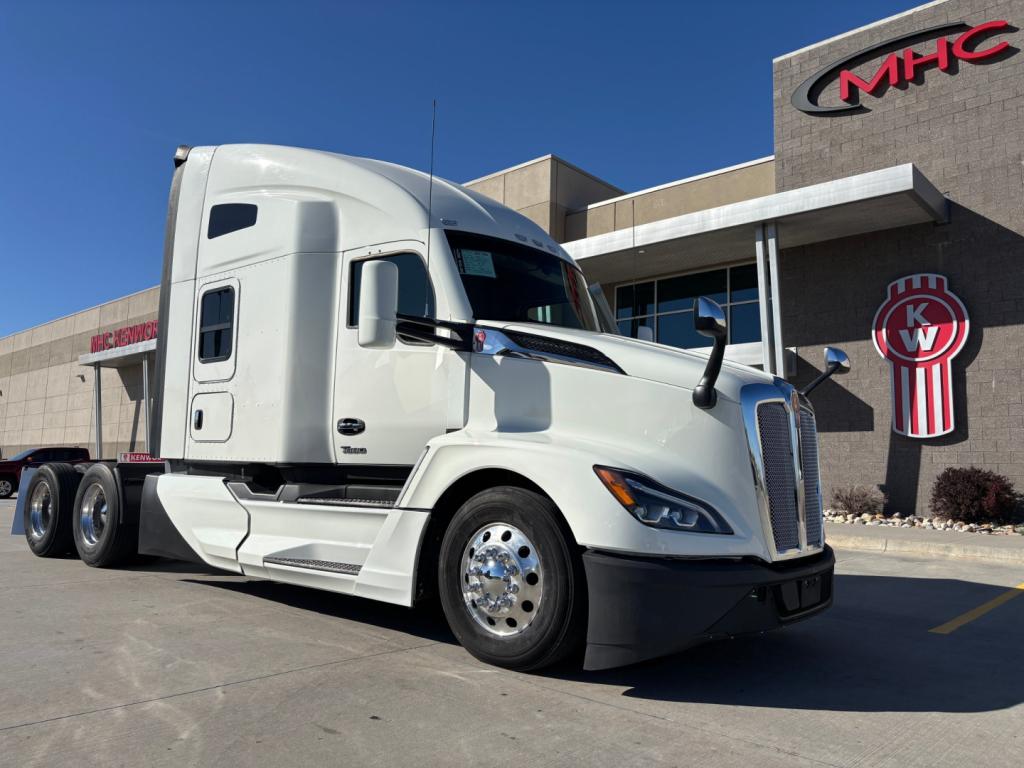
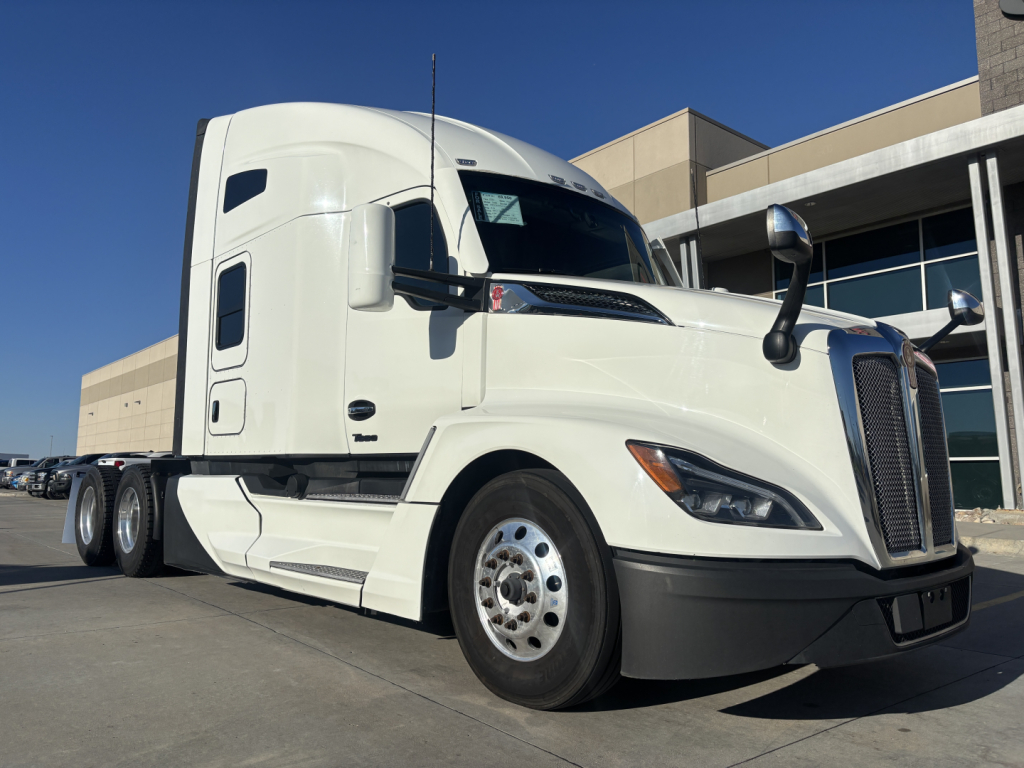
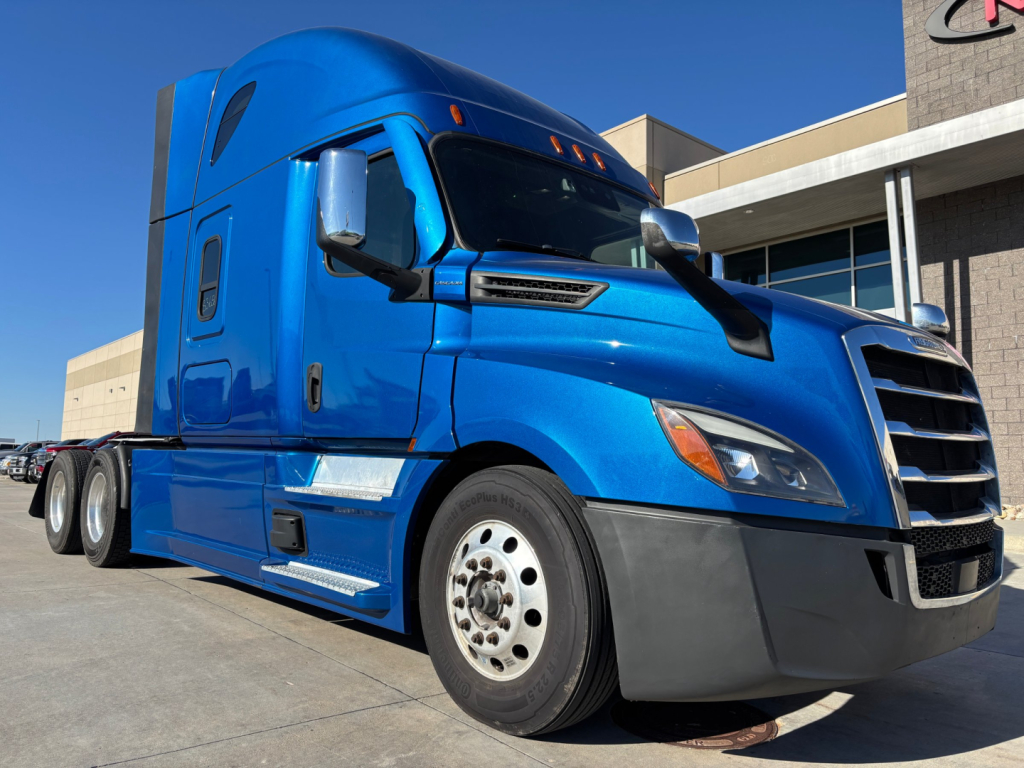
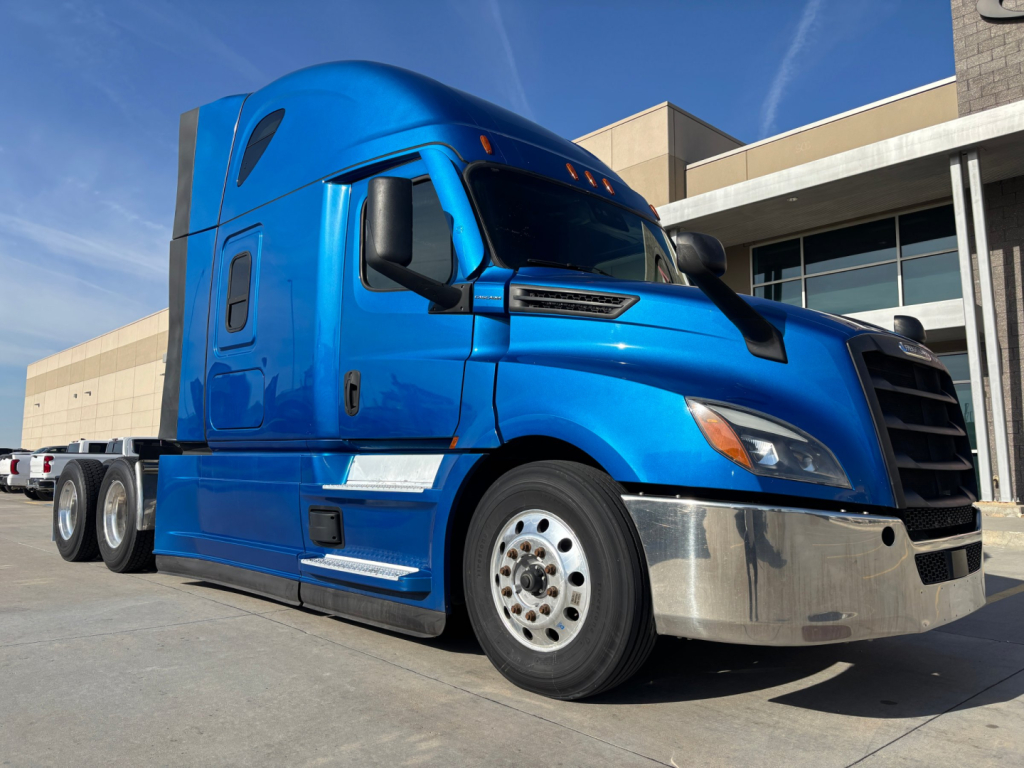
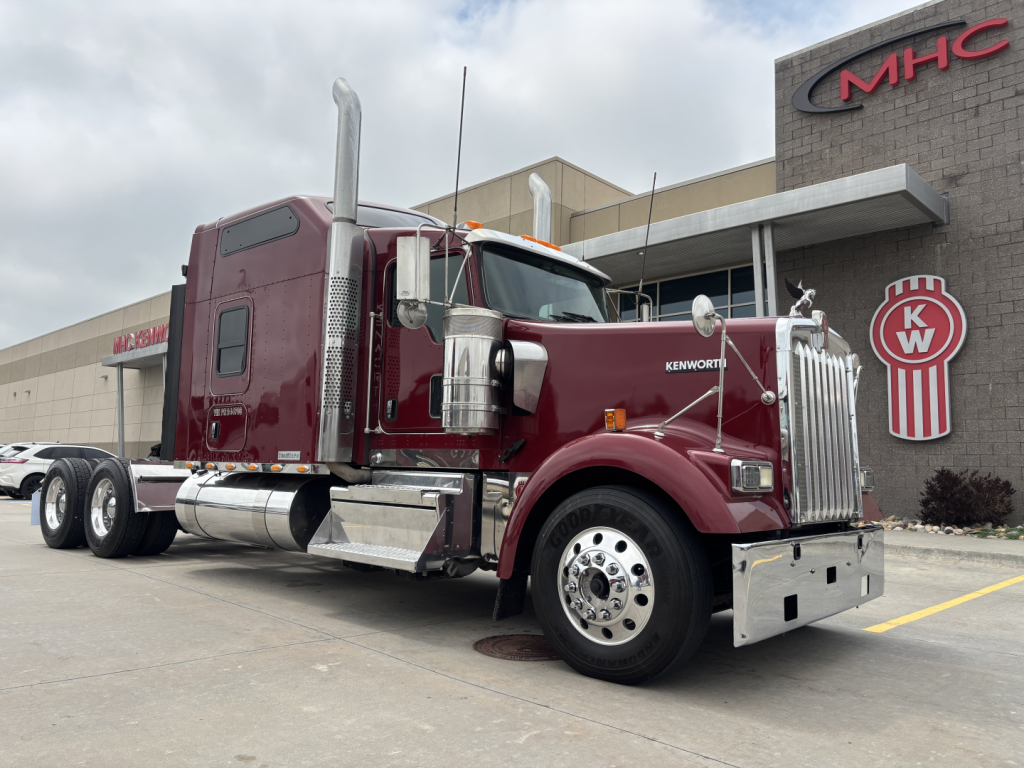
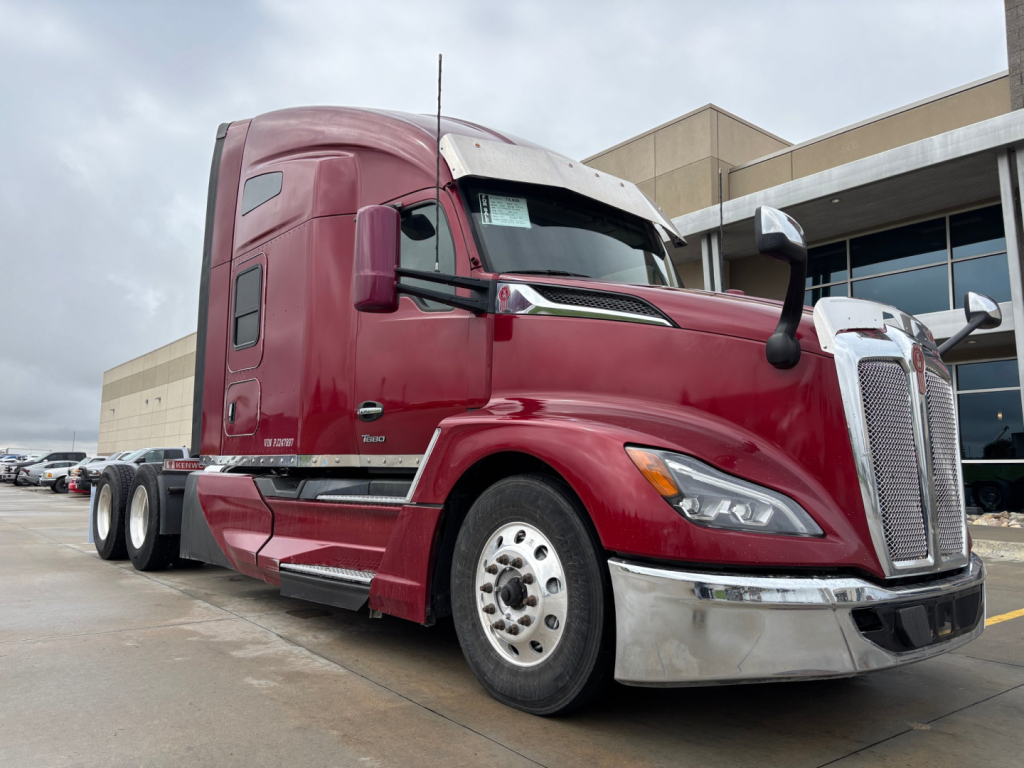
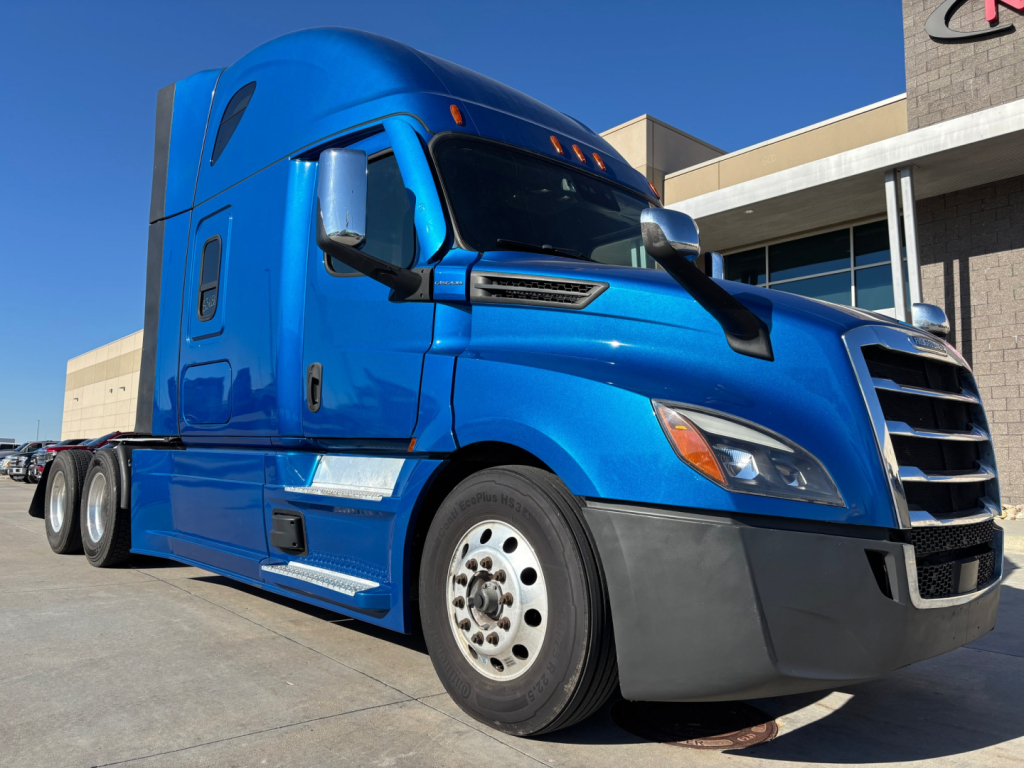
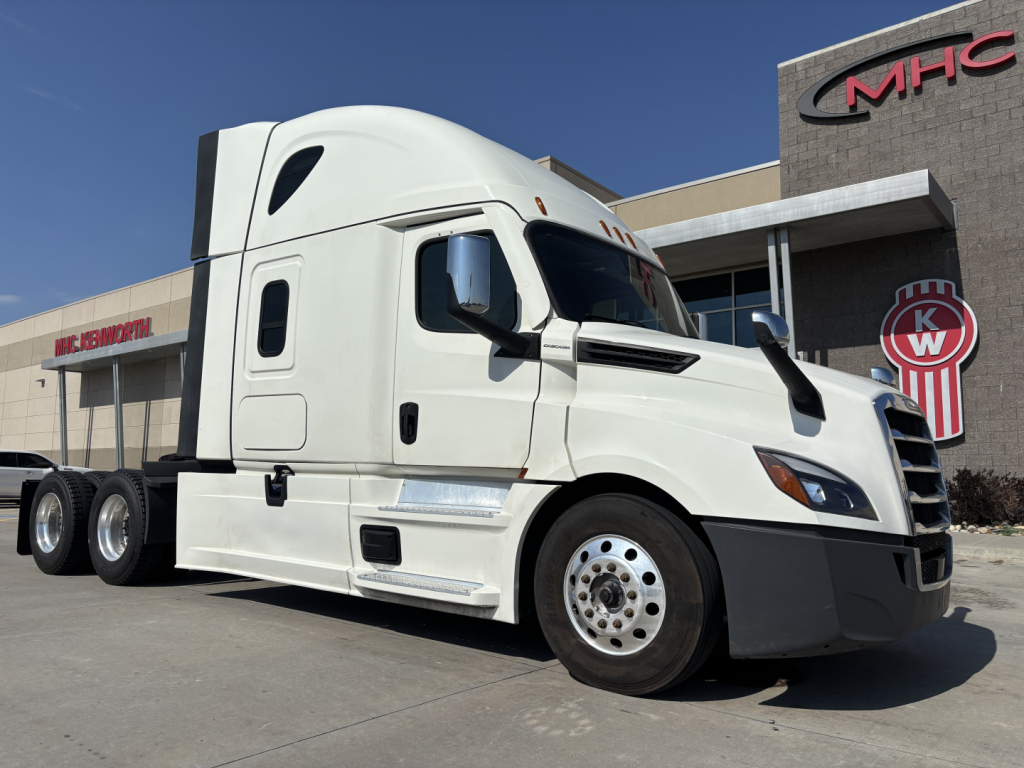
Showing 1 to 28 of 29 results
Selling a 2023 conventional sleeper truck? List your 2023 conventional sleeper truck for sale and reach thousands of commercial buyers.
2023 Conventional Sleeper Trucks in Nebraska
The most important buying decisions usually start with the powertrain. In this model year, common engines include the Cummins X15, Detroit DD15, Volvo D13, and PACCAR MX-13, often rated around 400 to 500 horsepower with integrated engine brakes. Automated manual transmissions dominate this category because they reduce driver fatigue, improve shift consistency, and can help with fuel economy in linehaul service, though some fleets and owner-operators still prefer a manual for specific applications. Pay close attention to rear axle ratio, gross axle ratings, and wheelbase. A 2.64 or 2.79 ratio generally favors fuel mileage on open highway runs, while a 3.08 or 3.25 ratio can better support heavier freight, hillier terrain, or more start-and-stop work. Wheelbase and fifth wheel travel matter too, especially if the truck will switch among trailer lengths or operate with different kingpin settings.
Sleeper configuration has a direct effect on resale, driver retention, and day-to-day productivity. Common setups include 72-inch to 76-inch sleepers with single or double bunks, bunk heaters, storage cabinets, refrigerators, APUs, and idle reduction packages. Raised-roof sleepers offer better stand-up room and more living space for team drivers or long-duration trips, while mid-roof layouts can reduce weight and sometimes improve aerodynamics. Buyers should also look closely at safety and chassis equipment that became increasingly common by 2023, including collision mitigation systems, adaptive cruise functions, disc brakes, tire pressure monitoring, digital dash layouts, and air slide or adjustable fifth wheels. Aluminum wheels, low-profile tires, air ride suspension, and dual fuel tanks are all common features in this class and can affect both operating cost and application fit.
Condition still matters as much as spec on a late-model sleeper. Check engine hours against miles, confirm maintenance history, look for emissions system service records, and inspect the sleeper HVAC, bunk components, fairings, and cab mounts for wear. A buyer comparing 2023 conventional sleeper trucks in Nebraska should think in terms of total operating profile: average gross weight, annual mileage, preferred fuel network, terrain, driver turnover, and trailer mix. The right truck in this category is not just a newer highway tractor. It is a spec matched to freight, route length, and long-term cost per mile.
Frequently Asked Questions about 2023 Conventional Sleeper Trucks in Nebraska
What is a conventional sleeper truck used for?
A conventional sleeper truck is primarily used for long-haul and regional freight that requires overnight accommodation for the driver. It is the standard highway tractor configuration for pulling dry vans, reefers, flatbeds, tank trailers, and other semi-trailers on interstate routes. The sleeper compartment adds bunk space, storage, and living features that make the truck suitable for multi-day trips and higher annual mileage.
What engine and transmission specs are common in a 2023 conventional sleeper?
Most 2023 conventional sleeper trucks are equipped with 13-liter to 15-liter diesel engines in the 400 to 500 horsepower range, paired with an engine brake and an automated manual transmission. Common engine families include the Cummins X15, Detroit DD15, Volvo D13, and PACCAR MX-13. Automated transmissions are common because they support consistent fuel economy, easier driver onboarding, and reduced fatigue, but manual transmissions still appear in some owner-operator and performance-oriented specs.
How do I choose the right axle ratio for a sleeper tractor?
Axle ratio should match your average load, terrain, cruise speed, and transmission setup. Lower numerical ratios such as 2.64 are generally chosen for fuel-efficient highway operation at steady speeds. Higher numerical ratios such as 3.08 or 3.25 can improve startability, grade performance, and flexibility for heavier freight or more demanding routes. The best ratio is the one that keeps the engine in its most efficient operating range for your actual duty cycle.
What sleeper size is best for over-the-road use?
A 72-inch to 76-inch sleeper is a common choice for over-the-road service because it balances living space, storage, and weight. Raised-roof sleepers offer more headroom and typically provide the best comfort for solo drivers on extended trips or for team operations. Mid-roof sleepers can work well for fleets focused on weight control, aerodynamics, or shorter-duration routes where full stand-up room is less important.
What should I inspect on a used 2023 conventional sleeper truck?
Focus on maintenance documentation, emissions system history, engine hours, transmission performance, and evidence of consistent preventive service. Inspect the sleeper HVAC, bunk heater, APU if equipped, and all interior electrical functions. On the chassis side, check brakes, suspension, tires, wheel seals, fairings, alignment wear, and fifth wheel condition. A late-model sleeper can look clean and still have expensive deferred maintenance, so a full diagnostic scan and independent inspection are worth the cost.