
2023 Conventional Sleeper Trucks For Sale in Illinois
Shop 2023 conventional sleeper trucks in Illinois. Compare raised-roof highway tractors with modern sleepers, aero specs, and fuel-efficient drivelines.
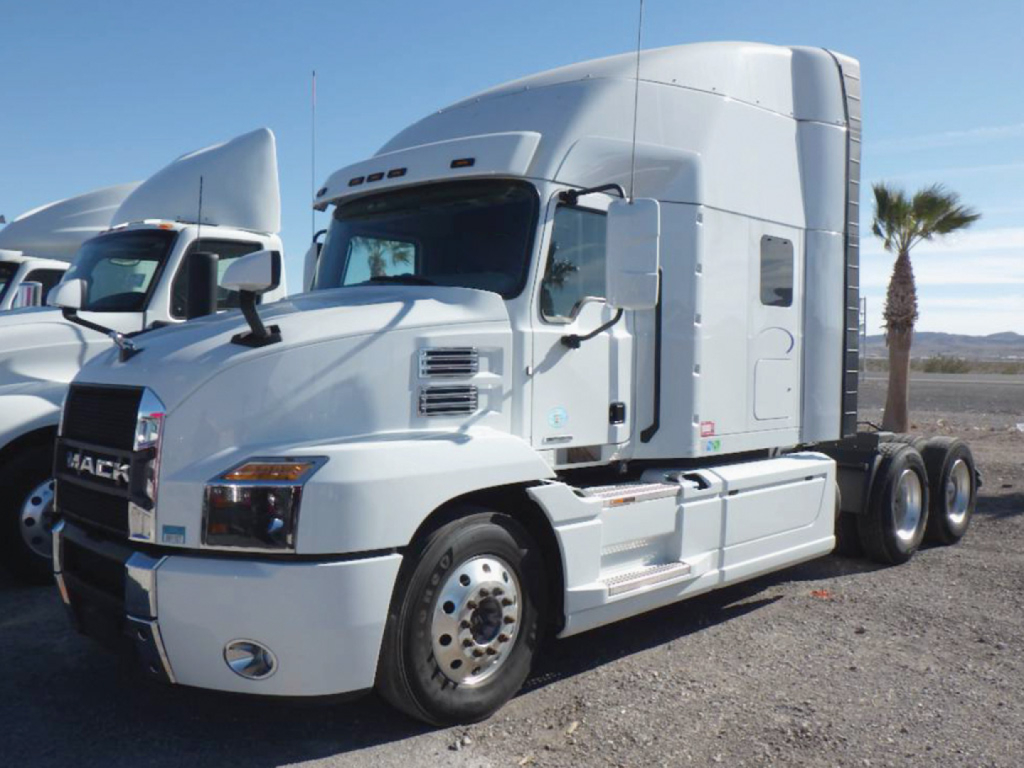
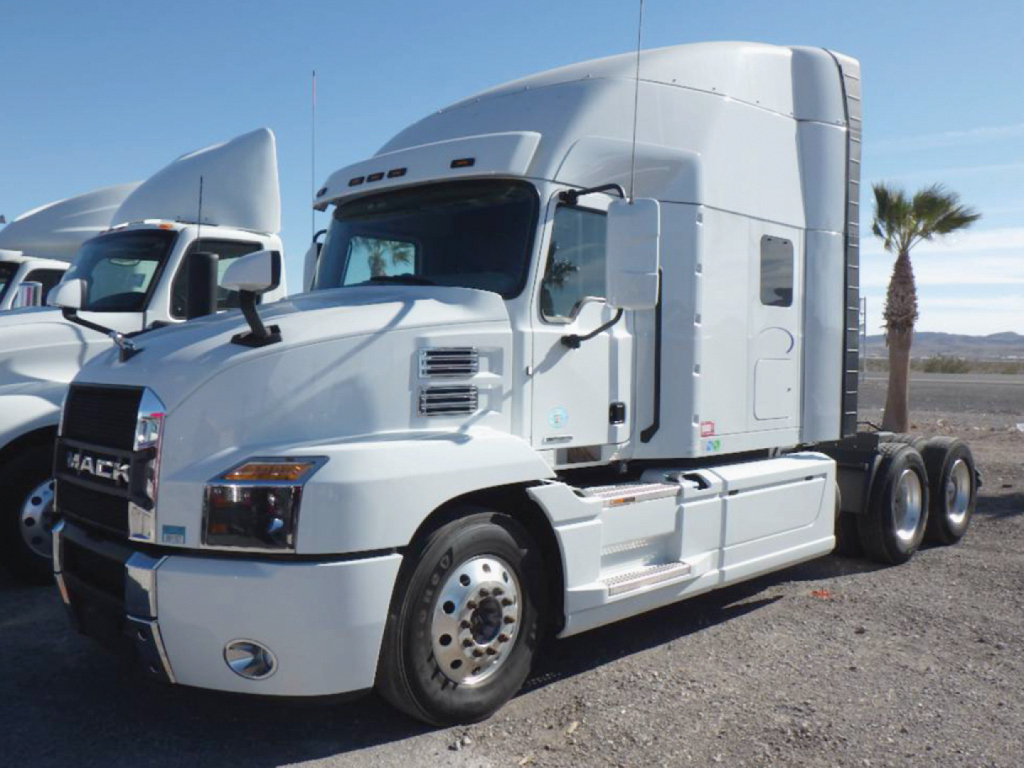
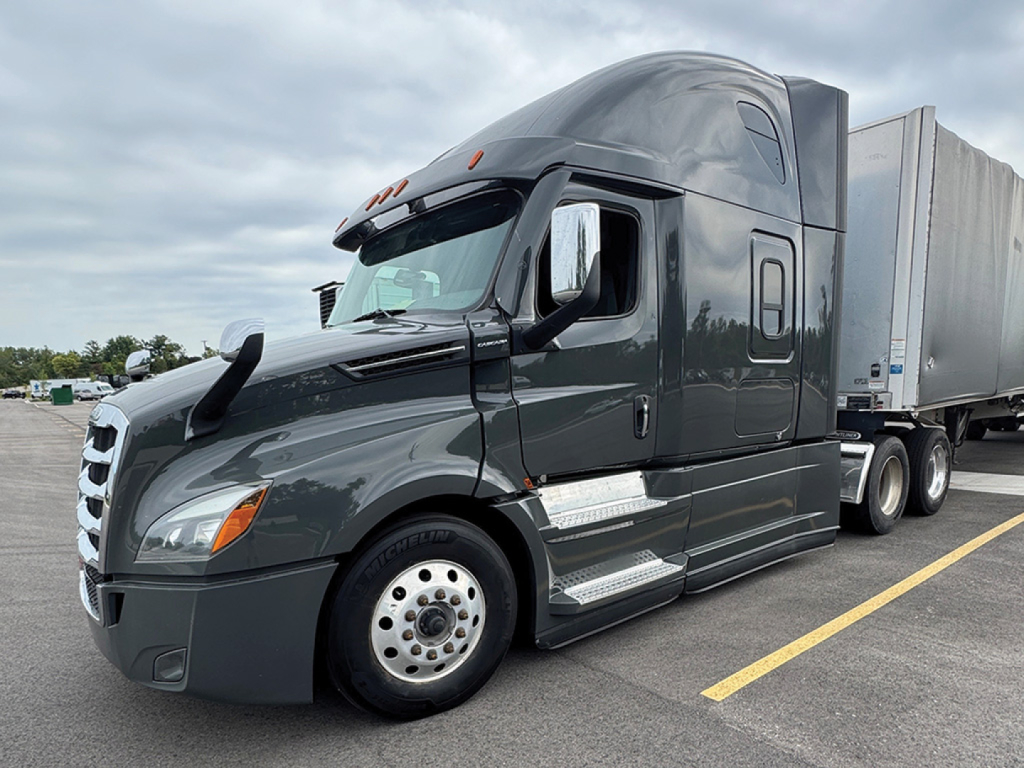
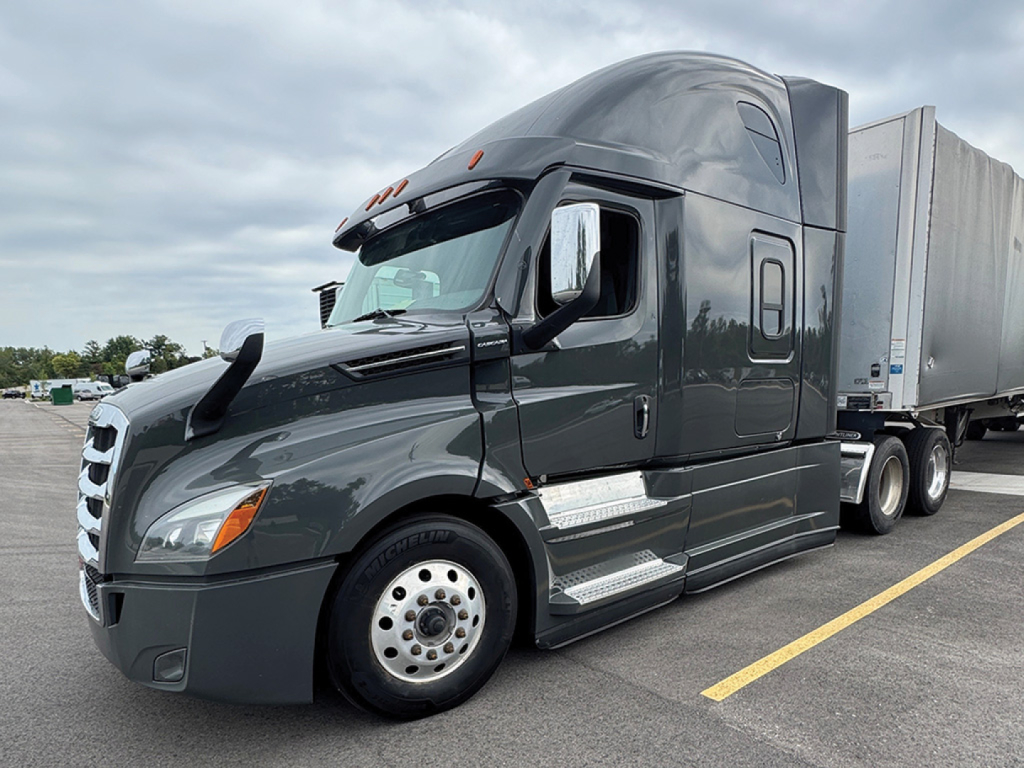
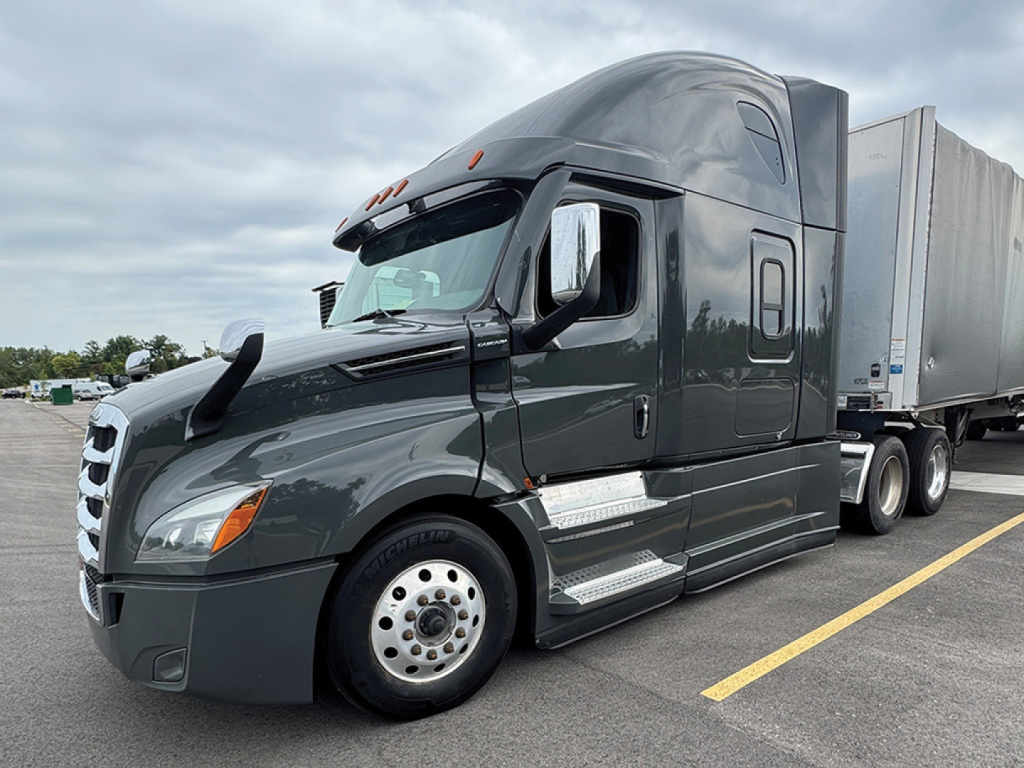
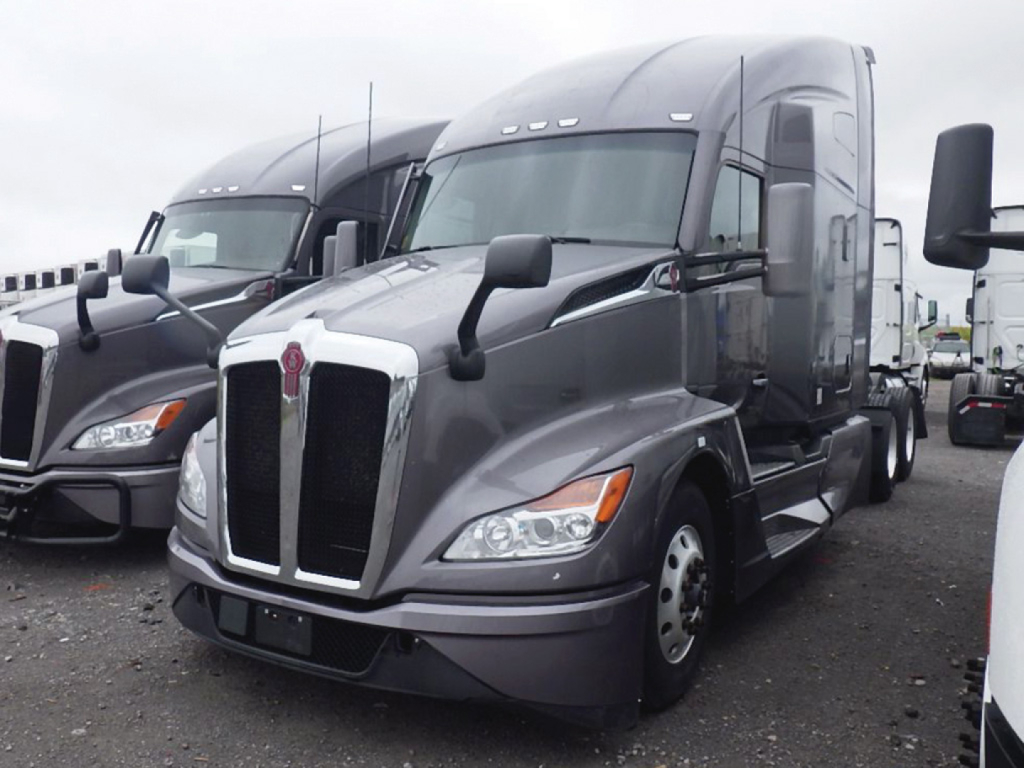
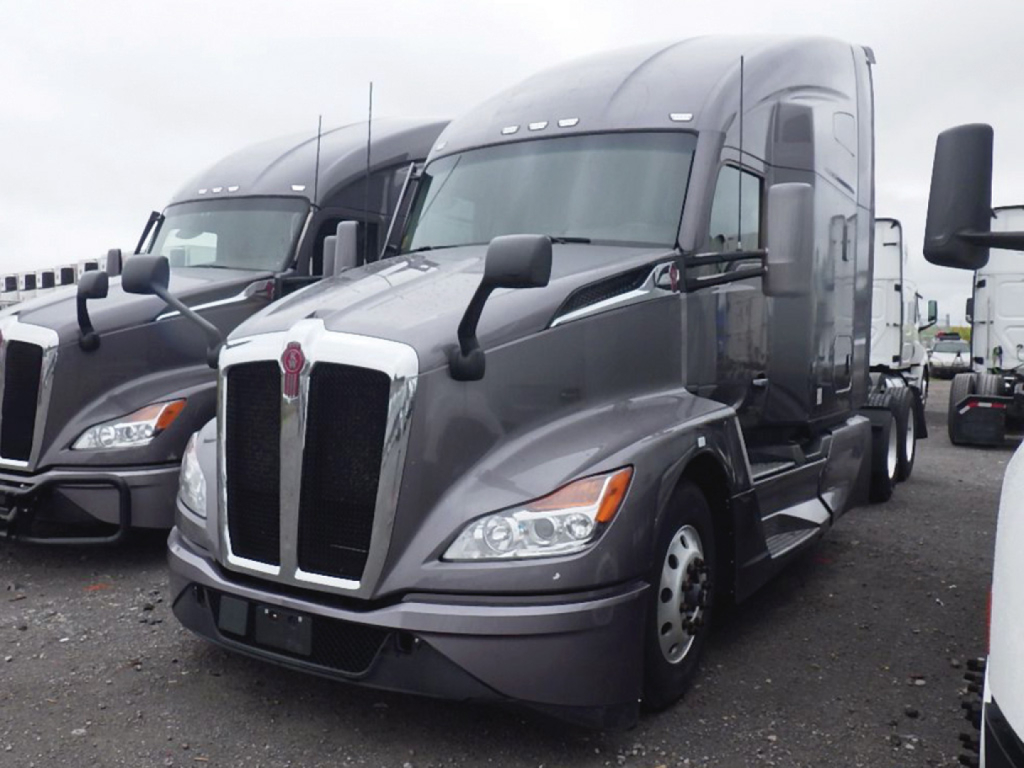
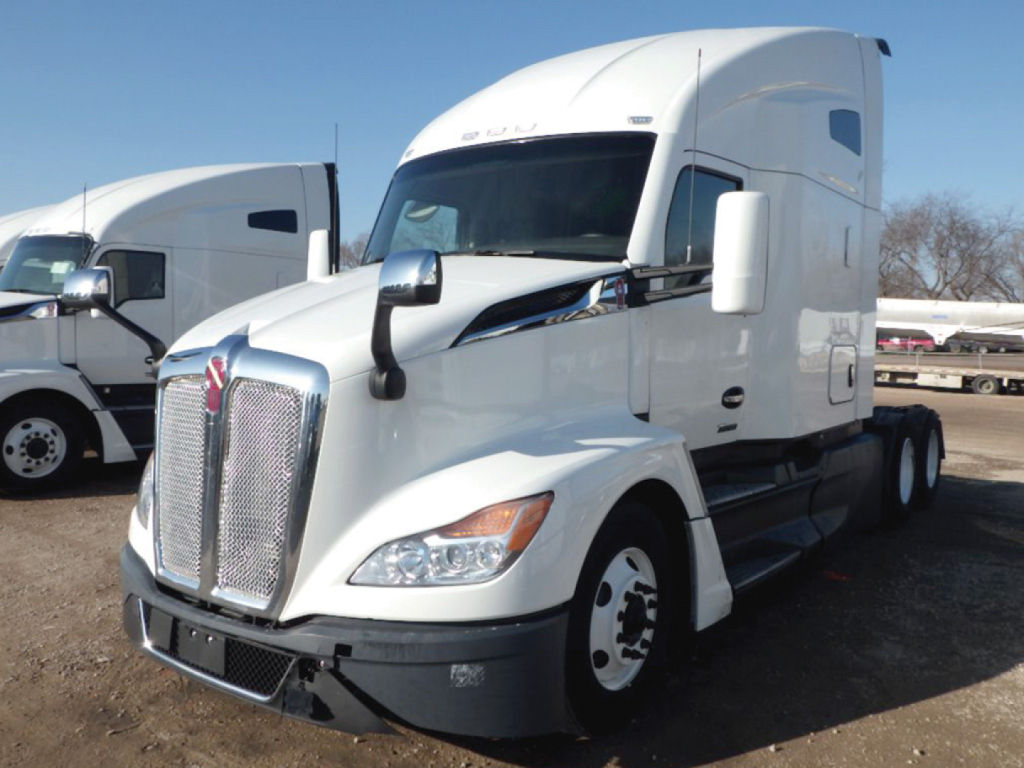
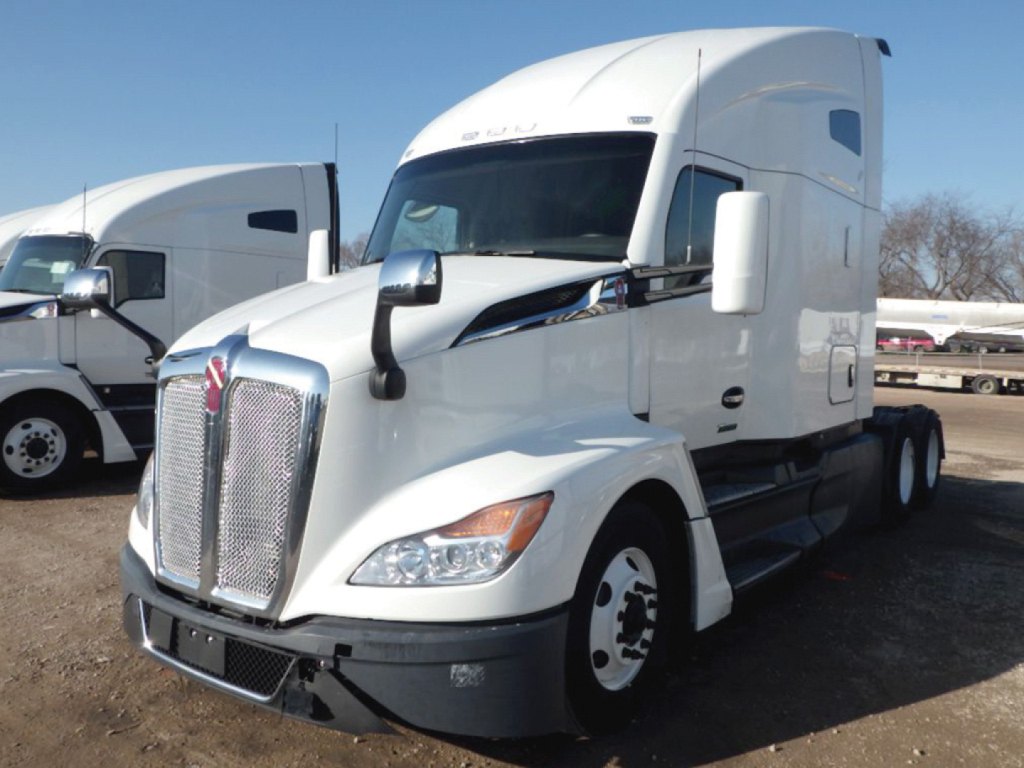
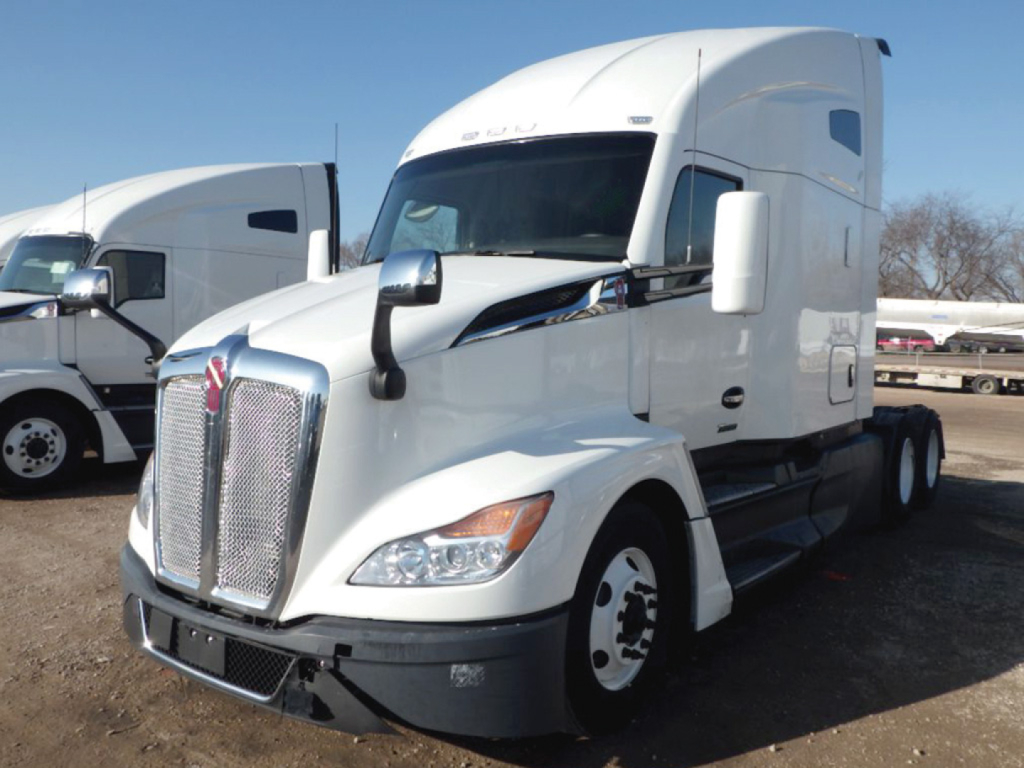
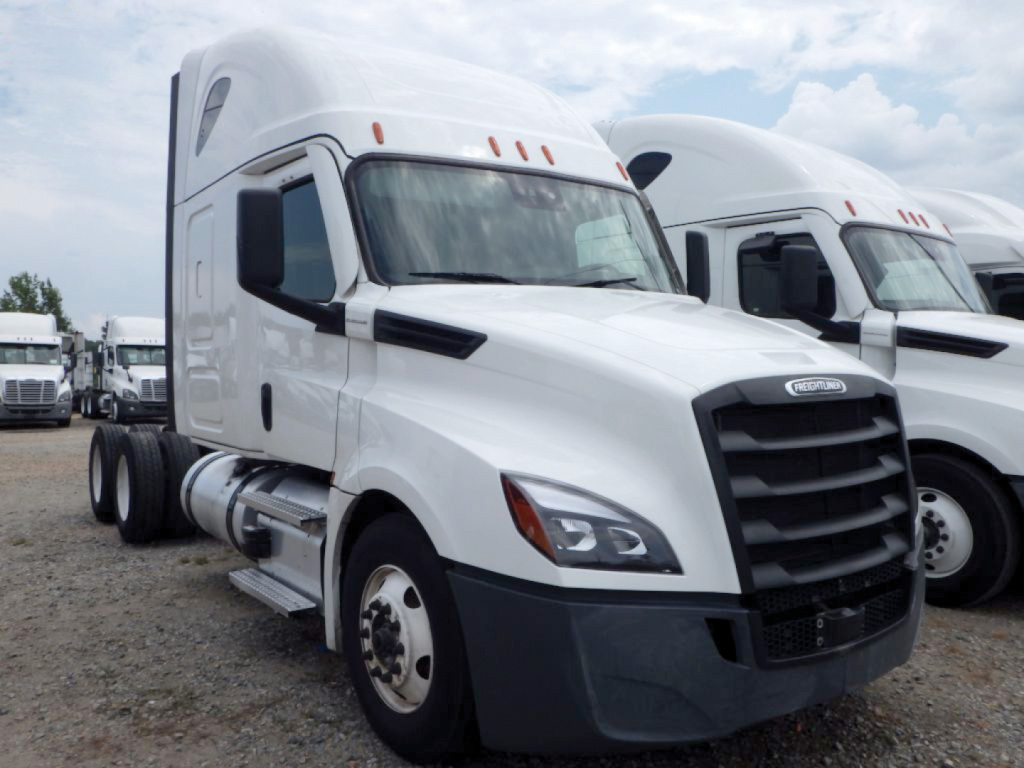
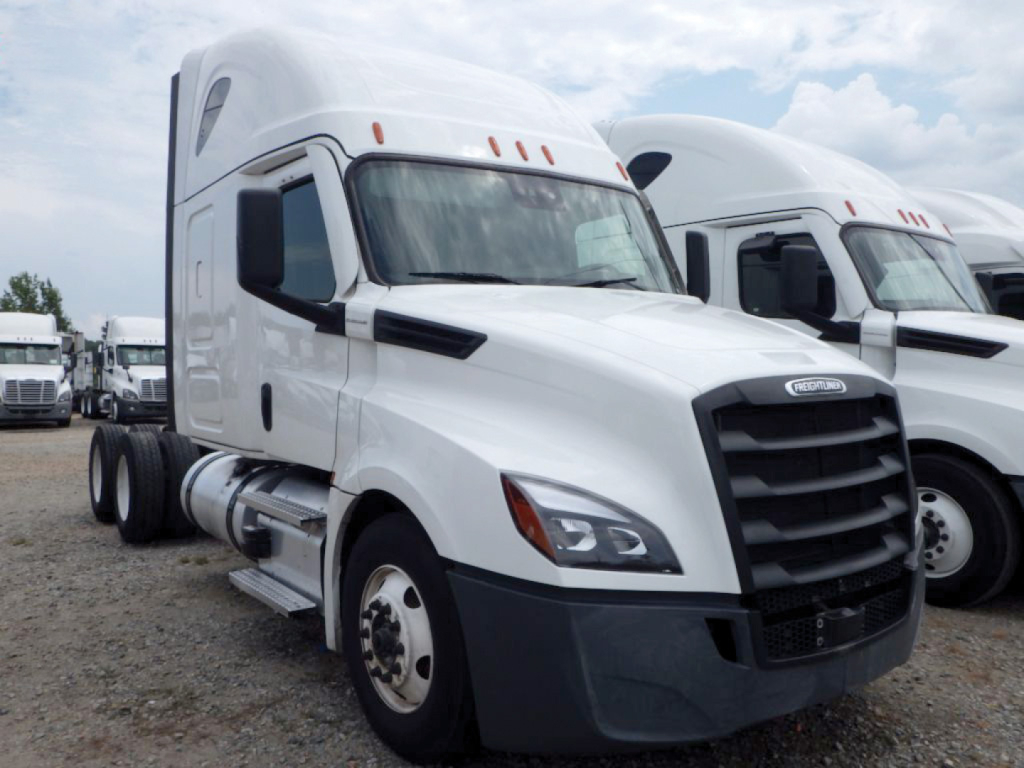
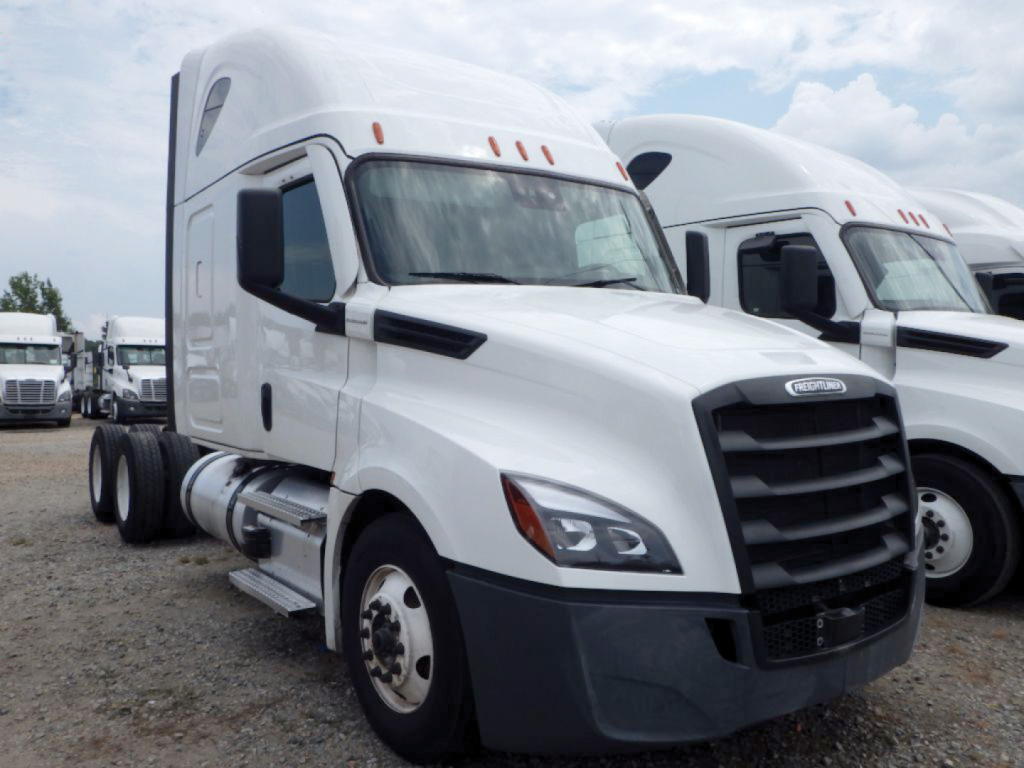
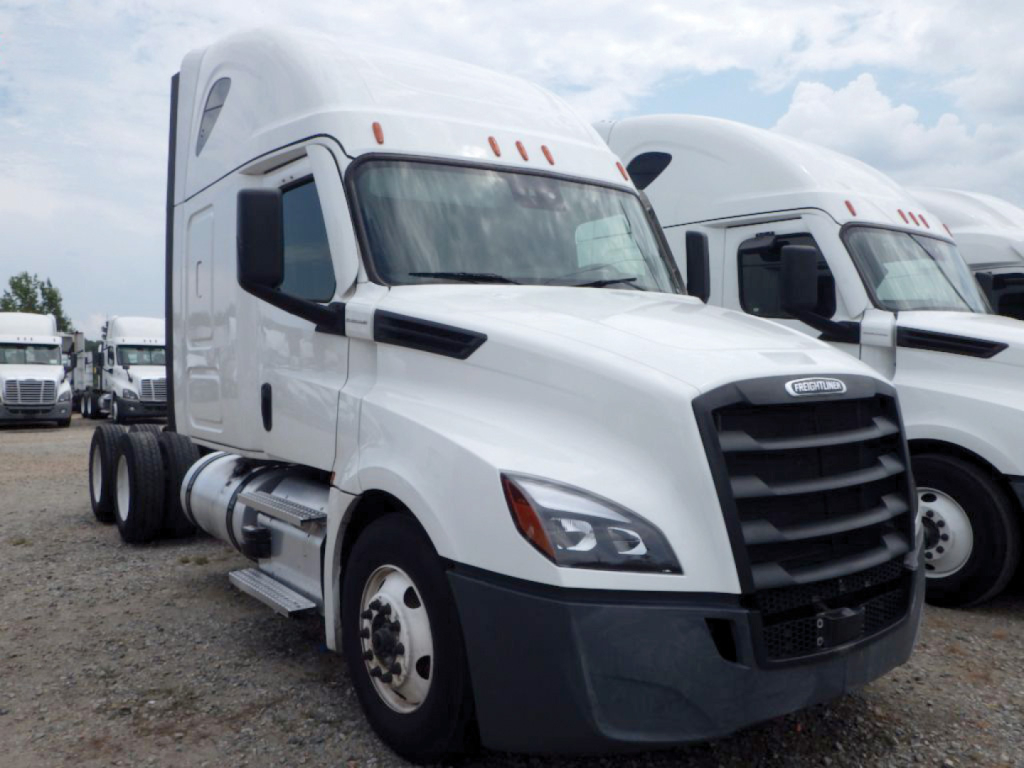
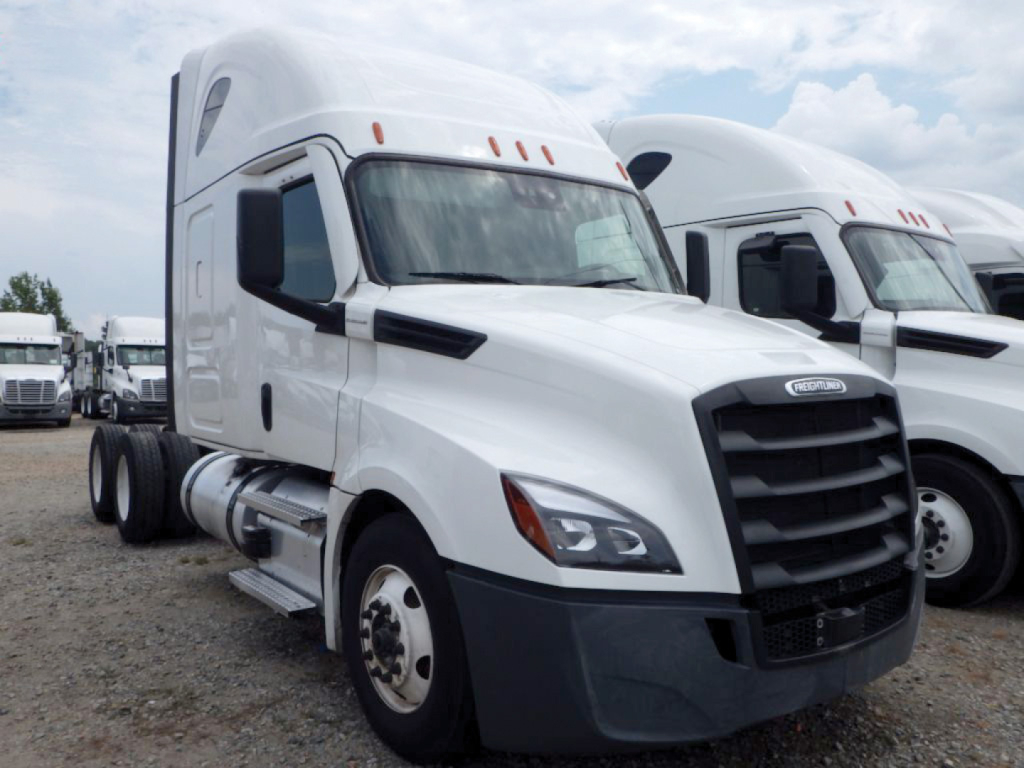
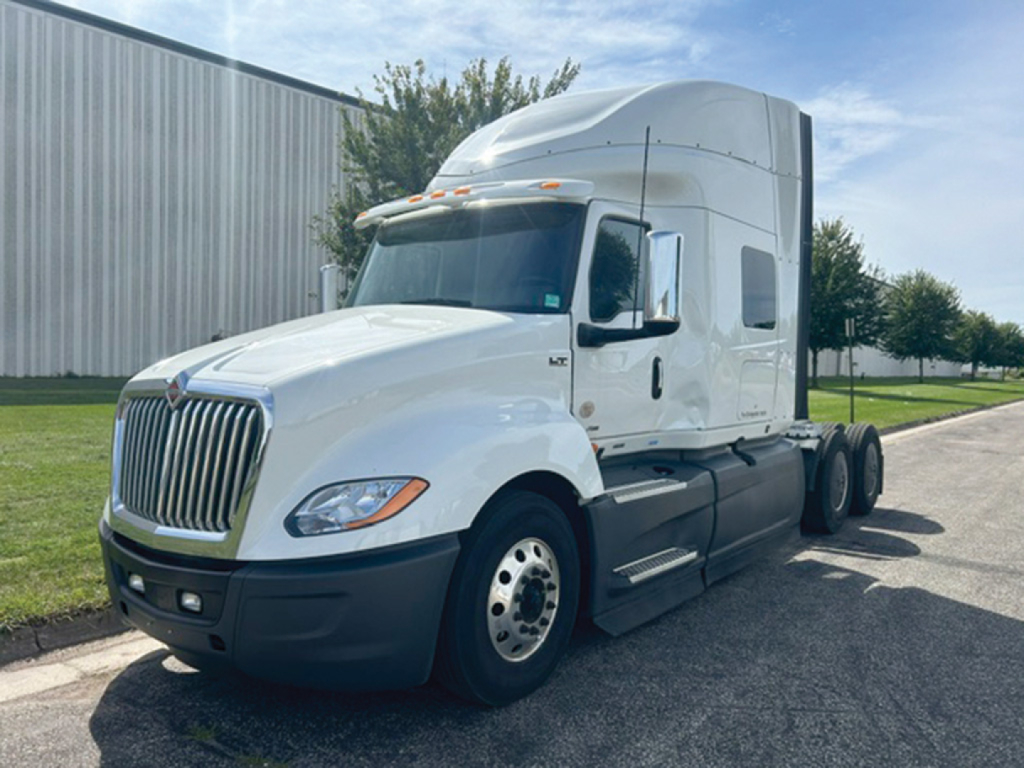
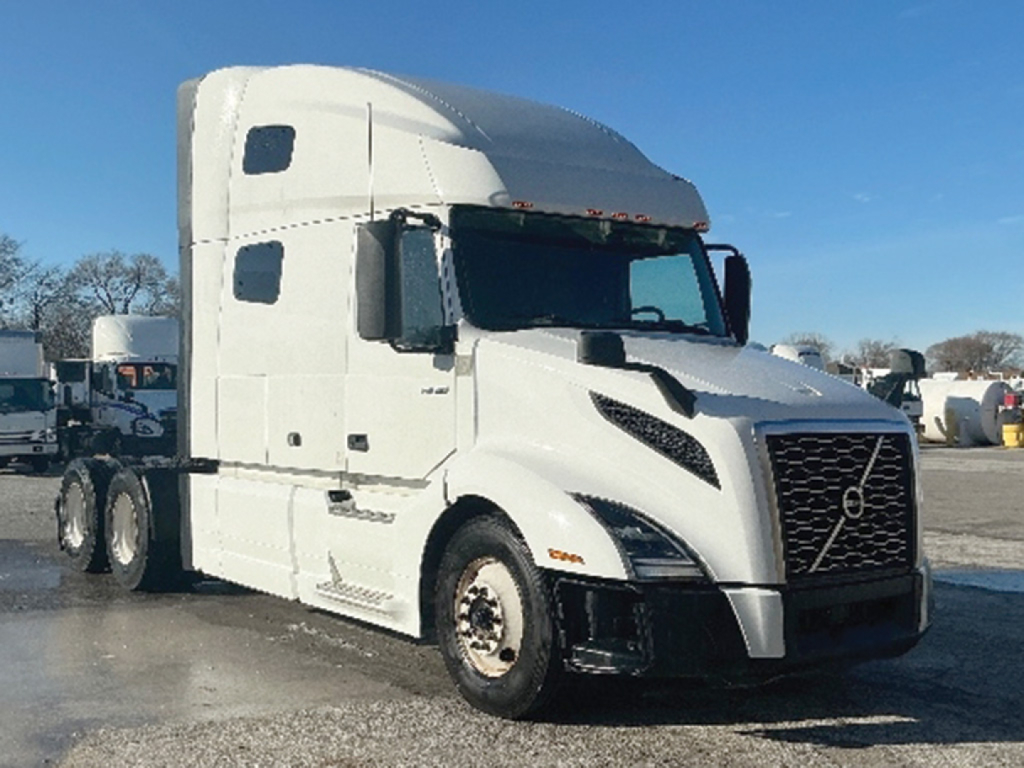

Selling a 2023 conventional sleeper truck? List your 2023 conventional sleeper truck for sale and reach thousands of commercial buyers.
2023 Conventional Sleeper Trucks in Illinois
For most buyers, the drivetrain is the first real decision. Many 2023 conventional sleepers are spec'd with 13-liter to 15-liter diesel engines in the 425 to 500 horsepower range, paired with automated manual transmissions and rear axle ratios chosen for fuel mileage or mixed-terrain performance. Common combinations include Detroit, Cummins, Volvo, and PACCAR power, with automated transmissions such as DT12, I-Shift, or similar 12-speed units. A buyer should compare horsepower, torque, rear axle ratio, and wheelbase together, because a 2.47 or 2.64 ratio highway spec behaves differently than a shorter geared truck intended for heavier payloads or more frequent starts and stops. A 40,000-pound rear axle setup remains standard for tandem road tractors, while disc brakes, collision mitigation, and adaptive safety systems are increasingly common on newer sleeper trucks.
Sleeper size and cab layout have a direct effect on route fit and driver retention. In the 2023 model year, raised-roof sleepers in the 72-inch to 86-inch range are common, often equipped with upper bunks, bunk heaters, refrigerators, inverters, workstation layouts, and shore power connections. Buyers comparing sleeper trucks should look closely at interior storage, idle reduction options, HVAC performance, and how the bunk is configured for team driving or solo use. Exterior equipment also matters. Side fairings, cab extenders, quarter fenders, adjustable fifth wheels, and dual aluminum fuel tanks all affect day-to-day operation, range, and trailer compatibility. A sliding or air-slide fifth wheel can be especially important if the truck will pull trailers with varying kingpin settings.
A good 2023 conventional sleeper truck should match its intended freight more than its badge. For long, flat Midwest lanes, an aero spec with a lower rear ratio and automated transmission can deliver strong fuel economy. For heavier or more variable freight, buyers may lean toward higher horsepower, different gearing, and a wheelbase that balances ride quality with maneuverability at docks and terminals. Service history, emissions warranty coverage, tire and brake condition, and software calibration status are worth reviewing on any late-model sleeper tractor, especially on trucks equipped with advanced driver assistance and integrated powertrain electronics.
Frequently Asked Questions about 2023 Conventional Sleeper Trucks in Illinois
What is a conventional sleeper truck?
A conventional sleeper truck is a road tractor with a forward engine hood and a built-in sleeping compartment behind the cab. It is designed for regional and long-haul freight where the driver may spend one or more nights on the road. Compared with a day cab, a sleeper tractor adds living space, more storage, and equipment such as bunks, auxiliary climate features, and power options for longer trips.
What engine and transmission specs are common in a 2023 conventional sleeper?
Many 2023 conventional sleeper trucks use 13-liter or 15-liter diesel engines rated around 425 to 500 horsepower, often paired with a 12-speed automated manual transmission. Popular combinations include Cummins X15, Detroit DD15, and Volvo D13 engines with transmissions such as Volvo I-Shift or Detroit DT12. Rear axle ratios commonly fall in the mid-2s for highway fuel economy, but the best ratio depends on trailer weight, terrain, cruise speed, and startability requirements.
What sleeper size is best for long-haul work?
For long-haul applications, raised-roof sleepers in the 72-inch to 86-inch range are common because they provide enough room for an upper bunk, refrigerator, storage, and better overall living space. A solo driver may be comfortable in a mid-size sleeper if weight and wheelbase are priorities, while team operations often benefit from a larger sleeper with more storage and a true upper bunk setup. The right choice depends on time away from home, driver preference, and how much onboard equipment is needed.
Why do rear axle ratio and wheelbase matter on a sleeper tractor?
Rear axle ratio affects engine speed at cruise, fuel economy, gradeability, and launch performance under load. Lower numerical ratios such as 2.47 or 2.64 are common in fuel-efficient highway specs, while higher ratios can help with heavier loads or more demanding terrain. Wheelbase influences ride quality, trailer gap, weight distribution, and maneuverability. A buyer should evaluate ratio and wheelbase together because both have a direct impact on how the truck performs in real freight conditions.
What should buyers inspect on a used 2023 conventional sleeper truck?
Key inspection points include engine fault history, aftertreatment health, transmission calibration, brake and tire wear, suspension condition, and any signs of collision or frame repair. Buyers should also verify fifth wheel operation, bunk HVAC, refrigerator or inverter function, and the status of safety systems such as collision mitigation and lane monitoring if equipped. On a late-model sleeper truck, electronic service records and warranty coverage can be just as important as the visible mechanical condition.