
2023 Conventional Sleeper Trucks For Sale in Georgia
Shop 2023 conventional sleeper trucks in Georgia. Compare aero highway sleepers, specs, powertrains, and cab features for long-haul use.
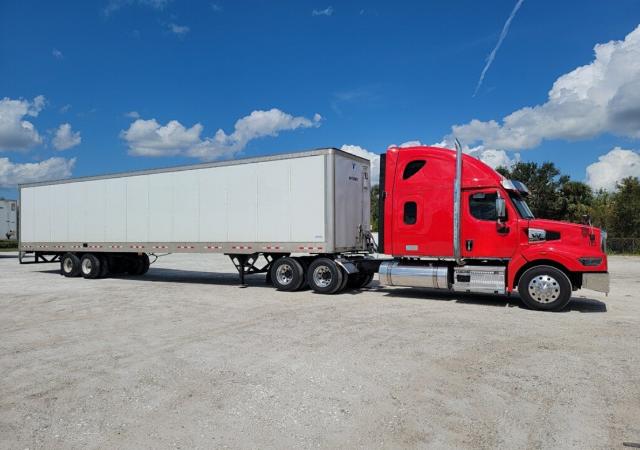
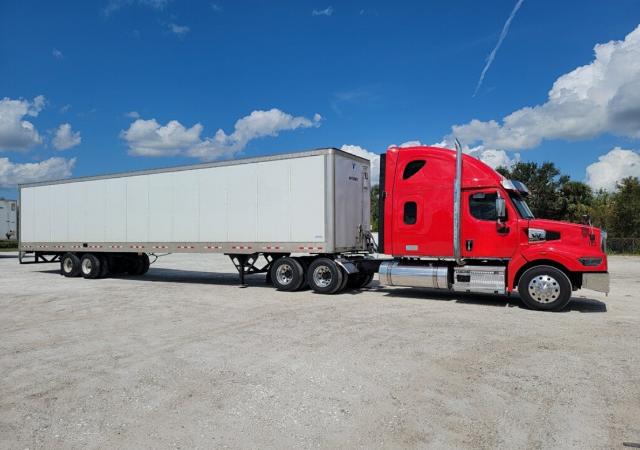
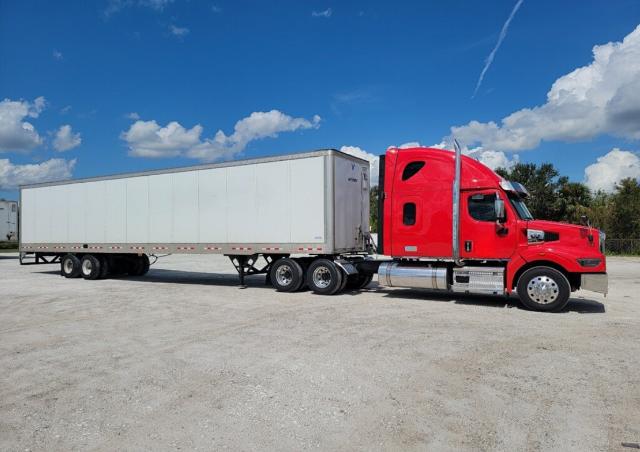
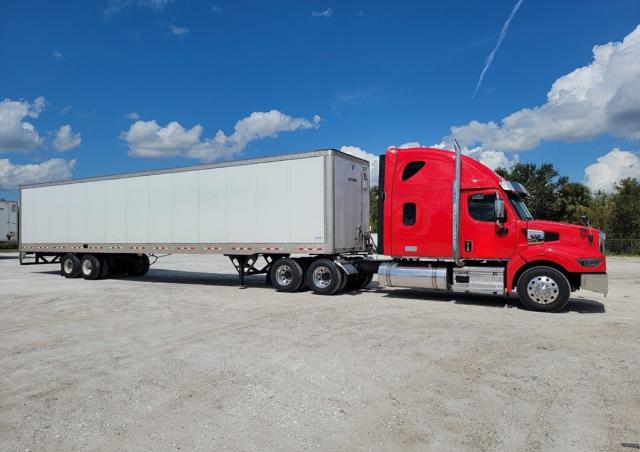

Showing 25 to 34 of 34 results
Have 2023 conventional sleeper truck to sell? List it here to reach thousands of buyers.
2023 Conventional Sleeper Trucks in Georgia
For most buyers, the key decision starts with the powertrain. In this model year, common engine options include the Detroit DD15, Cummins X15, and PACCAR MX series, often matched to automated manual transmissions such as the DT12, Endurant, or PACCAR TX-12. Horsepower usually falls in the 400 to 505 range, with torque commonly from 1,550 to 1,850 lb-ft depending on the intended lane and gross combination weight. A 2023 sleeper spec may also include a 72-inch to 80-inch raised-roof sleeper, dual fuel tanks, disc or drum brakes, and wheelbases set up for van, reefer, or light flatbed service. Buyers comparing listings should look closely at axle ratio, suspension type, fifth wheel setup, and whether the truck was ordered for fuel mileage or heavier pulling.
Cab and sleeper spec can make a major difference in resale value and driver retention. Many 2023 conventional sleeper trucks come with features that were once considered premium, including APUs, bunk heaters, factory refrigerators, double bunks, inverter prep, heated mirrors, collision mitigation, adaptive cruise, and lane departure systems. For team operations or extended runs, sleeper layout matters as much as engine rating. Interior storage, mattress width, stand-up room, and HVAC performance all affect livability. On the operating side, buyers should also verify idle reduction equipment, emissions warranty status, tire condition, and service history, especially on fleet-maintained units coming off lease or trade cycles.
Georgia buyers often focus on highway reliability, easy dealer support, and specs that balance interstate fuel economy with port, warehouse, and distribution-center maneuverability. A 2023 conventional sleeper can be a strong choice for running I-75, I-85, I-16, and regional freight into Florida, the Carolinas, Alabama, and Tennessee. The best truck for the job depends on load profile, annual miles, and driver expectations. A lighter aero sleeper may be the right fit for van and reefer work, while a heavier vocational-style conventional sleeper can make more sense for specialized hauling or tougher duty cycles.
Frequently Asked Questions about 2023 Conventional Sleeper Trucks in Georgia
What is a conventional sleeper truck used for?
A conventional sleeper truck is primarily used for long-haul and regional freight that requires overnight accommodations for the driver. It is the most common tractor configuration for dry van, refrigerated, and general freight operations because it combines highway efficiency, a full sleeper compartment, and compatibility with standard semitrailers. Compared with a day cab, a sleeper truck is better suited for multi-day routes, team driving, and lanes where rest breaks need to happen in the truck.
What should I check first on a 2023 conventional sleeper truck?
Start with the engine, transmission, axle ratio, and sleeper size because those items determine how the truck will perform in your operation. After that, review mileage, idle hours, emissions aftertreatment history, warranty coverage, and maintenance records. It is also important to confirm whether the truck has an APU, bunk heater, refrigerator, safety systems, and the fifth wheel and wheelbase configuration needed for your trailer type and payload.
Are 2023 conventional sleeper trucks good for fuel economy?
Yes, many 2023 conventional sleeper trucks were built with aerodynamics and downsped drivetrains aimed at improving fuel economy. Aero hoods, fairings, automated manual transmissions, and efficient engine calibrations can make them strong performers on highway routes. Actual fuel economy depends on speed, terrain, trailer type, axle ratio, idle time, and total weight, so a fuel-mileage spec may not be ideal for heavier or more demanding applications.
What sleeper size is most common on a highway tractor?
Common sleeper sizes on a highway tractor generally range from about 60 inches to 80 inches, with 72-inch and 80-inch raised-roof sleepers being especially popular in over-the-road service. Larger sleepers usually offer better storage, more standing room, and a more comfortable setup for teams or extended trips. Smaller sleepers can reduce weight and may be adequate for regional work where the driver spends fewer nights away from home.
Why does axle ratio matter on a conventional sleeper?
Axle ratio affects startability, cruising RPM, grade performance, and fuel consumption. A faster ratio can help with heavier freight or more demanding terrain, while a taller ratio often supports lower engine RPM and better fuel economy on flat interstate lanes. On a 2023 conventional sleeper truck, axle ratio should be matched to the engine, transmission, tire size, and expected gross weight so the truck performs well in its intended application.