
2023 Freightliner Conventional Sleeper Trucks For Sale in Georgia
Shop 2023 Freightliner conventional sleeper trucks in Georgia. Compare Cascadia sleeper specs, DD15 power, DT12 transmission, and cab options.
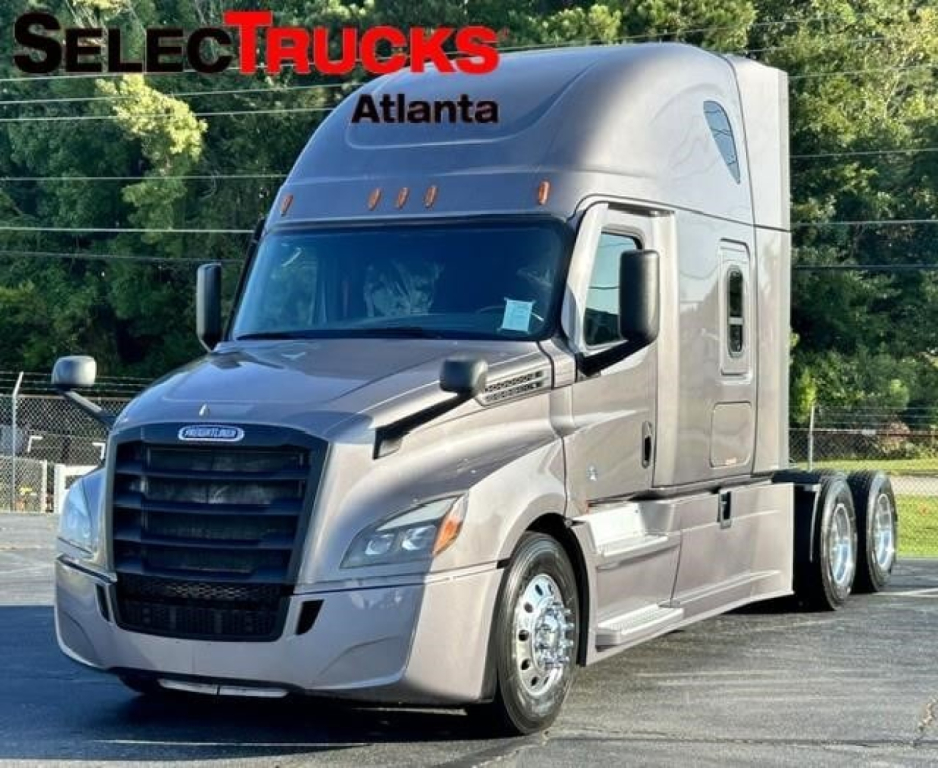
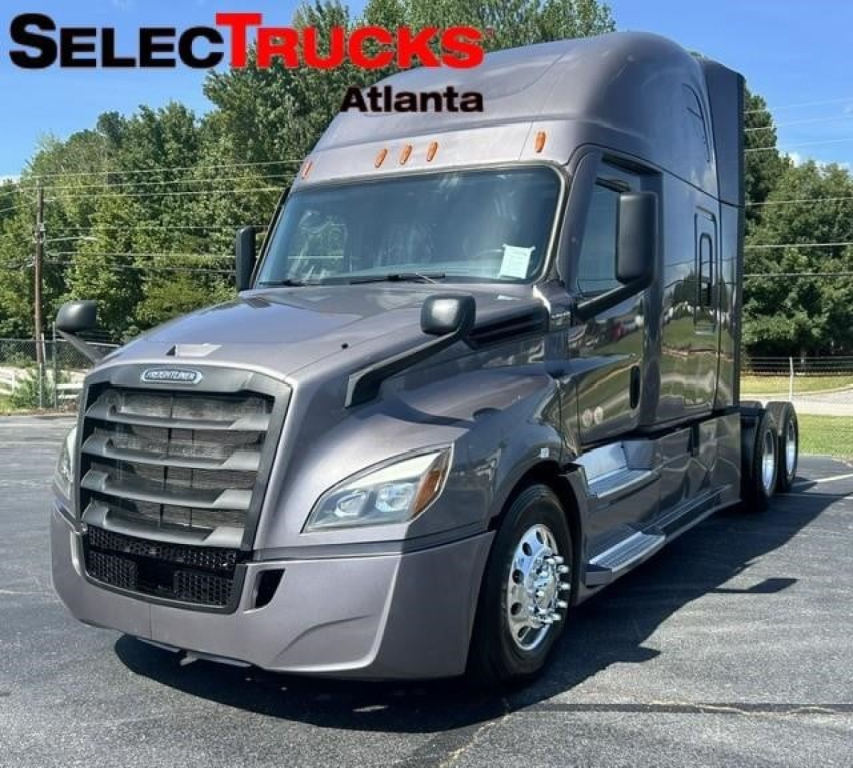
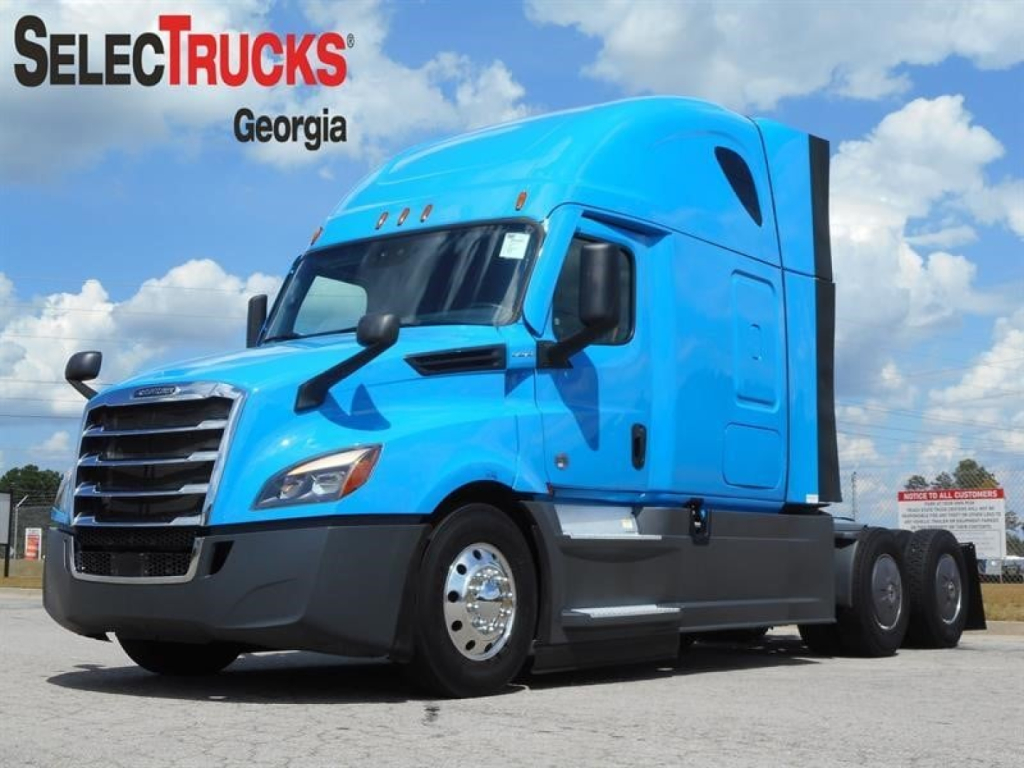
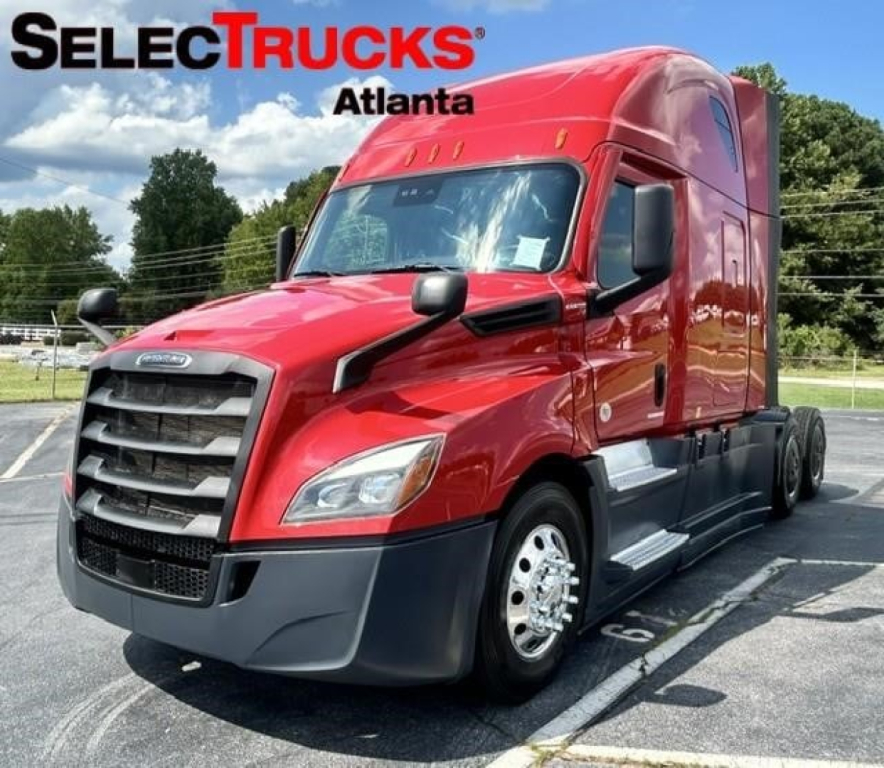
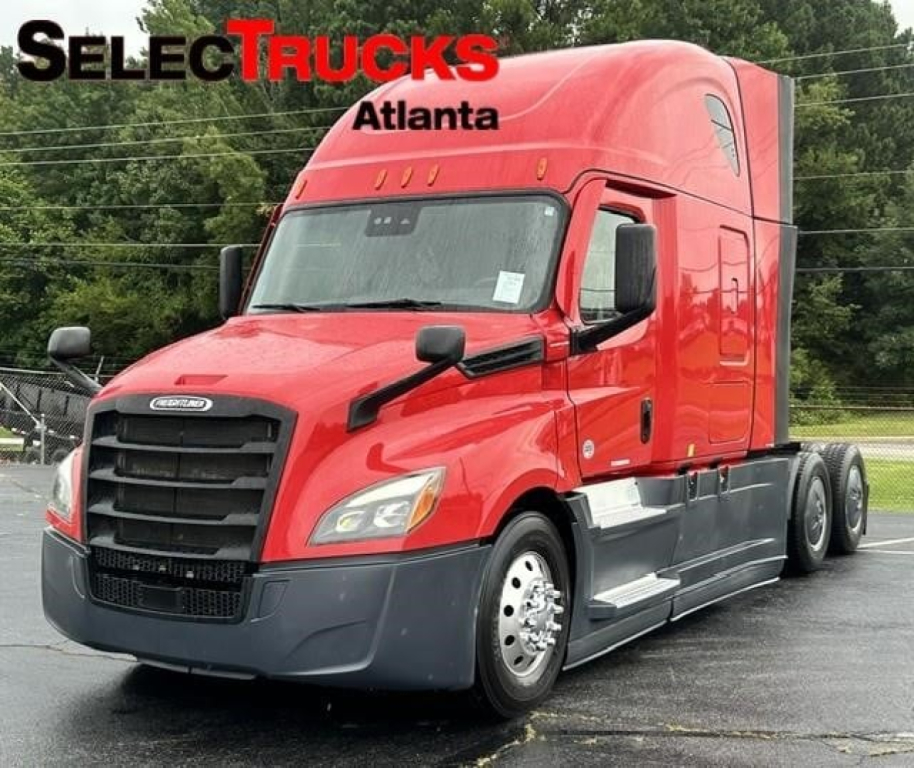
Selling a 2023 freightliner conventional sleeper truck? List your 2023 freightliner conventional sleeper truck for sale and reach thousands of commercial buyers.
2023 Freightliner Conventional Sleeper Trucks in Georgia
Most 2023 Freightliner sleeper specs in this category are built around the Detroit DD15 engine paired with the DT12 automated manual transmission. That combination is popular because it balances drivability, fuel efficiency, and broad service support. Common configurations include raised-roof sleepers, often in 72-inch double bunk layouts, with features like factory refrigerators, bunk heaters, shore power, inverters, and upgraded storage. Buyers should pay close attention to rear axle ratio, wheelbase, and fifth wheel travel, since those details affect startability, cruise RPM, trailer gap, and how well the truck fits van, reefer, or dedicated drop-and-hook work.
A serious evaluation should go beyond model year and engine badge. Look at maintenance history, aftertreatment service records, remaining warranty coverage, brake type, tire condition, and whether the truck has collision mitigation or lane departure systems. Many 2023 Cascadia sleepers were ordered with Detroit Assurance packages, adaptive cruise control, side object detection, and other driver-assist features that can matter for fleet safety standards and insurance requirements. Interior condition also matters more on a sleeper than on a day cab, especially around bunk trim, HVAC performance, idle reduction equipment, and sleeper appliances that affect driver retention on longer runs.
For Georgia operations, spec alignment is important. A truck running dense Southeast freight with frequent traffic and mixed terrain may benefit from a fuel-minded DD15 and DT12 setup, while heavier or time-sensitive lanes may justify a higher horsepower calibration or a more aggressive axle ratio. Freightliner conventional sleepers also hold appeal on resale because the Cascadia remains a benchmark aero tractor with a large used market. Buyers comparing 2023 units should focus on total operating cost, sleeper configuration, safety technology, and how the chassis spec matches the freight they actually move.
Frequently Asked Questions about 2023 Freightliner Conventional Sleeper Trucks in Georgia
What engine and transmission are most common in a 2023 Freightliner conventional sleeper?
The most common setup is a Detroit DD15 engine paired with a Detroit DT12 automated manual transmission. This powertrain is widely used in 2023 Freightliner Cascadia sleepers because it offers a strong mix of fuel economy, highway performance, and serviceability. Buyers should still confirm horsepower rating, torque output, and rear axle ratio, since those details have a direct effect on loaded performance and cruising efficiency.
Is a 2023 Freightliner Cascadia sleeper a good choice for long-haul freight?
Yes, the 2023 Cascadia sleeper is designed primarily for over-the-road and regional applications that require overnight accommodations. Common raised-roof sleeper layouts, double bunks, idle reduction features, and aerodynamic design make it a practical platform for dry van, reefer, and dedicated route work. Its broad dealer network and high parts availability also make it attractive for fleets and owner-operators focused on uptime.
What should I inspect on a used 2023 Freightliner sleeper truck?
Key inspection points include engine and aftertreatment history, transmission operation, brake condition, tire wear pattern, suspension condition, and any fault codes related to emissions or safety systems. On sleeper models, inspect bunk HVAC, refrigerator operation, heater function, inverter setup, and general interior wear. A DOT inspection, maintenance records, and confirmation of any remaining warranty coverage can add useful context beyond basic mileage and appearance.
What sleeper features are common on 2023 Freightliner conventional sleepers?
Many 2023 Freightliner conventional sleepers are equipped with raised-roof cabs, double bunks, factory refrigerators, bunk heaters, power inverters, shore power connections, and upgraded driver comfort features. Depending on the original order, some also include microwave prep, premium seating, and enhanced infotainment or Bluetooth capability. These features matter because they affect driver comfort, idle time, and suitability for extended runs.
Why does chassis spec matter on a conventional sleeper truck?
Chassis spec determines how well the truck matches the work. Wheelbase, fifth wheel position, axle ratio, and brake package all influence trailer compatibility, turning radius, highway RPM, and payload performance. A sleeper truck used for van freight on long interstate lanes may need a different specification than one handling heavier freight, mountainous routes, or frequent drop-and-hook operations.