
2022 Conventional Sleeper Trucks For Sale in Nevada
Shop 2022 conventional sleeper trucks in Nevada. Compare raised-roof specs, engine options, wheelbase, axle ratios, and long-haul features.
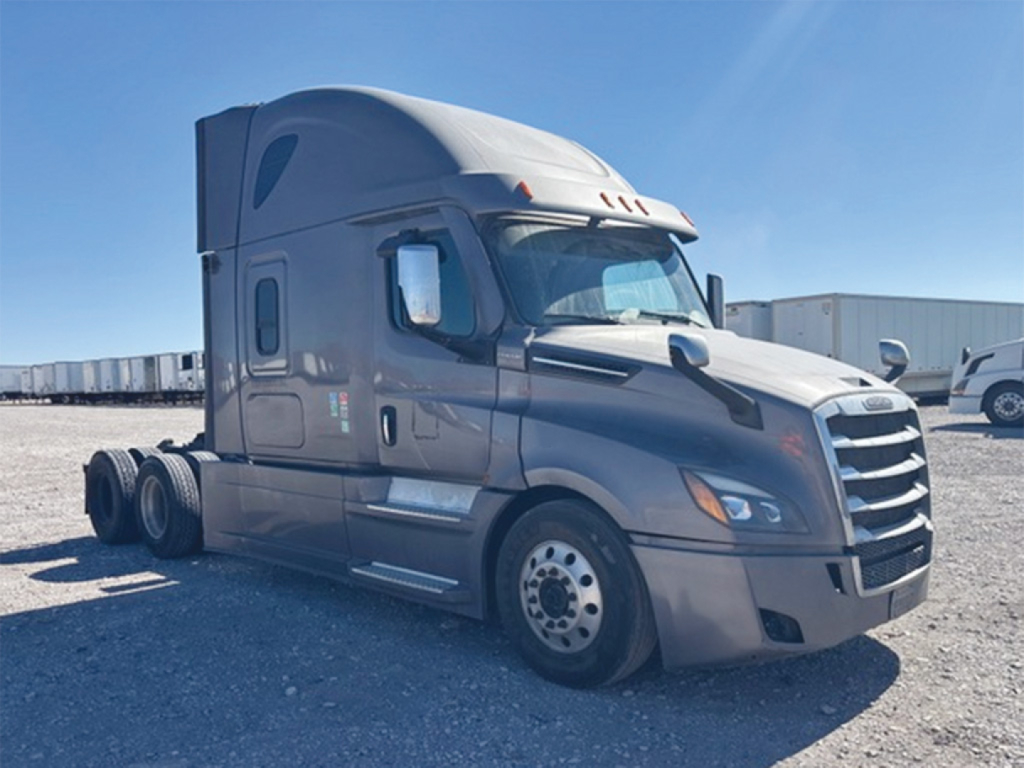
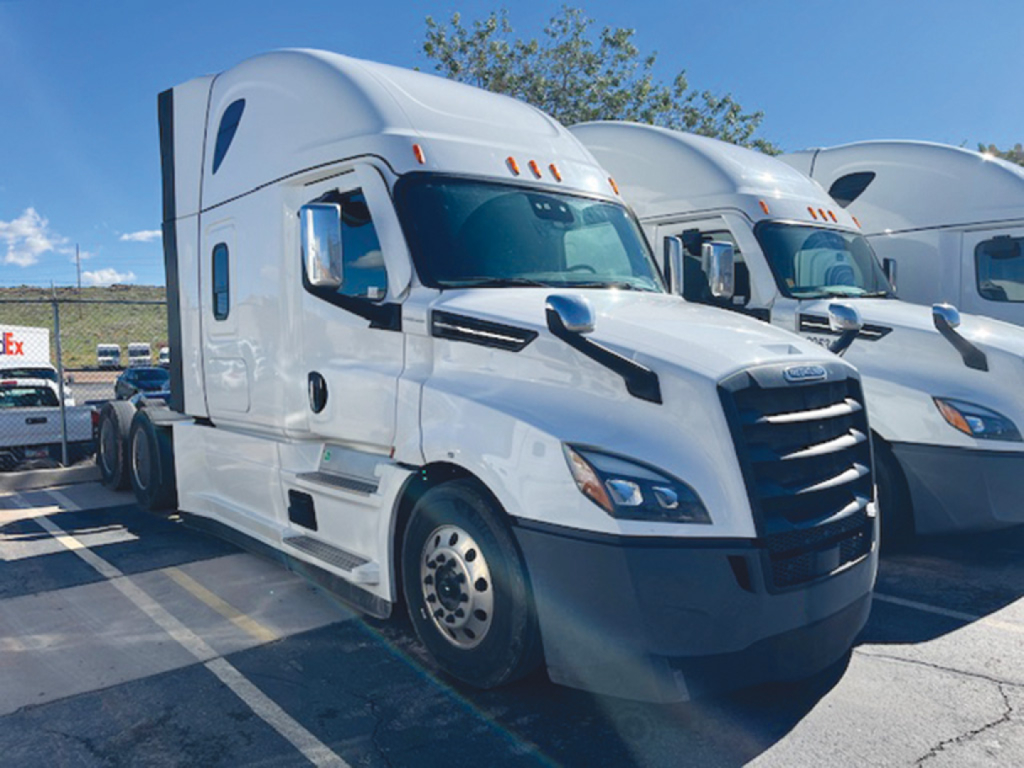

Selling a 2022 conventional sleeper truck? List your 2022 conventional sleeper truck for sale and reach thousands of commercial buyers.
2022 Conventional Sleeper Trucks in Nevada
The biggest buying decisions usually come down to engine, transmission, and rear axle ratio. In 2022 conventional sleeper trucks, common engines include the Detroit DD15, Cummins X15, PACCAR MX-13, and Volvo D13, generally in the 400 to 505 horsepower range. Most fleet-spec trucks from this year use automated transmissions such as the Detroit DT12, Eaton Endurant, or PACCAR automated options, paired with 2.47, 2.64, 2.85, or 3.08 ratios depending on intended speed and load profile. Lower numerical ratios favor fuel mileage on flat interstate lanes, while deeper ratios can be a better fit for heavier gross weights or more frequent mountain work. A buyer should also check wheelbase, fifth-wheel travel, and front axle set-back because those details affect trailer gap, bridge law flexibility, and maneuverability.
Sleeper design matters more than many buyers expect. A 72-inch raised-roof sleeper with upper bunk is common in this class because it gives teams and long-haul solo drivers better storage and living space without moving into larger premium sleeper territory. Useful features in 2022 trucks include bunk heaters, APUs or idle reduction systems, collision mitigation, disc brakes, adaptive cruise, and upgraded interior controls. Fairings, cab extenders, quarter fenders, and horizontal exhaust layouts are also common on highway units because they support cleaner trailer airflow and easier service access. If the truck will spend time in the Southwest, pay attention to cooling system condition, A/C output, tire type, and whether the truck runs low-profile duals or super singles, since those choices affect ride, rolling resistance, and roadside service considerations.
For a used 2022 conventional sleeper, condition is often more important than badge. Service records, aftertreatment history, clutch and transmission calibrations, brake type, suspension design, and telematics data can tell you more than the odometer alone. Look closely at DPF and SCR maintenance, steer tire wear patterns, kingpin-to-back-of-cab clearance, frame drilling, and signs of prior fairing or hood repairs. A well-spec'd 2022 sleeper should deliver a strong balance of emissions-era refinement, driver retention features, and modern safety systems while still being familiar to maintain in a mixed fleet.
Frequently Asked Questions about 2022 Conventional Sleeper Trucks in Nevada
What engine and horsepower range is common in a 2022 conventional sleeper truck?
Most 2022 conventional sleeper trucks are powered by 13-liter to 15-liter diesel engines such as the Detroit DD15, Cummins X15, PACCAR MX-13, or Volvo D13. Horsepower ratings commonly fall between 400 and 505 horsepower, with torque and axle ratio doing just as much as horsepower to determine real-world performance. For general dry van and reefer freight, a 400 to 455 horsepower spec is often enough, while heavier or more mountainous routes may justify a higher output engine or a deeper rear ratio.
Is an automatic transmission standard in 2022 sleeper trucks?
Automated manual transmissions are extremely common in 2022 sleeper trucks and are often the default fleet spec. Systems such as the Detroit DT12 and Eaton Endurant were widely adopted because they improve shift consistency, reduce driver fatigue, and can support better fuel economy than older manual setups when properly matched to the engine and axle ratio. Buyers should still verify software updates, clutch life, and service history because calibration and maintenance have a direct effect on how these transmissions perform.
What sleeper size is best for long-haul use?
A 72-inch raised-roof sleeper is one of the most common and practical choices for long-haul work. It provides enough room for storage, stand-up space in many configurations, and often an upper bunk for team operation without adding unnecessary length or weight. Smaller sleepers can work for regional routes, but drivers who stay out for extended periods usually place a premium on bunk layout, HVAC performance, insulation, and available idle reduction equipment.
What should I inspect first on a used 2022 conventional sleeper truck?
Start with maintenance documentation, engine hours, aftertreatment history, and any diagnostic fault records. Then inspect tire wear, brakes, suspension bushings, steering components, fifth-wheel function, and signs of collision or fairing damage. On a 2022 model, emissions and electronic systems are major value drivers, so it is smart to review DPF cleaning intervals, SCR repairs, software campaigns, and any collision mitigation or radar sensor issues before making a decision.
Are 2022 conventional sleeper trucks a good fit for Nevada routes?
Yes, 2022 conventional sleeper trucks are generally well suited for Nevada freight lanes because they combine highway aerodynamics with the power and comfort needed for long western runs. Features such as strong engine brakes, efficient axle ratios, good cooling performance, and sleeper climate control are especially valuable in Nevada due to steep grades, long distances between stops, and high summer temperatures. Buyers running regularly through the region should also consider fuel capacity, APU spec, and tire setup for interstate durability and heat management.