
2022 Conventional Sleeper Trucks For Sale in Nebraska
Shop 2022 conventional sleeper trucks in Nebraska. Compare high-roof cabs, Cummins and Detroit power, axle ratios, wheelbases, and sleeper specs.
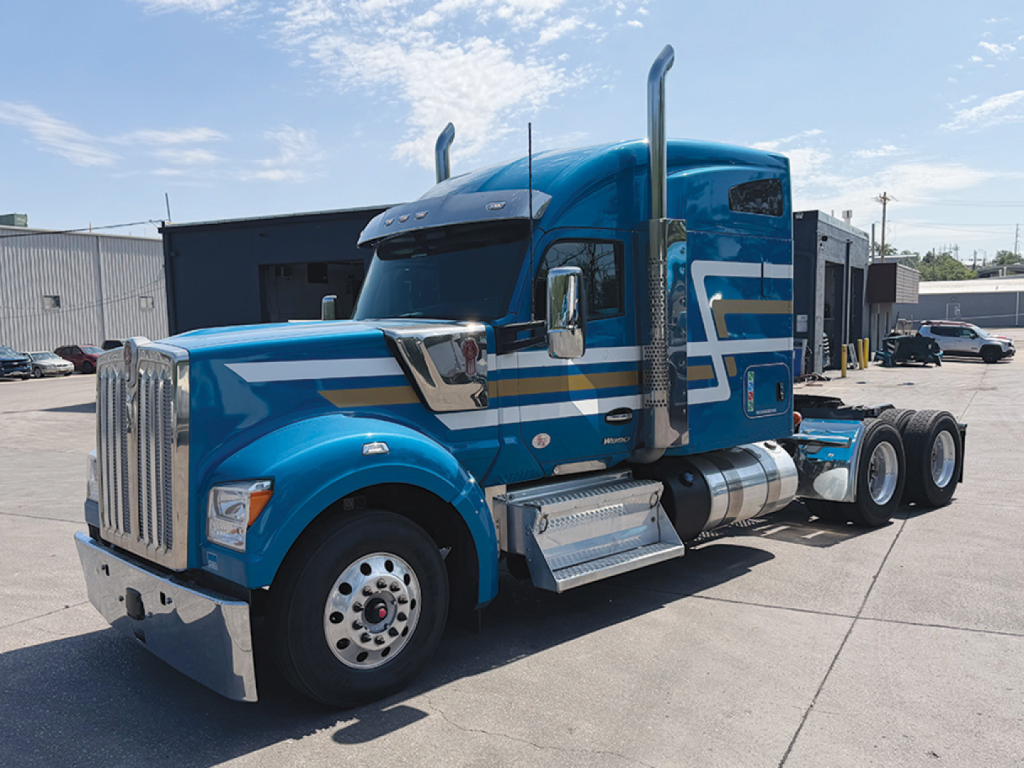
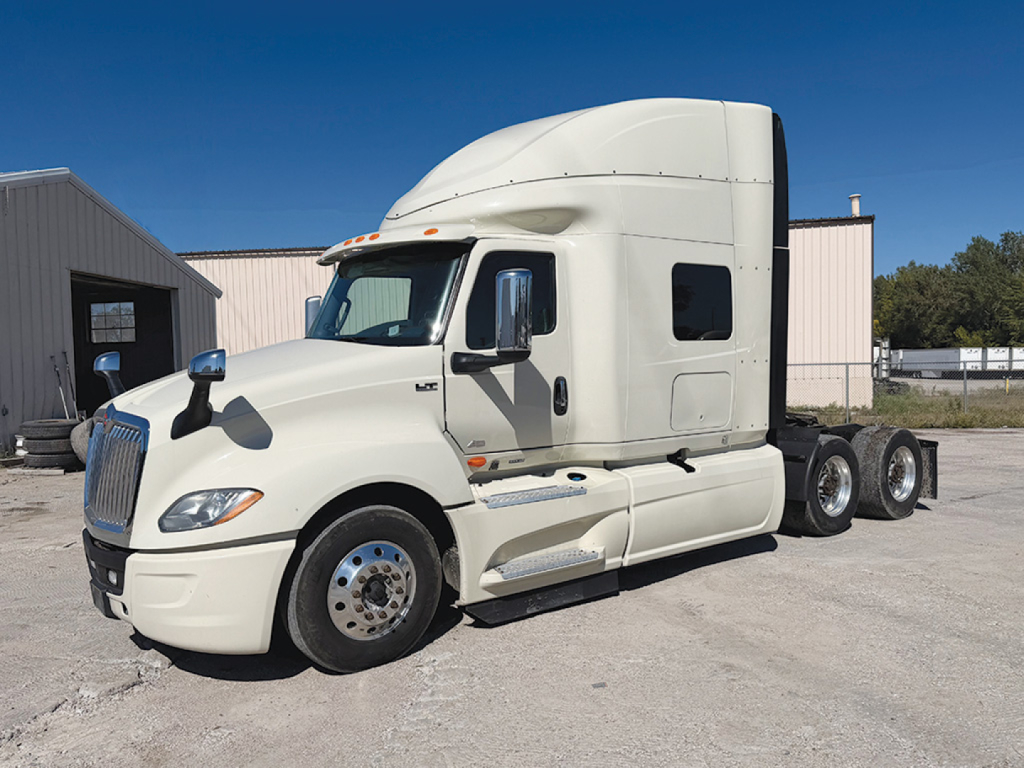
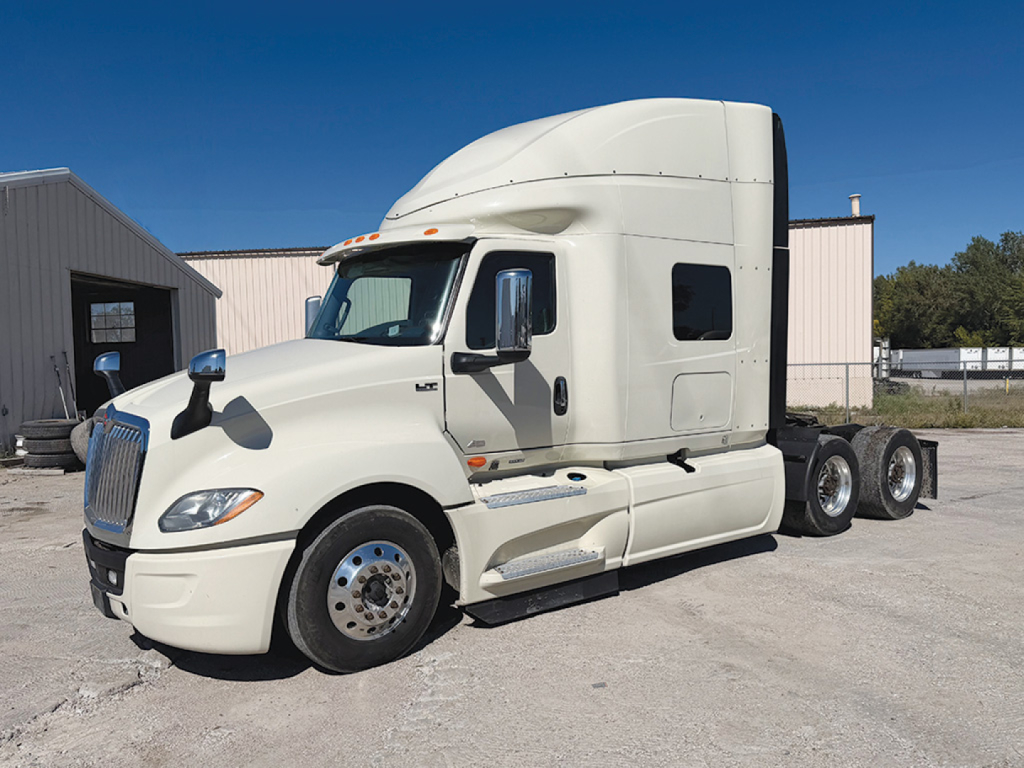
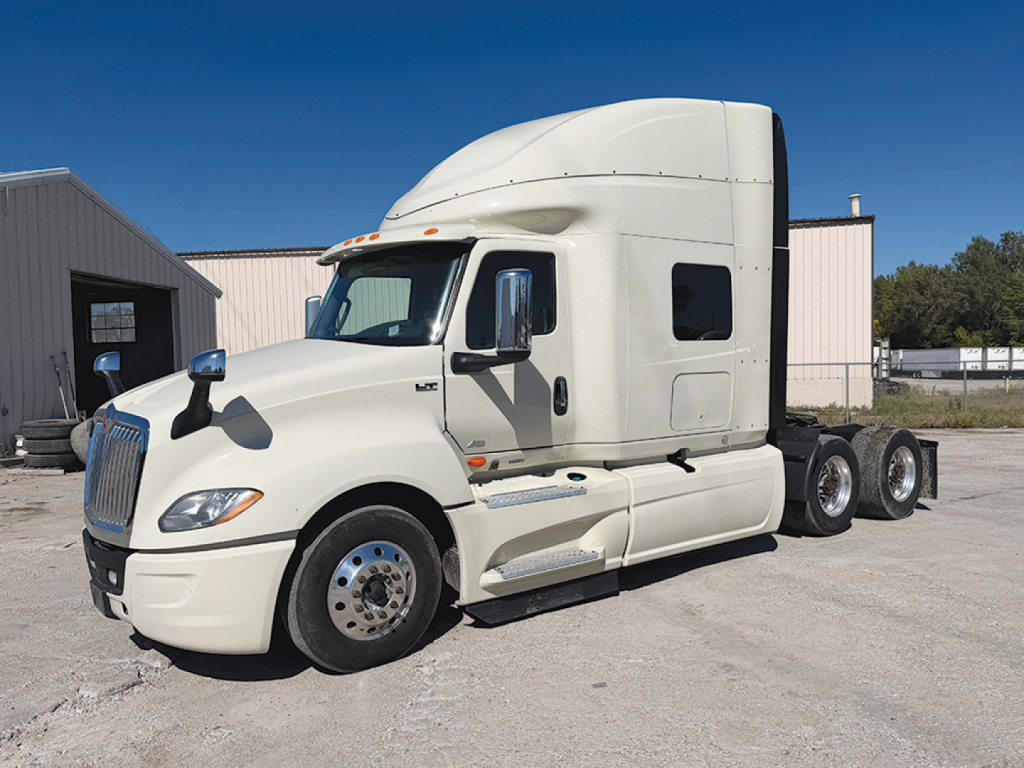
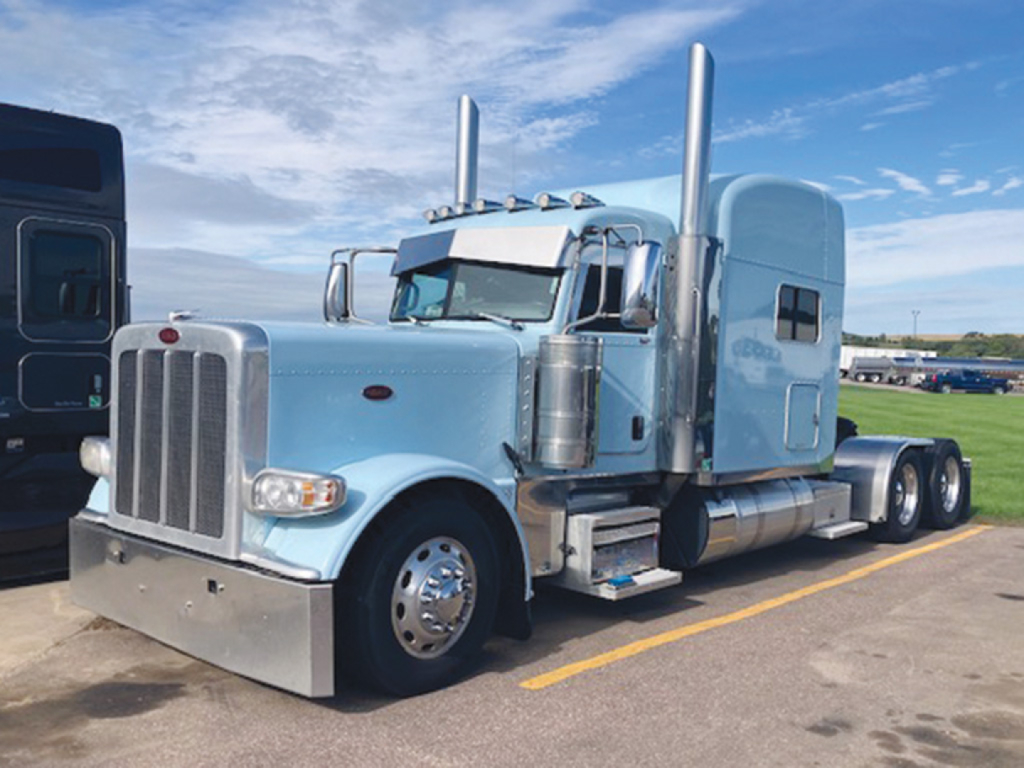

Selling a 2022 conventional sleeper truck? List your 2022 conventional sleeper truck for sale and reach thousands of commercial buyers.
2022 Conventional Sleeper Trucks in Nebraska
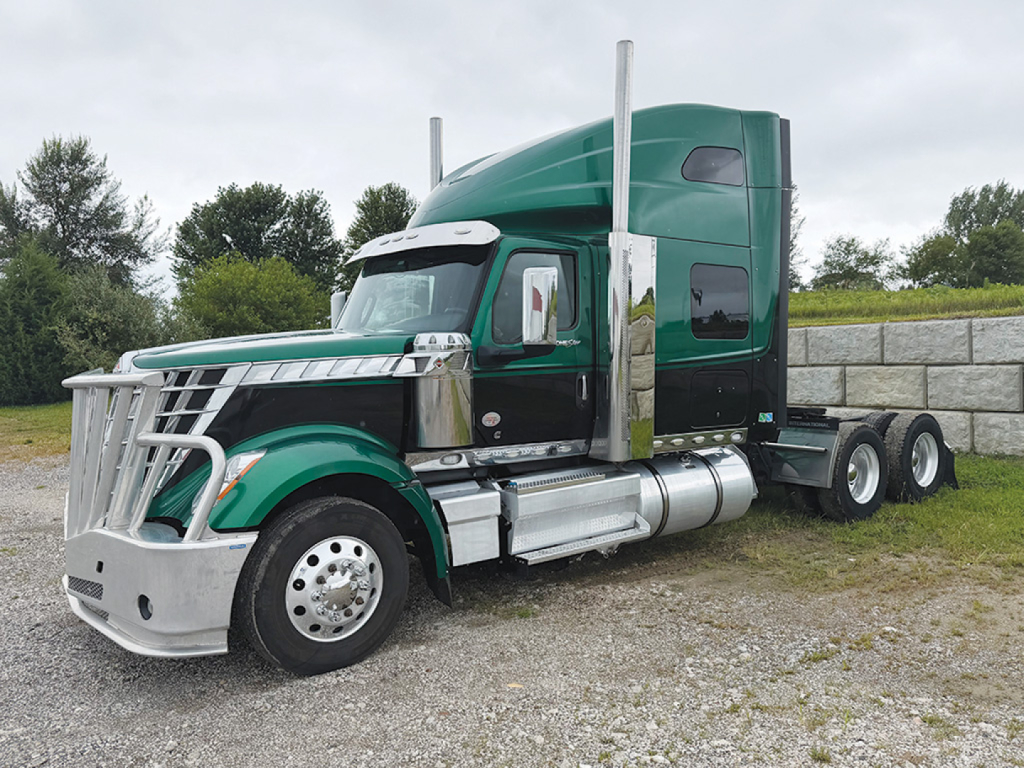
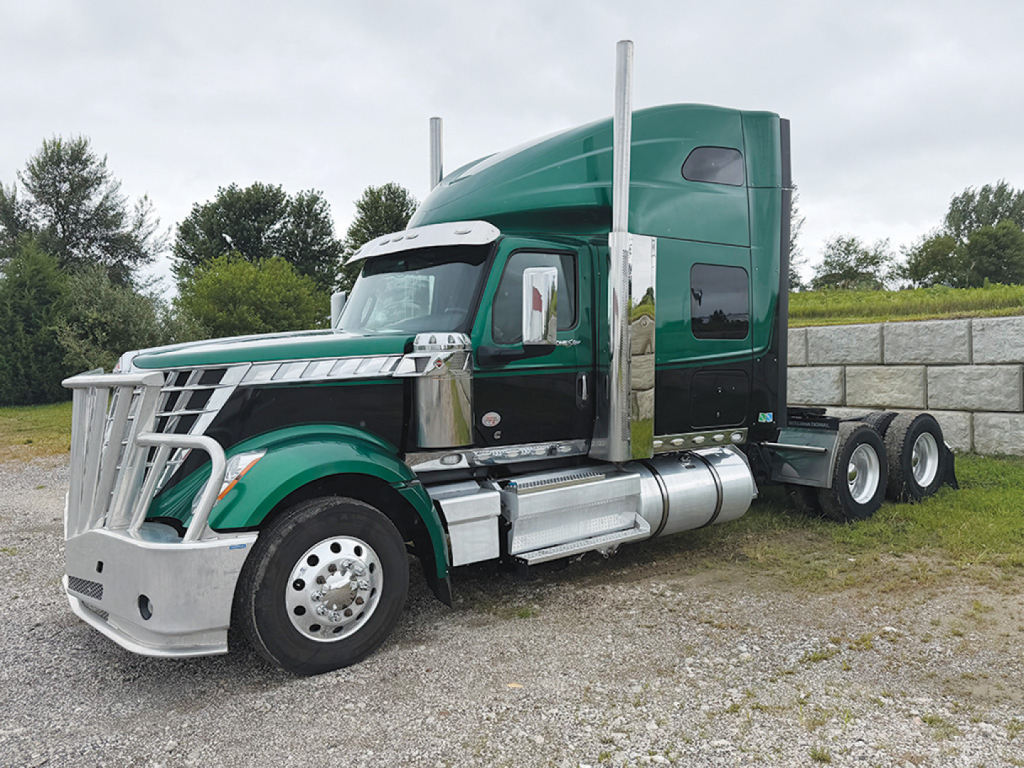
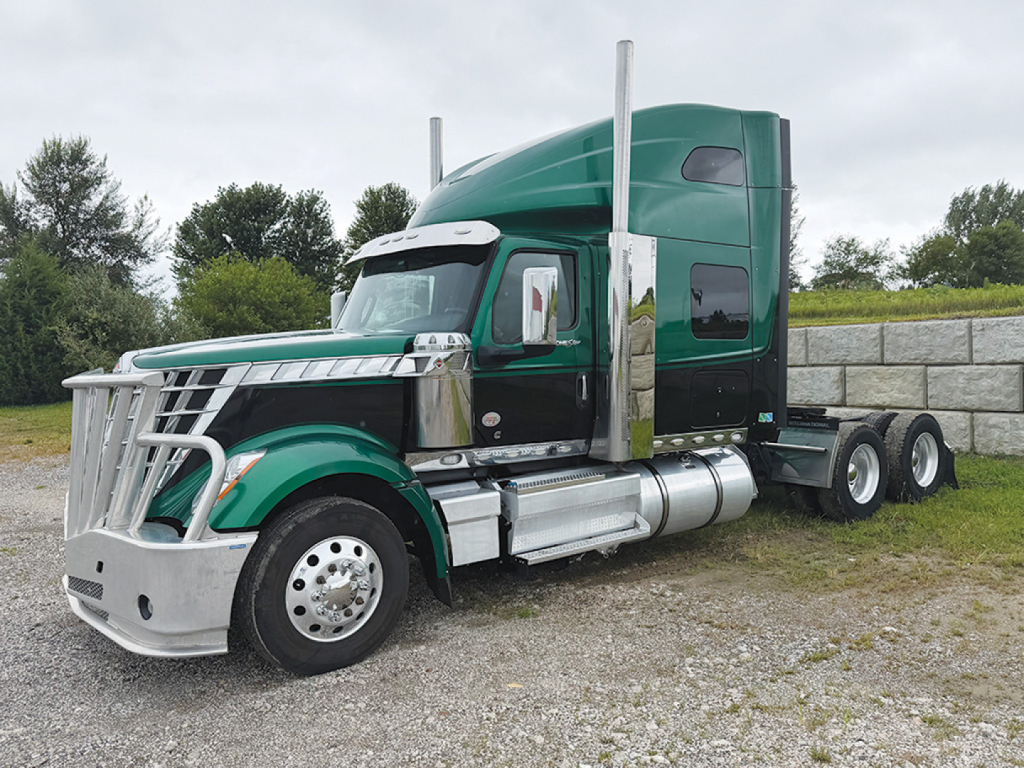
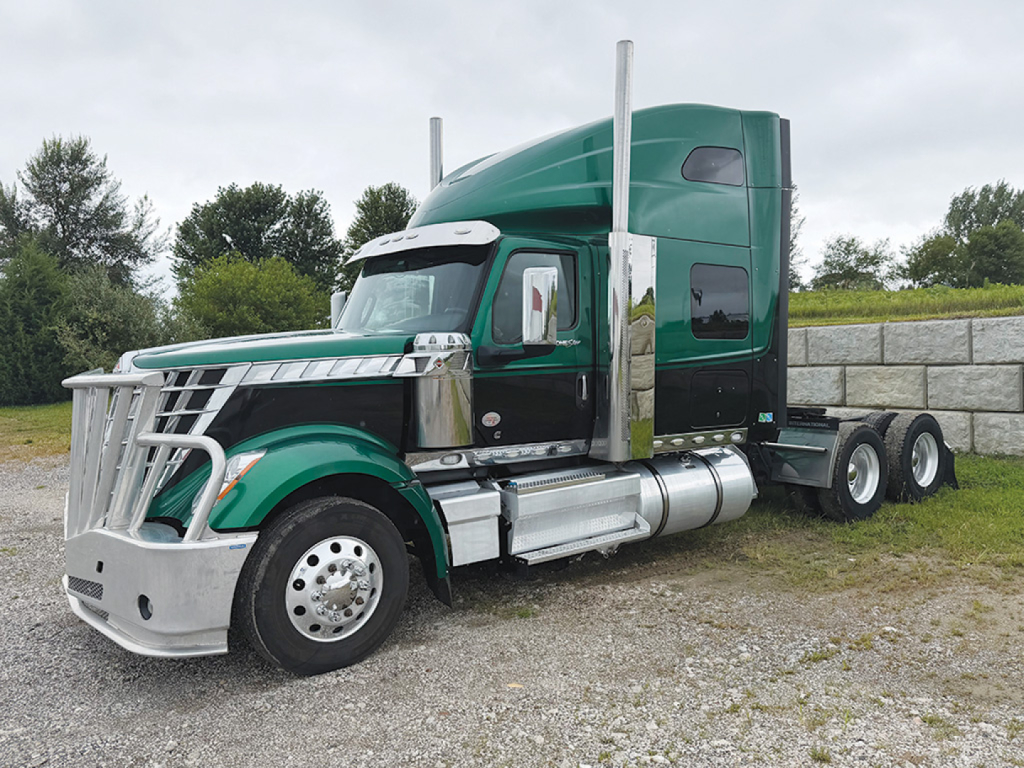
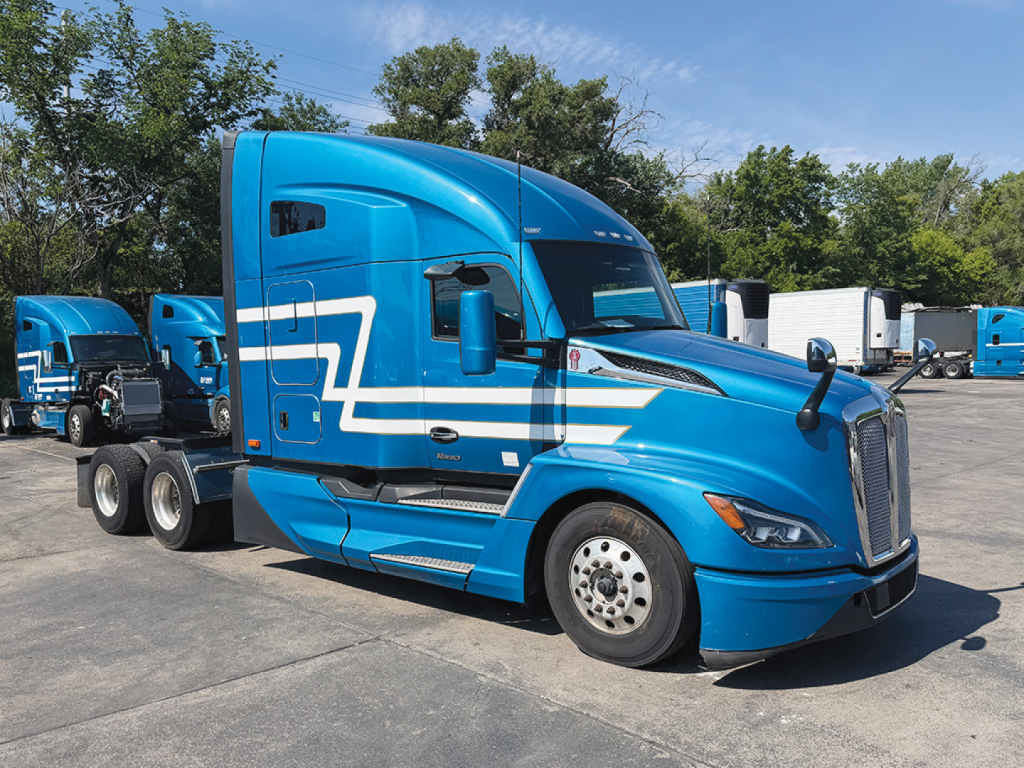
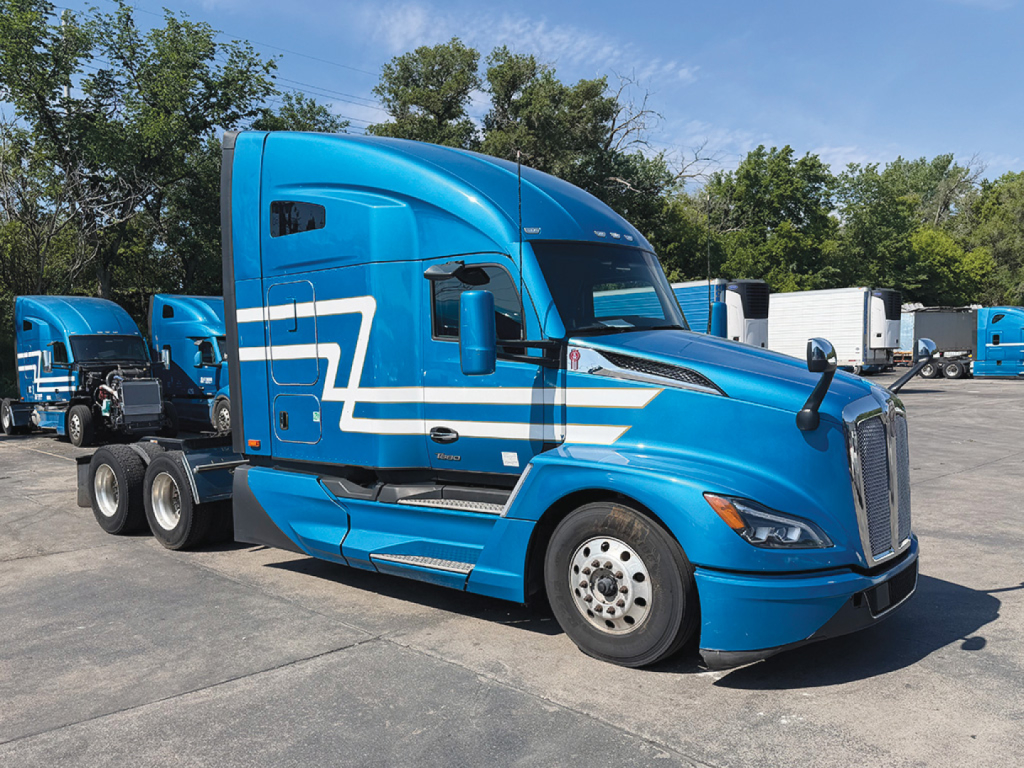
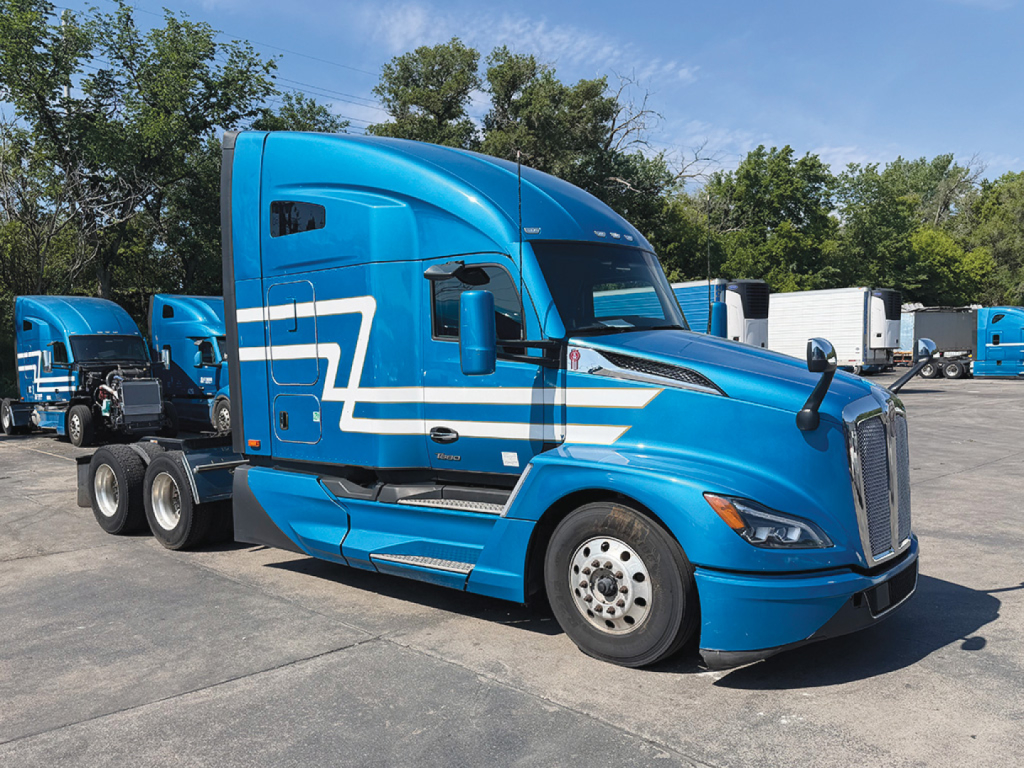
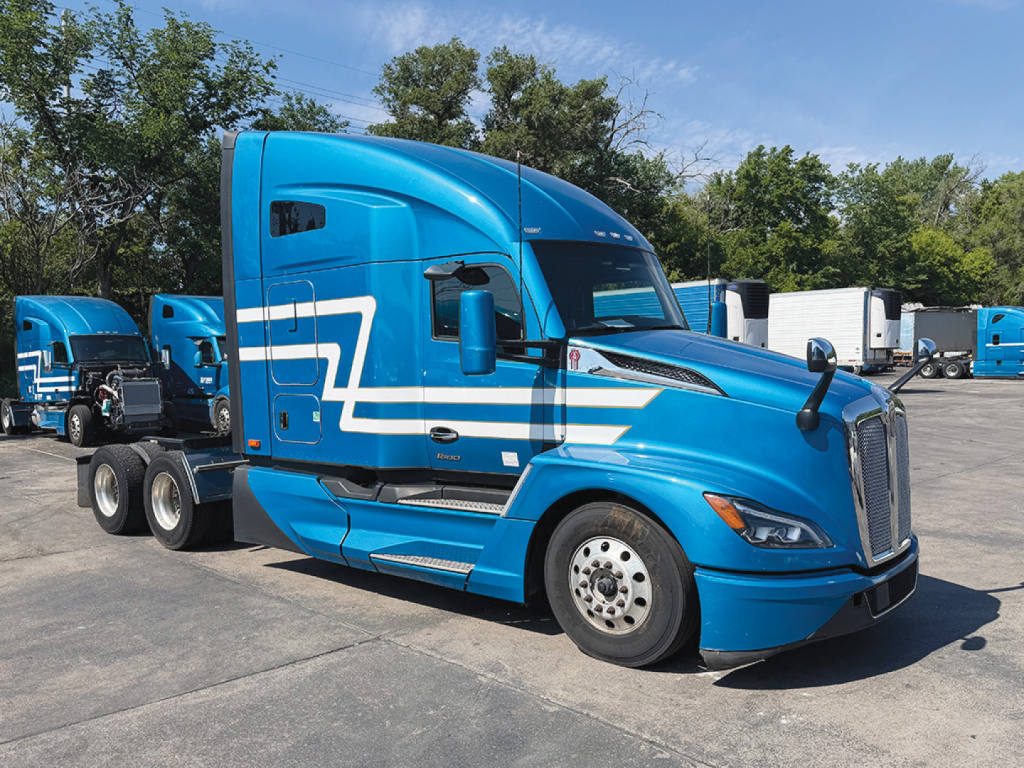
The core spec decisions usually come down to engine rating, transmission type, axle ratio, and wheelbase. A 2022 sleeper in this class commonly carries a Cummins X15 or Detroit diesel in the 400 to 500 horsepower range, paired with either an automated manual transmission or a traditional manual. For general van and reefer work, 400 to 450 horsepower with a tall highway gear set such as 2.64 or 3.08 is often chosen to keep rpm down and improve fuel economy at cruise speed. Buyers running heavier gross weights, more hills, or specialized loads may prefer more horsepower, a deeper rear ratio, or a manual transmission for tighter control. A 40,000 lb rear axle setup remains standard across much of the category, and air ride suspension, sliding fifth wheel assemblies, and disc brakes are common features worth checking closely.
Sleeper configuration matters beyond bunk length. High-roof and raised-roof sleepers can include upper bunks, bunk heaters, refrigerators, APUs, and more usable standing room for teams or drivers spending extended time in the cab. Fuel capacity is another major buying point, especially on western and Midwestern lanes where long stretches between stops can make dual aluminum tanks a real advantage. Aerodynamic fairings, cab extenders, horizontal exhaust, and low-profile 22.5 tires are typical on efficiency-focused trucks, while wheelbase in the mid-220s to 280 inches can affect trailer swing clearance, ride quality, and maneuverability. Safety and driver-assist equipment also became more common by 2022, including collision mitigation systems, improved telematics integration, and upgraded interior controls.
For a used 2022 conventional sleeper, the smartest comparison is not just mileage or brand. Look at maintenance history, aftertreatment performance, clutch and transmission behavior, brake type, tire spec, and any idle-reduction equipment already installed. Confirm the sleeper layout works for the run, the axle ratio matches your cruise speed targets, and the wheelbase fits the trailer lengths and docks you use every week. A well-matched 2022 sleeper truck can still offer modern emissions technology, strong resale appeal, and a comfortable long-haul platform without the premium of a new unit.
Frequently Asked Questions about 2022 Conventional Sleeper Trucks in Nebraska
What is a conventional sleeper truck used for?
A conventional sleeper truck is designed for long-haul and regional freight where the driver needs a built-in sleeping compartment behind the cab. These trucks are commonly used for dry van, refrigerated, flatbed, and dedicated contract freight. The sleeper allows legal rest breaks on the road and usually adds storage, climate control, and room for appliances or an upper bunk.
What engine and transmission specs are common in 2022 conventional sleeper trucks?
Many 2022 conventional sleepers are equipped with diesel engines in the 400 to 500 horsepower range, most often Cummins X15 or Detroit platforms in this class. Automated manual transmissions are very common because they help with fuel economy, driver training, and resale, though some trucks still carry manual 13-speed or 18-speed transmissions. Rear axle ratios such as 2.64, 3.08, 3.36, or 3.73 are chosen based on highway speed, terrain, and payload needs.
How do I choose the right sleeper size?
The right sleeper size depends on how many nights the truck stays out and how much in-cab living space the driver needs. A 72-inch to 78-inch sleeper is common for over-the-road work because it provides room for a bunk, storage, and often standing height in a raised-roof or high-roof configuration. Team operations or drivers on extended runs may want an upper bunk, refrigerator, APU, and bunk heater already installed.
Are aerodynamic sleepers better than long-hood conventional sleepers?
Aerodynamic sleepers usually offer better fuel economy, lighter weight, and easier integration with fleet safety systems and fairings. Long-hood conventionals tend to attract buyers who value traditional styling, service access, and certain vocational or owner-operator preferences. The better choice depends on your operating cost goals, the image you want to present, and the kind of freight and routes you run.
What should I inspect on a used 2022 conventional sleeper truck?
Focus on service records, engine fault history, emissions system performance, transmission operation, suspension condition, and brake wear. Check tire size and remaining tread, verify the fifth wheel slides and locks correctly, and inspect the sleeper for HVAC performance, bunk equipment, and signs of water intrusion. It is also smart to confirm axle ratio, wheelbase, and fuel capacity so the truck matches your planned lanes and trailer setup.