
2021 Conventional Sleeper Trucks For Sale in Tennessee
Compare 2021 conventional sleeper trucks for sale in Tennessee by route gearing, emissions history, sleeper layout and factory warranty status.
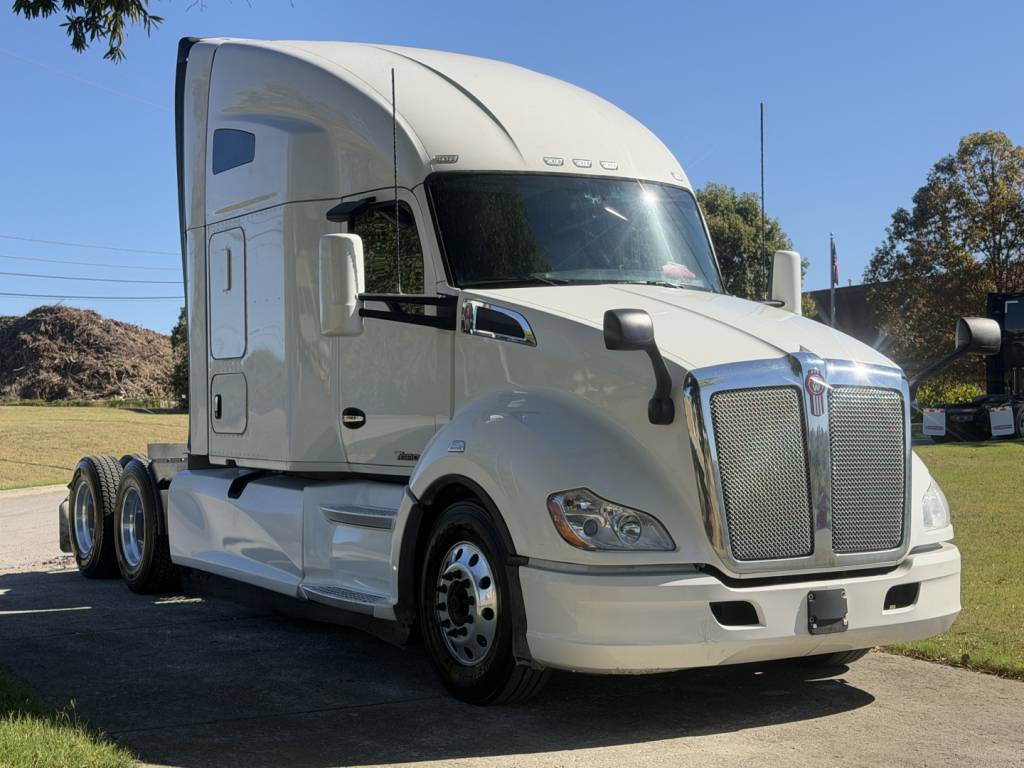
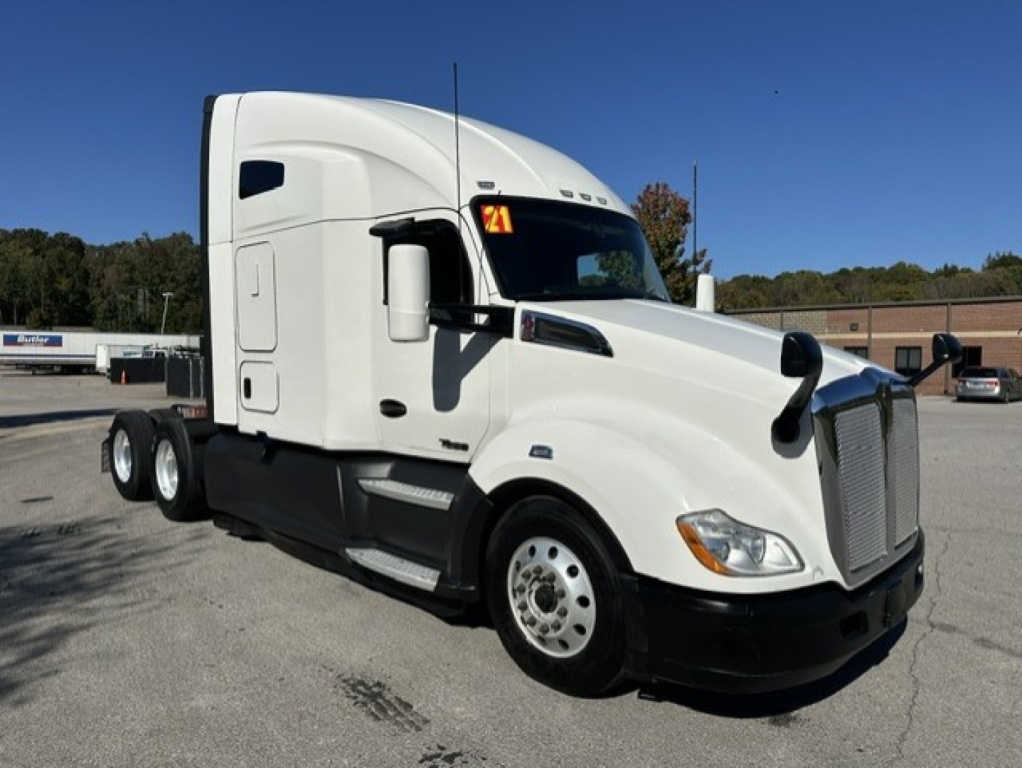
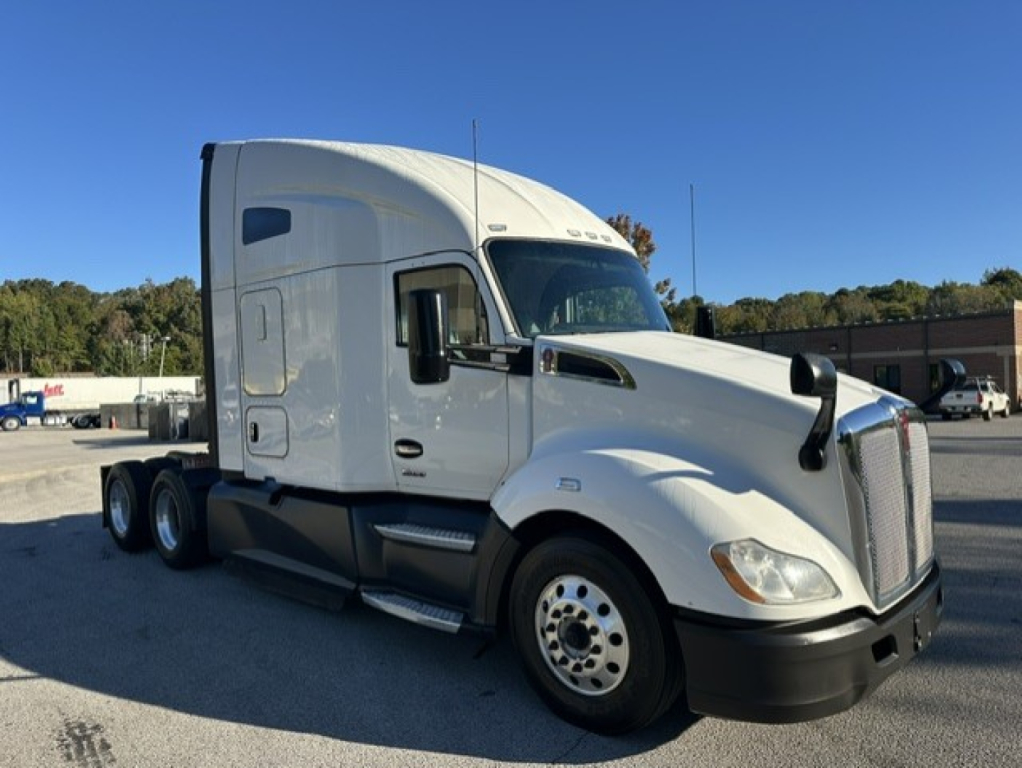
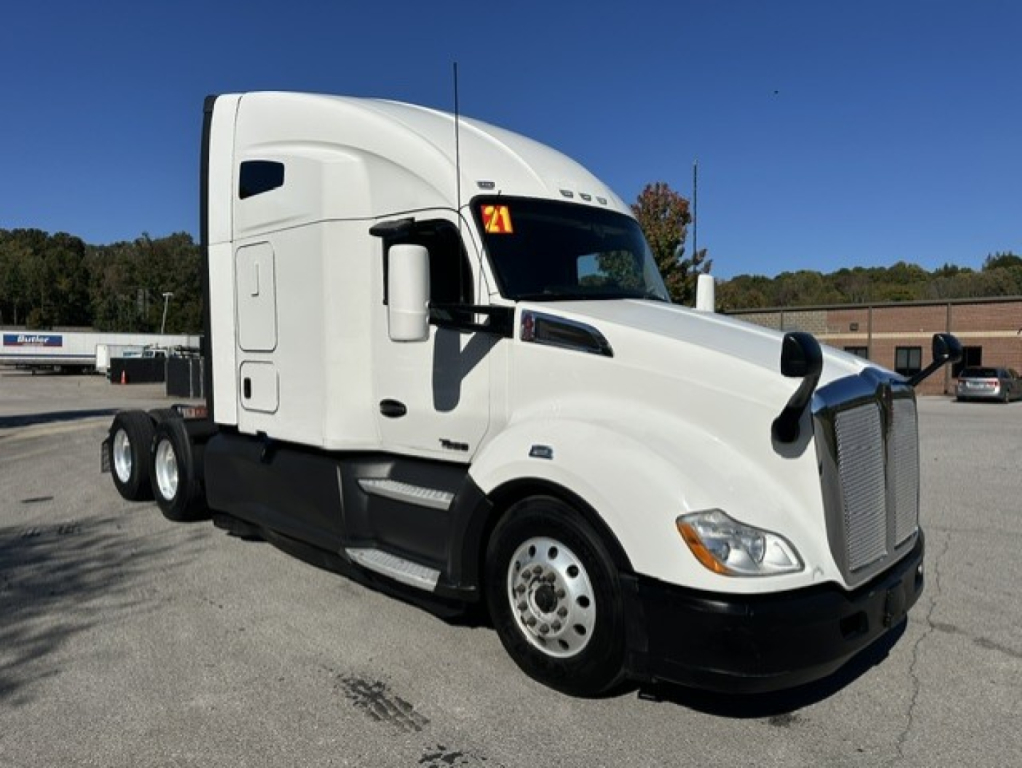
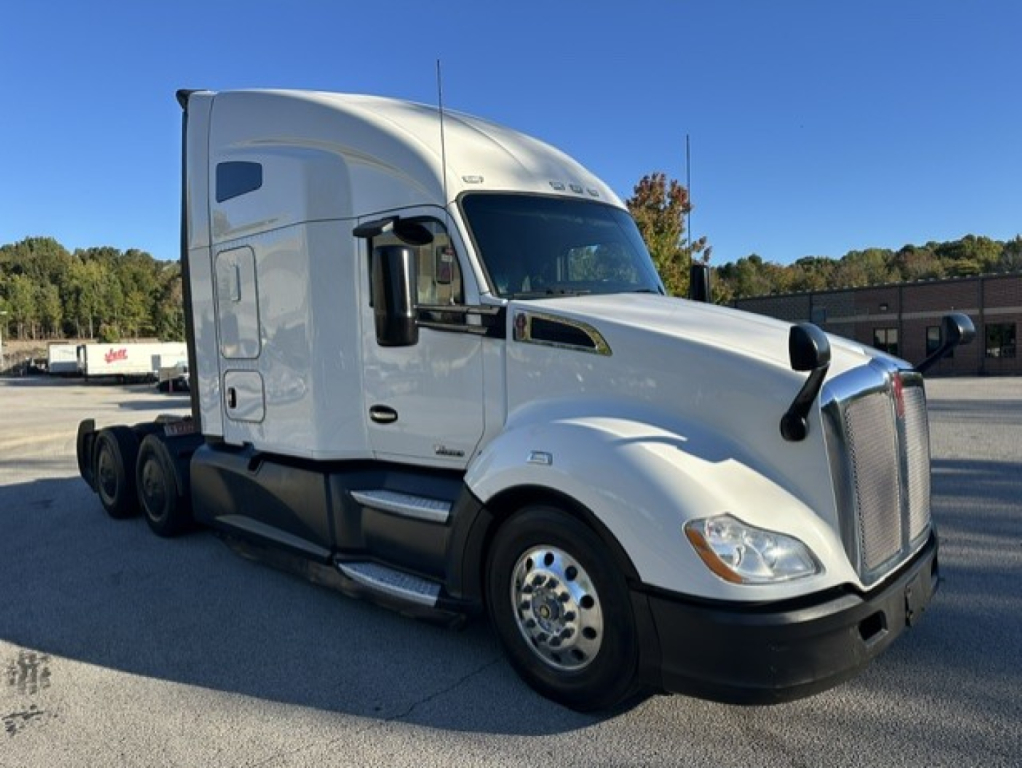
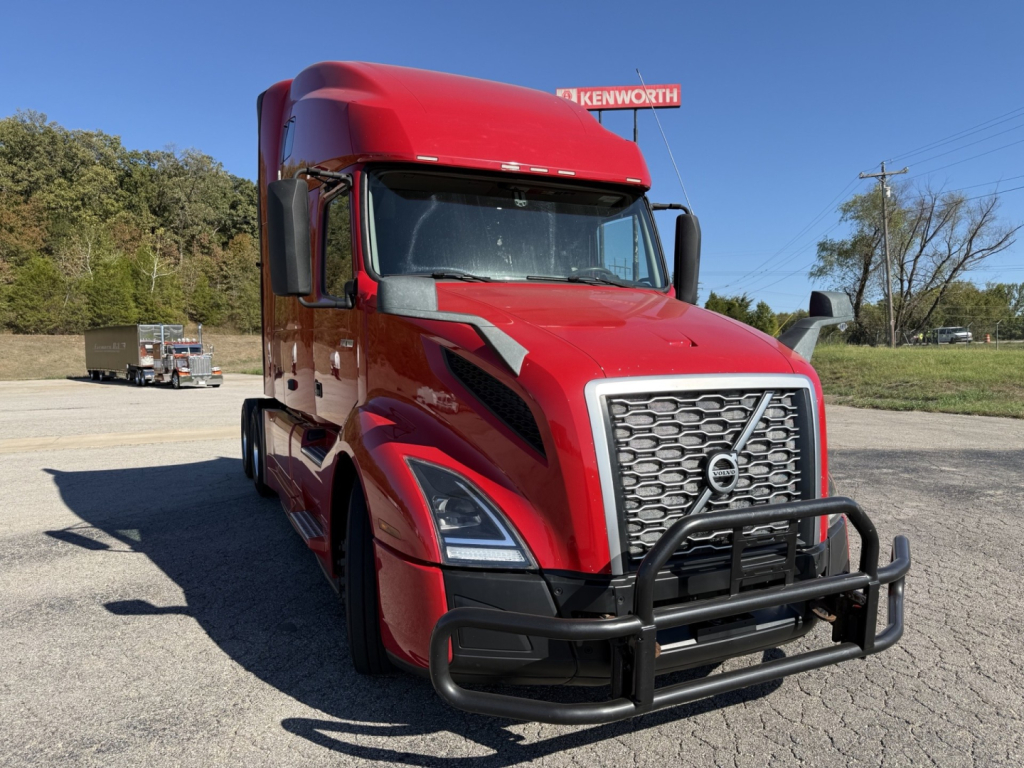
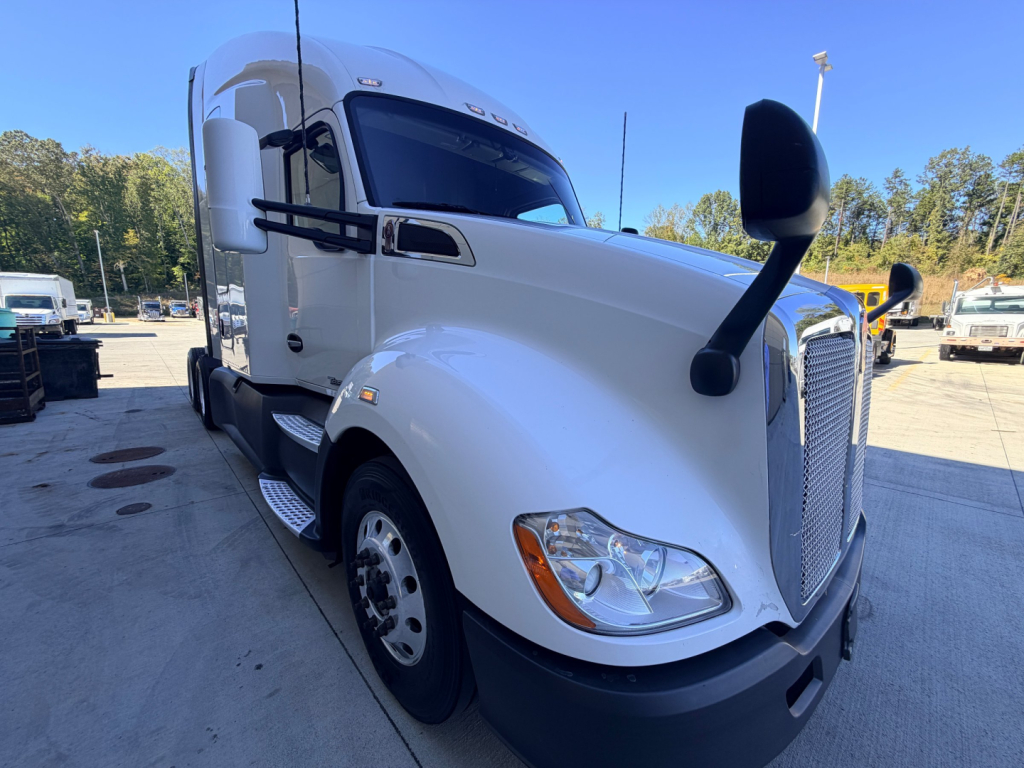
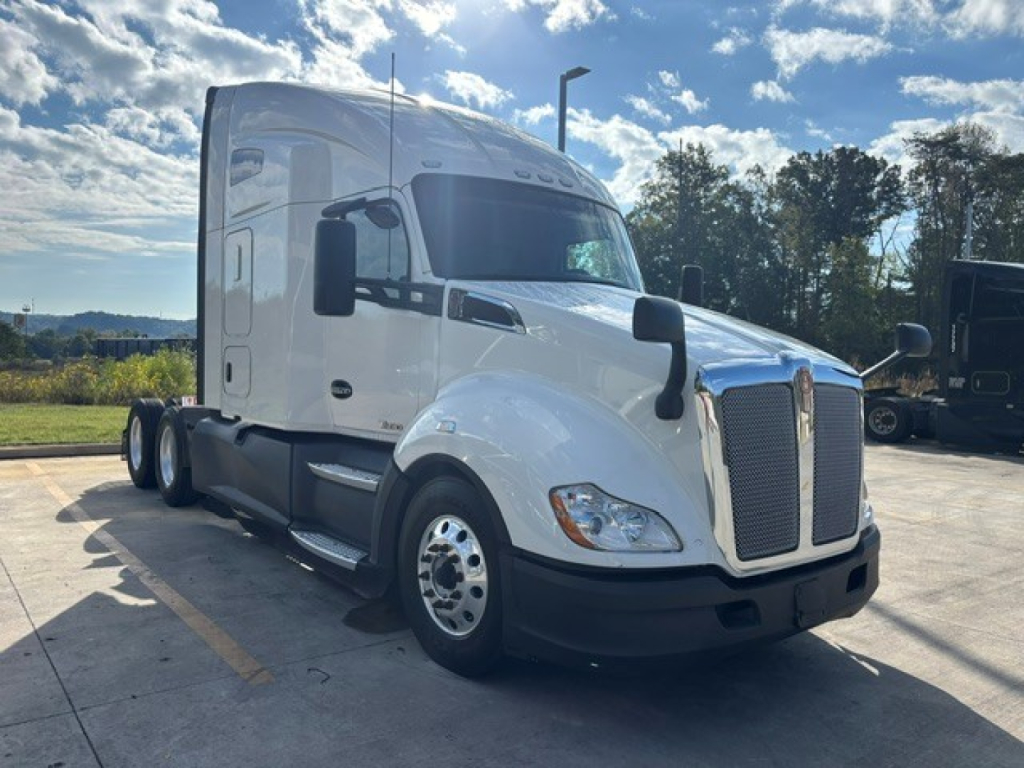
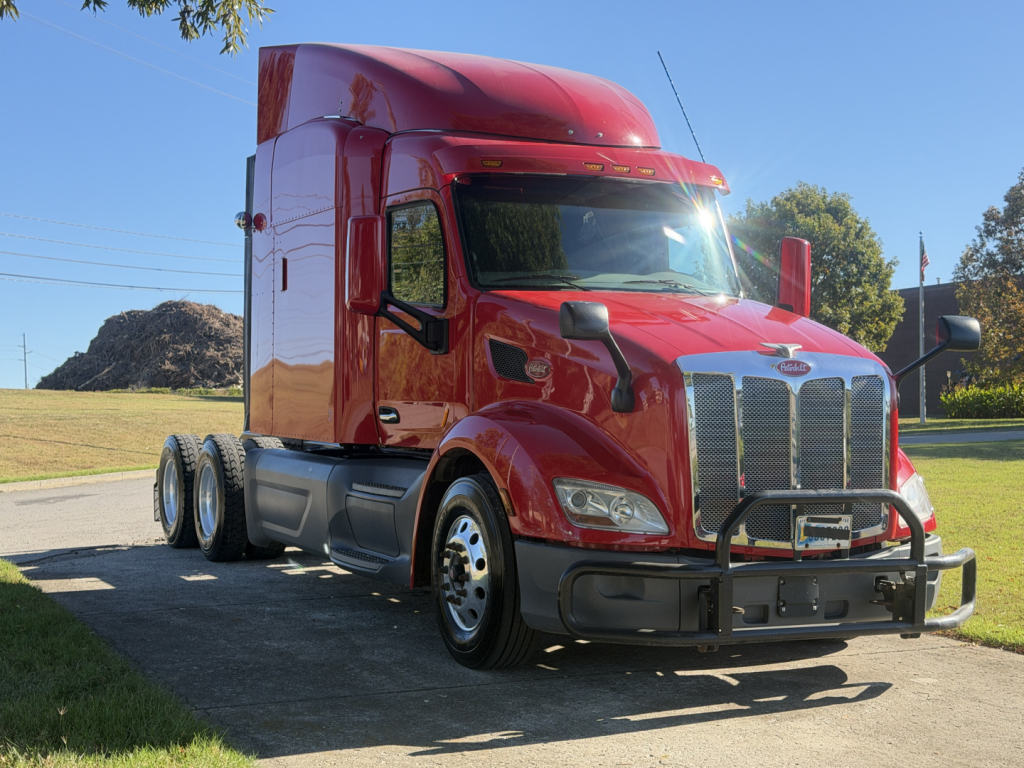
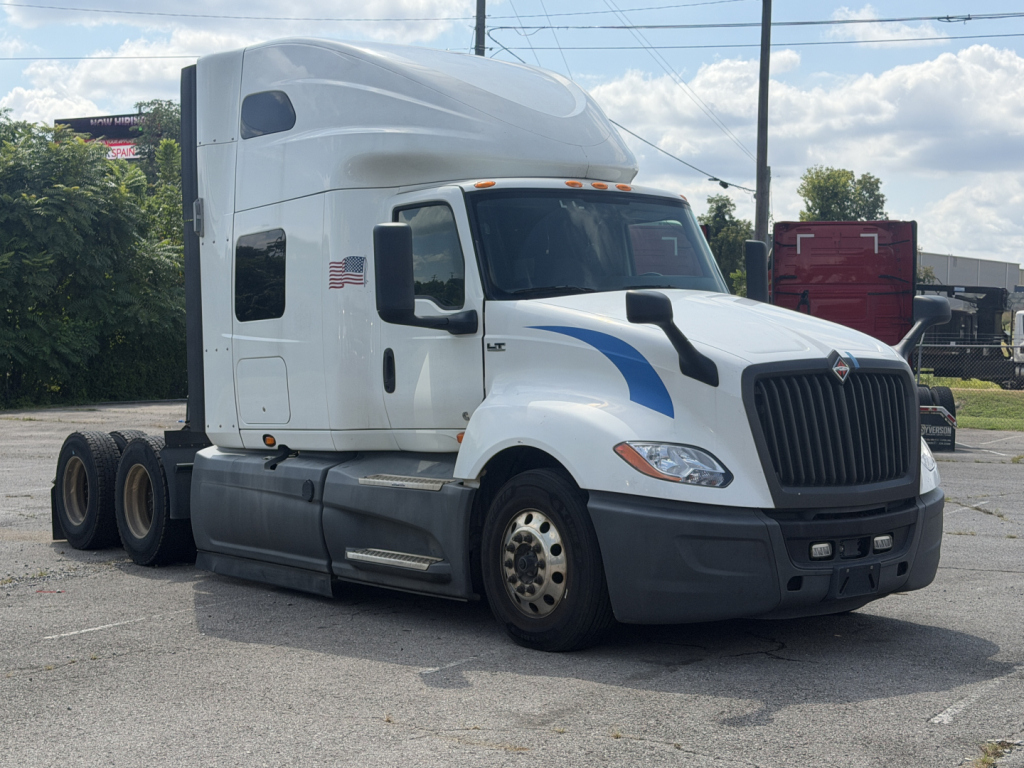
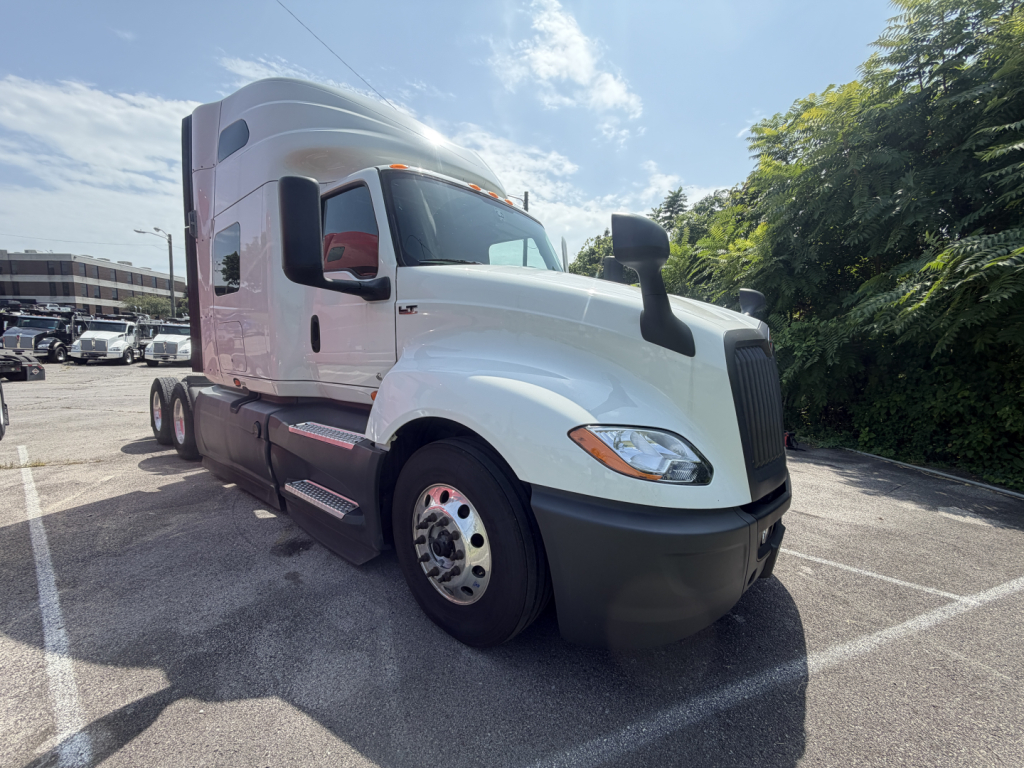

Selling a 2021 conventional sleeper truck? List your 2021 conventional sleeper truck for sale and reach thousands of commercial buyers.
2021 Conventional Sleeper Trucks in Tennessee
Across makes, 2021 choices include Freightliner Cascadia tractors with Detroit DD13 or DD15 engines and DT12 automated transmissions, Volvo VNL tractors with D13 engines and I-Shift transmissions, and Peterbilt 579 or Kenworth T680 tractors using PACCAR MX-13 power. International LT models commonly pair the Cummins X15 with an Eaton automated transmission. Verify each tractor's build sheet because engine and transmission options vary.
Model year 2021 belongs to the DPF, SCR and DEF emissions era and the first stage of federal Phase 2 greenhouse-gas standards. On used tractors, reconcile ECM mileage and engine hours with service records, then review regeneration frequency, fault history, DPF cleaning and emissions repairs. Inspect cooling-system condition, turbocharger plumbing, oil leaks and automated-transmission clutch operation. Tennessee's heat and humidity make cab air conditioning and sleeper climate control practical inspection priorities. Check frame rails, crossmembers, brake plumbing and electrical connectors for corrosion, especially on tractors previously operated in northern salt-belt fleets.
A 2021 tractor represented as new still needs a storage-condition inspection covering tire age, batteries, seals and fluids. Confirm the original axle ratings, gearing and sleeper equipment before planning modifications, and get the warranty start date and coverage in writing. The 12% federal excise tax may apply to the taxable sale of a qualifying new heavy truck, so verify tax treatment rather than assuming model year settles it.
Frequently Asked Questions about 2021 Conventional Sleeper Trucks in Tennessee
Do I need a sliding fifth wheel on a 2021 sleeper tractor?
A sliding fifth wheel is useful when a 2021 sleeper tractor must accommodate different trailers or adjust steer and drive axle loading. Moving the fifth wheel forward generally transfers weight from the drive axles to the steer axle. Check adjustment travel, locking pins, air release operation and cab-to-trailer clearance. A slider cannot correct excessive gross weight or replace proper trailer tandem positioning.
Is a deleted 2021 sleeper truck legal to run in Tennessee?
No. Removing or disabling factory emissions controls on a 2021 highway sleeper tractor violates federal anti-tampering law, including in Tennessee. A clean dashboard does not prove the DPF and SCR systems are intact. Have a qualified shop inspect the exhaust hardware and ECM programming before purchase, and establish what restoring the certified configuration would require.
Can a sleeper tractor haul 80,000 pounds on Tennessee highways?
A standard tractor-trailer combination on Tennessee Interstates can generally operate at 80,000 pounds gross when axle weights and spacing comply. Standard federal limits include 20,000 pounds on a single axle and 34,000 pounds on a tandem, with the bridge formula also controlling allowable weight. Check registration, tire capacities, equipment ratings and route restrictions before assigning a 2021 sleeper tractor to that load.
What should I inspect on the APU of a used 2021 sleeper tractor?
Run the APU under a sustained heating or cooling load, not just long enough to confirm that it starts. On a used 2021 sleeper tractor, check APU hours, service records, coolant and oil leaks, belt condition, electrical output and sleeper temperature control. Inspect mounting brackets and exhaust routing, and test any shore-power connection separately. Main-engine maintenance records do not establish APU condition.
Does a 2021 sleeper tractor need an ELD for Tennessee regional work?
A 2021 sleeper tractor used in interstate commerce generally needs an ELD when its driver must maintain records of duty status. Drivers qualifying for the federal short-haul exception can use time records instead, provided they meet the 150-air-mile radius, return-to-reporting-location and 14-hour requirements. Another limited exception covers drivers needing paper logs no more than eight days in any 30-day period.