
2021 Conventional Sleeper Trucks For Sale in Missouri
Compare 2021 conventional sleeper trucks for sale in Missouri by gearing, aftertreatment history, winter corrosion, and sleeper layout for highway work.
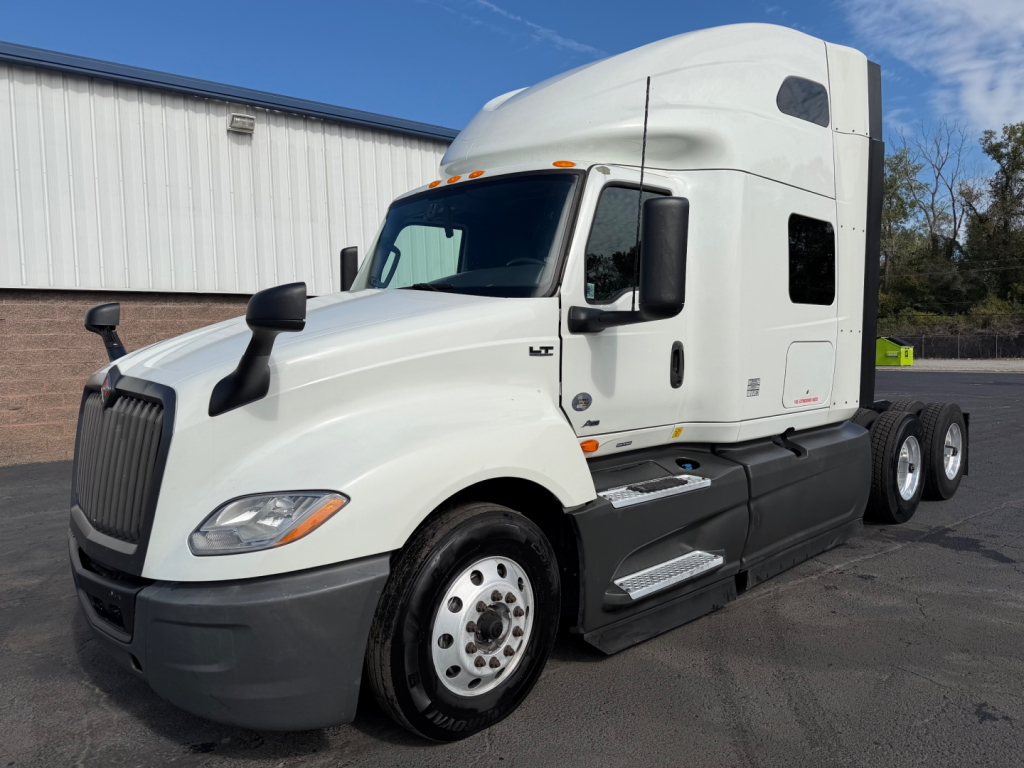
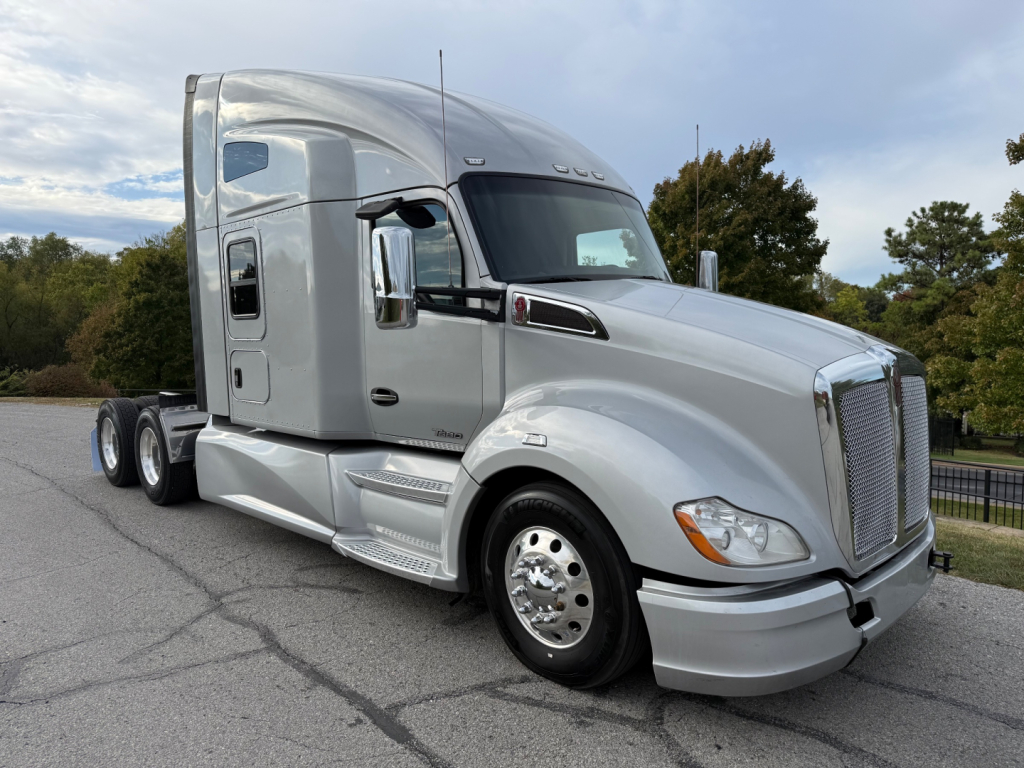
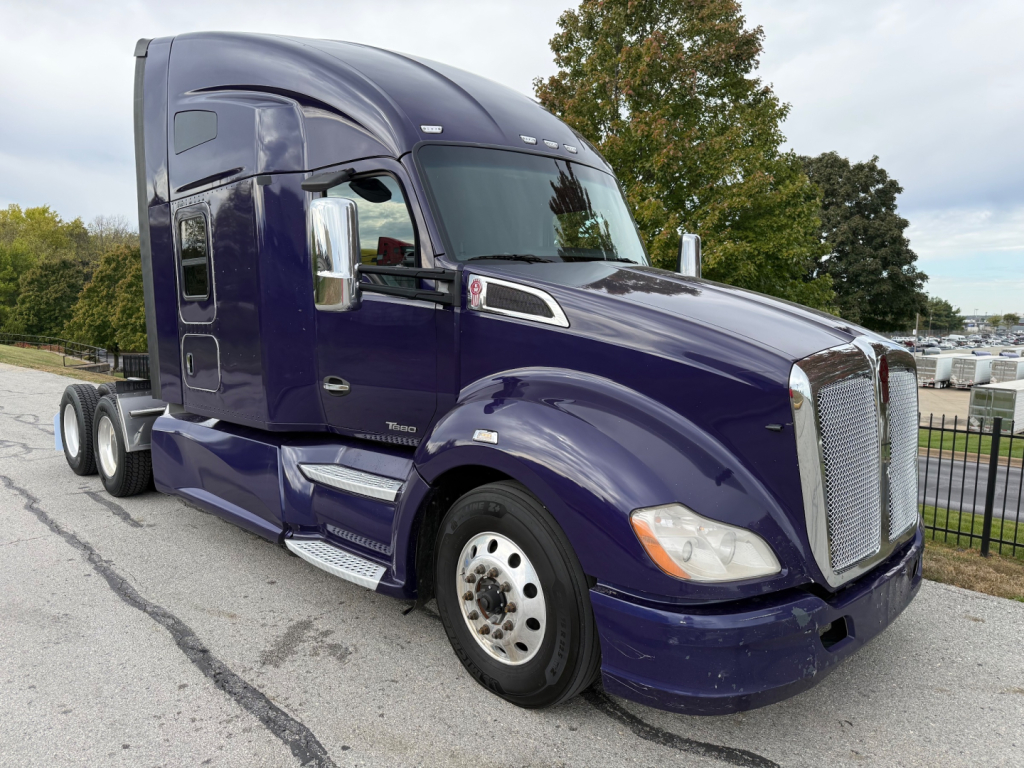
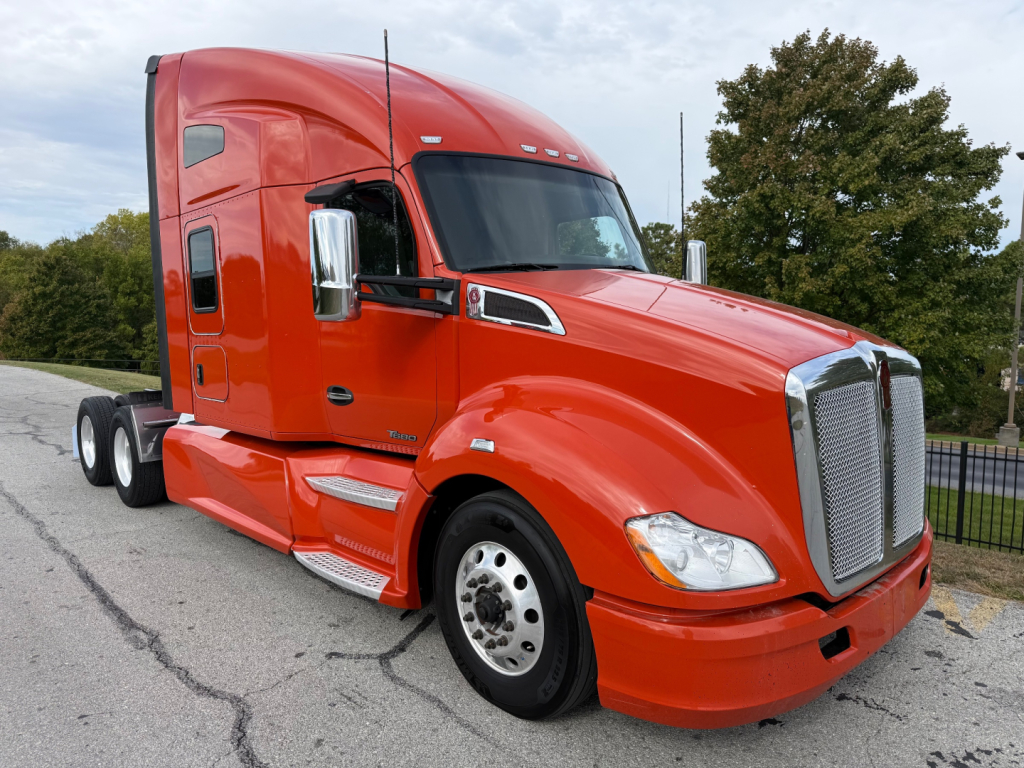
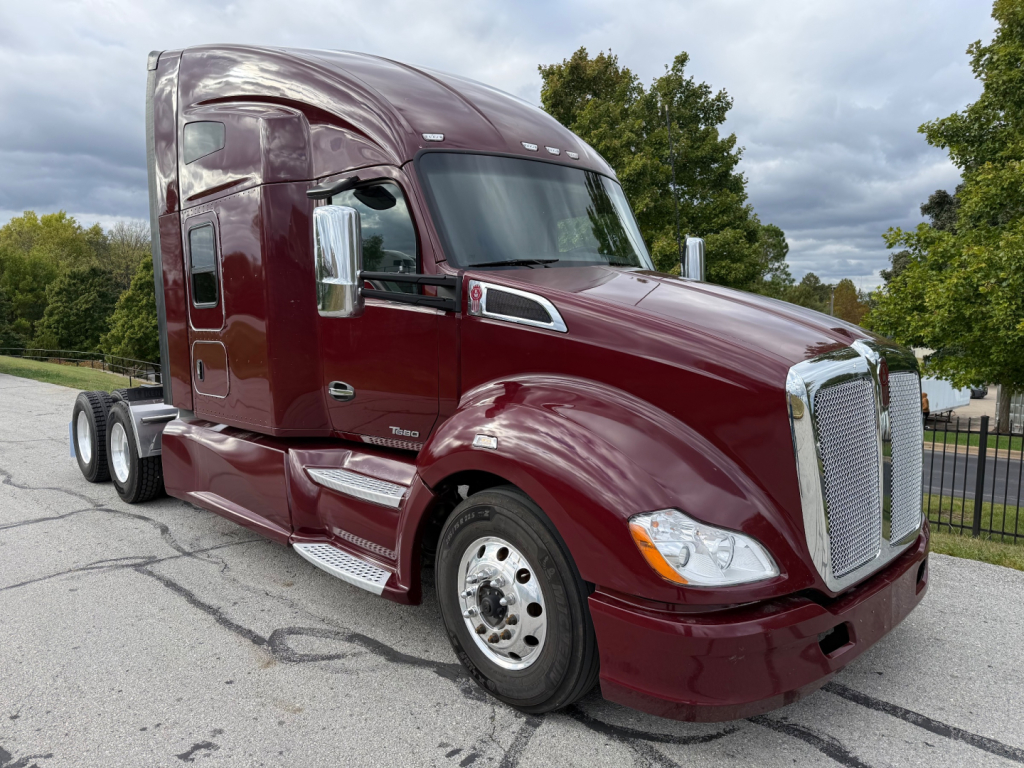

Selling a 2021 conventional sleeper truck? List your 2021 conventional sleeper truck for sale and reach thousands of commercial buyers.
2021 Conventional Sleeper Trucks in Missouri
The 2021 model year begins federal Phase 2 greenhouse-gas standards for heavy tractors; diesel versions use DPF and SCR aftertreatment with DEF. On used trucks, reconcile ECM miles and idle hours with service records, verify DPF cleaning history, and inspect emissions faults, transmission operation, and cooling systems. Missouri winter deicing exposure warrants close inspection of frame rails, brake plumbing, and electrical connectors. For a truck represented as new, confirm its original build sheet, storage maintenance, and warranty start date rather than assuming full coverage. A qualifying first retail sale of a new heavy tractor generally carries 12% federal excise tax.
Frequently Asked Questions about 2021 Conventional Sleeper Trucks in Missouri
Which engines should I compare in a 2021 sleeper tractor?
Detroit DD15, Cummins X15, PACCAR MX-13, and Volvo D13 engines are useful comparison points for 2021 sleeper tractors. Freightliner Cascadia configurations commonly pair the DD15 with a DT12 transmission, while Volvo VNL configurations commonly pair the D13 with I-Shift. Kenworth and Peterbilt offer PACCAR and Cummins engine configurations. Compare the actual torque rating, transmission model, and axle gearing rather than choosing by horsepower alone.
What should an ECM download show on a used 2021 sleeper truck?
Total engine hours, idle hours, and stored fault history are key ECM checks on a used 2021 conventional sleeper tractor. Compare electronic mileage with the odometer and dated repair invoices, and request regeneration information where the diagnostic system supports it. Recently cleared faults do not prove the aftertreatment system is healthy; a loaded road test and follow-up scan can reveal faults that return under operating temperature.
How much weight can a sleeper tractor haul on Missouri interstates?
An ordinary five-axle tractor-trailer on Missouri interstates is generally limited to 80,000 pounds gross, 20,000 pounds on a single axle, and 34,000 pounds on a tandem. Federal Bridge Formula limits also depend on axle spacing. The legal payload is the allowed gross weight minus the tractor, trailer, fuel, equipment, and occupants. Higher component ratings alone do not authorize heavier operation without applicable permits or exceptions.
Does a solo driver need a 76-inch double-bunk sleeper?
A 76-inch double-bunk sleeper primarily supports team operation, while a solo driver should weigh the extra living space against tractor tare weight and maneuverability. For extended trips from Missouri, inspect usable storage, mattress dimensions, HVAC performance, and access with both seats positioned for driving. An APU or battery-powered sleeper climate system can matter more to overnight comfort than a second bunk.
Can a 2021 sleeper tractor run a hydraulic trailer for Missouri agricultural hauling?
A 2021 sleeper tractor needs a PTO-compatible transmission and a correctly sized hydraulic system before pulling a hydraulic dump or live-bottom trailer. A conventional gravity-discharge grain hopper usually does not require that equipment. Verify PTO compatibility by transmission model, then match pump flow, operating pressure, reservoir capacity, and hose connections to the trailer manufacturer's requirements. Check frame space and clearance before planning a wet-kit installation.