
2020 Conventional Sleeper Trucks For Sale in Mississippi
Browse 2020 conventional sleeper trucks for sale in Mississippi. Compare raised-roof sleepers, horsepower, wheelbase, axle ratios, and spec details.
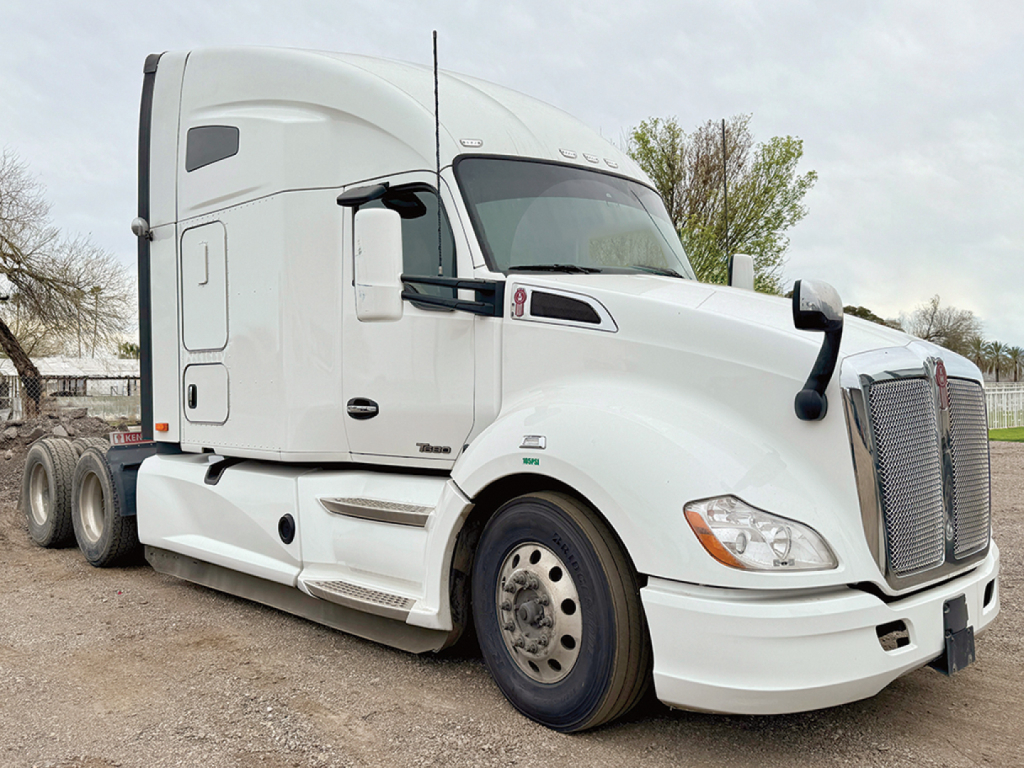
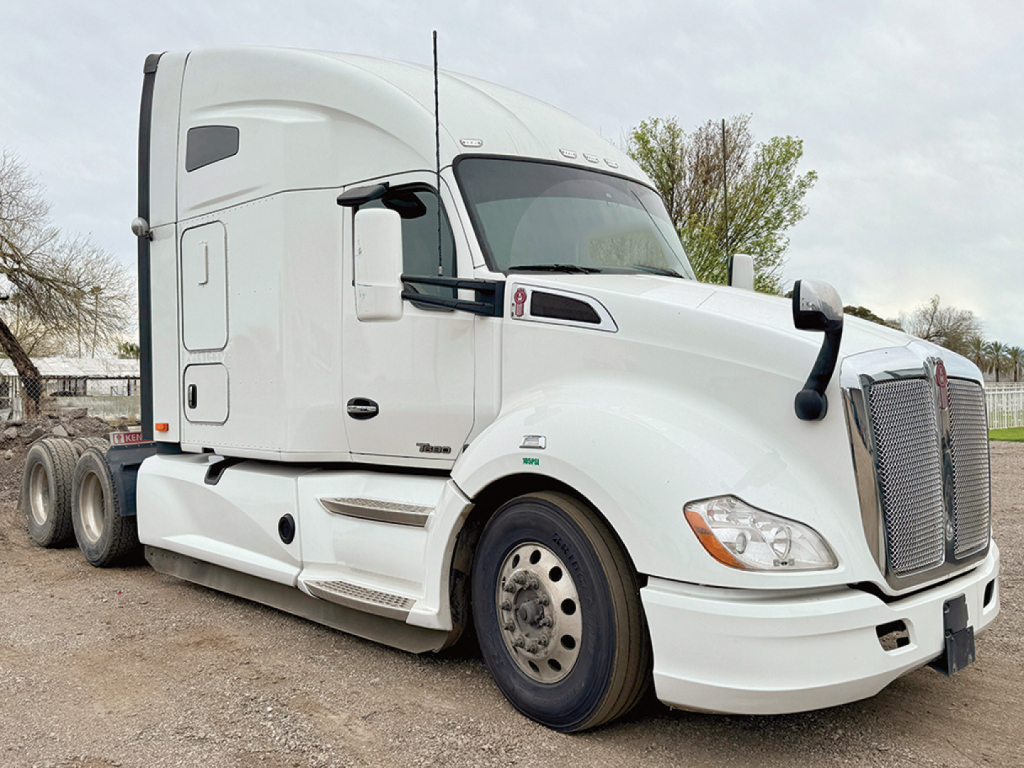
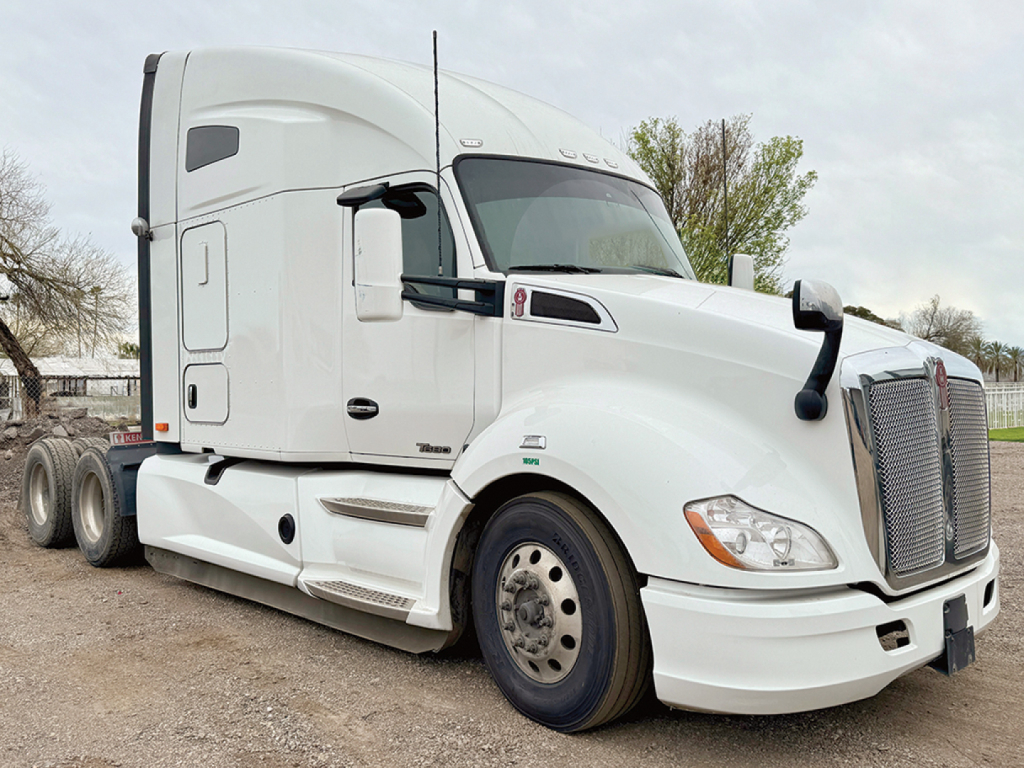
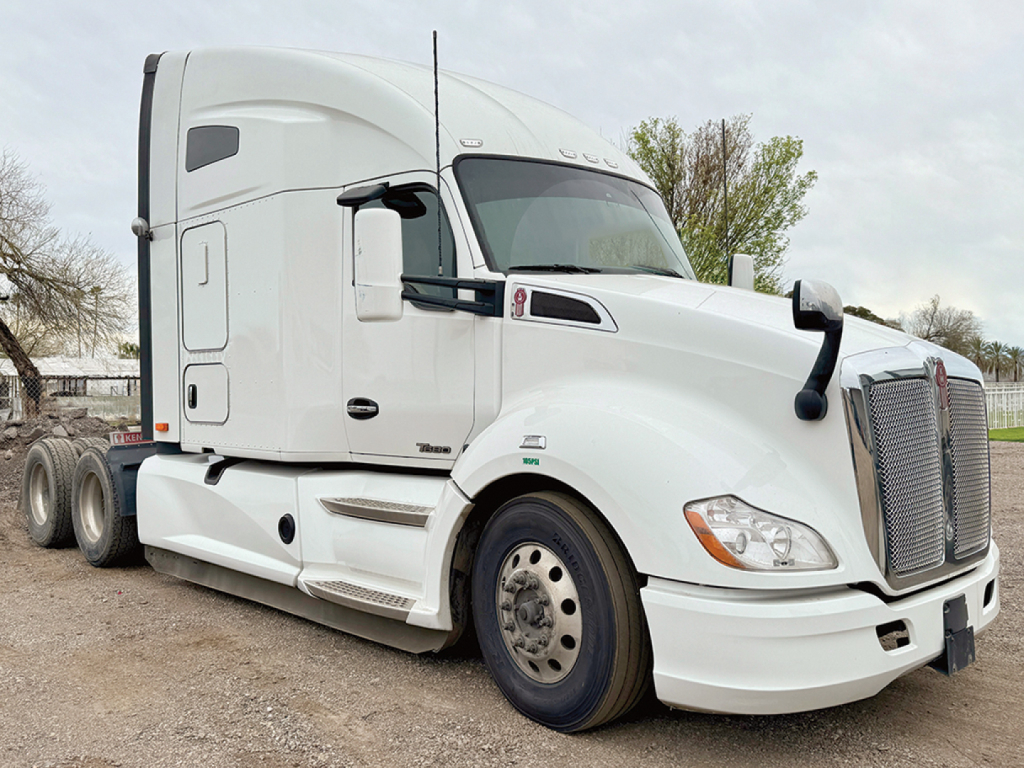
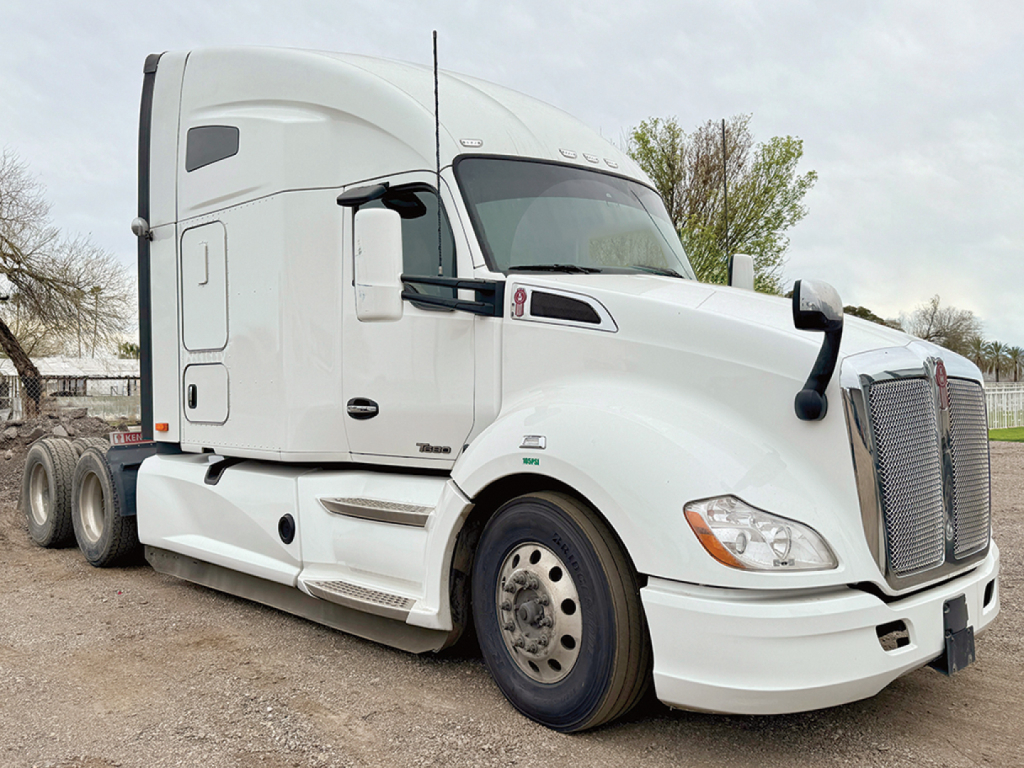
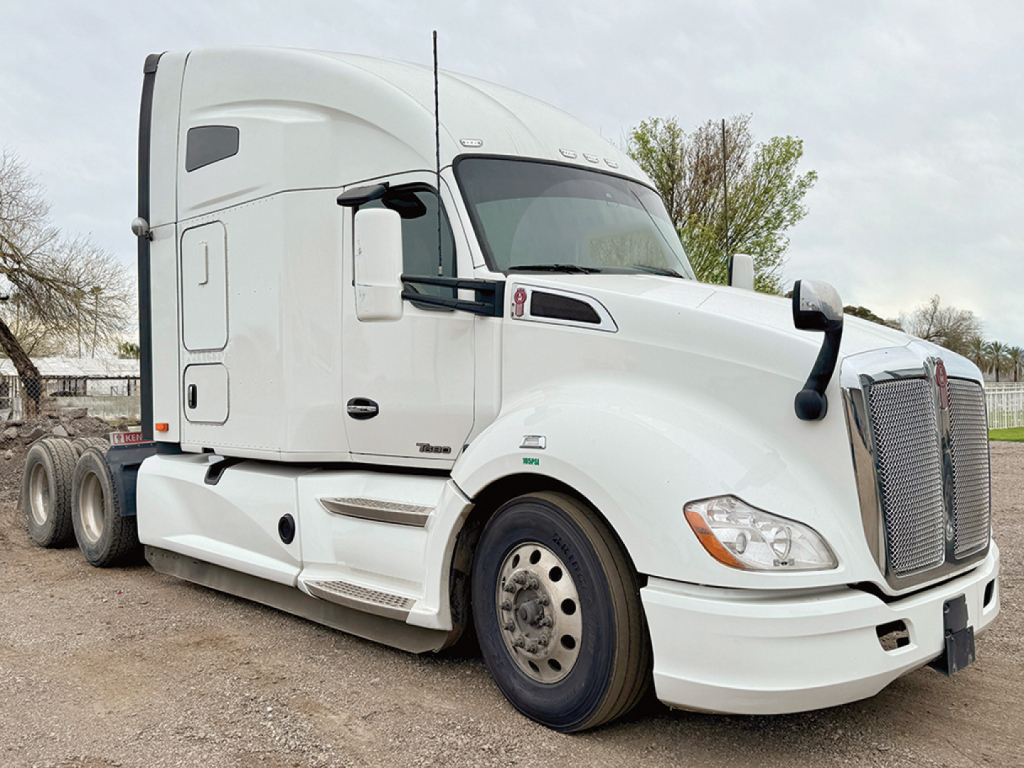
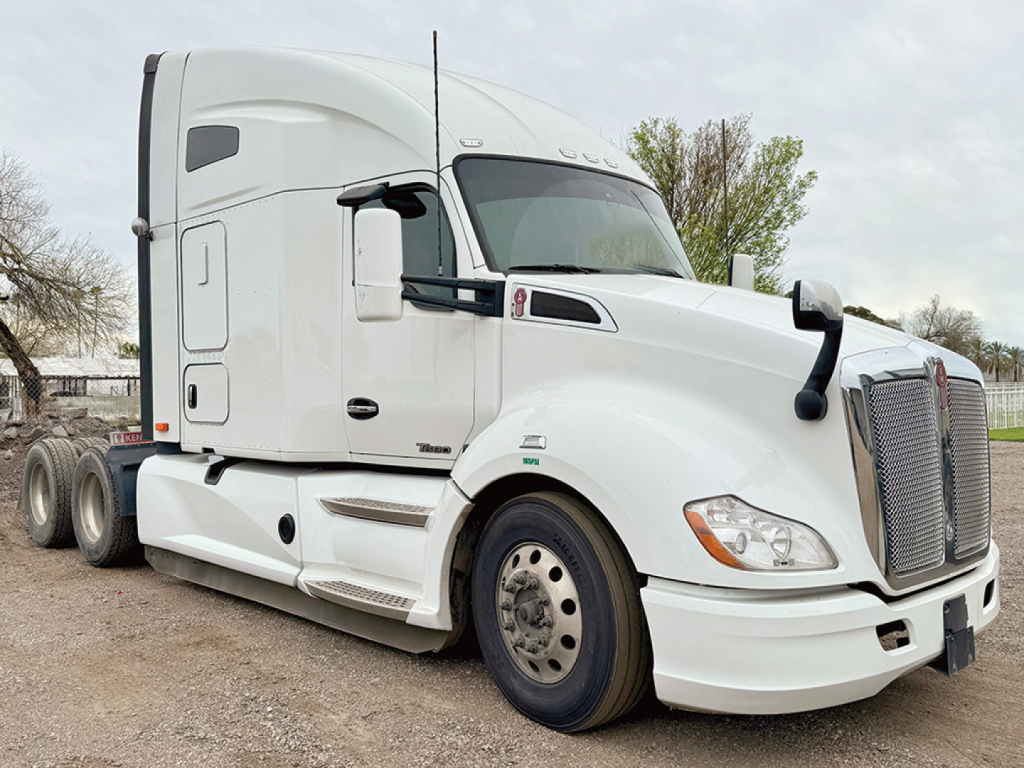
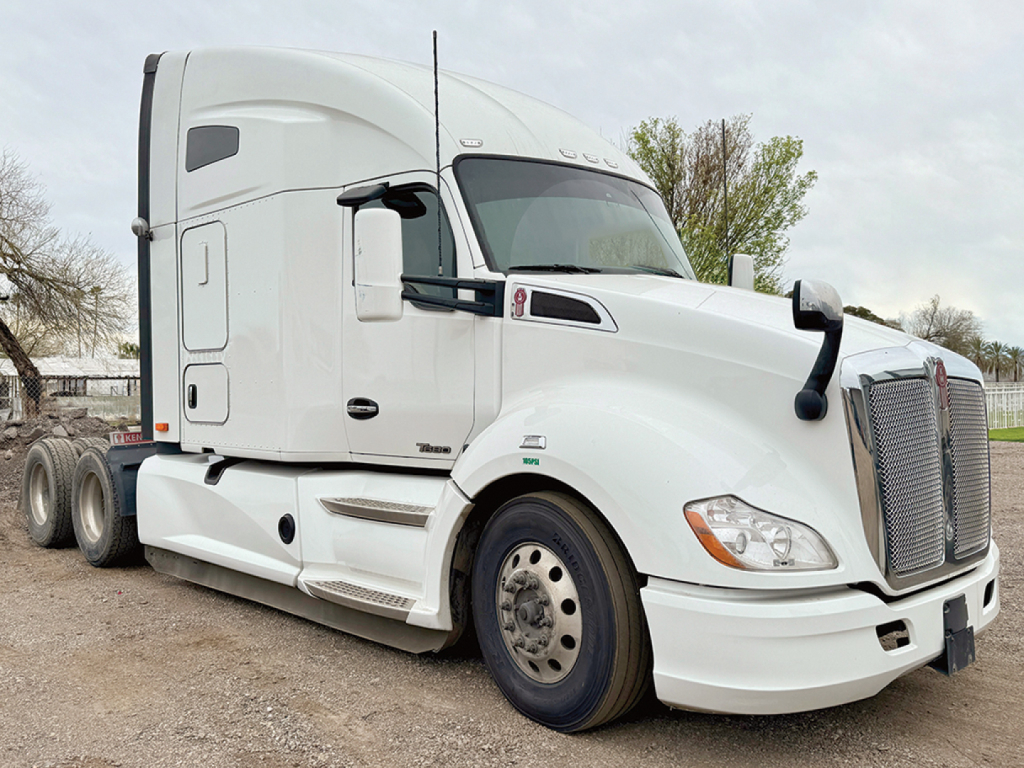
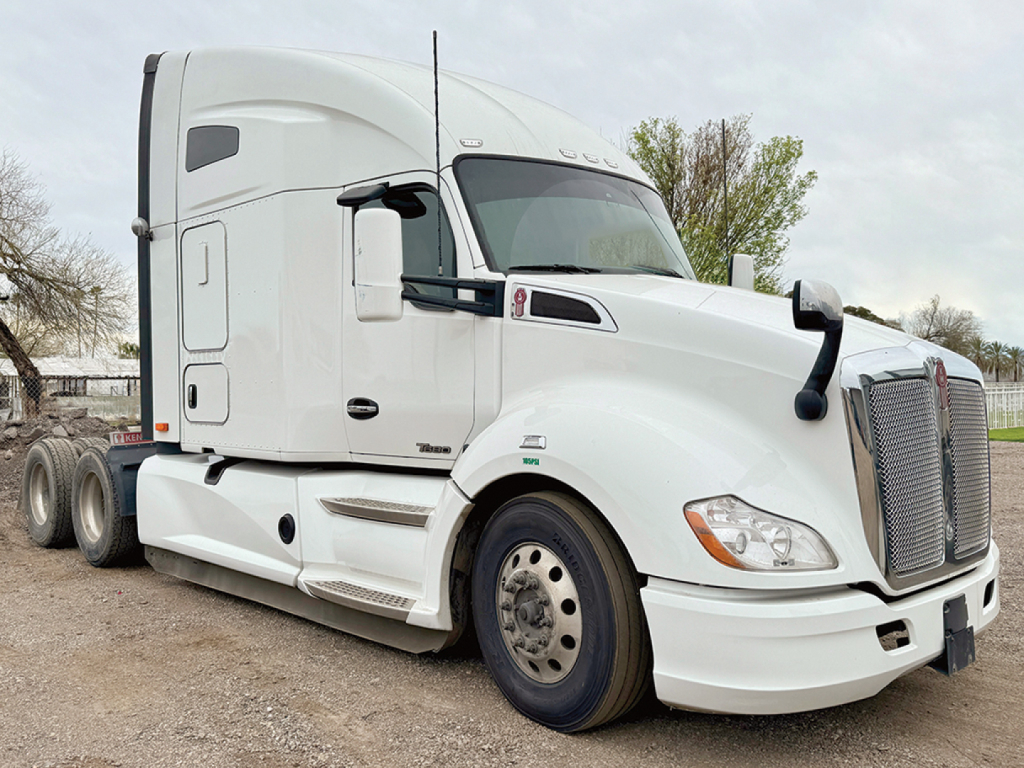
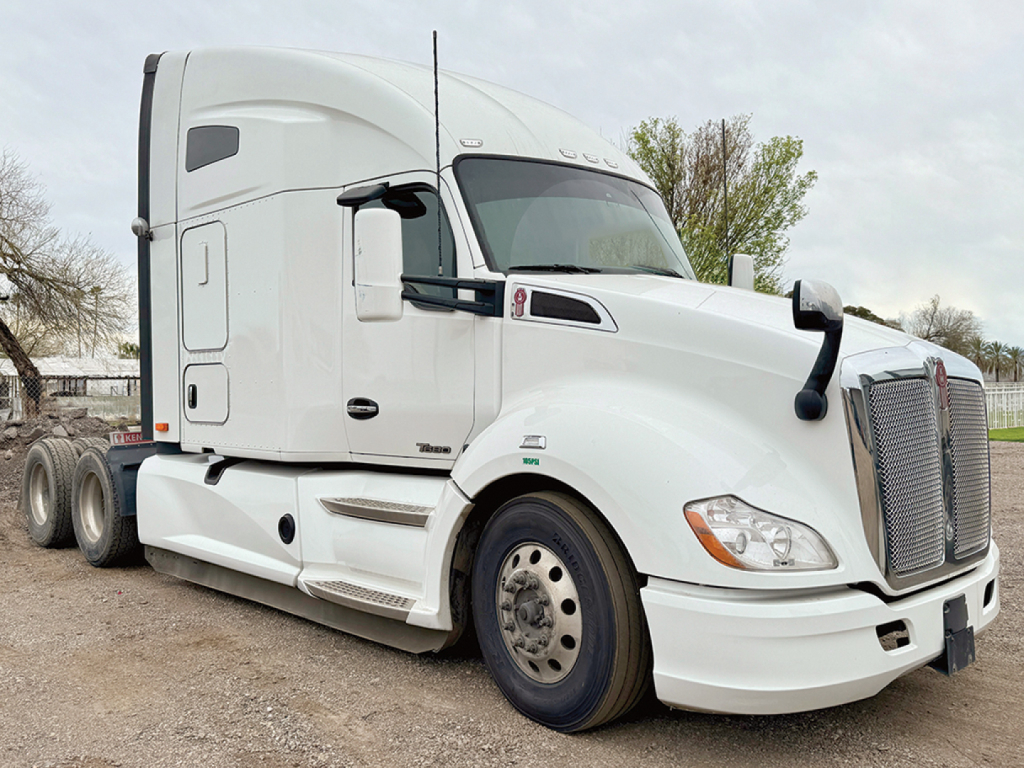
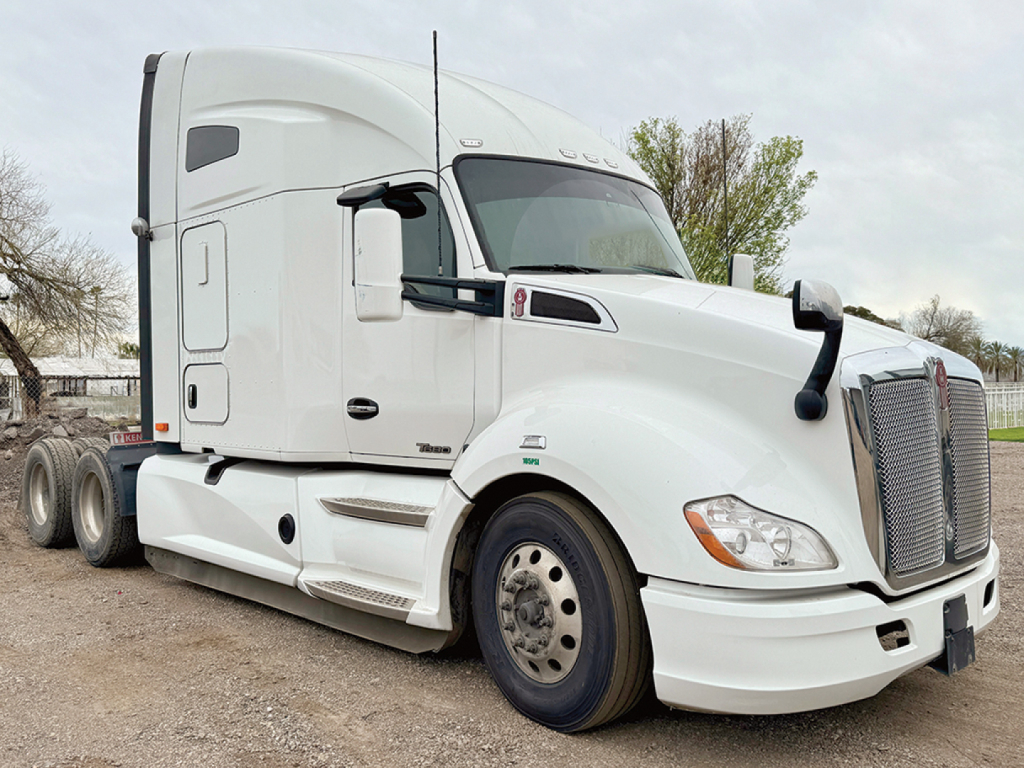
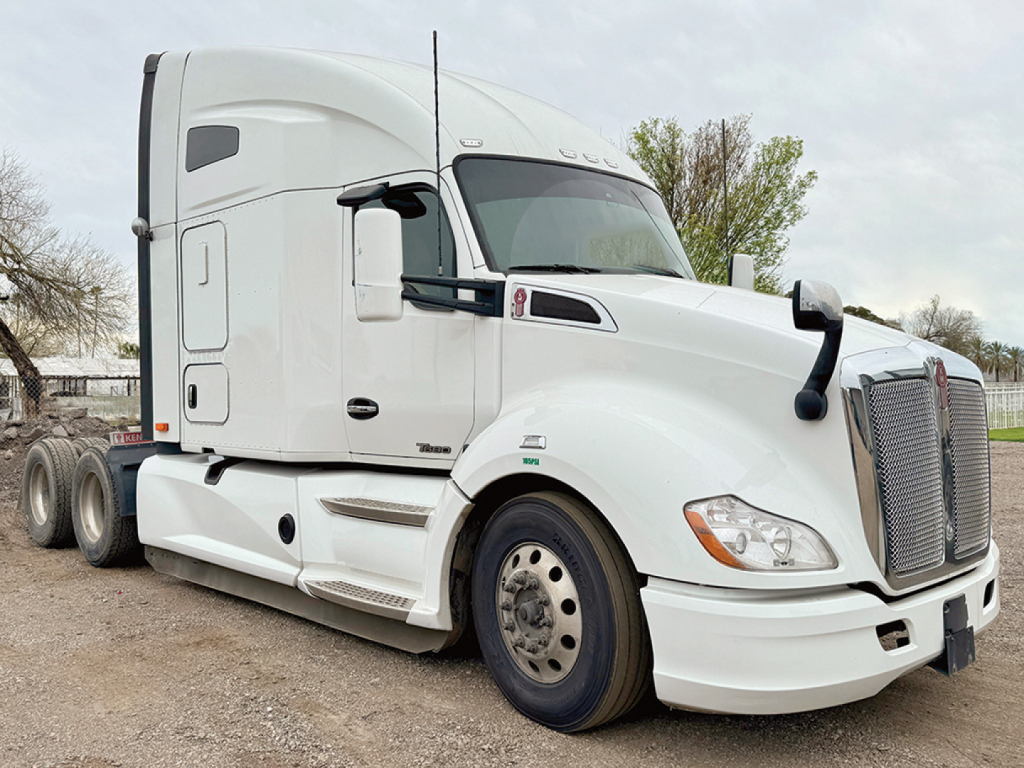
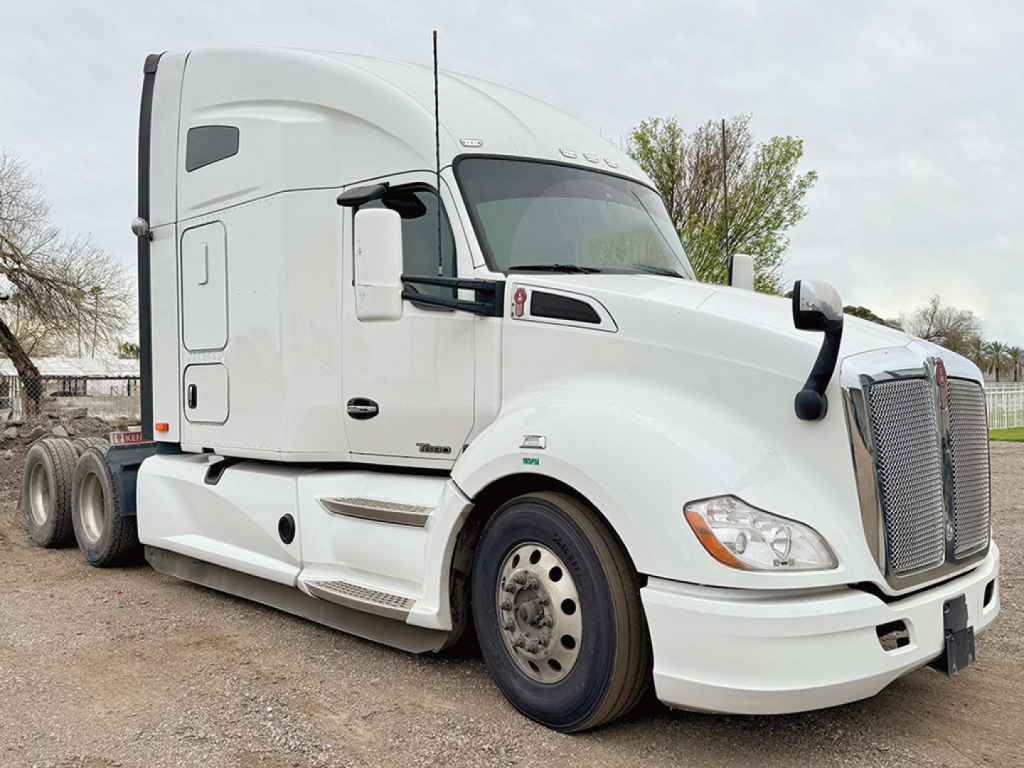
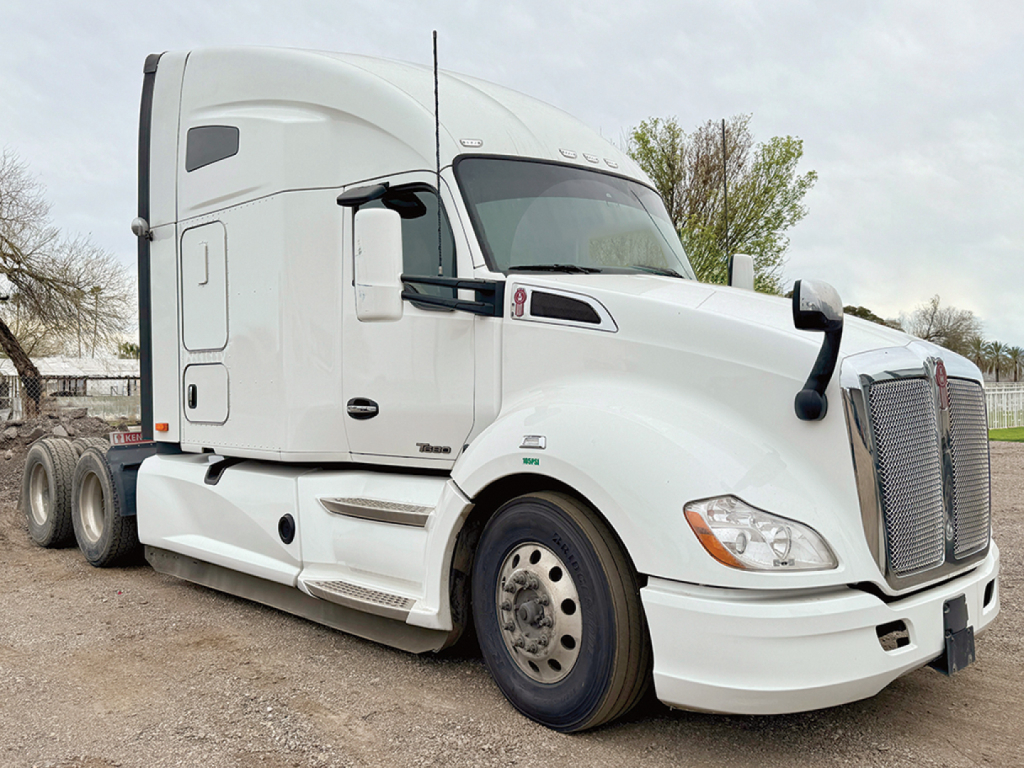
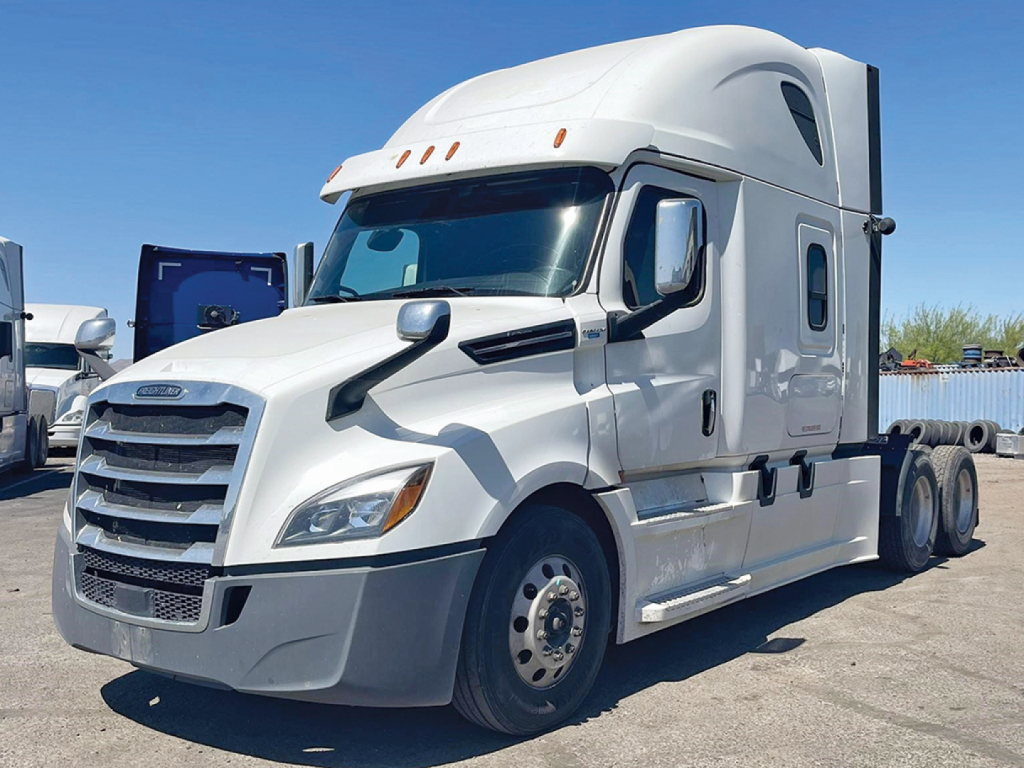
Selling a 2020 conventional sleeper truck? List your 2020 conventional sleeper truck for sale and reach thousands of commercial buyers.
2020 Conventional Sleeper Trucks in Mississippi
The spec decisions that matter most usually come down to engine rating, rear axle ratio, and sleeper size. A 400 to 450 horsepower truck with a tall rear ratio like 2.28 or 2.47 is generally aimed at fuel-efficient highway freight on flatter lanes. A 475 to 505 horsepower setup, often paired with 2.64 or 3.08 gearing, better suits heavier gross weights, more rolling terrain, and buyers who want stronger gradeability. Wheelbase is commonly in the 225-inch to 233-inch range, which works well for van and reefer operations while still keeping the tractor manageable around docks and tighter yards. Air slide fifth wheels, air ride suspension, and low-profile 22.5 tires are standard features many buyers expect in this category.
For Mississippi buyers, application and route profile should drive the purchase more than badge preference. Trucks running long I-55, I-20, and Gulf Coast lanes benefit from aerodynamic fairings, cab extenders, and idle reduction or bunk heater setups that cut fuel burn during rest periods. Sleeper layout matters if the truck will stay out for multiple nights at a time. Upper bunks, stand-up interiors, and climate control features improve livability, while dual aluminum fuel tanks extend range and reduce fuel stop frequency. Horizontal exhaust, disc or aluminum wheels, quarter fenders, and exterior aero pieces are common on fleet-maintained highway tractors from this era.
A 2020 model year conventional sleeper often hits a practical balance for used truck buyers because it is modern enough to offer current safety, emissions, and driver comfort features without the price of late-model new iron. The smartest comparison is not just make and model, but total operating spec: engine family, transmission type, horsepower, axle ratio, wheelbase, sleeper height, and maintenance history. Buyers hauling general freight, refrigerated loads, or dedicated contract lanes should also confirm how the truck was geared from the factory, since that affects cruise RPM, fuel economy, and driver satisfaction every day the tractor is on the road.
Frequently Asked Questions about 2020 Conventional Sleeper Trucks in Mississippi
What is the typical spec range for a 2020 conventional sleeper truck?
Most 2020 conventional sleeper trucks are tandem axle highway tractors with 70-inch to 73-inch sleepers, 400 to 505 horsepower diesel engines, and automated manual transmissions. Rear axle ratings are commonly 40,000 pounds, wheelbases often fall between 225 and 233 inches, and many are equipped with air ride suspension, air slide fifth wheels, dual fuel tanks, and aerodynamic fairings for over-the-road service.
Is a 2020 conventional sleeper truck a good choice for long-haul freight?
Yes. A 2020 conventional sleeper is well suited for long-haul van, reefer, and general freight work because it combines modern aerodynamics, integrated sleeper comfort, and current driveline technology. Raised-roof and stand-up sleeper designs give drivers more room for multi-day trips, while common features such as bunk heaters, cruise control, and automated transmissions help reduce fatigue and improve operating efficiency.
How do axle ratio and horsepower affect a sleeper truck’s performance?
Axle ratio and horsepower determine how the truck balances fuel economy against pulling power. Lower numerical ratios such as 2.28 or 2.47 usually keep engine RPM down at highway speed and are often preferred for lighter long-haul freight on flatter routes. Higher numerical ratios such as 2.64 or 3.08 improve launch, hill-climbing, and performance at heavier gross weights, especially when paired with 450 horsepower or more.
What should I inspect first on a used 2020 sleeper tractor?
Start with engine and aftertreatment service history, transmission calibration records, and signs of consistent fleet maintenance. Then verify sleeper condition, idle reduction equipment, bunk HVAC operation, tire wear pattern, suspension condition, brake type, and fifth wheel function. It is also important to confirm the original factory spec, because wheelbase, ratio, and horsepower have a direct impact on the truck’s suitability for your freight lanes.
What makes a conventional sleeper different from a day cab?
A conventional sleeper truck has an integrated rear compartment behind the driver seats for rest and storage, while a day cab does not. That sleeper space allows legal rest breaks and multi-day operation without hotel stops, making the truck a better fit for over-the-road and regional haul applications. Day cabs are usually lighter and simpler, but they are intended for local or short-route work where overnight accommodations are not needed.