
2019 Conventional Sleeper Trucks For Sale in Nebraska
Browse 2019 conventional sleeper trucks for sale in Nebraska. Compare sleeper sizes, engine and drivetrain specs, wheelbase, and fleet features.
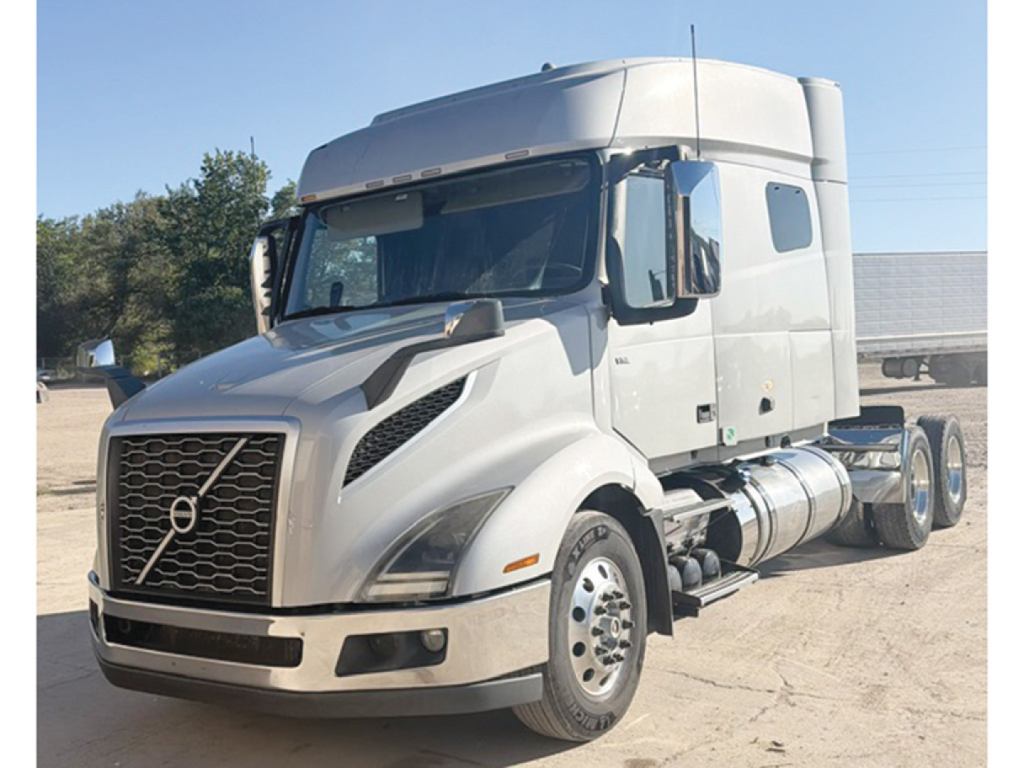
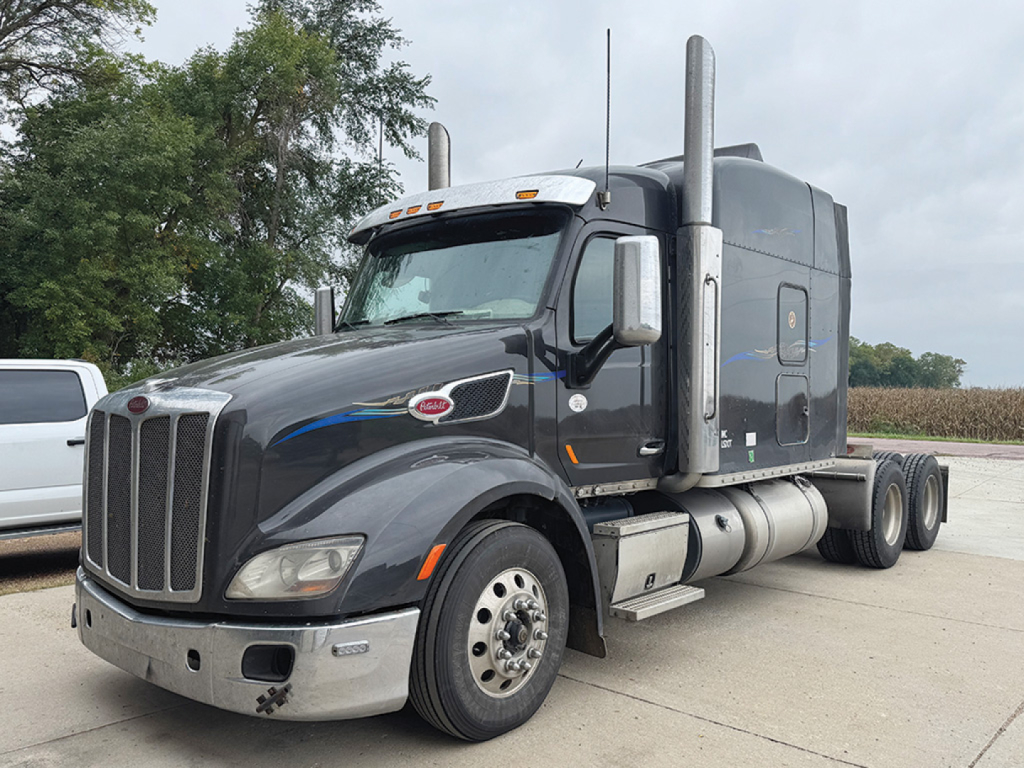

Selling a 2019 conventional sleeper truck? List your 2019 conventional sleeper truck for sale and reach thousands of commercial buyers.
2019 Conventional Sleeper Trucks in Nebraska
Frequently Asked Questions about 2019 Conventional Sleeper Trucks in Nebraska
What should I look for first on a 2019 conventional sleeper truck?
Start with the powertrain and the intended lane. Engine make, horsepower, transmission type, rear axle ratio, and wheelbase determine how the truck will perform under your freight and terrain. A 2019 sleeper spec built for fuel economy may have a 2.47 to 2.85 rear ratio and an automated manual transmission, while a truck intended for heavier or more varied loads may carry a deeper ratio or a manual. After that, check maintenance history, emissions system service records, brake type, tire condition, fifth wheel setup, and sleeper configuration.
What engines are common in 2019 sleeper semis?
Typical 2019 conventional sleeper trucks are equipped with engines such as the Cummins X15, Detroit DD13, Detroit DD15, PACCAR MX-13, and in some makes the Volvo D13 or Mack MP8. Horsepower commonly falls in the 400 to 505 HP range, with torque matched to the transmission and axle ratio. For general van and reefer work, many fleets spec 400 to 455 HP with a fuel-economy axle. Heavier applications or specialized regional work may call for more aggressive gearing and higher torque calibration.
Are 2019 sleeper trucks in Nebraska usually spec'd for long haul or regional work?
Many are set up for highway and over-the-road use, but Nebraska-market trucks can lean either long haul or regional depending on their original fleet assignment. Look for clues in the sleeper size, fuel capacity, wheelbase, and comfort features. A 70 to 80 inch sleeper, dual tanks, bunk heater, refrigerator prep, and an air-slide fifth wheel usually point toward longer routes. Shorter wheelbase sleepers with simpler interior specs may be better suited for regional distribution and more frequent trailer spotting.
Is an automated manual transmission a good choice in a 2019 conventional sleeper?
For many buyers, yes. Automated manuals were widely adopted by 2019 and are common in fleet sleeper tractors because they help with fuel economy, driver onboarding, and clutch life. They are especially practical for dry van, reefer, and dedicated route work. A manual still appeals to some operators in specialized applications or where driver preference matters, but the automated option is often easier to place into general fleet service if the truck is properly maintained and matched to the axle ratio and tire size.
What sleeper and chassis features matter most for resale and day-to-day use?
Raised-roof sleepers, 72 to 80 inch bunks, air-ride suspension, disc or well-maintained air brakes, dual aluminum fuel tanks, fairings, and a sliding fifth wheel tend to be strong practical features. Buyers also pay attention to collision mitigation, lane departure systems, bunk heaters, APUs, inverter setups, and tire inflation systems where equipped. On the chassis side, check for frame condition, suspension wear, kingpin setting compatibility with your trailer mix, and whether the wheelbase is appropriate for both bridge law and turning radius needs.