
2019 Conventional Sleeper Trucks For Sale in Mississippi
Browse 2019 conventional sleeper trucks in Mississippi. Compare specs, sleeper sizes, drivetrain setups, and long-haul features for fleet use.
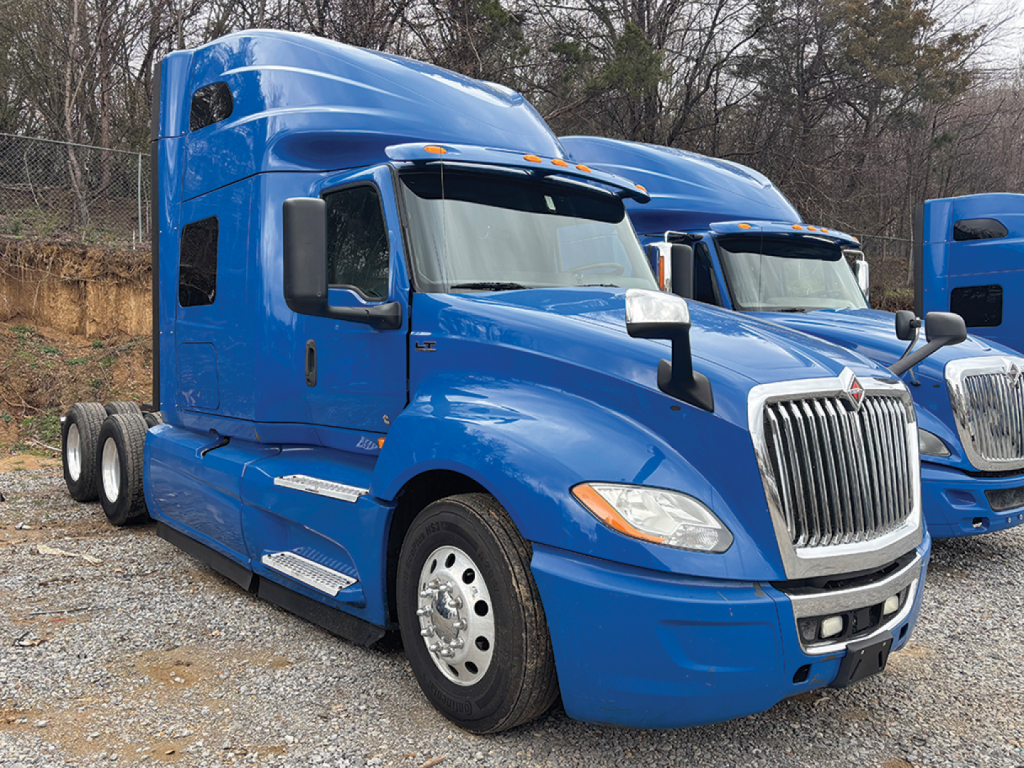
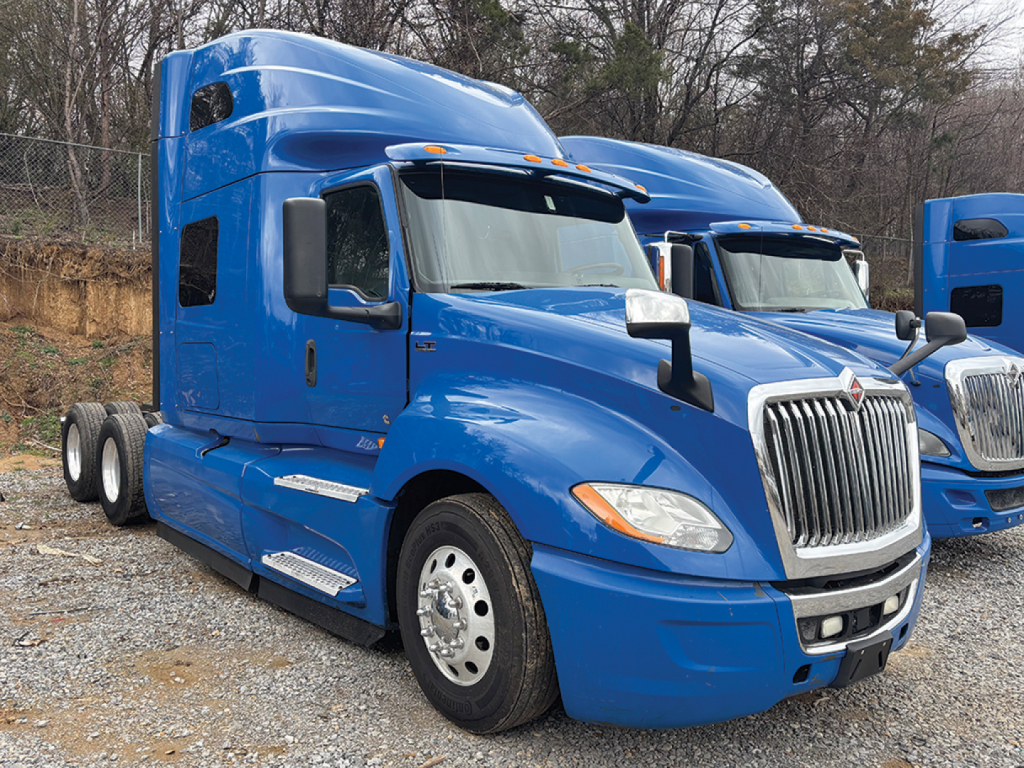
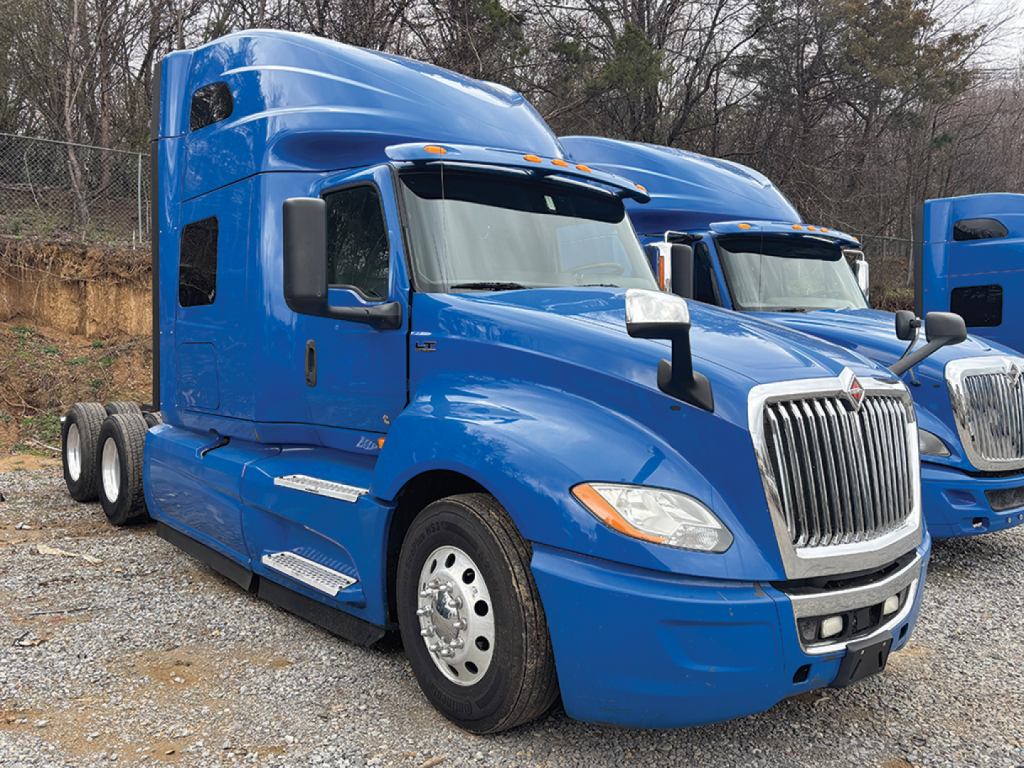
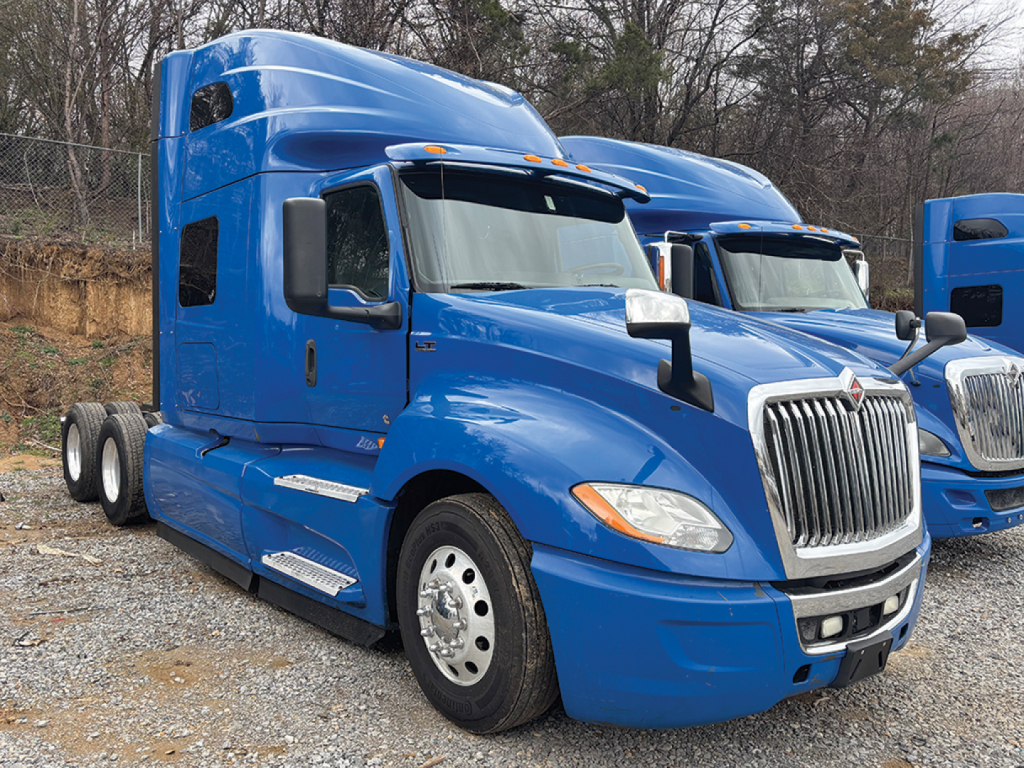

Have 2019 conventional sleeper truck to sell? List it here to reach thousands of buyers.
2019 Conventional Sleeper Trucks in Mississippi
The big buying decisions usually start with the sleeper and drivetrain. Common sleeper sizes range from about 60 inches to 80 inches, with stand-up and double-bunk layouts available for teams or for drivers who need more storage and living space. Engines in 2019 conventional sleepers typically fall in the 400 to 505 horsepower range, with popular platforms including the Volvo D13, PACCAR MX-13, Cummins X15, Detroit DD15, and Mack MP8. Most trucks from this year were paired with automated transmissions such as Volvo I-Shift, PACCAR automated gearboxes, Detroit DT12, or Mack mDrive. Rear axle ratings are often 40,000 pounds, and rear ratios like 2.64 or 3.08 are common depending on whether the truck was ordered for fuel economy, hill pulling, or mixed regional work.
Mississippi buyers often look closely at specs that affect highway efficiency and operating cost in hot, humid conditions. Air ride suspension, dual aluminum fuel tanks, roof and side fairings, cab extenders, and air slide fifth wheels are all common on 2019 sleeper tractors built for van and reefer service. APU prep, bunk heaters, inverter wiring, and upper bunks can add real value if the truck will be used in over-the-road service. Wheelbase also matters more than many buyers expect. A 226-inch to 240-inch wheelbase is common in this category and can influence trailer gap, ride quality, weight distribution, and maneuverability at crowded docks.
A smart comparison on a used 2019 conventional sleeper truck goes beyond make and model. Check emissions history, idle hours, transmission calibration, tire wear pattern, aftertreatment service records, and signs of fairing or sleeper damage from previous fleet use. Verify axle ratio against the intended freight and cruise speed, and make sure the sleeper configuration matches the actual route structure. For many buyers, 2019 hits a practical balance between modern safety and efficiency features and a purchase price that is usually lower than late-model replacements.
Frequently Asked Questions about 2019 Conventional Sleeper Trucks in Mississippi
What is a conventional sleeper truck?
A conventional sleeper truck is a highway tractor with a hooded front-end design and an integrated sleeping compartment mounted behind the cab. It is built for longer runs than a day cab and is commonly used in over-the-road, regional, dedicated, and team operations. Sleeper sizes, roof height, bunk layout, and storage capacity vary by spec, but the basic purpose is to give the driver a legal and practical place to rest between runs.
What engines and transmissions are common in 2019 conventional sleeper trucks?
Most 2019 conventional sleepers are equipped with 12-liter to 15-liter diesel engines rated around 400 to 505 horsepower. Common engine families include the Volvo D13, PACCAR MX-13, Cummins X15, Detroit DD15, and Mack MP8. Automated manual transmissions are very common in this model year, including Volvo I-Shift, Mack mDrive, Detroit DT12, and PACCAR automated units. These setups were widely chosen for fuel economy, driver acceptance, and reduced clutch wear compared with traditional manuals.
What rear axle ratio is best for a 2019 sleeper tractor?
The best rear axle ratio depends on the freight, terrain, and target road speed. Ratios such as 2.64 are often selected for fuel-efficient highway cruising on lighter or average van freight, while 3.08 can be a better fit for heavier loads, mixed terrain, or operations that need stronger startability. A buyer should match the ratio to tire size, transmission gearing, and expected gross weight rather than assuming one ratio is best for every lane.
What should I inspect on a used 2019 conventional sleeper truck?
Focus on maintenance records, engine hours, idle hours, aftertreatment history, transmission operation, and suspension condition. Inspect the sleeper interior for leaks, HVAC performance, bunk condition, and signs of heavy wear. On the exterior, check fairings, cab extenders, quarter fenders, and bumper areas for crash repairs or stress damage. It is also important to review tire wear, brake condition, wheel seals, and any fault codes related to emissions or driver-assist systems.
Is a 2019 conventional sleeper a good choice for fleet or owner-operator use?
For many operations, yes. A 2019 model year conventional sleeper can offer a strong balance of aerodynamics, driver comfort, automated shifting, and lower acquisition cost than newer trucks. It is a practical fit for fleets standardizing long-haul tractors and for owner-operators who want modern highway specs without stepping into the highest price tier. The right truck still comes down to service history, emissions condition, and whether the spec matches the route and trailer type.