
2018 Conventional Sleeper Trucks For Sale in Missouri
Compare 2018 conventional sleeper trucks for sale in Missouri by axle gearing, emissions history, sleeper layout, and corrosion from winter road salt.
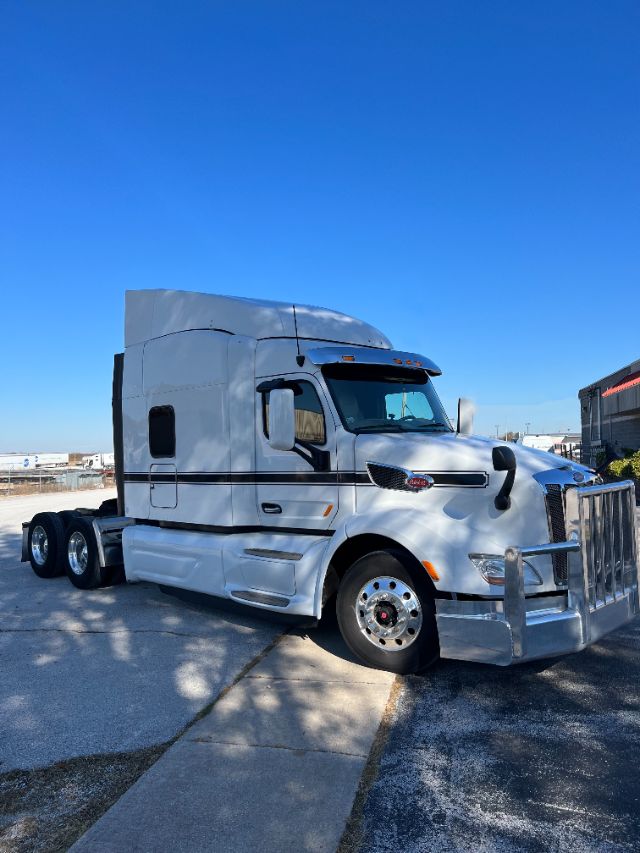
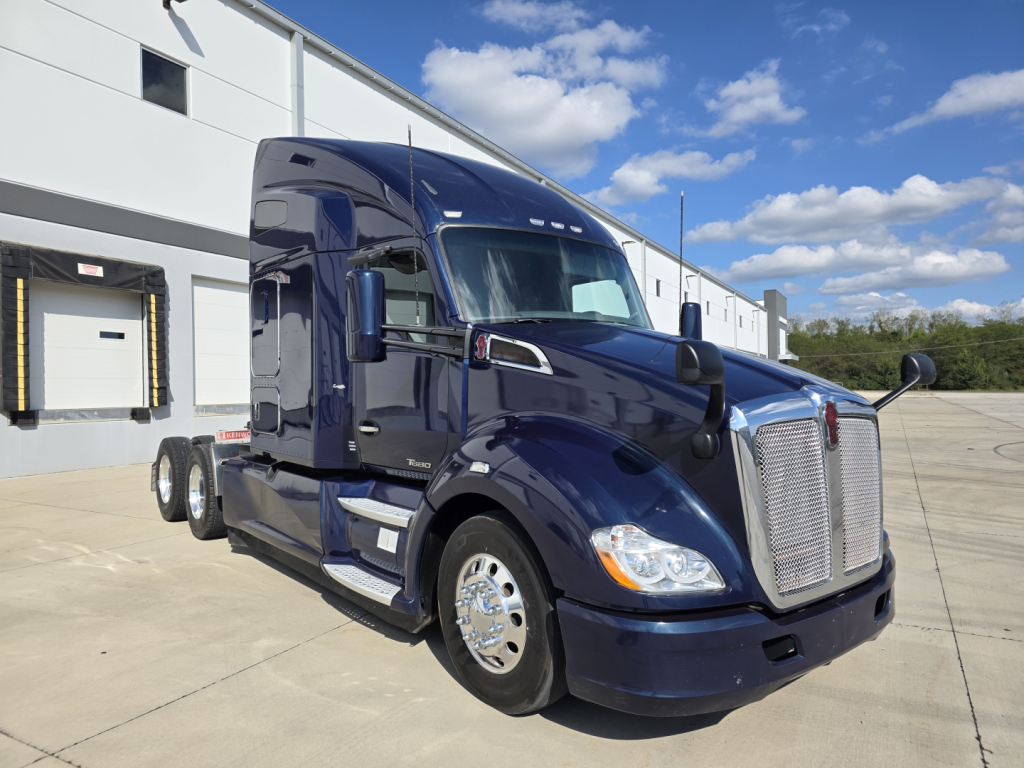

Selling a 2018 conventional sleeper truck? List your 2018 conventional sleeper truck for sale and reach thousands of commercial buyers.
2018 Conventional Sleeper Trucks in Missouri
Kenworth T680 and Peterbilt 579 sleepers commonly pair the PACCAR MX-13 or Cummins X15 with manual or automated transmissions. Freightliner Cascadia models commonly use Detroit DD13 or DD15 power, while Volvo VNL sleepers often carry the D13. The 2018 model year spans cab-generation changes at Freightliner and Volvo, so identify the actual generation rather than relying on the year alone. High-roof, double-bunk sleepers suit team operations and tall van trailers; midroof configurations can suit flatbed work. Wheelbase, fifth-wheel travel, fuel capacity, and sleeper size all affect payload and maneuverability.
Most factory-built 2018 diesels belong to the GHG17 emissions era and use DPF, SCR, and DEF systems. Confirm engine certification from the emissions label, then obtain an ECM download showing mileage, engine hours, idle time, and active or stored faults. Compare those readings with maintenance records, especially DPF cleaning, DEF-system repairs, cooling-system work, and transmission service. A cold start and loaded road test should check oil pressure, coolant stability, boost, shifting, and engine-brake operation. Investigate unexplained coolant loss or frequent regeneration before committing to a purchase. Inspect fifth-wheel jaws, suspension bushings, wheel seals, and uneven tire wear, then test bunk HVAC and any APU under load.
Missouri winter road treatments make underbody inspection essential, even when cab paint looks clean. Salt damage often hides around frame crossmembers, air tanks, brake plumbing, battery boxes, and suspension mounts. Trace air leaks and inspect corroded fasteners before deciding whether a sleeper tractor needs routine cleanup or structural repairs.
Used examples need documented repairs rather than assumptions that mileage alone predicts remaining life. A 2018 truck represented as new or never titled still needs inspection for storage-related tire deterioration, dried seals, stale fluids, and battery damage. Verify the original build sheet instead of assuming factory-order options remain possible. Check the original in-service date and written warranty terms, because unused equipment does not automatically carry current factory coverage. A qualifying first retail sale of a heavy truck can also trigger the 12% federal excise tax; establish tax status before completing the transaction.
Frequently Asked Questions about 2018 Conventional Sleeper Trucks in Missouri
Should I choose a 2.64 or 3.42 axle ratio for a 2018 sleeper tractor in Missouri?
A 2.64 ratio favors lower cruising rpm, while a 3.42 ratio provides more mechanical reduction for starts and grades when transmission gearing and tire size are equal. For a 2018 sleeper tractor working Missouri's I-44 corridor, compare loaded grade performance and starting ability. Direct-drive and overdrive transmissions can change the comparison substantially, so calculate cruise rpm for the complete drivetrain rather than choosing by axle ratio alone.
How much weight can a sleeper tractor-trailer legally haul on Missouri Interstates?
A standard five-axle sleeper tractor-trailer on Missouri Interstates is typically limited to 80,000 pounds gross, 20,000 pounds on a single axle, and 34,000 pounds on a tandem, subject to the federal bridge formula. A 40,000-pound-rated drive tandem does not automatically permit 40,000 pounds legally. Axle spacing, tire capacity, posted restrictions, and permit conditions can further limit a particular combination.
How can I verify that a 2018 sleeper truck's engine was rebuilt?
Invoices tied to the engine serial number are the strongest evidence that a 2018 sleeper tractor's engine was rebuilt. Confirm the repair date, mileage, parts replaced, machine work, and remaining repair warranty directly with the repair facility. An in-frame repair is not automatically a complete overhaul, and an ECM replacement or reset does not prove an engine rebuild. Ask specifically about liners, pistons, bearings, and cylinder-head work.
Is an APU worthwhile on a 2018 conventional sleeper tractor?
An APU is most useful on a 2018 sleeper tractor that regularly needs heating or air conditioning during overnight stops. Compare expected hotel loads and parked hours with the system's capacity rather than assuming every APU can run every accessory. A diesel APU adds its own maintenance requirements, while battery-powered HVAC needs battery-capacity and charging tests. Verify shore-power operation separately if that feature matters to the route.