
2018 Conventional Sleeper Trucks For Sale in Mississippi
Shop 2018 conventional sleeper trucks in Mississippi. Compare popular long-haul specs, sleeper sizes, engines, wheelbases, and drivetrain setups.
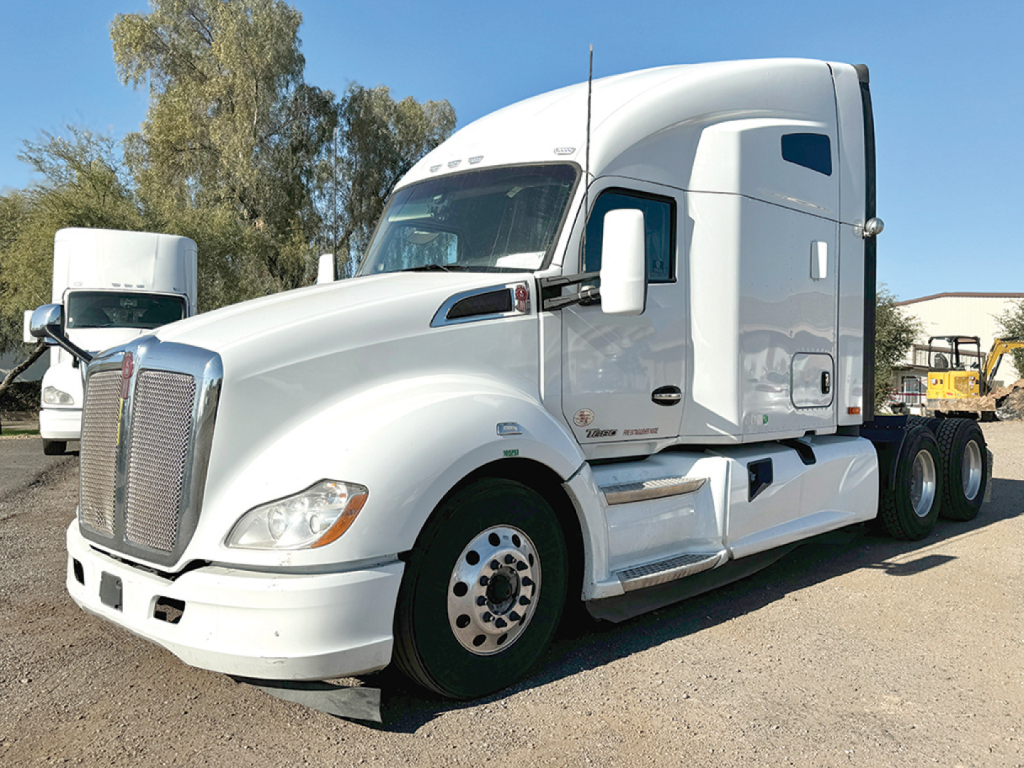
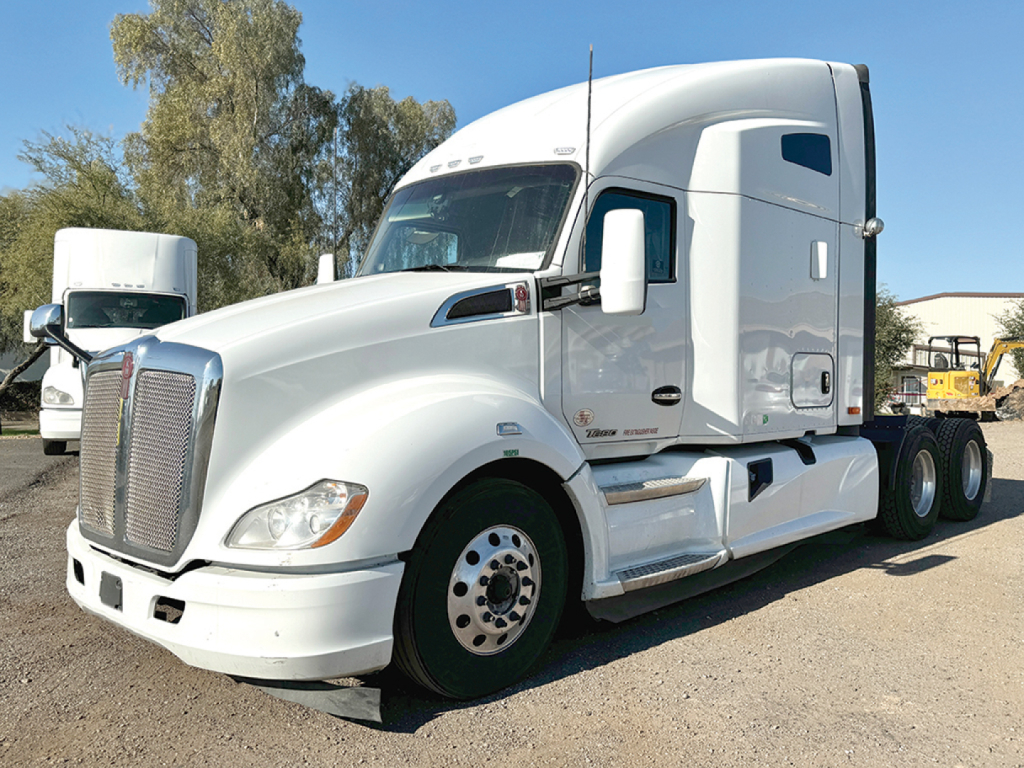
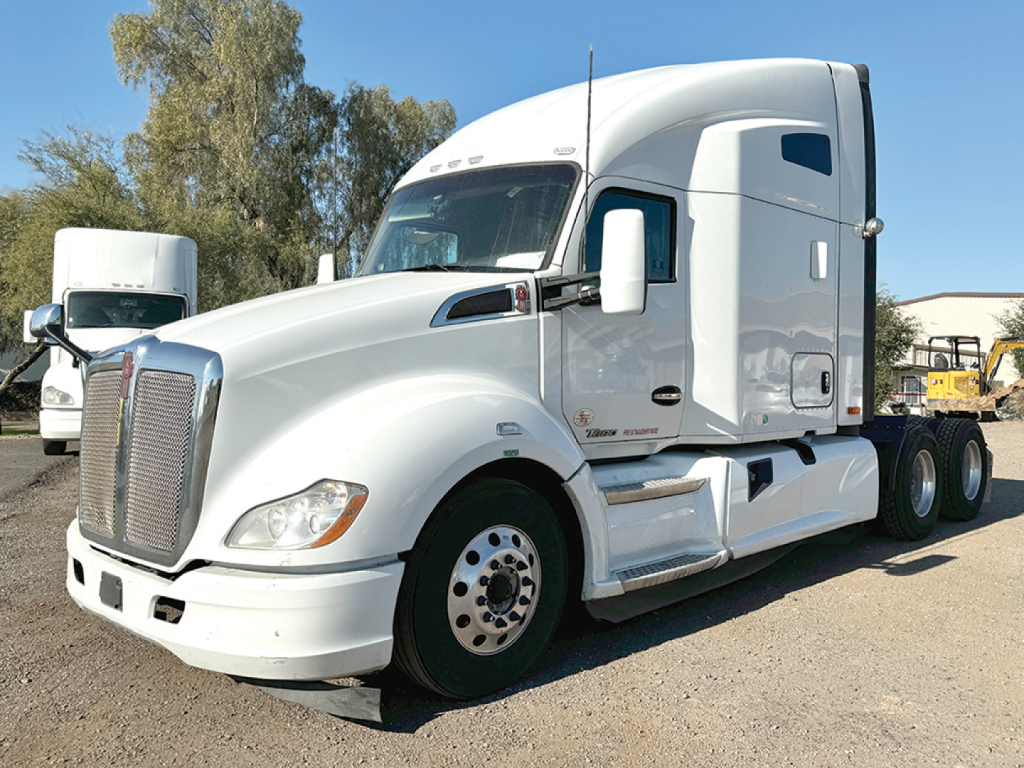
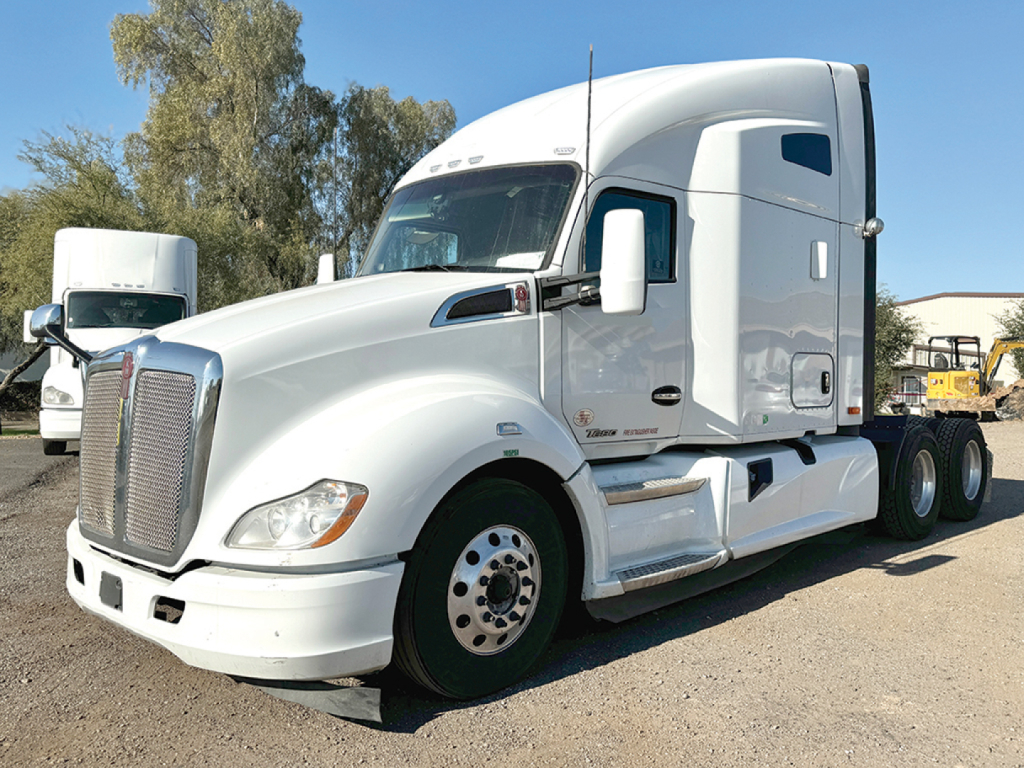
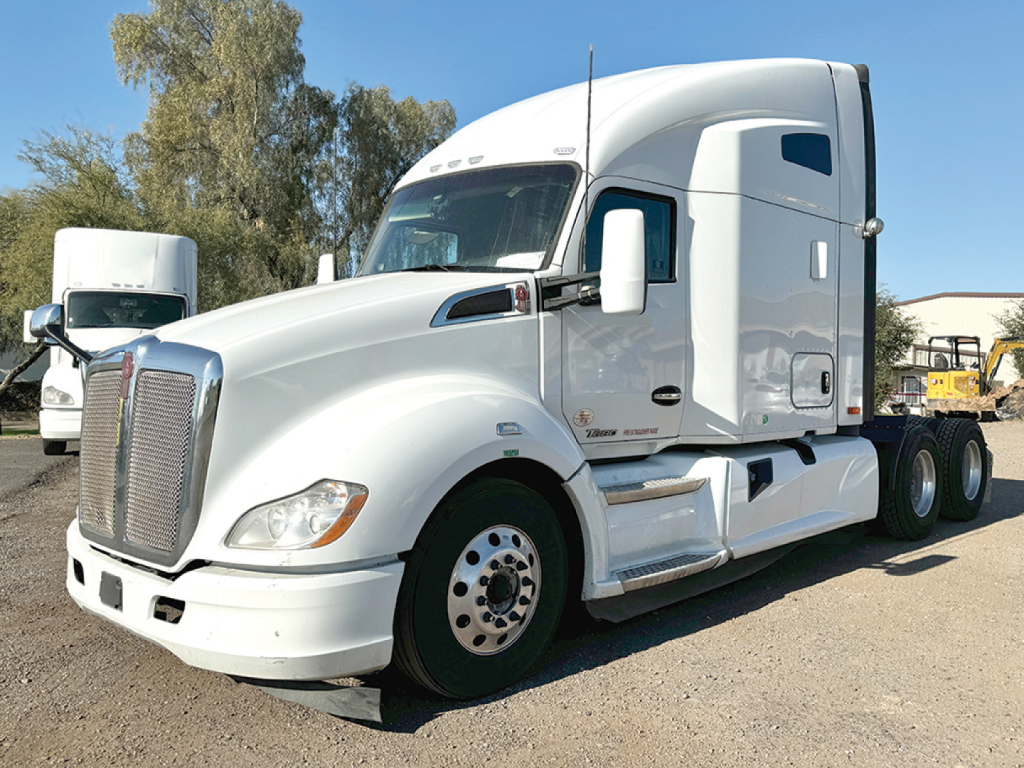
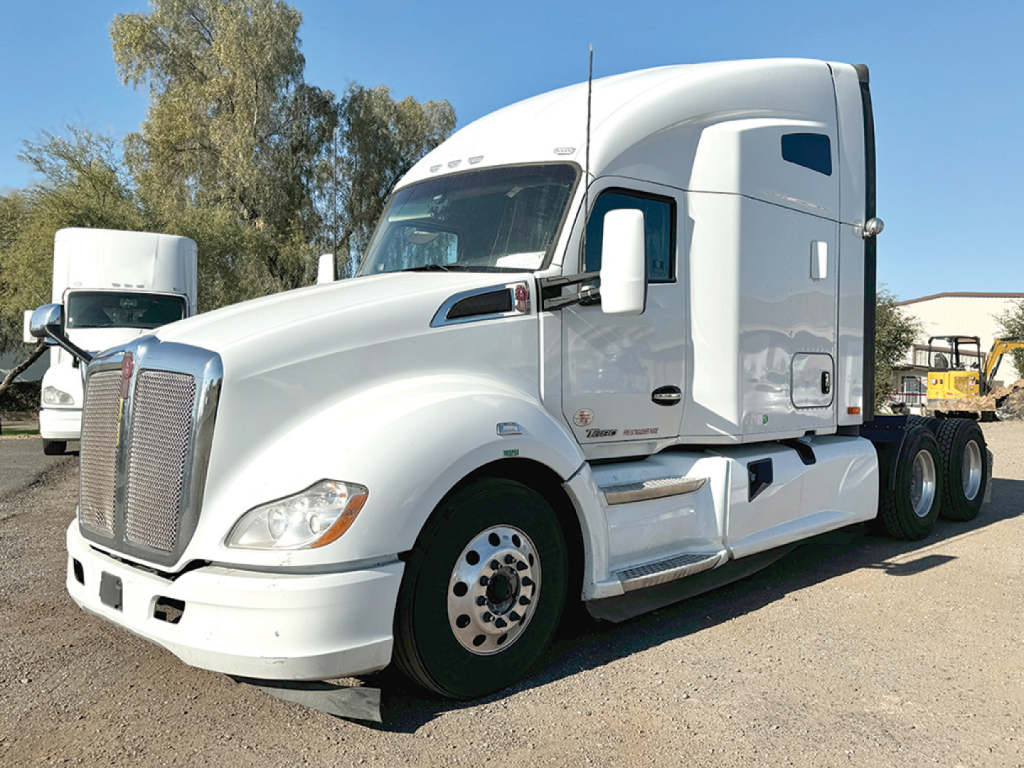
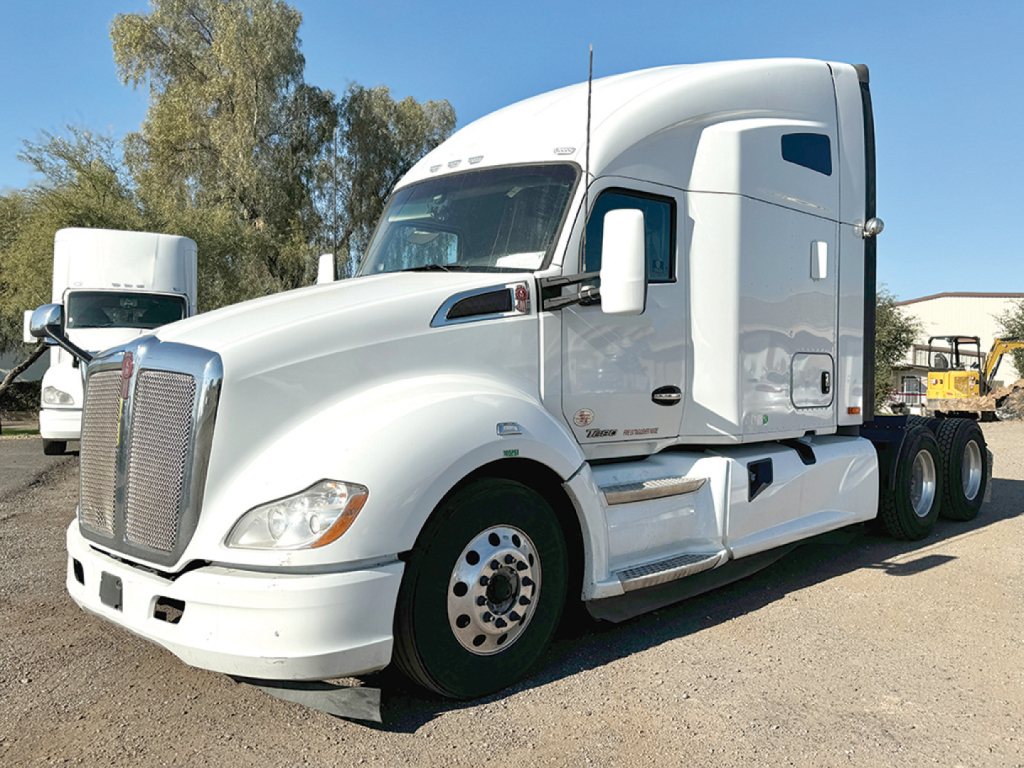
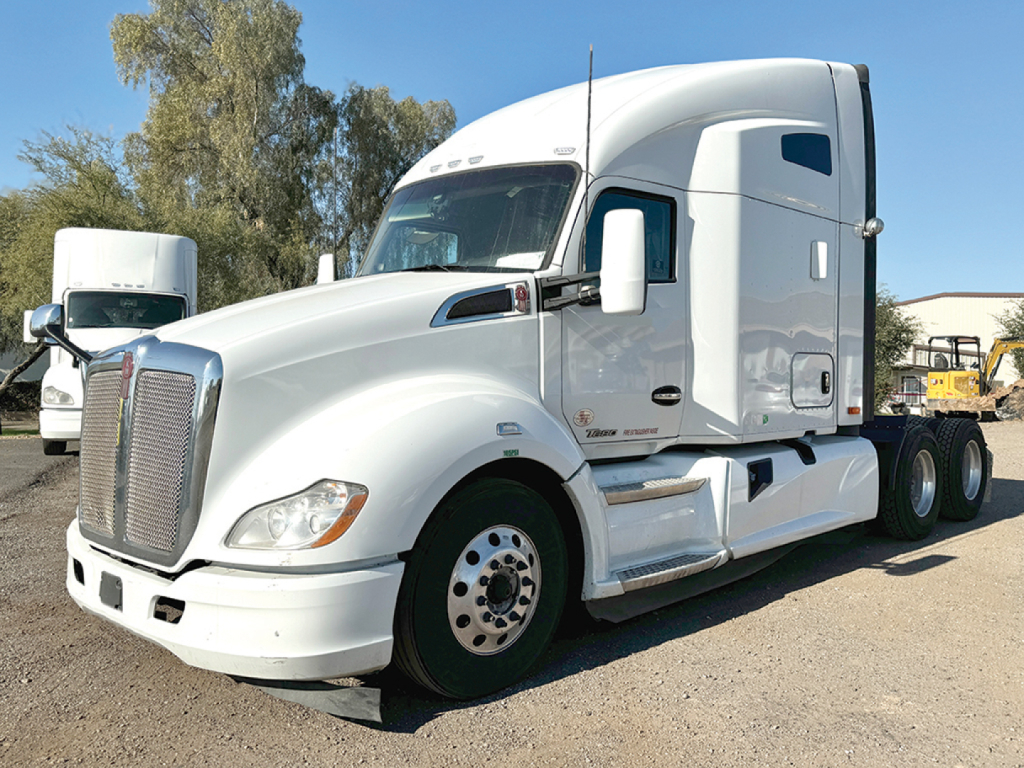
Selling a 2018 conventional sleeper truck? List your 2018 conventional sleeper truck for sale and reach thousands of commercial buyers.
2018 Conventional Sleeper Trucks in Mississippi
Sleeper size and wheelbase matter more than many first-time buyers expect. A 60-inch to 72-inch raised roof sleeper is common for fleet road tractors, while larger stand-up and premium sleepers give owner-operators more storage and better week-long livability. Wheelbases often land in the low-220-inch to upper-240-inch range, and that affects trailer gap, bridge law flexibility, and turning radius. Buyers running regular 53-foot dry van or refrigerated freight usually look for an air slide fifth wheel, full fairing package, and fuel tank capacity that supports long interstate runs. If the truck will see Mississippi lanes, Gulf humidity, and frequent regional haul, check closely for APU prep, bunk heater setup, HVAC performance, and signs of corrosion around battery boxes, frame hardware, and cab mounts.
On a 2018 conventional sleeper, the engine and aftertreatment history deserve as much attention as mileage. Common engine platforms in this year include the Detroit DD13 and DD15, Cummins X15, PACCAR MX-13, Volvo D13, and Mack MP8. These engines can be strong performers, but buyers should review service records for DPF cleaning intervals, SCR and DEF system repairs, injector work, clutch life on automated manuals, and any repeat fault codes. Highway spec trucks often carry low-profile 22.5 tires, aluminum wheels, air ride suspension, and disc or drum brakes depending on original application. Interior condition also tells a story. Excessive bunk wear, damaged cabinets, steering wheel wear, and loose dash components can point to hard-use duty cycles or poor fleet maintenance.
A good 2018 conventional sleeper truck should match the freight more than the badge on the hood. For heavy or specialized work, higher horsepower and deeper rear ratios may make sense. For general long-haul freight, an aero truck with a 400 to 455 horsepower engine and a fuel economy rear ratio is often the better business decision. Buyers comparing trucks in Mississippi should pay attention to cooling system condition, tire match, suspension wear, and signs of idling or extended PTO use. The best unit in this category is usually the one with a documented maintenance history, a clean chassis, and a spec that fits the route, trailer, and gross combination weight you plan to run.
Frequently Asked Questions about 2018 Conventional Sleeper Trucks in Mississippi
What should I look for first on a 2018 conventional sleeper truck?
Start with maintenance history, engine platform, transmission type, rear axle ratio, and sleeper size. On a 2018 model, aftertreatment records are especially important because DPF, SCR, DEF dosing, and sensor issues can turn a lower purchase price into a higher operating cost. Confirm the truck's wheelbase, fifth wheel setup, and fuel capacity fit the trailers and lanes you plan to run. A clean service file and a correct spec usually matter more than brand preference alone.
Are 2018 conventional sleeper trucks good for long-haul use?
Yes. Most 2018 conventional sleepers were built specifically for over-the-road service and typically include aerodynamic bodywork, raised-roof or stand-up sleepers, air ride suspension, and highway gearing. They are well suited for dry van, reefer, flatbed, and dedicated contract freight when the horsepower, axle ratio, and sleeper layout match the application. The main consideration is not age by itself, but how well the engine, emissions system, and cab were maintained.
Which engines are common in 2018 conventional sleeper trucks?
Common engines include the Detroit DD13 and DD15, Cummins X15, PACCAR MX-13, Volvo D13, and Mack MP8. These engines were widely used in highway tractors and are supported by broad service networks. Buyers should compare horsepower ratings, torque curves, emissions repair history, and parts support in their operating region. A well-maintained engine with complete records is usually a safer buy than a higher-rated engine with missing history.
What sleeper size is best for a 2018 highway tractor?
The right sleeper size depends on haul length and driver needs. A 60-inch to 72-inch sleeper is common for regional and standard over-the-road work because it balances comfort, weight, and wheelbase. Larger 70-inch to 80-inch stand-up or premium sleepers offer more storage and living space for teams or extended trips, but they can add weight and length. Buyers should consider time away from home, payload sensitivity, and parking constraints before choosing sleeper size.
Why does rear axle ratio matter on a 2018 conventional sleeper?
Rear axle ratio affects fuel economy, startability, grade performance, and cruise RPM. A faster ratio such as 2.64 or 2.79 is common on aerodynamic long-haul trucks focused on fuel economy and steady interstate speeds. A deeper ratio such as 3.08 or 3.25 can be better for heavier freight, hill country, or operations that need stronger pulling power. The best ratio is the one matched to engine torque, transmission gearing, average gross weight, and route profile.