
2011 Conventional Sleeper Trucks For Sale in North Carolina
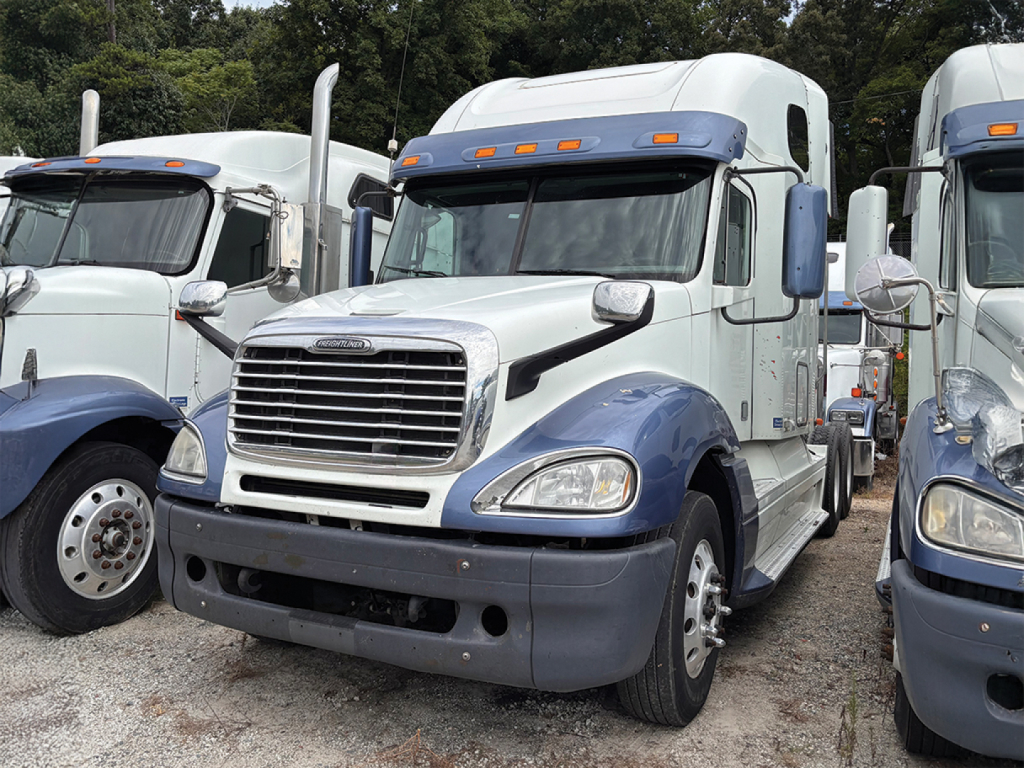
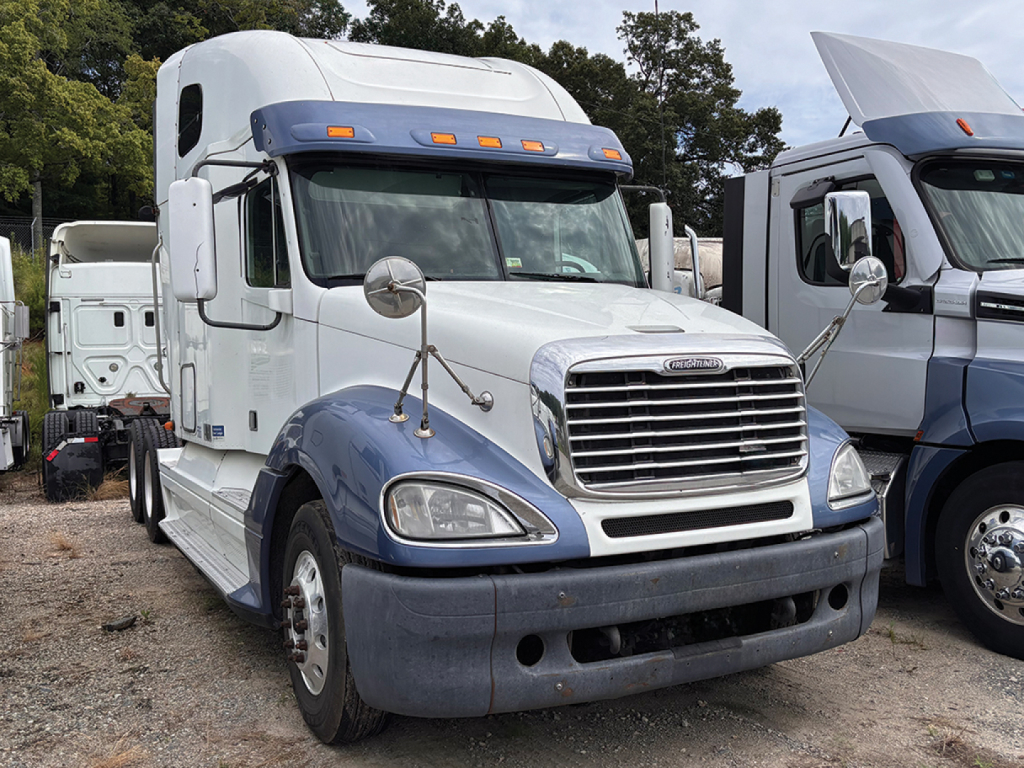
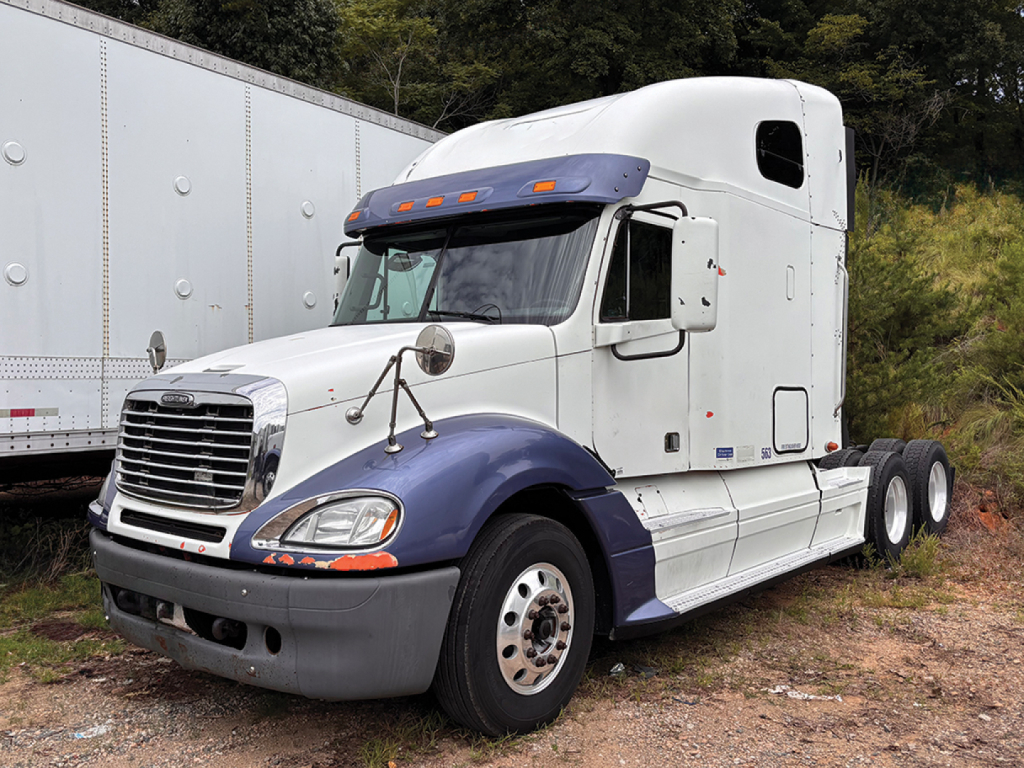
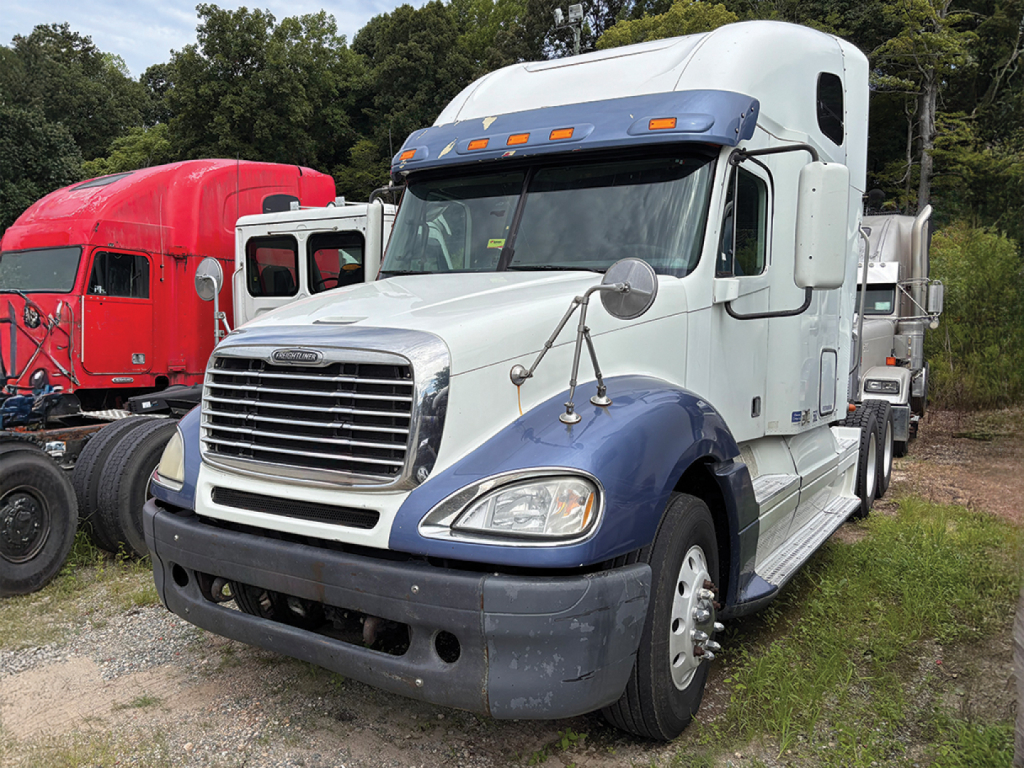
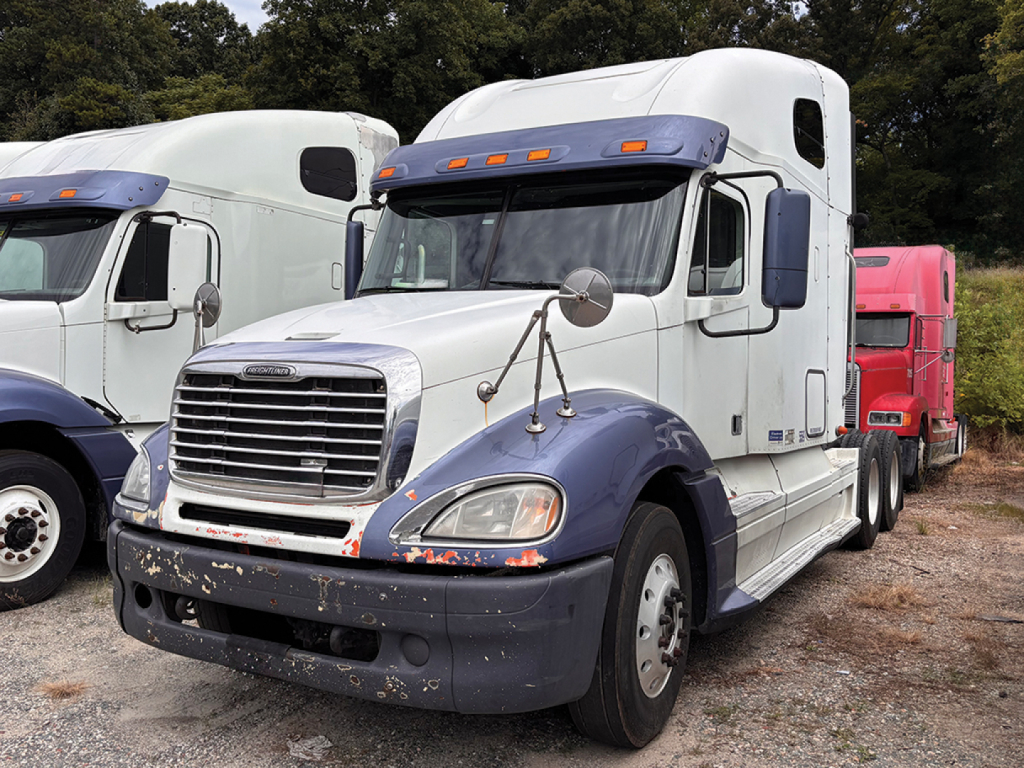

Have 2011 conventional sleeper truck to sell? List it here to reach thousands of buyers.
2011 Conventional Sleeper Trucks in North Carolina
The biggest buying decisions usually come down to powertrain, emissions system design, and cab layout. Many 2011 conventional sleepers were spec'd with engines in the 425 to 500 horsepower range from Detroit, Cummins, Volvo, or Caterpillar in glider applications, paired with 10-speed, 13-speed, or automated transmissions. Rear axle ratios often vary from economy-focused highway specs in the 2.64 to 3.08 range up to deeper ratios better suited for heavier pulling or mixed terrain. Buyers in North Carolina should pay attention to route profile and average gross weight. A tall-geared fleet tractor may be efficient on I-40 and I-95 linehaul work, while a heavier vocational-style sleeper spec may feel better in the hills or with dense freight. If the truck will run mostly highway miles, aerodynamics, fairings, and cruise-friendly gearing deserve close attention.
Sleeper configuration matters more than many first-time buyers expect. A 62-inch to 72-inch raised-roof sleeper is common in this category and can change both resale appeal and day-to-day usability. Look at bunk arrangement, cabinet space, fuel tank capacity, APU preparation, inverter setup, and the condition of the HVAC and insulation. On the chassis side, check the fifth wheel type and travel, frame condition, tire size, brake configuration, and suspension wear points. Many buyers also compare aluminum versus steel wheels, low-profile 22.5 tires versus taller rubber, and the presence of features like engine brakes, power windows, telescoping steering, and air slide fifth wheels. In a used 2011 truck, maintenance history often matters more than appearance, especially for clutch life, transmission condition, DPF service, cooling system work, and any evidence of prior frame or suspension repairs.
North Carolina buyers often see a mix of fleet-spec aerodynamic sleepers and older owner-operator style conventionals, so the right truck depends on how the business will use it. A lighter, more aerodynamic sleeper tractor can make sense for fuel-sensitive van or reefer freight. A longer-wheelbase conventional may be preferred for ride quality, appearance, or specialized trailer pairings. If the truck is a glider kit, confirm component age, engine serial details, registration requirements, and how that spec fits your insurance and compliance needs. A well-matched 2011 conventional sleeper can still be a productive road tractor when the drivetrain, sleeper size, axle ratio, and maintenance record align with the freight it is expected to haul.
Frequently Asked Questions about 2011 Conventional Sleeper Trucks in North Carolina
What should I look for first on a 2011 conventional sleeper truck?
Start with the engine, transmission, rear axle ratio, and emissions equipment because those items determine operating cost and application fit. A 2011 sleeper tractor may be ideal for highway linehaul, but the wrong gearing or an overdue aftertreatment system can quickly change the ownership picture. After that, inspect sleeper condition, frame rails, suspension, fifth wheel wear, tire condition, and service records. On a truck of this age, documented maintenance is often more valuable than cosmetic upgrades.
Are 2011 conventional sleeper trucks good for long-haul freight?
Yes, many 2011 conventional sleeper trucks were built specifically for long-haul work. Typical specs include raised-roof sleepers, tandem drive axles, large fuel capacity, and highway gearing suited for dry van, reefer, and general freight. The key is matching the cab and drivetrain to the route. For frequent overnight runs, sleeper size, bunk layout, storage, and climate control are just as important as horsepower.
What horsepower and transmission choices are common in a 2011 sleeper tractor?
A 2011 conventional sleeper commonly falls in the 425 to 500 horsepower range, depending on make, engine family, and original fleet or owner-operator spec. Manual 10-speed and 13-speed transmissions are common, and some units may also have automated manual transmissions. Lower numerical rear axle ratios usually favor fuel economy on flat interstate work, while deeper ratios can help with heavier loads and hillier terrain.
Why does sleeper size matter on a conventional truck?
Sleeper size affects driver comfort, storage, wheelbase, and sometimes resale demand. A 62-inch sleeper may work well for shorter overnights or regional lanes, while a 70-inch or 72-inch raised-roof sleeper usually provides better stand-up room, cabinet space, and livability for extended trips. Larger sleepers can also influence turning radius and total tractor length, so they should be considered alongside route type and trailer setup.
Is a 2011 glider sleeper truck different from a standard 2011 sleeper tractor?
Yes. A glider kit truck uses a new or remanufactured chassis and cab assembly combined with a drivetrain sourced separately, often from an older engine platform. That can change emissions considerations, parts sourcing, registration details, and long-term maintenance planning. Buyers should verify engine serial information, build documentation, component age, and state compliance requirements before choosing a glider over a standard factory-built 2011 sleeper tractor.