
2011 Freightliner Conventional Sleeper Trucks For Sale in North Carolina
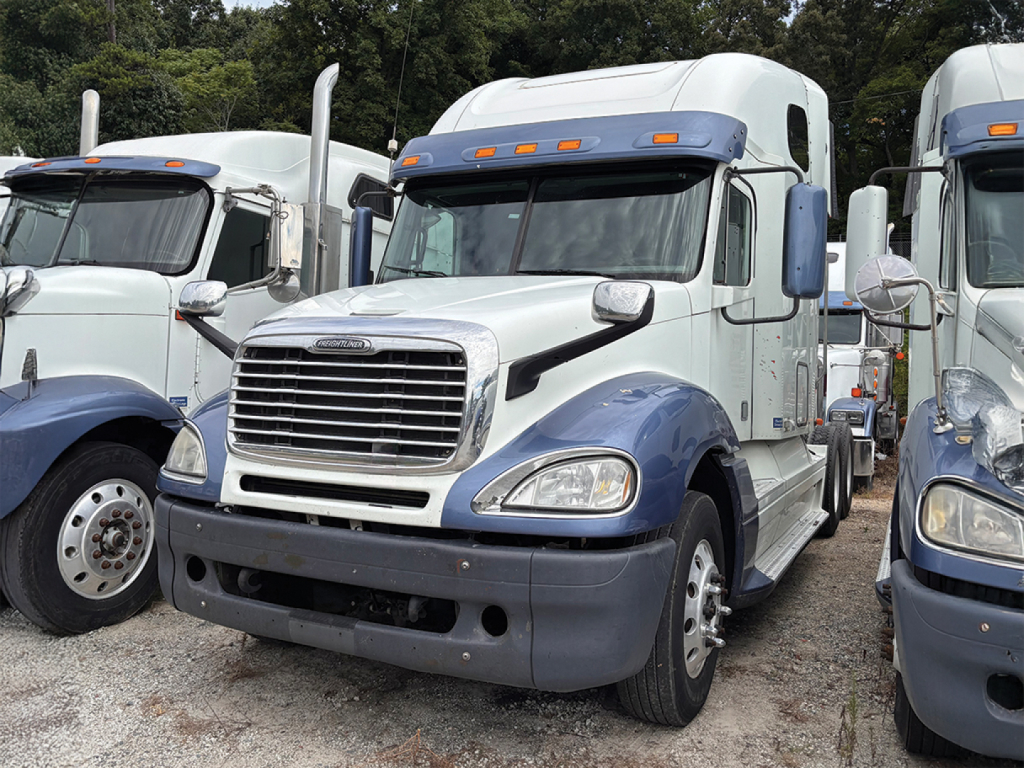
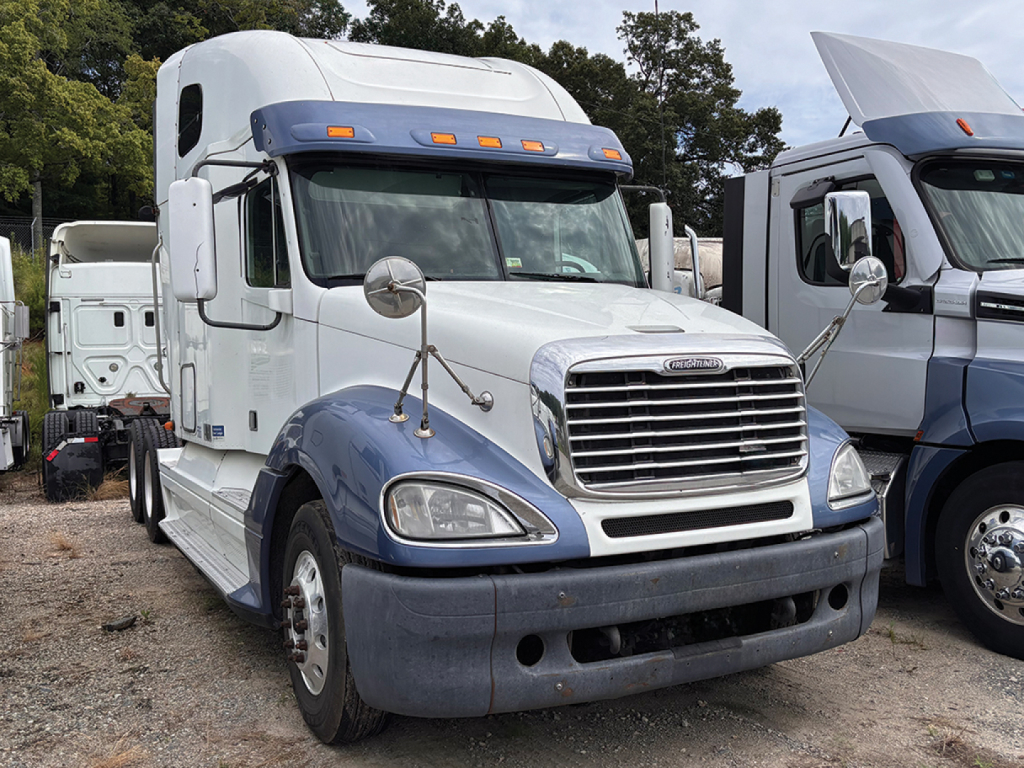
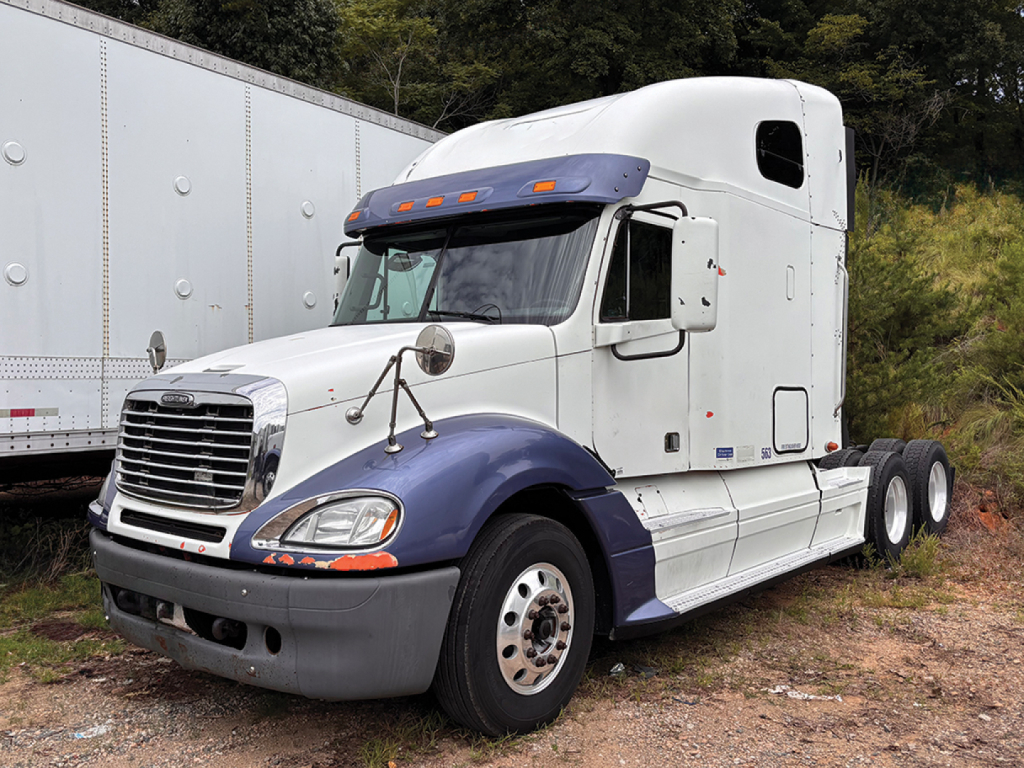
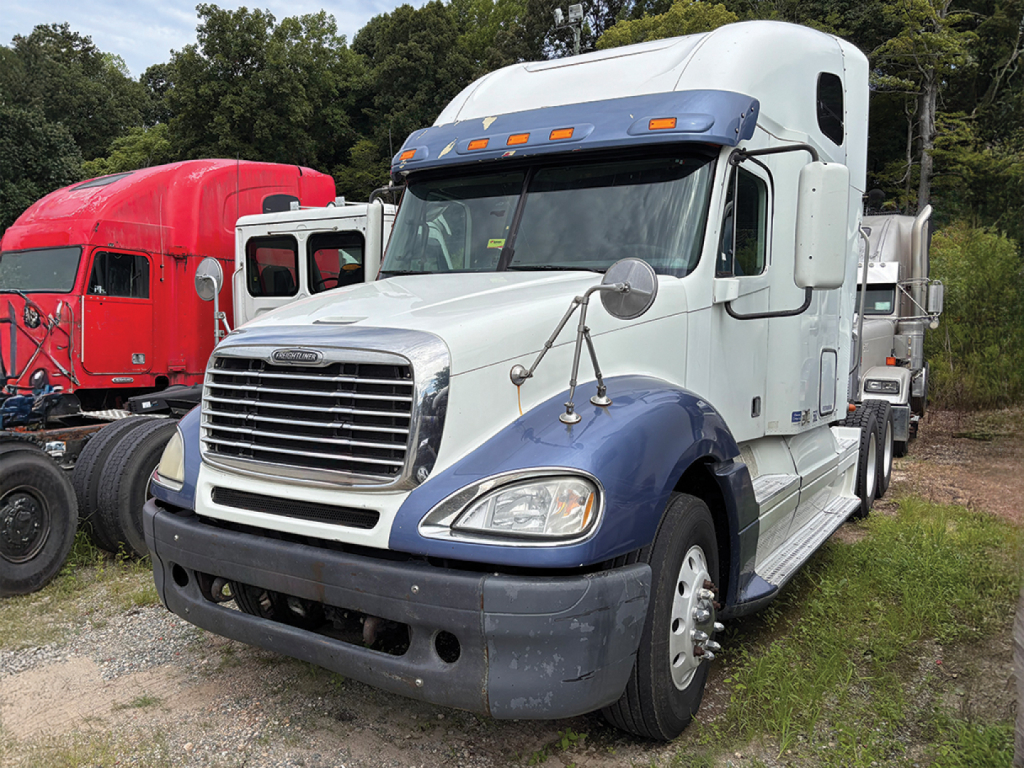
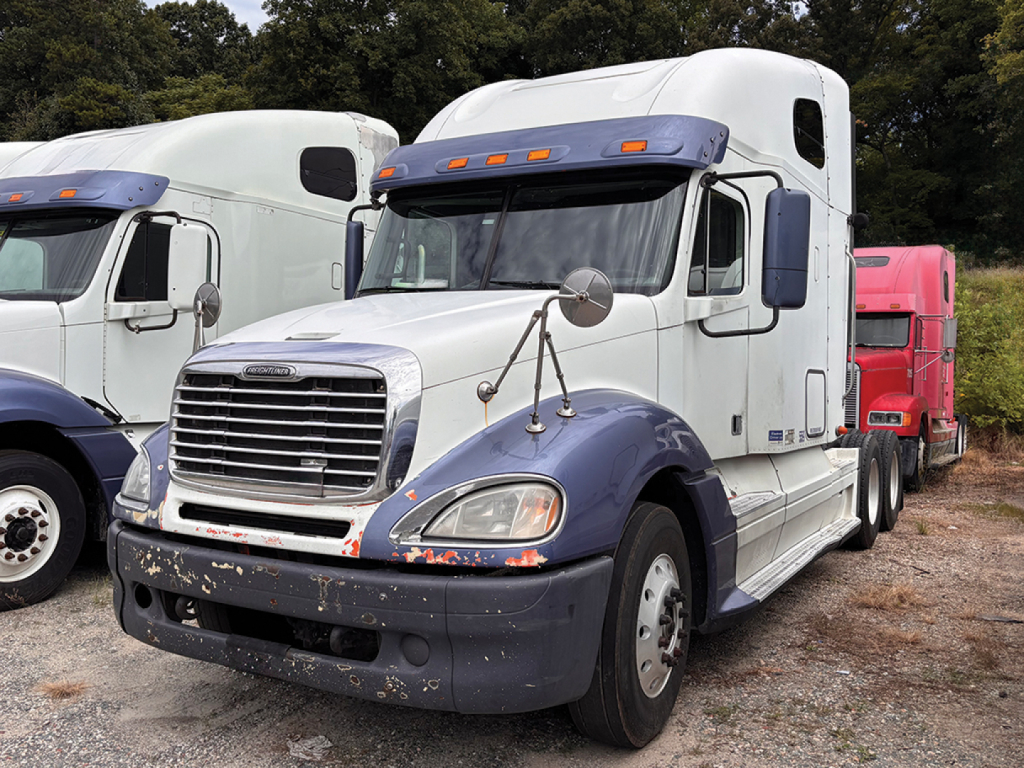

Have 2011 freightliner conventional sleeper truck to sell? List it here to reach thousands of buyers.
2011 Freightliner Conventional Sleeper Trucks in North Carolina
For a 2011 model, the main buying decision usually centers on engine and emissions equipment. Many trucks from this period were spec'd with Detroit DD13 or DD15 engines, though some vocational or fleet-retained units may vary. Buyers should pay close attention to horsepower and torque ratings, rear axle ratio, transmission type, and whether the truck was built for fuel mileage or heavier gross weights. A 10-speed manual, 13-speed manual, or automated transmission can each make sense depending on lane profile and driver preference. Typical sleeper sizes range from mid-roof to raised-roof configurations, often in the 60-inch to 72-inch range, which matters if the truck will stay out for multiple nights at a time.
Chassis details affect usability more than many first-time buyers expect. Wheelbase, fifth wheel travel, suspension type, and fuel capacity all influence how the truck performs in real work. Fleet-spec tractors often prioritize lighter weight and efficiency with fairings, lower ride height, and conservative axle ratios. Owner-operator specs may lean toward larger tanks, more storage, premium interior trim, and longer wheelbases. In North Carolina and across the Southeast, cooling system condition, APU history, bunk HVAC operation, and corrosion around battery boxes, cab mounts, and frame hardware are worth close inspection because regional heat and humidity can expose weak points quickly.
A good 2011 Freightliner conventional sleeper should be evaluated as a complete operating package, not just by engine make or odometer reading. Service records, DPF and aftertreatment history, clutch life, suspension wear, and signs of prior body or frame repair all matter. Buyers comparing multiple listings should also confirm sleeper layout, bunk count, tire size, front axle rating, and tandem capacity, especially if the truck may be reassigned from dry van work to reefer, flatbed, or heavier dedicated freight. When the spec matches the route, these Freightliner sleeper tractors remain a durable and cost-conscious option in the used truck market.
Frequently Asked Questions about 2011 Freightliner Conventional Sleeper Trucks in North Carolina
What engines are commonly found in a 2011 Freightliner conventional sleeper truck?
Many 2011 Freightliner conventional sleeper trucks were equipped with Detroit DD13 or DD15 engines, especially in highway sleeper applications. The exact engine matters because it affects fuel economy, maintenance cost, torque delivery, and aftertreatment performance. Buyers should verify horsepower, torque rating, emissions configuration, and documented maintenance on the EGR, DPF, and related components before making a decision.
Is a 2011 Freightliner sleeper good for long-haul use?
Yes, a properly spec'd 2011 Freightliner conventional sleeper can be a strong long-haul truck, especially if it has the right sleeper size, fuel capacity, gearing, and engine rating for the lane. Raised-roof sleepers, larger tanks, and highway gearing are generally better for over-the-road work. The truck should also be checked for bunk HVAC performance, interior wear, and suspension condition because driver comfort and stability matter on multi-day runs.
What should I inspect first on a used 2011 Freightliner conventional sleeper?
Start with emissions system history, engine diagnostics, and service records. After that, inspect the DPF system, cooling system, transmission, clutch if equipped, suspension bushings, steering components, and tire wear pattern. On a sleeper tractor, buyers should also confirm that the bunk equipment works properly, that there are no water leaks around the sleeper or roof seams, and that the frame and cab mounts show no serious corrosion or accident repair.
What sleeper size is typical on a 2011 Freightliner conventional truck?
Many 2011 Freightliner conventional sleepers were built with mid-roof or raised-roof sleeper cabs, often around 60 to 72 inches. The right size depends on the run. A shorter sleeper can work well for regional freight with occasional overnights, while a larger raised-roof sleeper is usually better for team driving or extended over-the-road use. Storage, bunk layout, and standing room can be just as important as the stated sleeper length.
Are 2011 Freightliner conventional sleeper trucks expensive to maintain?
Maintenance cost depends heavily on engine condition, aftertreatment history, mileage, and prior upkeep. Freightliner trucks generally benefit from broad parts availability and strong shop familiarity, which can help control downtime and repair logistics. However, a neglected 2011 emissions-era truck can become expensive quickly, so documented maintenance and a thorough pre-purchase inspection are more important than a low asking price alone.