
2002 Conventional Sleeper Trucks For Sale in North Carolina
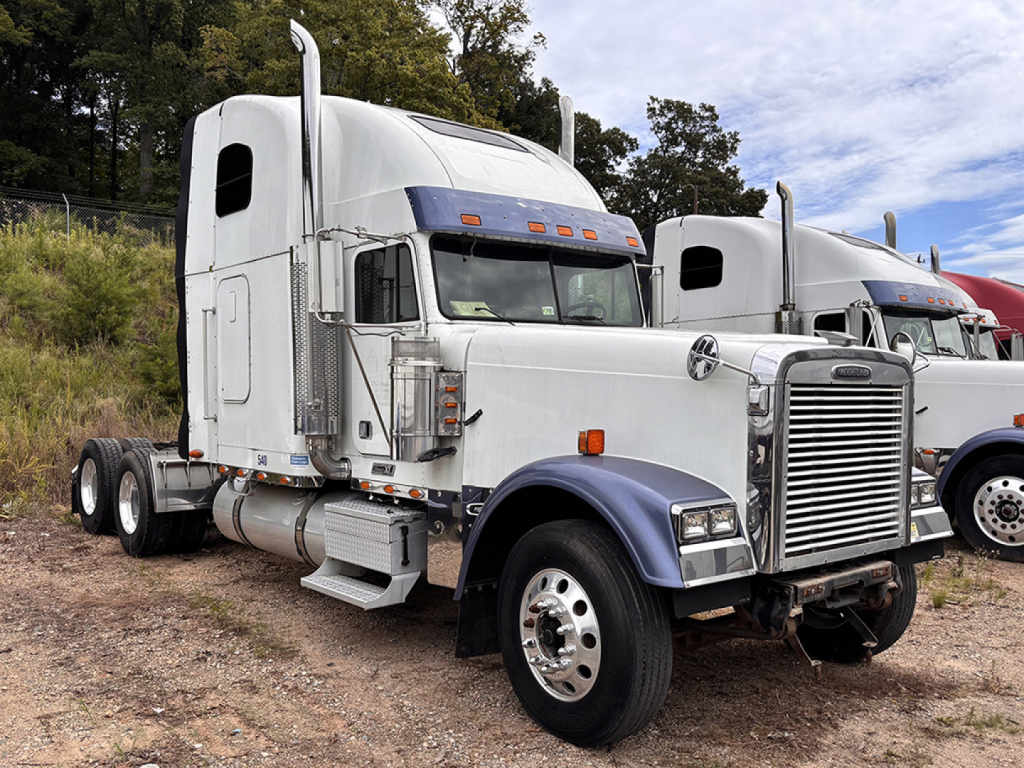

Have 2002 conventional sleeper truck to sell? List it here to reach thousands of buyers.
2002 Conventional Sleeper Trucks in North Carolina
For North Carolina buyers, the right spec often depends on lane profile. Trucks running I-40, I-85, or port-related freight may need a balance between highway gearing and enough horsepower for heavier loads or Appalachian grades. A 3.36 or 3.55 rear ratio can suit mixed service, while taller gearing may favor fuel mileage on flatter interstate work. Wheelbase matters too. Longer wheelbase trucks can ride well and leave room for larger sleepers, fuel capacity, headache racks, or wet kits, but they are less forgiving in tight yards and urban docks. Air ride suspension, sliding fifth wheel position, and fuel tank layout also affect day-to-day usability.
Sleeper configuration is another major decision on a 2002 conventional sleeper. Flat-top, mid-roof, and high-roof designs each serve a different job. A smaller sleeper may be enough for short overnights or regional lanes, while a 63-inch to 72-inch bunk is better suited to extended trips and owner-operator use. Interior condition matters on older trucks because seat wear, bunk trim, HVAC performance, gauges, switches, and sleeper seals can tell you a lot about how the truck was maintained. Buyers should also look closely at frame condition, suspension bushings, steer axle wear, drives, brakes, clutch life, and any signs of oil, coolant, or fuel system issues.
A well-chosen 2002 conventional sleeper can still be a practical truck for agriculture, flatbed, dry van, hopper, livestock, or specialized regional hauling, especially where mechanical simplicity and serviceability matter more than late-model electronics. The best value usually comes from matching the truck's engine history, axle spec, and sleeper setup to the freight you actually plan to haul. Service records, overhaul documentation, tire date codes, wetline installation quality, and evidence of prior heavy-haul or off-road use are often more important than appearance alone when comparing older conventional sleeper trucks for sale.
Frequently Asked Questions about 2002 Conventional Sleeper Trucks in North Carolina
What is a conventional sleeper truck?
A conventional sleeper truck is a hood-style road tractor with a sleeper compartment mounted behind the cab. It is designed for drivers who spend nights on the road and need space for rest, storage, and basic living functions. In the used market, conventional sleeper trucks are commonly chosen for long-haul, regional, and specialized freight because they offer a wide range of wheelbases, engine options, and sleeper sizes.
What engines are common in 2002 conventional sleeper trucks?
Common engine platforms in 2002 conventional sleeper trucks include the Caterpillar 3406E and C15, Cummins N14 and early ISX variants, and the Detroit Diesel Series 60. These engines are popular because parts availability remains strong and many technicians are familiar with them. The best choice depends on your load profile, preferred service network, and whether you want a simpler pre-emissions era powertrain with strong mechanical support.
What should I inspect first on a 2002 conventional sleeper truck?
Start with maintenance records, engine condition, transmission operation, rear axle ratio, and evidence of major repairs. After that, inspect the frame rails, suspension, steering components, brakes, tires, fifth wheel, and sleeper interior. On a truck of this age, coolant leaks, blow-by, wiring repairs, HVAC performance, and uneven tire wear can reveal expensive problems quickly. A full pre-purchase inspection and fluid analysis are smart steps before committing to an older sleeper tractor.
Is a 2002 conventional sleeper truck good for long-haul work?
It can be, if the truck has the right sleeper size, gearing, fuel capacity, and maintenance history for the lanes you plan to run. Many 2002 conventional sleepers were built with durable drivetrains and straightforward systems that still work well in long-distance service. The tradeoff is age-related wear, potential downtime, and fewer modern comfort or safety features compared with newer highway tractors.
How do I choose the right sleeper size on a used conventional truck?
Choose sleeper size based on trip length, driver preference, and how much storage you need. Smaller sleepers work for short regional overnights and can keep wheelbase tighter. Larger 63-inch, 72-inch, or high-roof sleepers are better for extended time on the road because they provide more bunk space, cabinet storage, and livability. On older trucks, condition of the bunk area and climate control can matter just as much as the sleeper's stated dimensions.