
2002 Conventional Sleeper Trucks For Sale
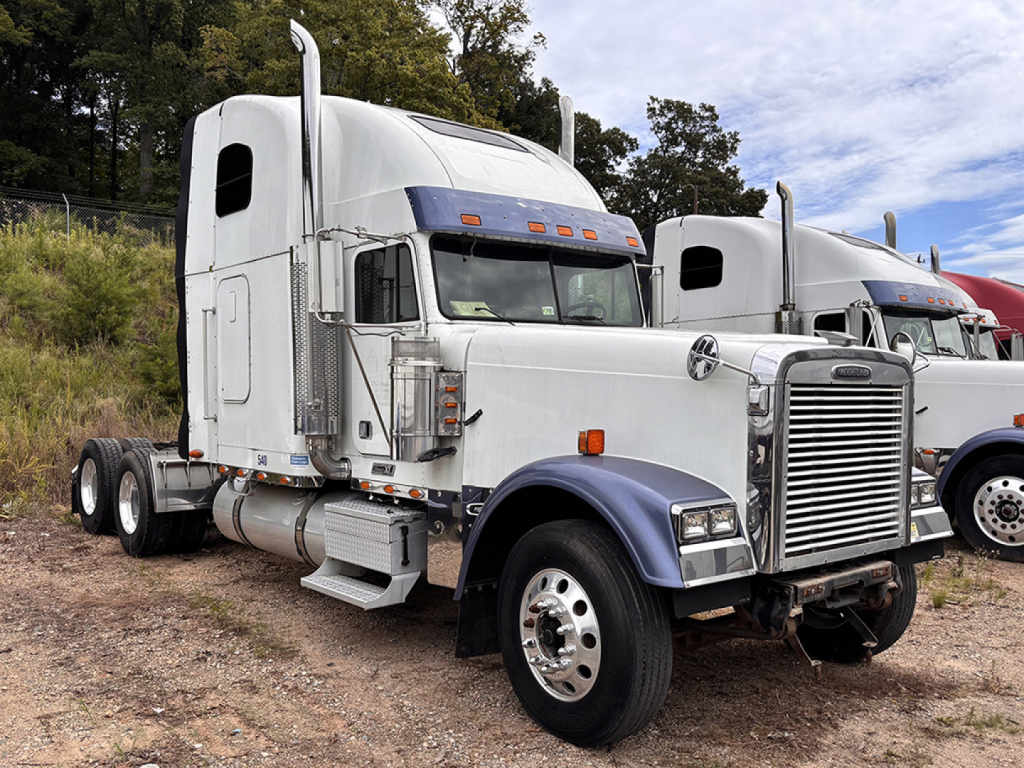

Have 2002 conventional sleeper truck to sell? List it here to reach thousands of buyers.
2002 Conventional Sleeper Trucks
Most 2002 conventional sleeper tractors were built for over-the-road freight and commonly appear in 6x4 tandem axle configurations with raised-roof or mid-roof sleepers. Typical sleepers from this era range from about 60 inches to 72 inches, with some larger condo-style layouts available depending on make and model. Expect to compare wheelbase, fuel capacity, fifth wheel setup, and suspension type, especially if the truck will be assigned to dry van, reefer, flatbed, or dedicated regional lanes. Buyers should also look closely at front axle ratings, rear suspension condition, brake type, and tire size, since these directly affect ride, payload match, and operating cost.
On a 2002 model, the powertrain matters more than any brochure feature. Common engines in this class can include Detroit Diesel Series 60, Caterpillar C12 or C15, Cummins N14, ISM, or early ISX variants, depending on the original spec and the truck brand. Manual transmissions are still common in this year group, although some automated options may appear. Check horsepower and torque ratings against your intended gross combination weight, then match that to axle ratio and transmission gearing for the kind of work you actually run. A truck set up for long interstate miles may feel very different from one spec'd for heavier pulls, mountain routes, or vocational crossover work.
Condition is everything on a used 2002 sleeper tractor. Buyers should inspect engine history, overhead records, clutch life, differential condition, suspension wear, frame corrosion, cab mounts, sleeper seals, HVAC performance, and any signs of wiring repairs or dash warning issues. Interior wear tells you a lot about how the truck was treated, and sleeper condition matters if the tractor will stay on multi-day runs. A well-kept 2002 conventional sleeper can still be a practical choice for an owner-operator, farm fleet, export buyer, or small carrier that wants a straightforward highway tractor with less electronic complexity than many newer models.
Frequently Asked Questions about 2002 Conventional Sleeper Trucks
What should I look at first when buying a 2002 conventional sleeper truck?
Start with the engine, transmission, rear axle ratio, and maintenance history. On a 2002 model, those items have a bigger impact on long-term value than cosmetic appearance. Verify major repair records, mileage if available, engine family, clutch condition, and any evidence of in-frame work, differential repairs, or electrical issues. The sleeper and cab condition also matter because water leaks, HVAC problems, and worn interior components can add cost quickly.
Are 2002 conventional sleeper trucks good for over-the-road use?
They can be, if the truck was originally spec'd for highway service and has been maintained properly. Many 2002 conventional sleepers were built for long-haul freight with tandem drive axles, larger fuel capacity, and raised-roof sleeper configurations. The best candidates for over-the-road use will have the right wheelbase, gearing, suspension, and sleeper layout for sustained interstate miles, plus a powertrain that matches your freight weight and terrain.
What engines are common in 2002 conventional sleeper tractors?
Common engine options from that period include Detroit Diesel Series 60, Caterpillar C12 and C15, Cummins N14, Cummins ISM, and some early ISX applications. Availability depends on the truck make and the original fleet or owner-operator spec. Buyers often shop this year specifically for proven engine platforms and simpler emissions configurations, but the real value comes from service history, rebuild quality, and how the engine is matched to the rest of the drivetrain.
How important is sleeper size on a 2002 conventional truck?
Sleeper size affects driver comfort, storage, resale appeal, and route suitability. A mid-roof or shorter sleeper may work well for regional freight or occasional overnight use, while a 70-inch or larger raised-roof sleeper is usually better for long-haul operations. On older trucks, it is also important to inspect the sleeper structure itself, including bunk hardware, cabinets, weather seals, insulation, and HVAC performance.
Why do some buyers still shop for 2002 sleeper trucks instead of newer models?
The main reasons are lower entry cost, simpler mechanical systems, and preference for older engine platforms. Many buyers want a truck they can service with fewer electronic dependencies than a newer emissions-era tractor. That can make a 2002 conventional sleeper attractive for owner-operators, small fleets, farm use, or export markets, provided the truck passes a careful inspection and the maintenance history supports its condition.