
2002 Freightliner Conventional Sleeper Trucks For Sale in North Carolina
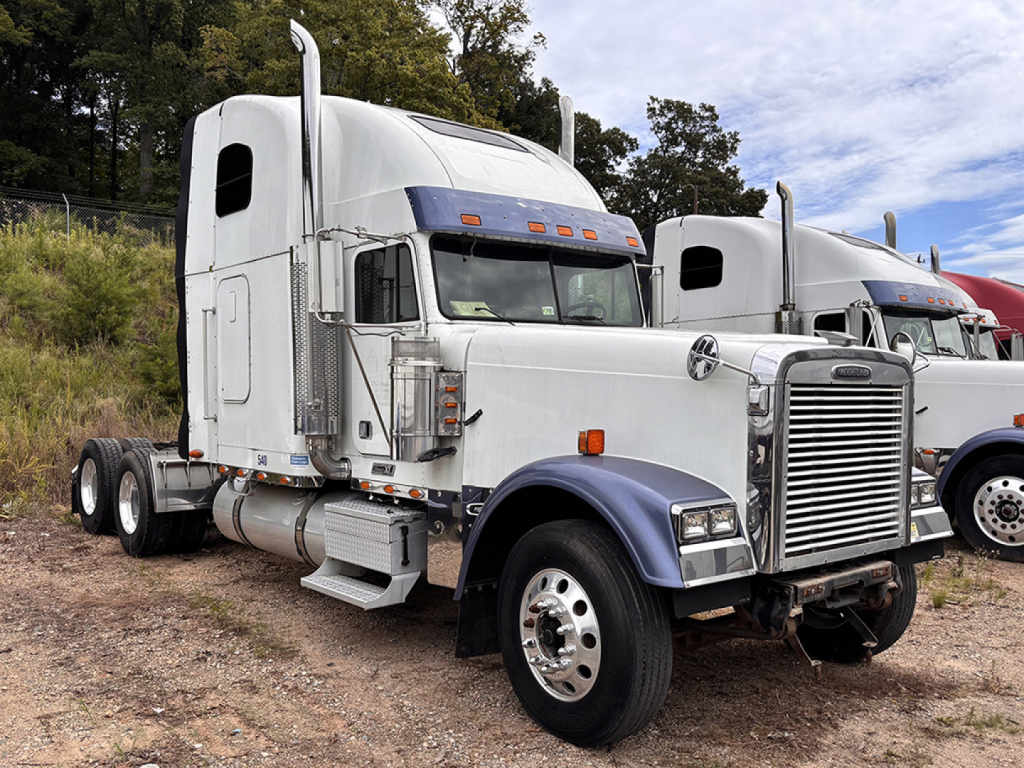

Have 2002 freightliner conventional sleeper truck to sell? List it here to reach thousands of buyers.
2002 Freightliner Conventional Sleeper Trucks in North Carolina
The big spec decisions on a 2002 Freightliner sleeper usually start with engine family, transmission, rear axle ratio, and sleeper size. Many trucks from this era were ordered with Detroit Diesel power, often in the 12.7L range, paired with manual 10-speed or fuller overdrive transmissions. Horsepower ratings commonly fall in the low-to-mid 400 range, which is enough for general van, reefer, and flatbed work when matched to the right gearing. A 3.08 or 3.42 rear ratio changes how the truck behaves on the road, affecting cruise RPM, grade performance, and fuel economy. Wheelbase, air ride suspension, air slide fifth wheel, and fuel capacity should be checked against the trailer type and lane mix the truck will actually see.
Sleeper layout matters more than many buyers expect. A raised-roof 70-inch sleeper is common on long-wheelbase Freightliner conventionals and gives better stand-up room, more cabinet space, and a more usable bunk area for teams or extended trips. Interior condition, HVAC performance, bunk configuration, and cab insulation are worth close attention on a 2002 model because driver comfort directly affects retention and trip quality. Outside the cab, fairings, cab extenders, quarter fenders, and tank placement can also affect aerodynamics, access, and appearance, especially on trucks used in owner-operator applications where resale presentation matters.
For buyers in North Carolina, the right 2002 Freightliner conventional sleeper often comes down to balancing emissions simplicity, mechanical condition, and intended freight. Pre-emissions and early emissions-era trucks from this period appeal to operators who prefer less electronic complexity, but chassis age makes maintenance records, suspension wear, steering components, brake condition, and frame integrity especially important. A careful look at engine brake operation, clutch life, driveline vibration, tire wear patterns, and signs of prior fifth wheel or frame modifications will tell you more than the badge on the hood. A well-matched 2002 Freightliner sleeper can still be a dependable over-the-road tractor when the spec is right and the truck has been maintained with consistency.
Frequently Asked Questions about 2002 Freightliner Conventional Sleeper Trucks in North Carolina
What should I look for first on a 2002 Freightliner conventional sleeper truck?
Start with the powertrain spec and overall mechanical condition. Engine model, transmission type, rear axle ratio, and wheelbase determine how well the truck fits the freight you plan to haul. After that, inspect maintenance history, engine brake function, clutch wear, suspension condition, steering play, brake components, and frame rails. On a truck of this age, service records and evidence of consistent upkeep are usually more important than cosmetic appearance.
Are 2002 Freightliner sleeper trucks good for long-haul operation?
Yes, many 2002 Freightliner conventional sleepers were built specifically for over-the-road work. Raised-roof sleepers, tandem axles, dual fuel tanks, and highway gearing were common specs for long-distance freight. The key is matching the truck to the job. A long wheelbase and larger sleeper are better for extended trips, while axle ratio and horsepower need to support your trailer weight and the terrain on your regular lanes.
What engines and transmissions are common in this type of truck?
A 2002 Freightliner conventional sleeper will often be found with Detroit Diesel engines, including the 12.7L Series 60 in many used market examples, along with manual Eaton Fuller transmissions such as 10-speed or other overdrive setups. These combinations remain popular because they are familiar to many fleets and independent shops. Buyers should still confirm the exact engine rating, transmission model, and any rebuild or replacement history before making a decision.
How important is sleeper size on a conventional Freightliner?
Sleeper size has a direct effect on driver comfort, storage, and trip suitability. A 70-inch raised-roof sleeper is a common target for long-haul applications because it offers better living space, more headroom, and improved bunk usability. Smaller sleepers may work well for regional hauling with occasional overnight trips, but they are less practical for teams or drivers spending multiple nights on the road each week.
Why do rear axle ratio and wheelbase matter on a 2002 sleeper tractor?
Rear axle ratio affects road speed, engine RPM, fuel economy, and pulling performance. Lower numerical ratios such as 3.08 are generally favored for highway cruising, while higher ratios such as 3.42 can help with heavier loads or hillier routes. Wheelbase affects ride quality, trailer swing clearance, maneuverability, and how the truck carries weight across the axles. Those two specs together have a major impact on how the truck performs in daily service.