
Used 2022 Conventional Daycab Trucks For Sale in Oklahoma
Shop used 2022 conventional daycab trucks in Oklahoma. Compare wheelbase, axle ratings, powertrain specs, and regional hauling setups.
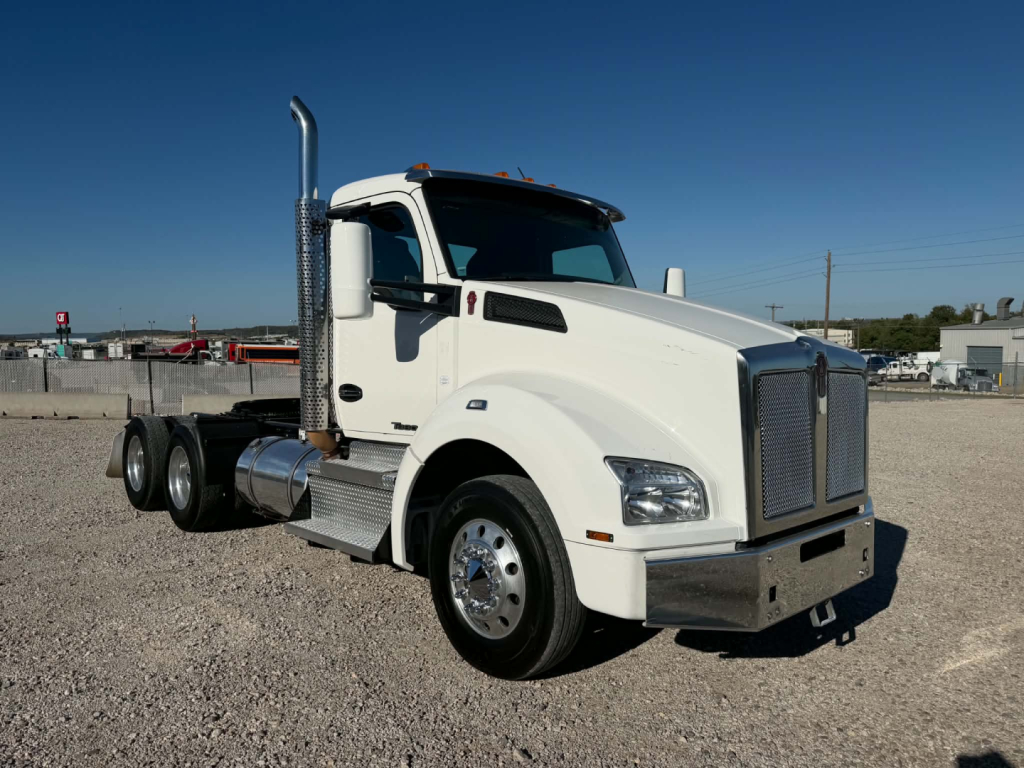
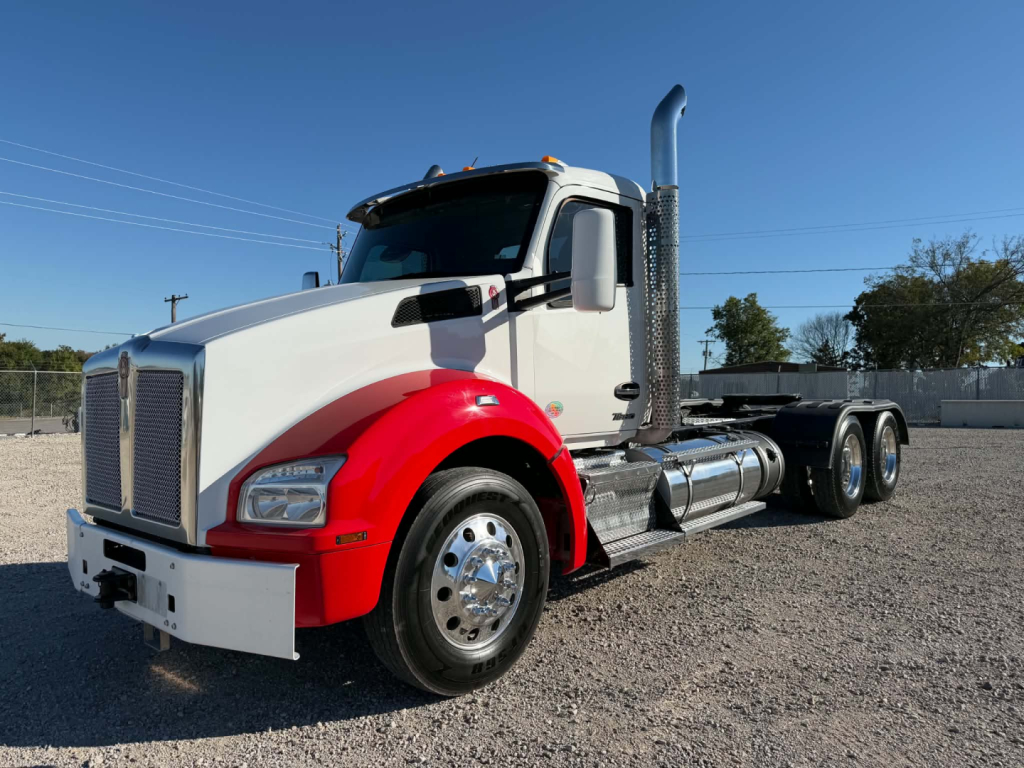
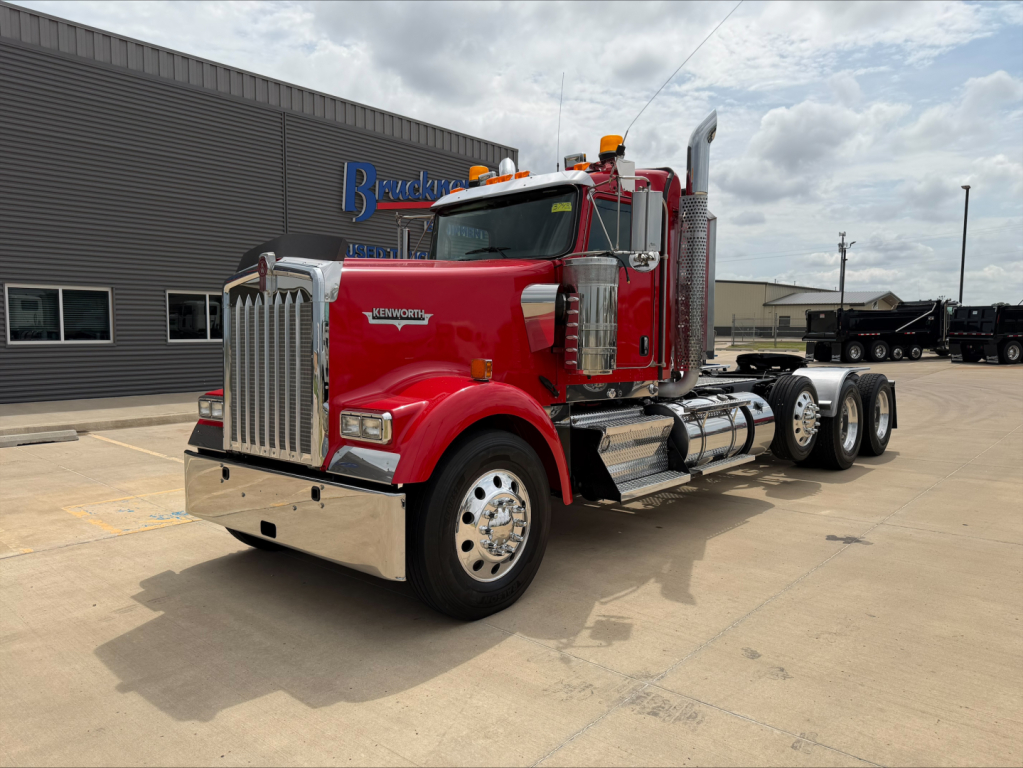

Selling a used 2022 conventional daycab truck? List your used 2022 conventional daycab truck for sale and reach thousands of commercial buyers.
Used 2022 Conventional Daycab Trucks in Oklahoma
The 2022 model year is a useful sweet spot in the market because many trucks are new enough to offer modern driver-assist and emissions systems, but old enough to show real-world maintenance history. Common specs in this class include 6x4 configurations, 12,000 to 13,300 pound front axles, 40,000 pound rears, air ride suspension, and wheelbases ranging from roughly 180 to 235 inches depending on the intended application. Engine ratings often fall between 400 and 505 horsepower, with torque selected around the trailer weight and terrain. Automated manual transmissions are common in fleet-spec highway tractors, while 10, 13, and 18-speed manuals still show up in heavier vocational or specialized hauling setups. Rear axle ratios such as 3.25, 3.55, or 3.70 can make a noticeable difference in cruise RPM, launch feel, and fuel economy.
A buyer comparing used conventional daycabs should pay close attention to fifth wheel style and position, frame layout, fuel capacity, and emissions history. An air-slide fifth wheel adds flexibility across trailer lengths and kingpin settings. Dual fuel tanks are common on regional tractors that need range without the added length of a sleeper. For heavier work, look at frame thickness, pusher or lift axle provisions, wet kit compatibility, and front axle capacity. Safety and driver convenience features can also matter on 2022 trucks, including collision mitigation, adaptive cruise control, lane departure alerts, and integrated telematics. Interior condition is important, but on a daycab the bigger value questions are hours, idle time, service records, brake and tire life, aftertreatment maintenance, and evidence of alignment or suspension wear.
Conventional daycab trucks are also known simply as daycab semi tractors or day cab tractors. The conventional hood layout gives easier engine access than a cabover and remains the dominant configuration for North American on-highway use. For Oklahoma buyers, the best setup usually comes down to lane profile and trailer pairing. A shorter wheelbase highway tractor can be easier in urban and plant environments, while a longer wheelbase with heavier axles and more horsepower may be better suited to end dump, tanker, hopper, flatbed, or oilfield-adjacent service. The right 2022 used daycab is less about brand alone and more about matching engine, transmission, axle ratio, suspension, and wheelbase to the work it will do every day.
Frequently Asked Questions about Used 2022 Conventional Daycab Trucks in Oklahoma
What is a conventional daycab truck best used for?
A conventional daycab truck is best for local and regional hauling where the driver returns home daily and does not need a sleeper berth. Common applications include dry van, reefer, flatbed, tanker, hopper, and vocational tractor work. The daycab layout reduces overall weight, shortens the truck compared with a sleeper tractor, and can improve maneuverability in yards, terminals, and tight delivery points.
What specs matter most when buying a used 2022 daycab?
The most important specs are wheelbase, front and rear axle ratings, engine horsepower and torque, transmission type, rear axle ratio, and suspension. Those items affect payload, trailer compatibility, turning radius, road speed, gradeability, and fuel economy. Buyers should also review fifth wheel setup, fuel tank size, tire size, brake condition, emissions service history, and any active safety systems included on the truck.
Are automated manual transmissions common in 2022 conventional daycabs?
Yes. Automated manual transmissions are very common in 2022 conventional daycab trucks, especially in fleet-maintained highway applications. They help standardize driver performance, reduce clutch wear, and can improve fuel economy when matched correctly to the engine and rear ratio. Manual transmissions still appeal to some buyers in heavy haul, vocational, or mixed-terrain service where specific gearing control is preferred.
How does wheelbase affect a daycab truck’s performance?
Wheelbase affects turning radius, ride quality, trailer clearance, bridge compliance, and how the truck carries weight across the axles. A shorter wheelbase is usually better for tight maneuvering and urban work. A longer wheelbase can improve straight-line stability, allow for larger fuel capacity or frame-mounted equipment, and better suit certain trailer and axle configurations. The correct wheelbase depends on trailer type, kingpin setting, and the operating environment.
Why does Oklahoma usage matter when choosing a used daycab?
Oklahoma operations often combine interstate miles with agricultural, construction, energy, and regional freight demands, so truck specification matters. Buyers may need a balance of highway gearing, durable suspension, and enough axle capacity for heavier trailers or rougher jobsite access. Heat, wind, and sustained highway speeds also make cooling system condition, tire quality, and aftertreatment health especially important when evaluating a used truck.