
Used 2020 Conventional Daycab Trucks For Sale in Pennsylvania
Shop used 2020 conventional daycab trucks in Pennsylvania. Compare wheelbase, engine, axle ratio, transmission, and daycab specs for regional haul.
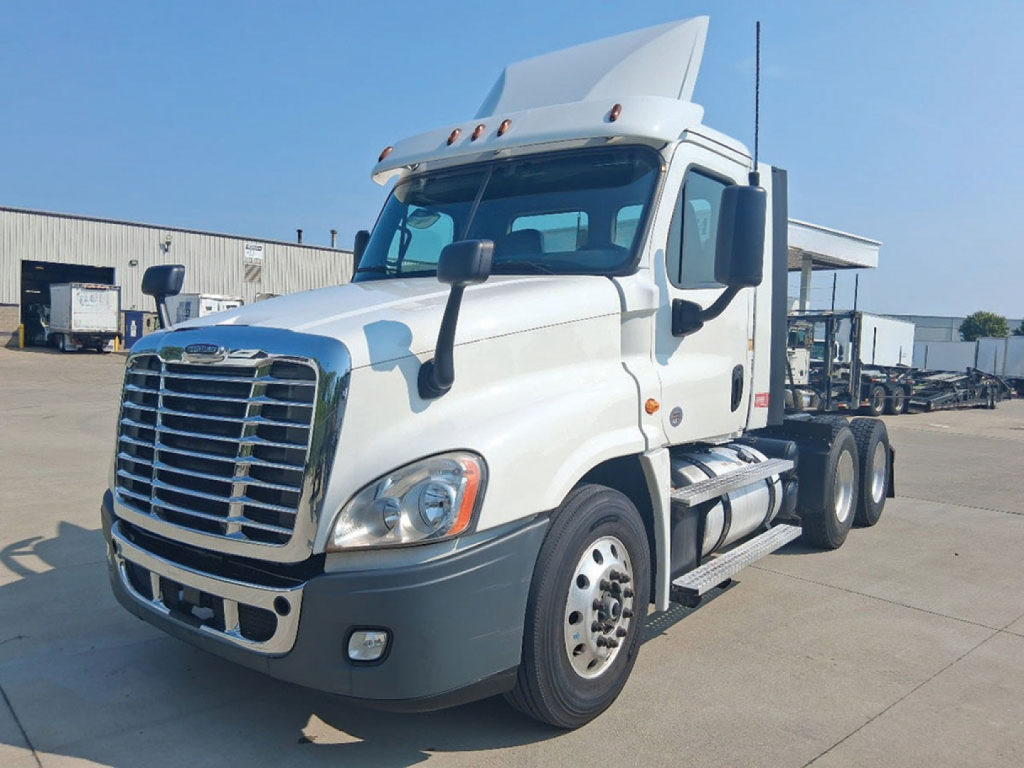
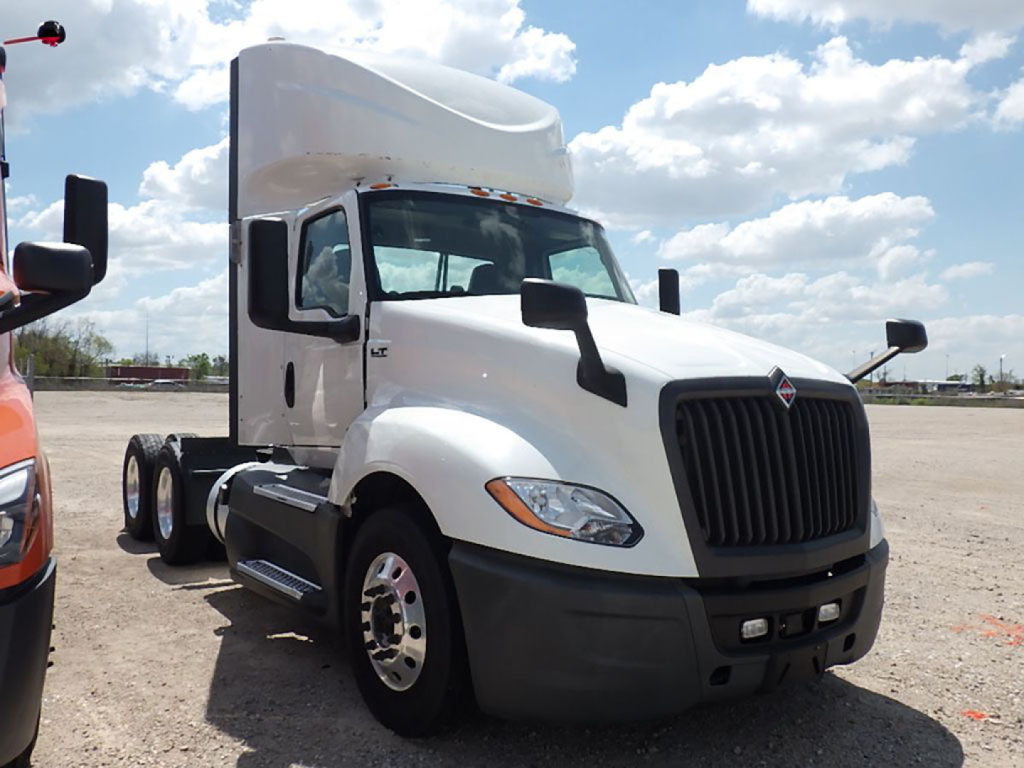
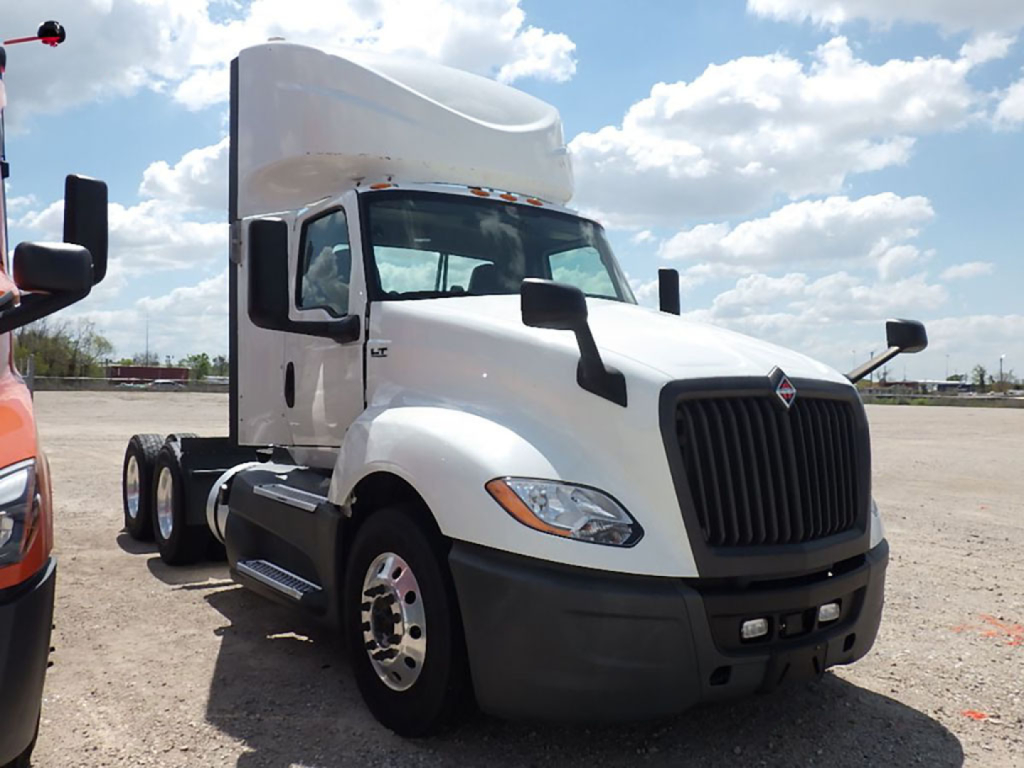
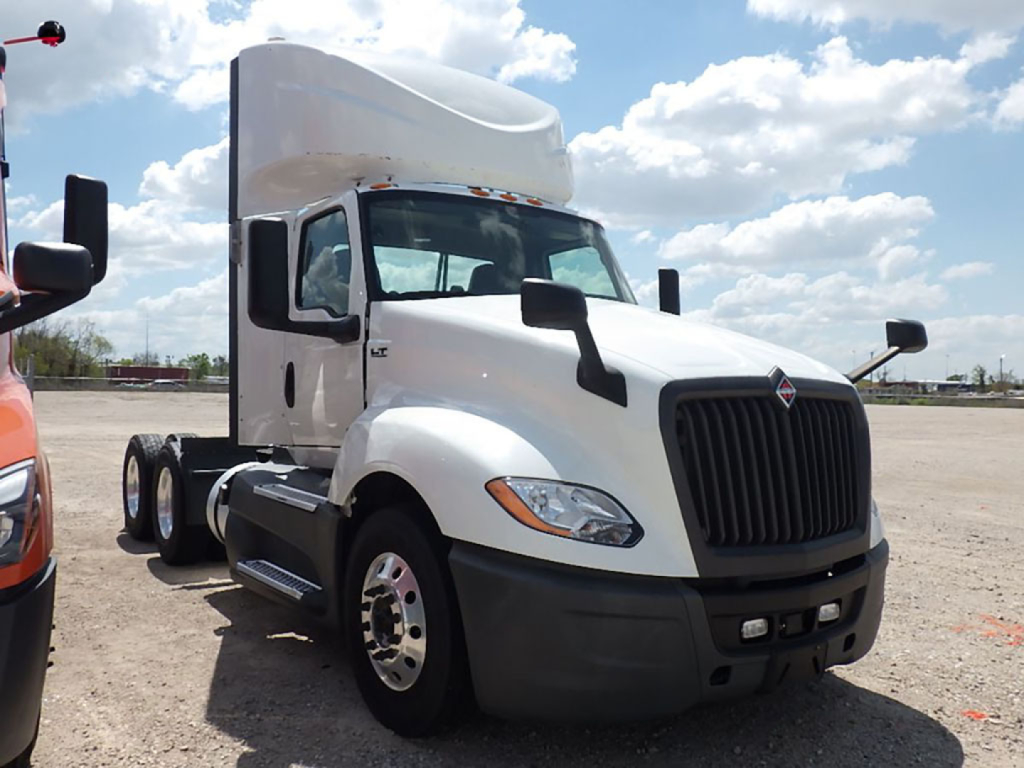
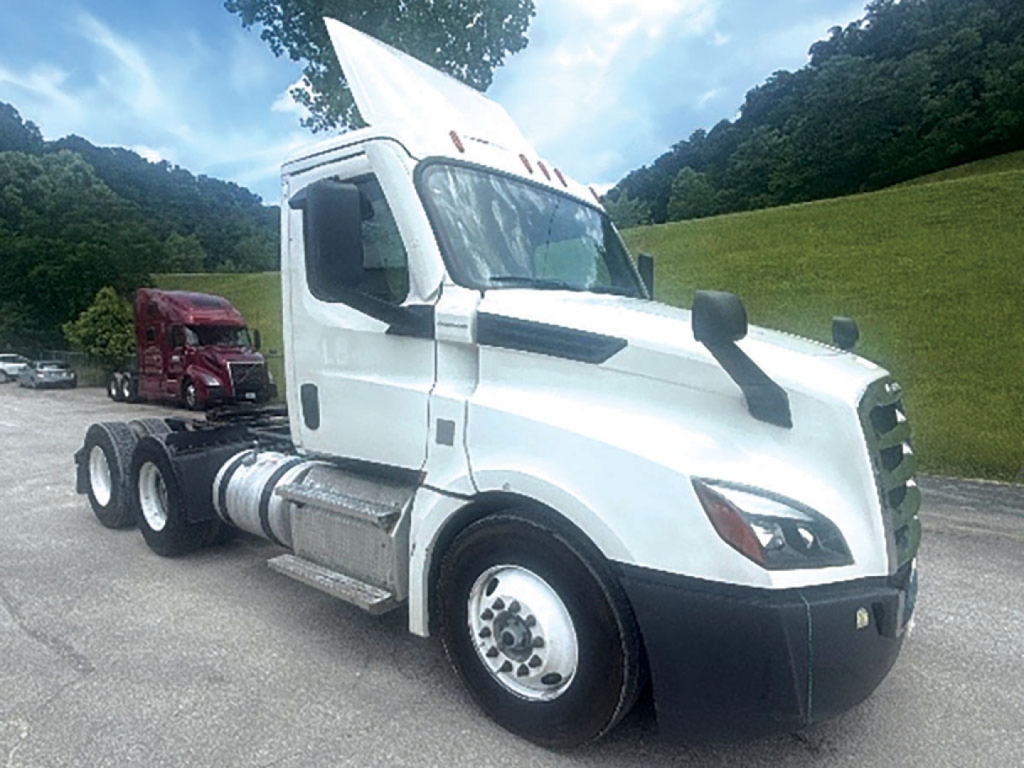
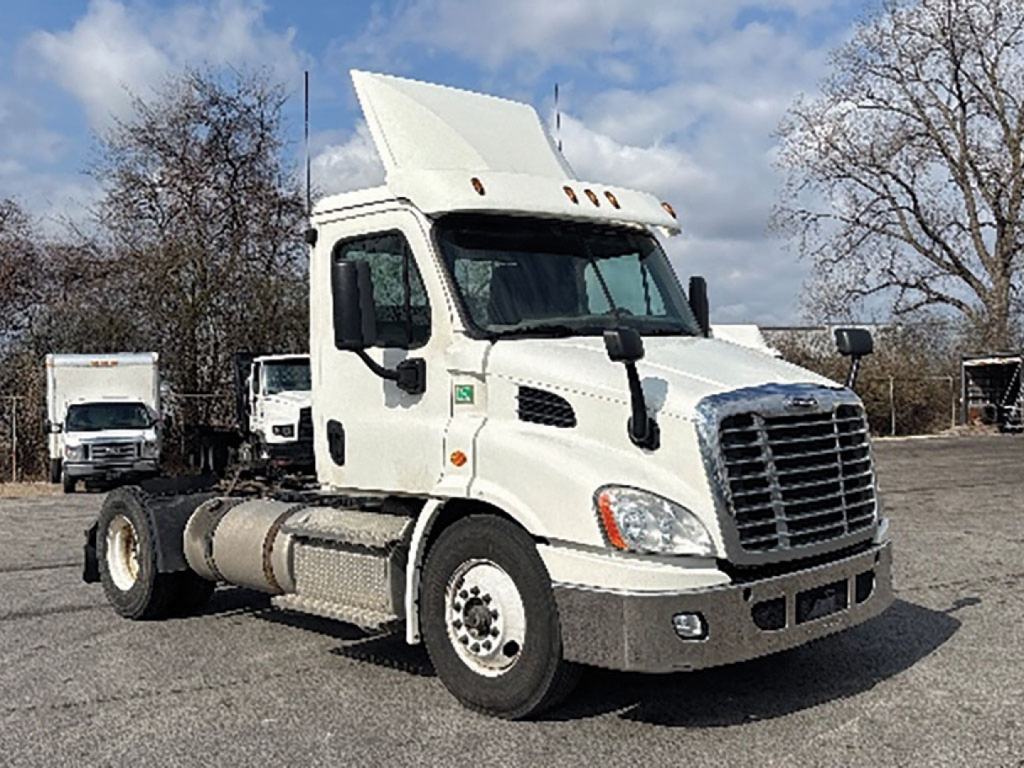
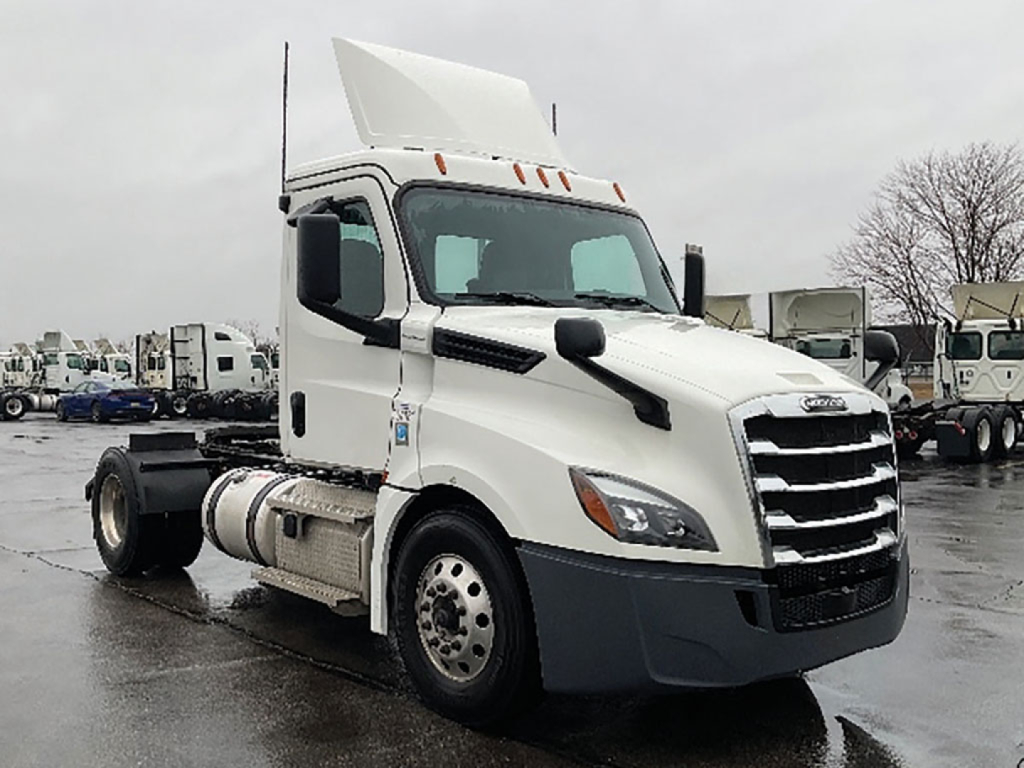
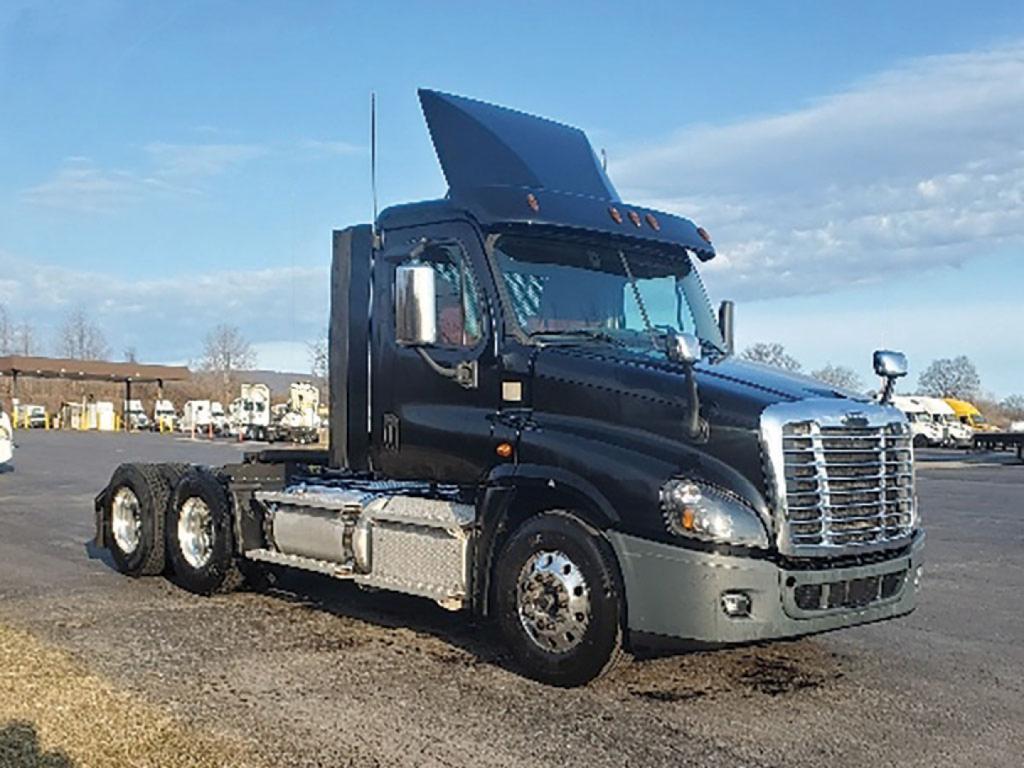
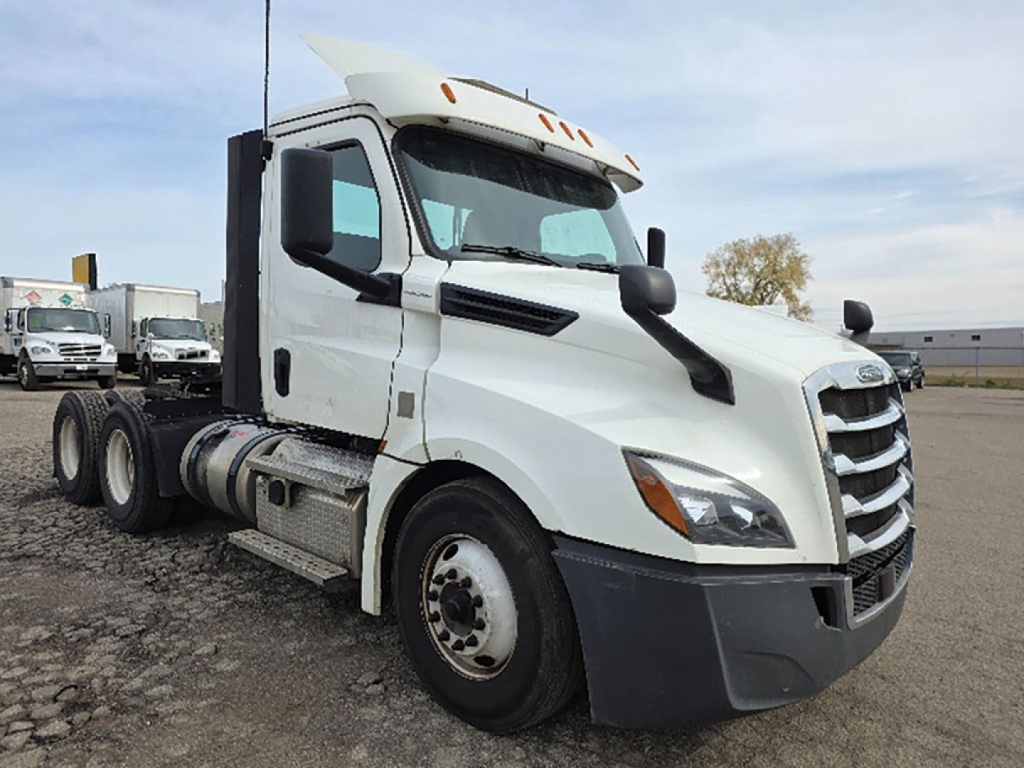
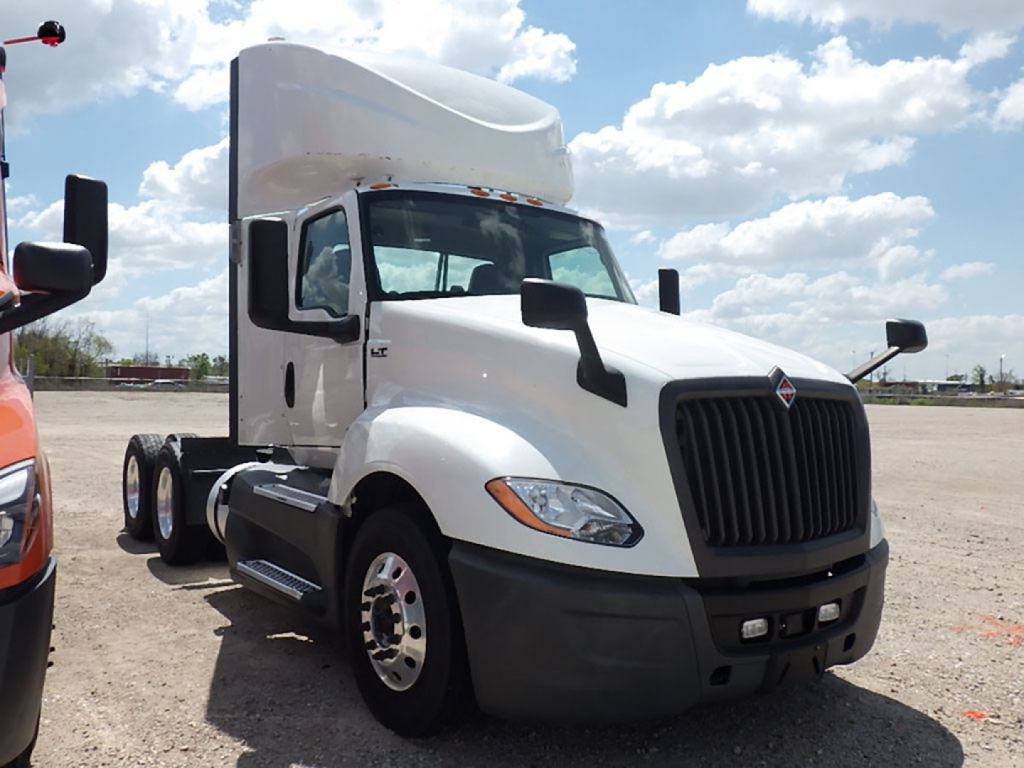
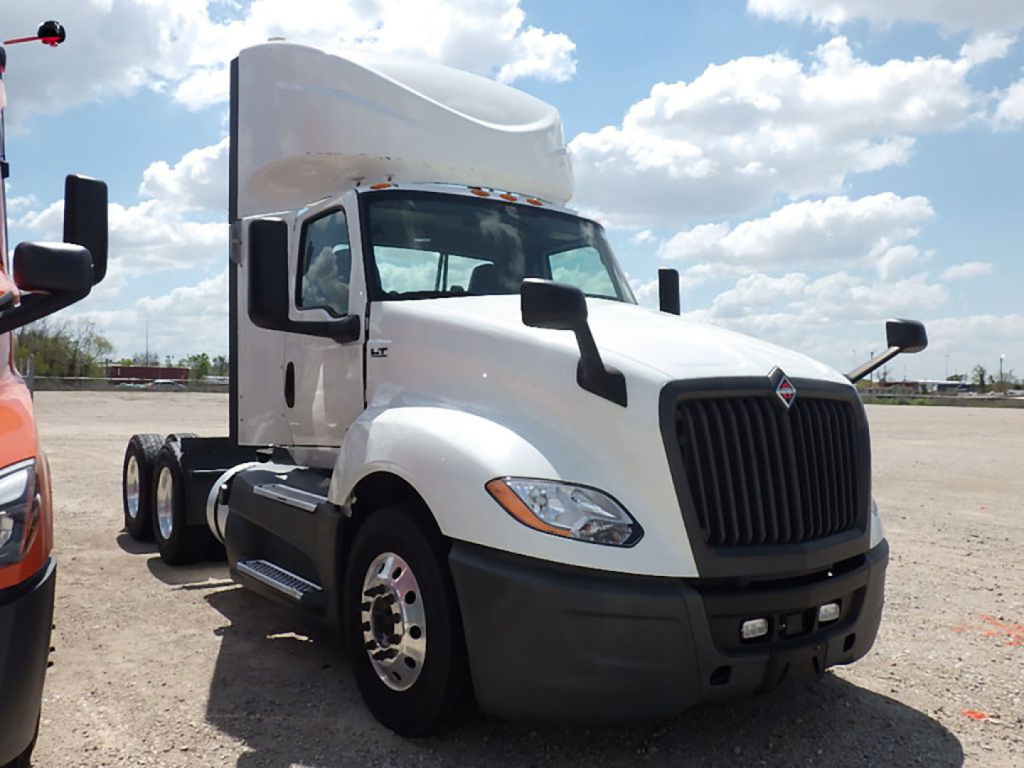
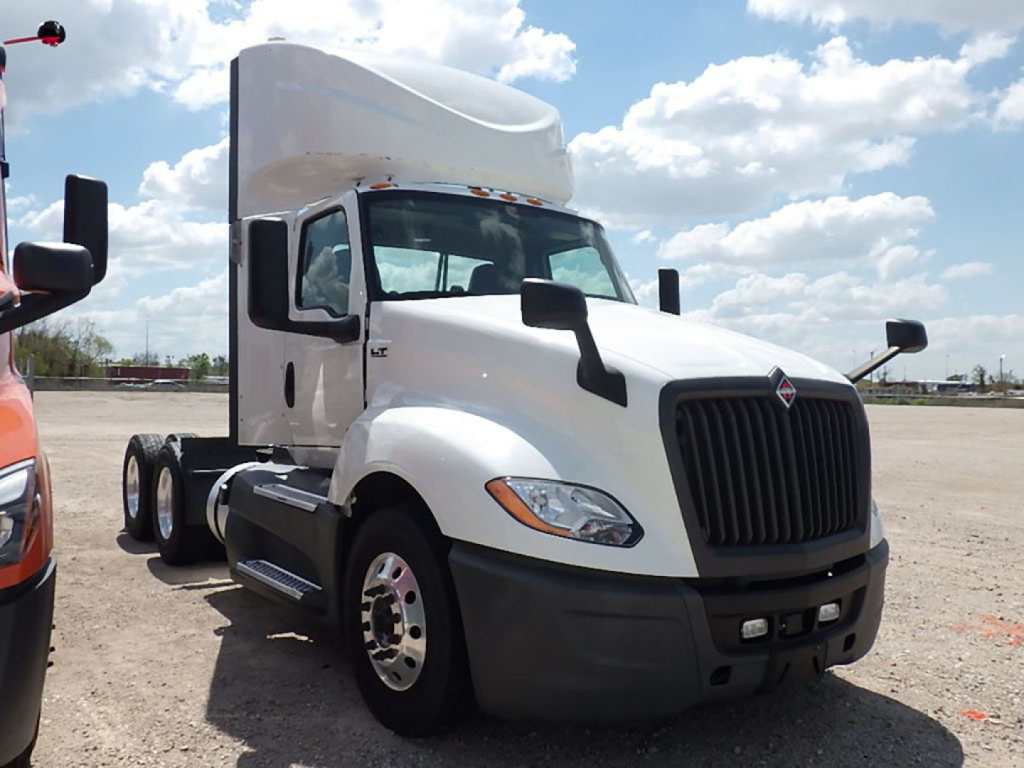
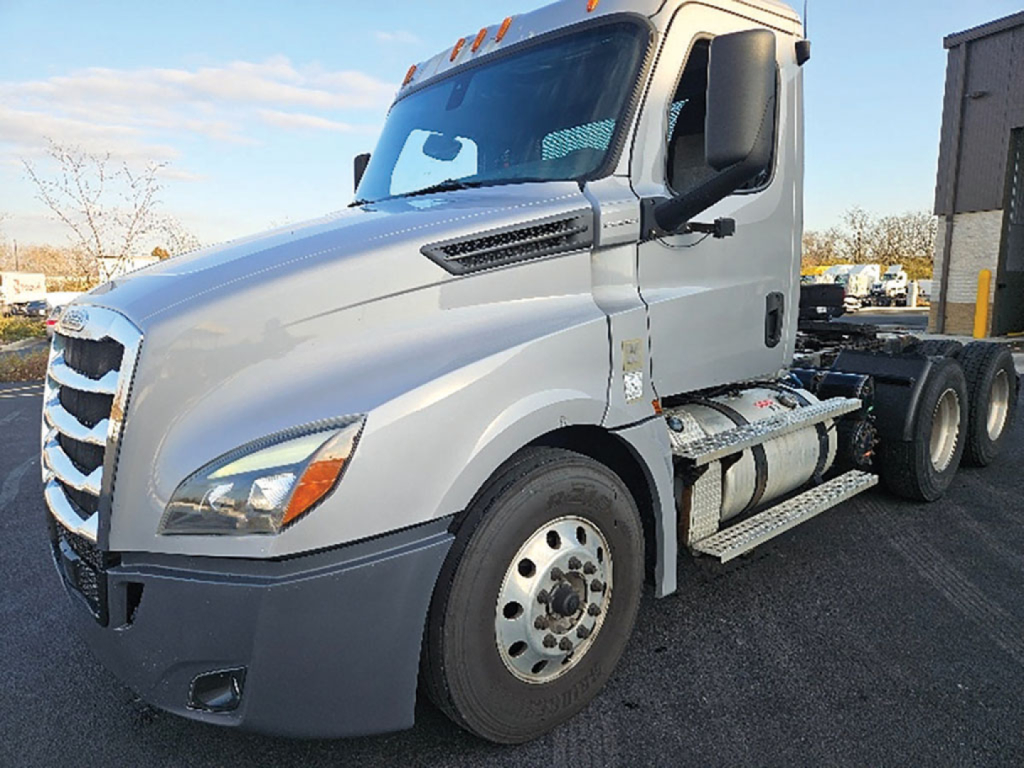
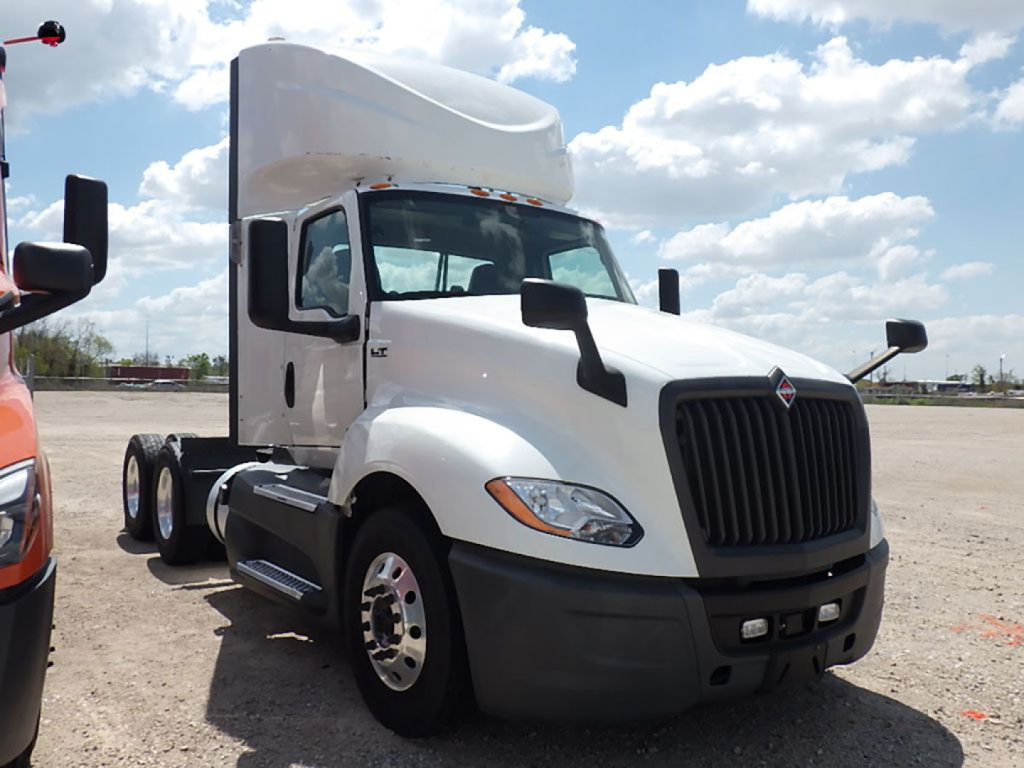

Have used 2020 conventional daycab truck to sell? List it here to reach thousands of buyers.
Used 2020 Conventional Daycab Trucks in Pennsylvania
Frequently Asked Questions about Used 2020 Conventional Daycab Trucks in Pennsylvania
What should I look for first on a used 2020 conventional daycab truck?
Start with the drivetrain and the job match. Engine rating, transmission type, rear axle ratio, wheelbase, and suspension matter more than trim level. A truck set up for regional van or reefer work may have a very different wheelbase, fuel capacity, and fifth wheel arrangement than one used for container haul, dump transfer, or local bulk service. On a 2020 daycab, buyers should also review emissions service history, idle hours, brake type, and any signs of previous fleet maintenance discipline.
Are 2020 daycab trucks in Pennsylvania typically spec'd for regional hauling or local work?
Most used 2020 conventional daycabs found in Pennsylvania are spec'd for regional hauling, short-haul freight, and terminal-to-terminal work, but there is a wide range. Tandem-axle trucks with 40,000 lb rears, air ride suspension, and mid-range axle ratios are common in freight applications. Single-axle daycabs also appear in urban delivery, tank, and lighter dedicated service. Pennsylvania terrain makes engine brake performance, horsepower, and rear ratio especially important if the truck will regularly cross grades or run loaded through western parts of the state.
Is an automatic transmission a good choice in a used 2020 daycab?
For many buyers, yes. Automated manual transmissions became very common in this model year and are well suited for stop-and-go freight, regional lanes, and fleets managing multiple drivers. They can reduce driver fatigue and help standardize shifting behavior. A manual still appeals to some owner-operators and vocational users, but in the used 2020 market, an automatic or automated manual often has broader resale appeal. The key is to confirm clutch and calibration history where applicable, along with software updates and driveline service records.
What axle ratio works best on a conventional daycab?
The best axle ratio depends on average speed, terrain, trailer type, and gross combination weight. Lower numerical ratios such as 2.64 to 2.79 are common in fuel-conscious highway and regional specs paired with direct or overdrive transmissions. Ratios like 3.25 or 3.55 are better suited to heavier loads, steeper grades, or applications that need stronger launch and pulling power. Buyers should consider the full drivetrain package instead of isolating one number, because engine torque curve, transmission gearing, and tire size all affect real-world performance.
What cab and chassis features matter most on a used daycab?
The most important features are the ones that affect uptime, driver comfort, and trailer compatibility. Adjustable or air-slide fifth wheels, wheelbase, fuel tank placement, and fairings determine how well the tractor fits the trailers it will pull. Air ride suspension, disc or drum brakes, engine brake, collision mitigation, and tire spec all affect operation and maintenance. Inside the cab, look for a durable interior, functioning HVAC, good seat condition, steering wheel adjustment, and intact switchgear, because daycabs typically see frequent entry and exit and heavier local-use wear than many sleeper tractors.