
Used 2019 Conventional Daycab Trucks For Sale in Georgia
Browse used 2019 conventional daycab trucks in Georgia. Compare specs, axle ratios, wheelbases, engines, and regional haul features.
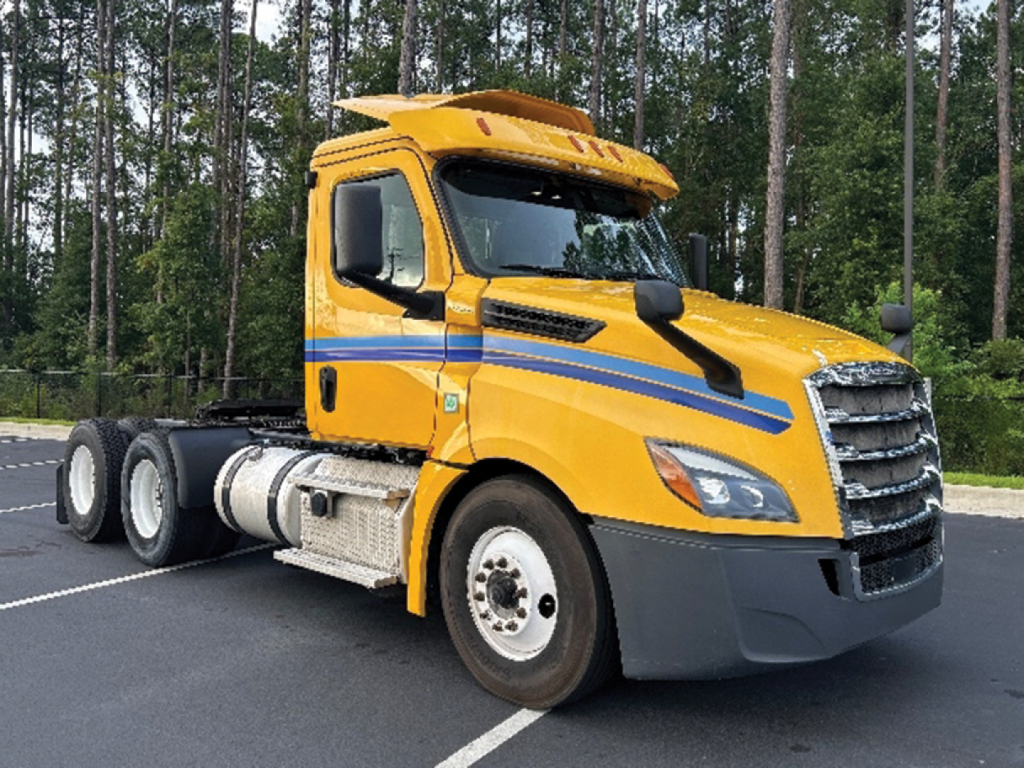
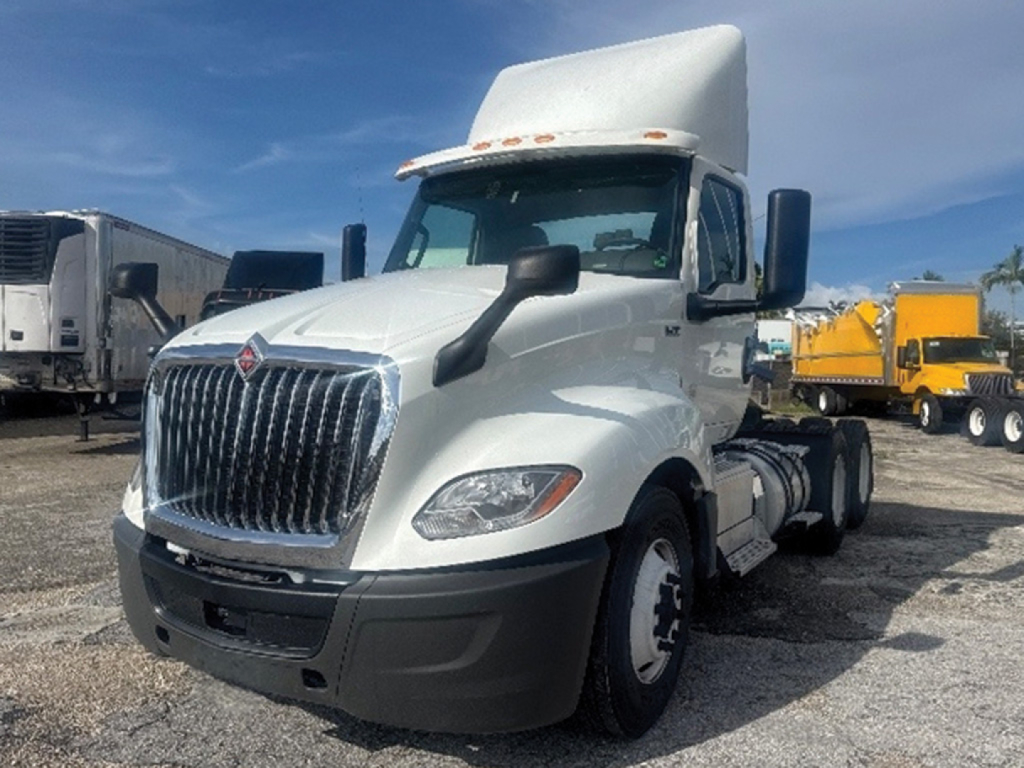
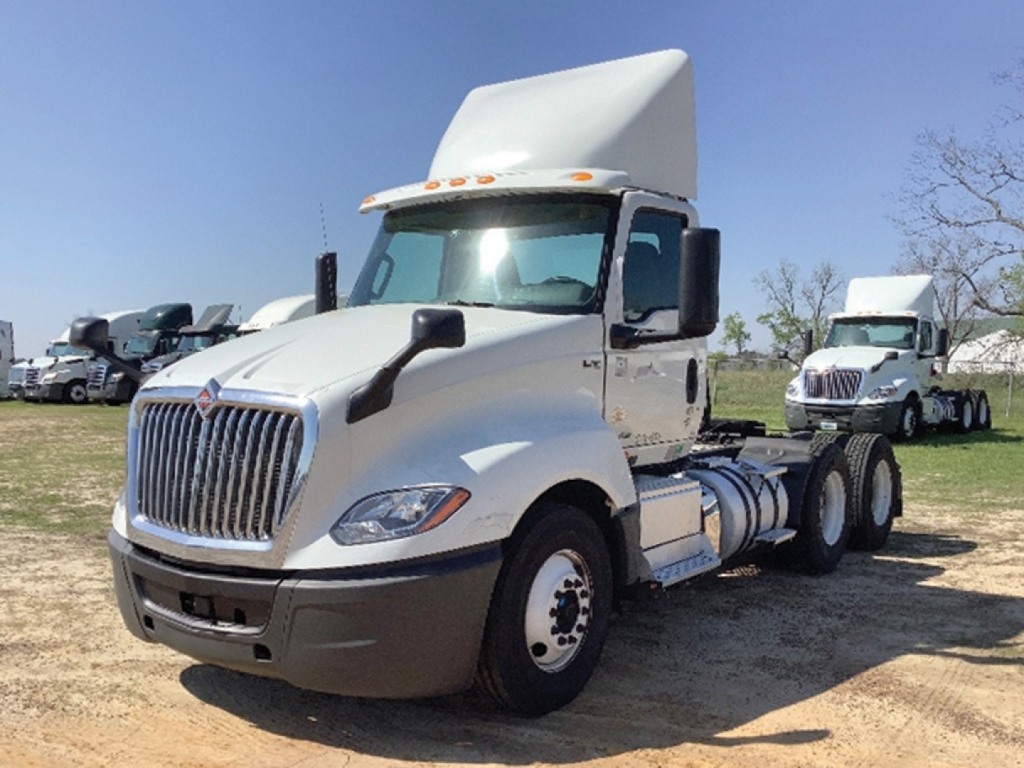
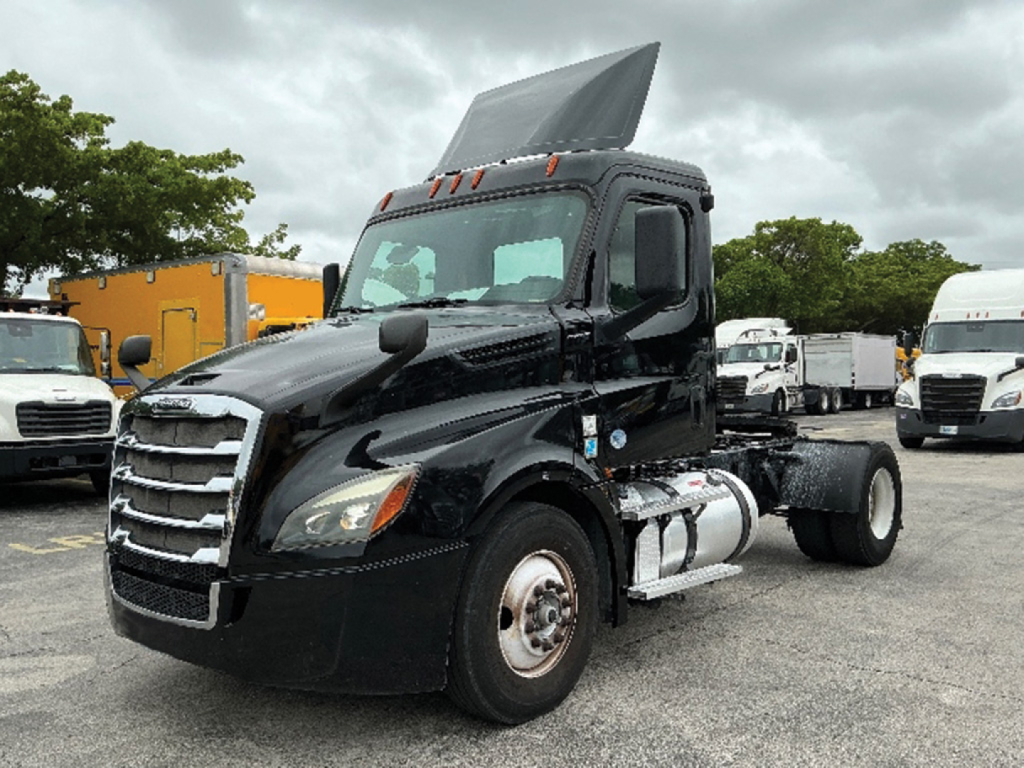
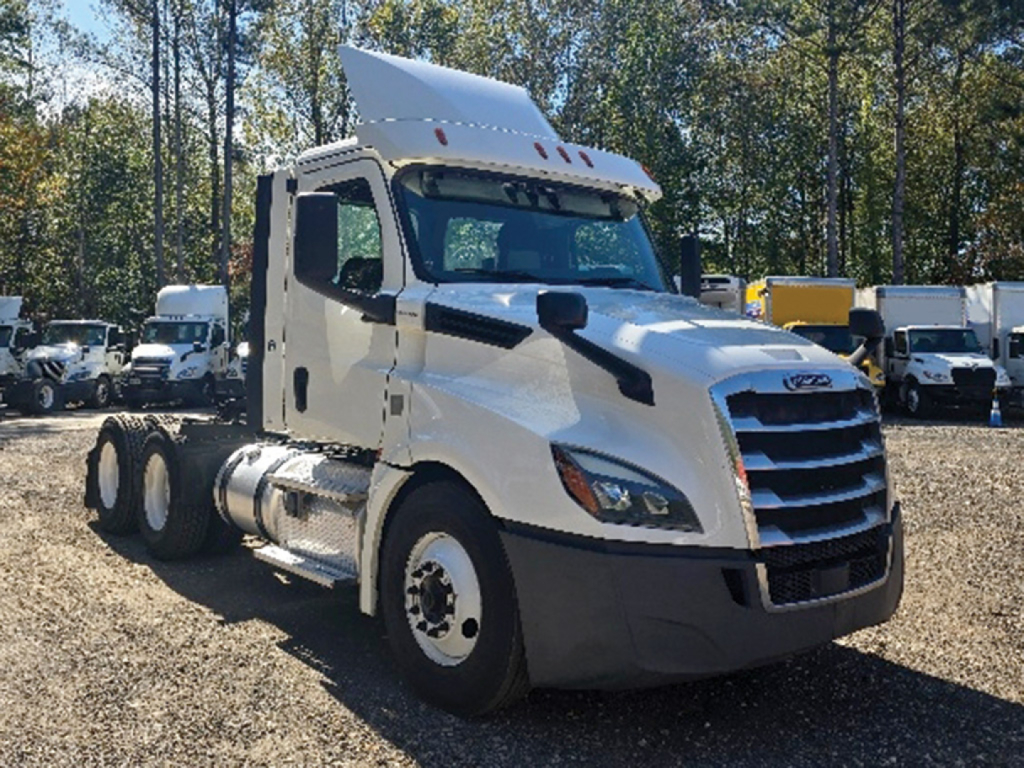

Selling a used 2019 conventional daycab truck? List your used 2019 conventional daycab truck for sale and reach thousands of commercial buyers.
Used 2019 Conventional Daycab Trucks in Georgia
The most important buying decisions usually come down to engine, transmission, rear axle ratio, and wheelbase. Many 2019 daycabs were built with popular regional-haul powertrains such as the Detroit DD13, Cummins X15, PACCAR MX-13, or Volvo D13, commonly rated in the roughly 400 to 455 horsepower range with automated manual transmissions like the DT12, Endurant, or I-Shift. For freight that stays on interstate lanes with moderate gross weights, a faster rear ratio such as 2.64 or 2.79 can improve fuel economy. For heavier loads, hill work, or more frequent starts, buyers often lean toward a deeper ratio such as 3.08 or similar. Wheelbases in this category commonly fall in the 170- to 180-inch range, which is a strong middle ground for turning radius, trailer swing clearance, and weight distribution.
A 2019 conventional daycab should also be evaluated by braking system, suspension, and fifth wheel setup. Air ride suspension remains standard for ride quality and cargo protection, while disc brakes became more common on fleet-spec highway tractors from this era and can be a real advantage in brake feel, stopping consistency, and maintenance planning. An air slide or adjustable fifth wheel adds flexibility if the truck may handle different trailer lengths or kingpin settings. Buyers pulling van, reefer, container chassis, or flatbed should confirm axle spread, frame layout, and fairing configuration match the intended trailer and route profile. Fuel tank capacity, cab extenders, roof fairings, quarter fenders, and horizontal exhaust can all affect daily usability and aerodynamic performance.
Condition matters more than badge on a used daycab. Service records, idle hours, aftertreatment history, transmission calibration updates, and evidence of consistent fleet maintenance should carry real weight in the buying decision. On a 2019 model, pay close attention to DPF and SCR service intervals, clutch and actuator behavior on automated manuals, suspension wear, and any active fault codes tied to emissions or safety systems. Georgia buyers should also consider cooling system performance in summer heat, tire condition for regional lane miles, and driver comfort features such as air ride seats, steering wheel adjustment, collision mitigation, and cruise control. A well-maintained 2019 conventional daycab can still be a cost-effective tractor for regional operations, especially when the spec matches the freight instead of simply chasing the lowest purchase price.
Frequently Asked Questions about Used 2019 Conventional Daycab Trucks in Georgia
What is a conventional daycab truck used for?
A conventional daycab truck is built for hauling freight without sleeper accommodations, making it ideal for regional routes, local delivery, drayage, dedicated contract freight, and terminal-to-terminal work. The shorter cab reduces weight and improves maneuverability compared with a sleeper tractor, while still providing the power, axle capacity, and highway gearing needed for semi-trailer applications.
What should I check first on a used 2019 conventional daycab?
Start with the powertrain and maintenance history. Engine fault codes, emissions system service records, transmission performance, rear axle ratio, and total miles or engine hours will tell you more than cosmetic condition. It is also important to inspect brake type, suspension wear, fifth wheel operation, tire condition, and any signs of inconsistent maintenance around the aftertreatment system, cooling system, and driveline.
Is a 2019 daycab good for regional hauling in Georgia?
Yes, a 2019 conventional daycab is often a strong match for Georgia regional operations. These trucks are well suited for freight moving through Atlanta distribution networks, port-related lanes tied to Savannah, and short to mid-range interstate work. The right spec depends on route profile and weight, but a fuel-efficient engine, automated manual transmission, and properly matched rear ratio can make a 2019 daycab a productive regional tractor.
What axle ratio is best in a conventional daycab?
The best axle ratio depends on load weight, terrain, and average road speed. Ratios such as 2.64 or 2.79 are commonly chosen for lighter regional loads and fuel economy at highway speed. A ratio around 3.08 or deeper can be better for heavier freight, frequent stop-and-start driving, and routes with more grade changes. The axle ratio should always be considered with tire size, transmission gearing, and expected gross combination weight.
Are automated manual transmissions common in 2019 daycab trucks?
Yes, automated manual transmissions were very common in 2019 conventional daycab trucks, especially in fleet-operated regional and highway applications. Systems such as the Detroit DT12 and Volvo I-Shift were widely used because they improve shift consistency, reduce driver fatigue, and help manage fuel economy. On a used truck, buyers should confirm smooth shifting, proper clutch or actuator operation where applicable, and that all software updates and calibrations have been completed.