
Used 2019 Freightliner Conventional Daycab Trucks For Sale in Georgia
Shop used 2019 Freightliner conventional daycab trucks in Georgia. Compare Cascadia specs, DD13 and DD15 power, wheelbase, axle ratios, and features.
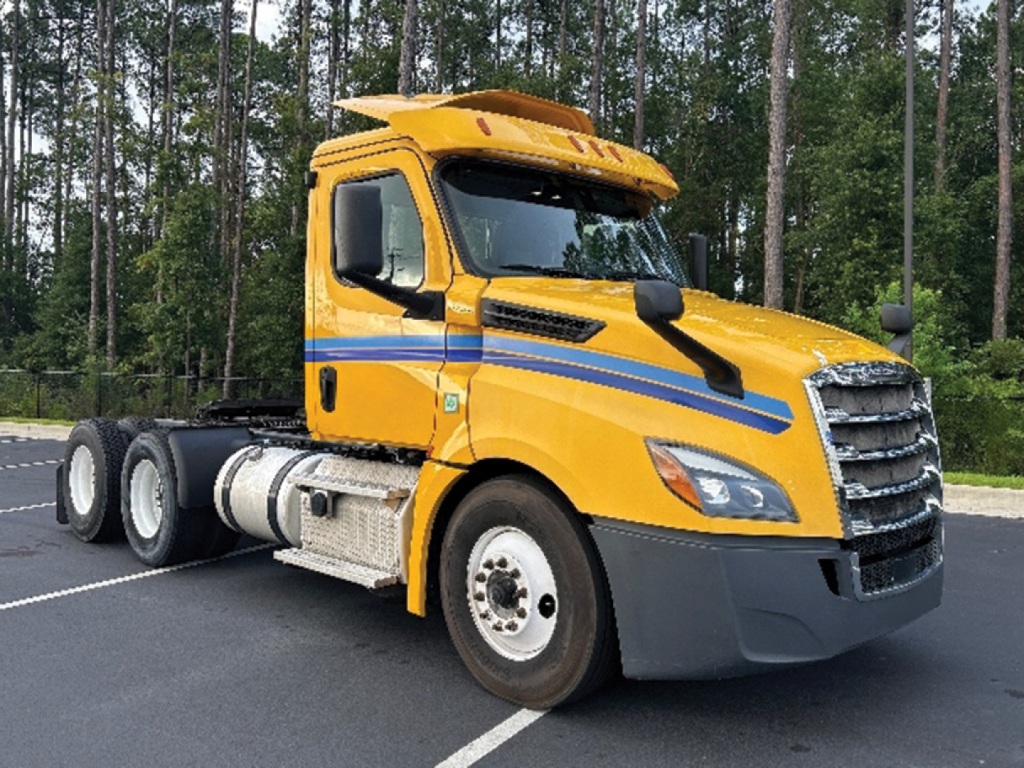
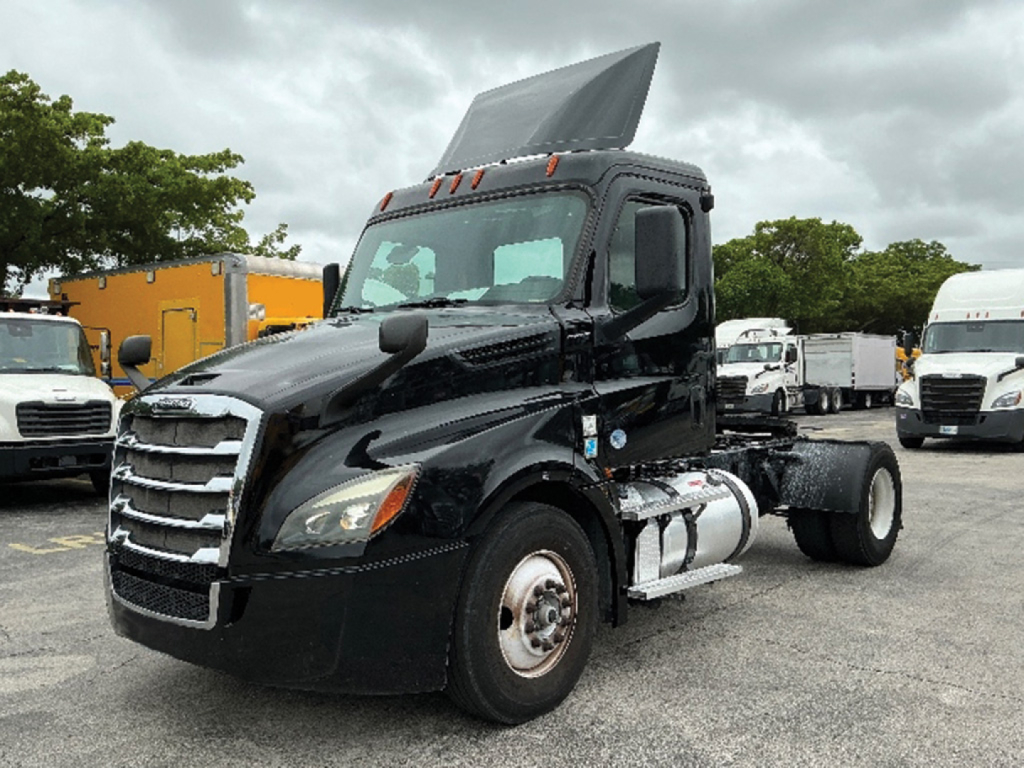
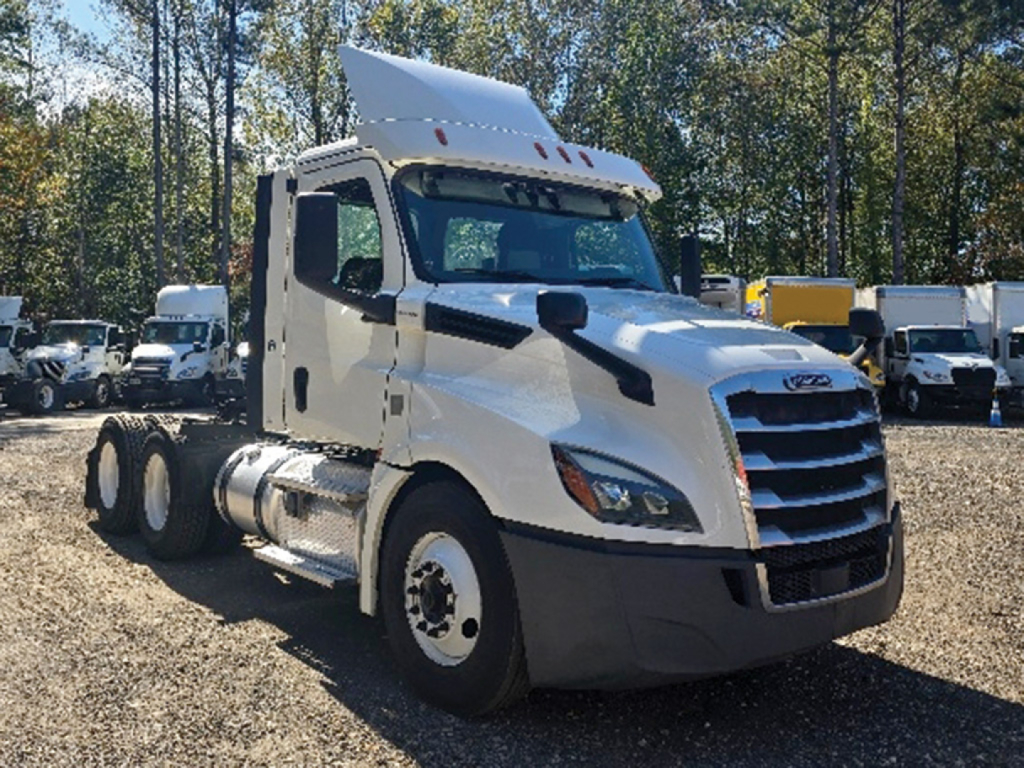

Selling a used 2019 freightliner conventional daycab truck? List your used 2019 freightliner conventional daycab truck for sale and reach thousands of commercial buyers.
Used 2019 Freightliner Conventional Daycab Trucks in Georgia
The main buying decision usually starts with engine and driveline spec. Many 2019 Freightliner conventional daycab trucks are equipped with Detroit DD13 or DD15 engines paired to the DT12 automated manual transmission. DD13 setups are often favored for regional freight and fuel-conscious fleets, while DD15 specs make more sense when the truck will regularly pull heavier loads or spend more time at highway speed. Rear axle ratings around 40,000 pounds, ratios such as 3.08, and wheelbases in the mid-170-inch range are common on tandem axle road tractors in this segment. That combination generally supports a good balance of fuel economy, startability, and trailer compatibility.
A buyer should pay close attention to the fifth wheel arrangement, brake type, suspension, and tire spec. An air slide fifth wheel adds flexibility if the truck will handle mixed trailer lengths or needs kingpin setting adjustment across different accounts. Air ride suspension remains the preferred setup for ride quality and freight protection, while disc brakes have become more common on later-model highway tractors because they improve stopping consistency and simplify some service work. Aluminum wheels, dual aluminum fuel tanks, roof fairings, cab extenders, quarter fenders, and collision mitigation systems are all useful features on a used Freightliner daycab because they affect operating cost, driver acceptance, and resale strength.
On a used 2019 model, condition matters as much as spec. Review maintenance history for the emissions system, transmission calibration updates, brakes, suspension wear, and any active safety components. Look for signs of heavy yard use versus true highway miles, and confirm the truck matches the work it is expected to do. A Freightliner conventional daycab with the right horsepower, axle ratio, and wheelbase can be an efficient fleet tractor for regional lanes, container work, or dedicated customer routes, but the wrong spec can leave money on the table in fuel burn, drivability, and trailer fit.
Frequently Asked Questions about Used 2019 Freightliner Conventional Daycab Trucks in Georgia
What is the best engine choice in a used 2019 Freightliner daycab, DD13 or DD15?
The best engine depends on the duty cycle. A Detroit DD13 is often a strong fit for regional haul, lighter gross weights, and fleets focused on fuel economy and lower operating cost. A Detroit DD15 is usually the better choice for heavier freight, more aggressive terrain, or applications where highway pulling power matters more than minimizing engine size. Buyers should compare horsepower, torque rating, rear axle ratio, and average gross combination weight instead of choosing by engine badge alone.
What wheelbase is common on a 2019 Freightliner conventional daycab?
Many 2019 Freightliner Cascadia daycabs are spec'd around a 176-inch to 180-inch wheelbase, with 178 inches being a very common fleet configuration. This range usually works well for tandem axle tractors pulling van, reefer, and container chassis in regional service. A shorter wheelbase can improve maneuverability in tight yards and urban freight, while a longer setup may be needed for specific trailer swing clearance, bridge law considerations, or weight distribution requirements.
Is an automated manual transmission a good choice in a used Freightliner daycab?
Yes, for most fleet and regional applications, the DT12 automated manual is a practical choice. It helps with driver onboarding, reduces clutch-related wear from inconsistent shifting, and supports fuel-efficient operation when matched to the correct engine and axle ratio. The key is verifying software updates, clutch life, fault history, and overall driveline service records. A well-maintained automated manual can be a strong asset in stop-and-go or multi-driver operations.
What should I inspect first on a used 2019 Freightliner daycab in Georgia?
Start with engine hours, idle time, maintenance records, and any fault codes tied to the aftertreatment system. Then inspect brakes, tires, suspension components, steering wear, fifth wheel condition, and signs of frame damage or trailer contact. In Georgia service, some trucks see constant urban cycles, port traffic, and heat-related wear, so cooling system condition and cab HVAC performance also matter. A pre-purchase inspection with an ECM download is usually worth the cost on a late-model daycab.
Are collision mitigation and disc brakes worth paying for on a used daycab tractor?
In many cases, yes. Collision mitigation can reduce risk exposure and may support fleet safety goals, especially in dense traffic and regional distribution work. Disc brakes are valued for strong stopping performance, better fade resistance, and more predictable brake feel compared with older drum-only setups. These features can improve driver confidence and may add value at resale, but buyers should confirm all sensors, modules, and brake components are functioning correctly before purchase.